
What is fever in cats?
Fever is a rise in body temperature above the normal range. In cats, normal body temperature is about 38.1–39.2°C (100.5–102.5°F). A temperature above 39.2°C is generally considered fever. Fever is not an illness itself; it is a sign that something is wrong. It is part of the body's immune response to infection, inflammation, or other disease.
Cats are good at hiding illness. A feverish cat may simply seem quiet, hide under the bed, or stop eating. Recognising the subtle signs and knowing when to act can make a big difference.
How to tell if your cat has a fever
You cannot reliably tell by touch. A cat's ears or nose may feel warm for many reasons, and a feverish cat may not feel hot at all. The only accurate way is to measure the temperature with a thermometer.
Using a thermometer safely
- Use a digital rectal thermometer or a pet-specific ear thermometer. Human ear thermometers are not calibrated for cats.
- Lubricate the tip with water-based jelly.
- Have someone gently hold your cat. Insert the thermometer about 1–2 cm into the rectum, or follow the ear thermometer instructions.
- Never force it. If your cat struggles, stop and ask your vet for help.
Signs that may accompany fever
- Lethargy, weakness, or reluctance to move
- Hiding or withdrawal
- Loss of appetite or drinking less
- Shivering or trembling (even though the body is hot)
- Fast breathing or panting
- Dehydration: dry gums, skin that stays tented when gently pinched
- Vomiting or diarrhoea
- Squinting, discharge from eyes or nose
If you see several of these signs, check the temperature if you can, and call your vet.
Common causes of fever in cats
Fever has many possible causes. A vet will consider the cat's age, lifestyle, vaccination status, and other symptoms.
Infections
- Viral infections: Cat flu (feline herpesvirus and calicivirus) is common, especially in unvaccinated cats. Other viruses include feline panleukopenia and feline immunodeficiency virus (FIV).
- Bacterial infections: Abscesses from cat bites, urinary tract infections, pneumonia, and infected wounds can all cause fever.
- Parasites: Some parasites, though less commonly, may trigger fever.
Inflammatory and immune conditions
- Pancreatitis, inflammatory bowel disease, and other inflammatory conditions can cause fever.
- Immune-mediated diseases, where the body attacks its own tissues, may also cause fever.
Other causes
- Cancer, such as lymphoma
- Toxin exposure (e.g., certain plants, human medicines, household chemicals)
- Heatstroke (though this is hyperthermia, not true fever)
- Reaction to vaccines (mild and short-lived)
In many cases, the exact cause is not found immediately. Vets may use the term "fever of unknown origin" (FUO) when initial tests are inconclusive.
Fever vs. hyperthermia: what's the difference?
Fever is a controlled rise in body temperature set by the brain in response to illness. Hyperthermia is an uncontrolled rise due to external heat or excessive exercise. Heatstroke is a medical emergency. If your cat is panting heavily, drooling, or has a temperature above 40°C after being in a hot environment, cool them with room-temperature water and seek urgent vet care.
Safe home care for a cat with a fever
Home care supports recovery but does not replace veterinary advice. Always consult your vet first.
Do
- Provide fresh water. Dehydration worsens fever. Offer water in several places. You can also offer low-sodium chicken broth (without onion or garlic) to encourage drinking.
- Keep your cat comfortable. Provide a quiet, dimly lit room away from noise and other pets. A soft bed and easy access to food and water help.
- Monitor temperature and symptoms. Check temperature every few hours if your vet advises. Note any changes in appetite, drinking, urination, and behaviour.
- Offer tempting food. Mildly warmed wet food or a little plain cooked chicken can encourage eating. If your cat refuses food for more than 24 hours, call your vet.
- Use a cool, damp cloth. Gently wipe paws and belly if your cat is very hot, but stop if they shiver. Never use ice or cold water.
Don't
- Never give human fever medicine. Paracetamol (acetaminophen) and ibuprofen are toxic to cats and can be fatal. Aspirin is also risky. Only give medicines prescribed by your vet.
- Do not force-feed or force-water. This can cause choking or aspiration.
- Do not use alcohol rubs or ice baths. These can cause shock.
- Do not ignore worsening signs. If your cat's condition declines, seek help.
When to see a vet
Seek veterinary care if:
- Temperature is above 40°C (104°F)
- Fever lasts more than 24 hours
- Your cat is not eating or drinking
- There is vomiting, diarrhoea, or signs of pain
- Breathing is fast, laboured, or your cat is panting
- Your cat has a seizure or seems disoriented
- Your cat is a kitten, senior, pregnant, or has a weakened immune system
- You are unsure
It is better to err on the side of caution. Early treatment can prevent complications.
What to expect at the vet
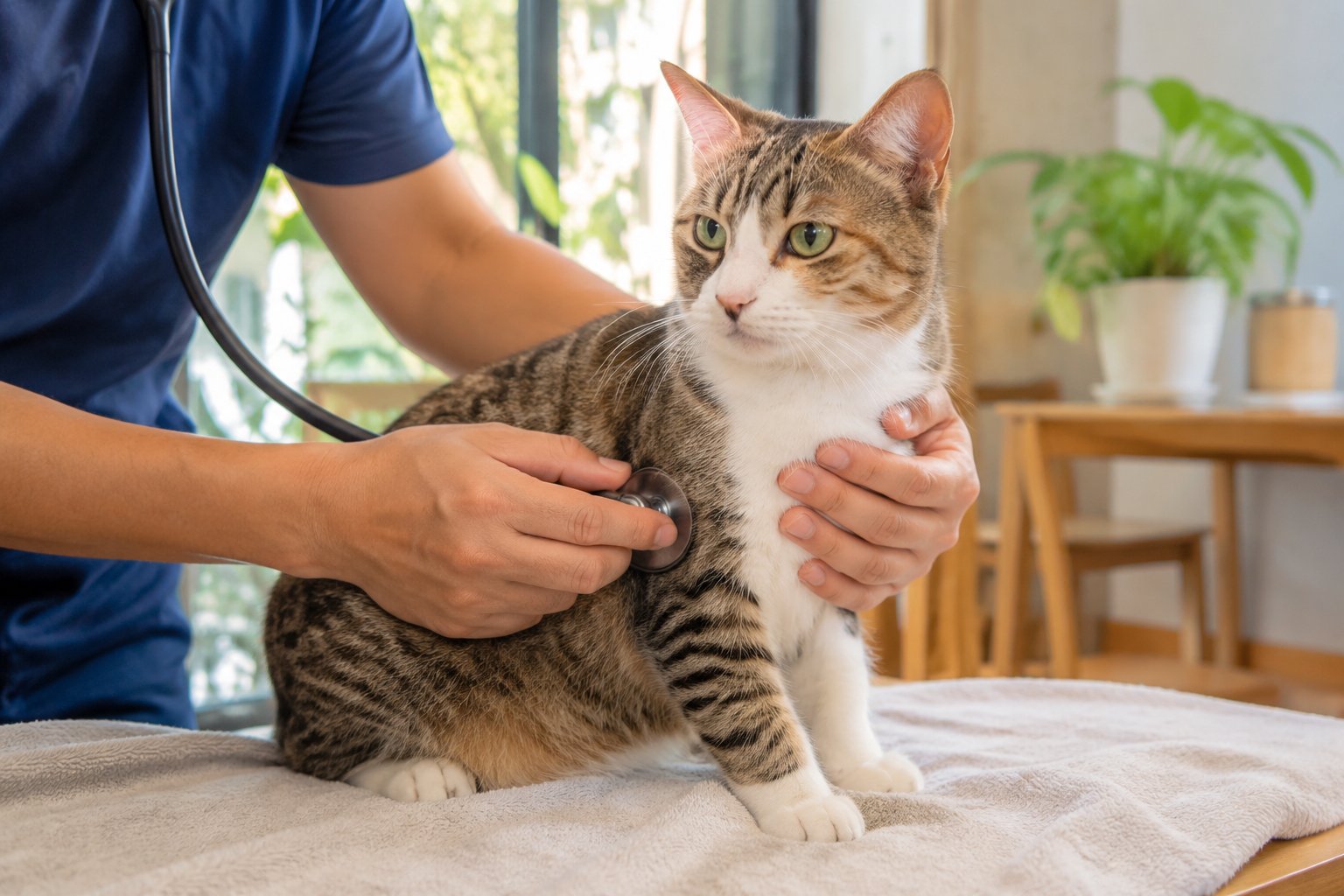
Your vet will take a full history and perform a physical exam. They may:
- Measure temperature, heart rate, and breathing rate
- Check for dehydration and mouth ulcers
- Examine the skin for abscesses or wounds
- Recommend blood tests, urine tests, or imaging (X-rays or ultrasound)
- Possibly test for infectious diseases (e.g., FIV, FeLV)
Treatment depends on the cause. Bacterial infections may need antibiotics. Viral infections are managed with supportive care. Fluid therapy may be given for dehydration. Fever-reducing drugs are rarely used in cats and only under veterinary supervision.
Preventing fever in cats
- Keep vaccinations up to date (cat flu, panleukopenia).
- Control parasites with vet-recommended products.
- Keep cats indoors or in secure enclosures to reduce fights and exposure.
- Provide a balanced diet and fresh water.
- Schedule regular vet check-ups, especially for senior cats.
- Avoid exposing cats to human medicines, toxic plants, and household chemicals.
Comparison table: fever vs. normal vs. hyperthermia
| Condition | Temperature (rectal) | Common signs | Action |
|---|---|---|---|
| Normal | 38.1–39.2°C | Active, eating, normal behaviour | Routine care |
| Fever | Above 39.2°C | Lethargy, hiding, poor appetite, shivering | Monitor, consult vet if persists or worsens |
| Hyperthermia/heatstroke | Often above 40°C | Panting, drooling, collapse, hot environment | Emergency: cool gently and see vet immediately |
Local considerations for Malaysian cat owners
Malaysia's hot and humid climate can make it harder to distinguish fever from heat stress. Cats in apartments may be more prone to heatstroke if left in unventilated rooms. Ensure good airflow and shade. During rainy season, cats may be more susceptible to respiratory infections if they go outdoors. Keep them dry and warm.
In Malaysian households, cats often live in apartments or terrace houses. Provide safe spaces and avoid exposure to toxic plants like lilies, which are common in gardens and can cause kidney failure in cats.
Frequently asked questions
1. What is a normal temperature for a cat? A normal cat temperature is about 38.1–39.2°C (100.5–102.5°F). A reading above 39.2°C is considered fever. Small rises can happen with stress or exercise, so confirm with a vet if you are unsure.
2. Can I give my cat paracetamol or ibuprofen for fever? No. Human painkillers like paracetamol and ibuprofen are toxic to cats and can be fatal. Never give any human medicine unless your vet prescribes it specifically for your cat.
3. How can I tell if my cat has a fever without a thermometer? You cannot reliably tell without a thermometer. Warm ears or nose are not accurate signs. Look for lethargy, hiding, loss of appetite, shivering, or fast breathing, and use a rectal or ear thermometer designed for pets if you can.
4. When should I take my cat to the vet for a fever? See a vet if the temperature is above 40°C, if fever lasts more than 24 hours, or if your cat has vomiting, diarrhoea, breathing difficulty, seizures, or is not eating or drinking. Young kittens and senior cats need urgent care.
5. What causes fever in cats? Common causes include viral infections (like cat flu), bacterial infections, abscesses from fights, urinary tract infections, and inflammatory conditions. Less common causes include immune-mediated diseases, cancer, and toxin exposure. A vet exam is needed to find the cause.
6. How is fever in cats treated? Treatment depends on the cause. Vets may use antibiotics for bacterial infections, fluids for dehydration, and supportive care. Never give human fever reducers. Most cats recover well with prompt veterinary care and rest.
Vet disclaimer
This article is for general information only and does not replace veterinary advice. Always consult a licensed veterinarian for diagnosis and treatment of your cat. If you suspect your cat has a fever, contact your vet promptly.
Related reading
- Cat Breathing Difficulty Treatment in Malaysia: What to Do and What to Expect
- Cat Fever Treatment in Malaysia: What to Do When Your Cat Is Hot
- Cat Hair Loss Treatment in Malaysia: A Practical Owner's Guide
- Cat Ringworm Treatment in Malaysia: A Practical Owner's Guide
- Cat Skin Fungus Treatment in Malaysia: A Practical Owner's Guide
- Cat Urinary Blockage Treatment in Malaysia: What to Do, Step by Step
- Constipation in Cats: Causes, Care and When to See a Vet in Malaysia
- Dehydration in Cats in Malaysia: Signs, Causes and How to Help
- Dehydration Prevention for Cats: A Practical Guide for Malaysian Owners

