The short answer
Fleas prevention for cats in Malaysia is a year-round job, not a seasonal one. The core plan is simple: use a vet-recommended flea product on every cat and dog in the home, every month, without gaps; keep the home clean with regular vacuuming and bedding washes; check your cat's coat and skin often; and act quickly if you see itching, flea dirt, or live fleas. Because Malaysia is warm and humid all year, fleas can breed continuously, so consistency beats timing.
Why fleas are a year-round problem in Malaysia
In cooler countries, flea numbers often drop in winter. In Malaysia, there is no winter. Homes, gardens, and shaded areas stay warm and humid, which suits flea development. That means a cat can pick up fleas in any month, and a missed treatment can lead to a new generation within weeks.
Fleas also do not need a garden. They can live in cracks, carpets, bedding, and furniture, and they can arrive on clothing, bags, or visitors. In city apartments, shared corridors, lifts, and nearby strays can all be sources. This is why indoor cats still need prevention.
The adult flea you see on your cat is only a small part of the problem. The life cycle includes eggs, larvae, and pupae, most of which live in the environment. Eggs fall off the cat and settle into bedding and floors. Larvae hide in dark, humid places. Pupae can survive for a long time and emerge when conditions suit them. This is why treating only the cat often fails: the home keeps producing new fleas.
What fleas do to cats
Fleas bite to feed on blood. For many cats, this causes intense itching, especially around the neck, back, and base of the tail. You may see scratching, over-grooming, hair loss, and small scabs. Some cats develop flea allergy dermatitis, where even a few bites cause severe skin reactions.
Fleas can also cause anaemia, particularly in kittens or weak cats, because they take blood. They can carry tapeworm larvae, so a flea problem can lead to tapeworms. In heavy infestations, you may see live fleas moving in the coat, or black specks called flea dirt, which is flea faeces.
Some cats are very good at hiding fleas. A cat with a thick coat may show few signs until the infestation is large. Regular checking is important, especially if your cat goes outdoors or lives with a dog.
The core prevention plan
A good plan has four parts: the right product, the right routine, the right home habits, and regular checks.
1. Choose the right product with your vet
There are many flea products for cats, and not all are equal. The main types are spot-on treatments, oral tablets, and collars. Some products also treat ticks, ear mites, or worms. Your vet can recommend one based on your cat's age, weight, health, lifestyle, and any other pets in the home.
Key points:
- Use a product labelled for cats. Never use dog flea products on cats, as some dog products are toxic to cats.
- Check the weight range and age limit. Kittens need kitten-safe products.
- Follow the interval on the label. Most spot-ons and tablets are monthly.
- Do not mix products unless your vet says it is safe.
- If your cat is pregnant, nursing, or unwell, ask your vet first.
2. Treat every pet in the home
Fleas do not stay on one animal. If you have two cats, or a cat and a dog, treat them all at the same time. Treating one pet while another goes untreated lets fleas survive and reinfest the treated pet. Mark a monthly date on your calendar and treat all pets on the same day.
3. Clean the home regularly
Most flea life stages are in the environment. Vacuum floors, carpets, rugs, furniture, and skirting boards at least weekly, and more often during an outbreak. Pay attention to where your cat sleeps and rests. After vacuuming, empty the canister or bag outside, because eggs and larvae can survive inside.
Wash pet bedding in hot water weekly. Wash your own bedding if your cat sleeps with you. Wipe hard floors and surfaces. Steam cleaning carpets can help kill life stages in the environment.
4. Check your cat often
Once a week, part your cat's coat and look at the skin, especially around the neck, back, and tail base. Look for live fleas, flea dirt, redness, scabs, and hair loss. Use a fine-toothed flea comb, which is especially useful for cats with thick coats. If you see flea dirt, place it on a damp paper towel; if it turns reddish-brown, it is likely digested blood from fleas.
Comparison of common flea prevention options
| Option | How it works | Typical interval | Pros | Cons |
|---|---|---|---|---|
| Spot-on treatment | Liquid applied to the skin at the back of the neck | Monthly | Easy to apply, treats the cat and can affect fleas in the environment | Can be messy, needs correct application, some cats dislike it |
| Oral tablet | Chewable or tablet given by mouth | Monthly | No residue on the coat, precise dose | Some cats are hard to tablet, not all are flavoured |
| Flea collar | Releases active ingredient over time | Several months | Long-lasting, no monthly dosing | Fit matters, not all cats tolerate collars, check safety features |
| Combined product | Treats fleas plus ticks or worms | Monthly | Convenient, covers multiple parasites | Not all combinations suit every cat |
This table is a general guide only. Product availability and labelling vary, and local prices vary, so ask your Malaysian vet or retailer for the right option for your cat.
A simple monthly checklist for Malaysian cat owners
Use this checklist to stay consistent:
- Treat every cat and dog in the home on the same day each month.
- Check the dose against your cat's current weight.
- Apply spot-on correctly: part the fur, apply to skin, and keep the cat from licking the area until dry.
- Vacuum floors, carpets, and furniture.
- Wash pet bedding and your bedding in hot water.
- Wipe hard floors and skirting boards.
- Check your cat's coat and skin for fleas and flea dirt.
- Note the date and product used in a diary or phone reminder.
- If you see fleas, increase cleaning and check all pets.
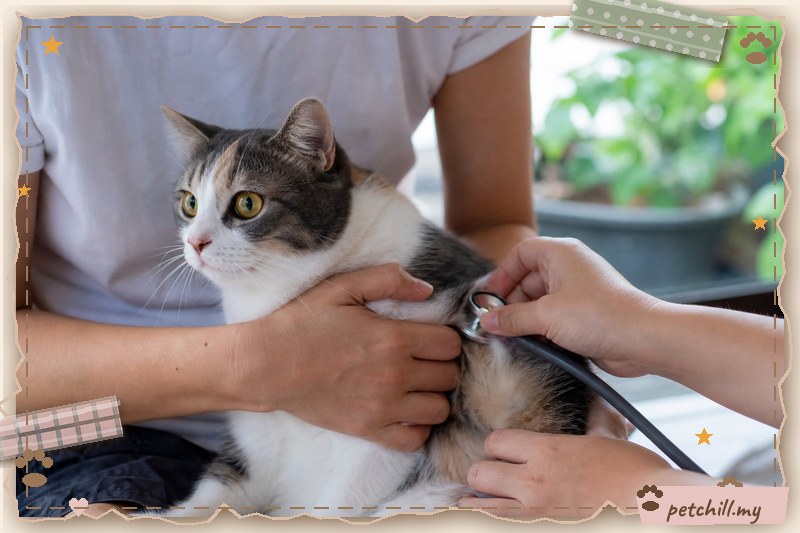
Home and garden habits that help
Fleas like warm, humid, shaded places. In Malaysian homes, that can mean under furniture, in carpets, in pet bedding, and in garden areas where pets rest. Keep grass and vegetation trimmed, and remove leaf litter and debris where fleas might develop. If your cat goes outside, check it when it comes in.
In apartments, shared corridors and lifts can be sources. Keep your cat's bedding clean, and avoid leaving bags or clothing on the floor where fleas might hitch a ride. If you visit a home with pets, check your own clothing and shoes when you return.
Do not use household insecticides around cats without veterinary advice. Cats are sensitive to many chemicals, and some products are toxic. If you need environmental treatment, ask your vet for a cat-safe recommendation.
Special situations
Kittens
Kittens are vulnerable to fleas and anaemia. Many flea products are not suitable for very young or small kittens. Ask your vet for a kitten-safe product and use it exactly as directed. Do not use adult products on kittens.
Pregnant and nursing cats
Some products are not recommended during pregnancy or nursing. Your vet can advise on a safe option and on treating the environment, which is especially important when kittens are present.
Cats with other health problems
If your cat has skin disease, allergies, or is on medication, check with your vet before starting a new flea product. Some products interact with other treatments.
Multi-pet homes
Treat all pets together. If you have a dog, make sure the dog's product is dog-specific and safe for the household. Some dog products are toxic to cats, so keep them separate and store them safely.
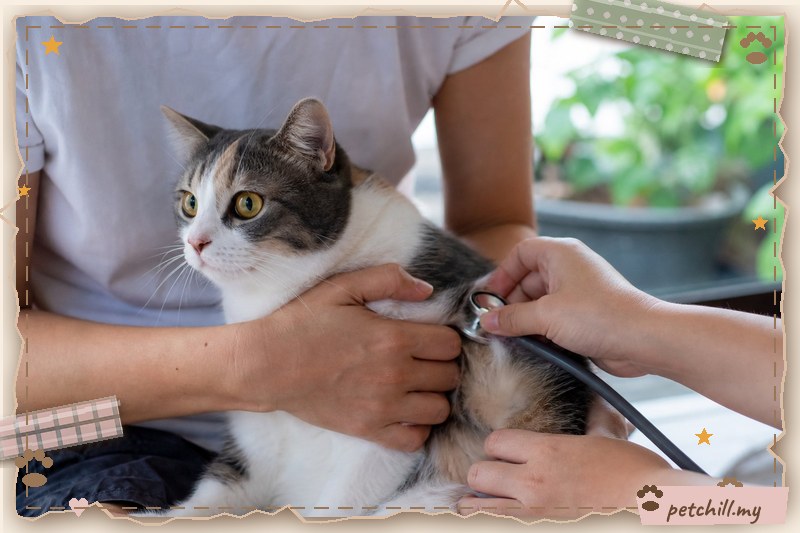
When to see a vet
See your vet if:
- Your cat is scratching intensely, has hair loss, scabs, or red skin.
- You see live fleas or flea dirt despite regular treatment.
- Your cat is lethargic, pale, or weak, which can be signs of anaemia.
- Your cat is a kitten, pregnant, nursing, or has other health problems.
- You are unsure which product is safe.
- Fleas persist after several weeks of correct treatment and cleaning.
Your vet can confirm the diagnosis, check for flea allergy dermatitis or tapeworms, recommend a suitable product, and advise on environmental control.
A note on local sources
For general pet care and welfare guidance in Malaysia, you can refer to the Department of Veterinary Services (DVS) and SPCA Malaysia. For animal passport and travel-related questions, the DVS animal passport portal is useful. These sources provide general information; your own vet is the best person to advise on your cat's specific needs.
Final word
Fleas prevention for cats in Malaysia is not complicated, but it does need consistency. Use a vet-recommended product every month, treat all pets, keep the home clean, and check your cat often. If you see signs of fleas or skin problems, see your vet early. A steady routine is the best protection for your cat and your home.
This article is general information only and is not a substitute for veterinary advice. Always consult a licensed veterinarian for diagnosis and treatment of your cat.
Related reading
- Cat Health Guide Malaysia: Symptom Check, Red-Flag Triage & When to See a Vet
- Breathing Difficulty Prevention for Cats: A Practical Malaysian Guide
- Cat Breathing Difficulty Treatment in Malaysia: What to Do and What to Expect
- Cat Ringworm Treatment in Malaysia: A Practical Owner's Guide
- Cat Skin Fungus Treatment in Malaysia: A Practical Owner's Guide
- Cat Swollen Belly Treatment in Malaysia: Causes, Home Care and When to See a Vet
- Cat Urinary Blockage Treatment in Malaysia: What to Do, Step by Step
- Constipation in Cats: Causes, Care and When to See a Vet in Malaysia
- Dehydration in Cats in Malaysia: Signs, Causes and How to Help
- Dehydration Prevention for Cats: A Practical Guide for Malaysian Owners
- Fans and Air Conditioning for Cats in Malaysia: A Practical Comfort Guide