
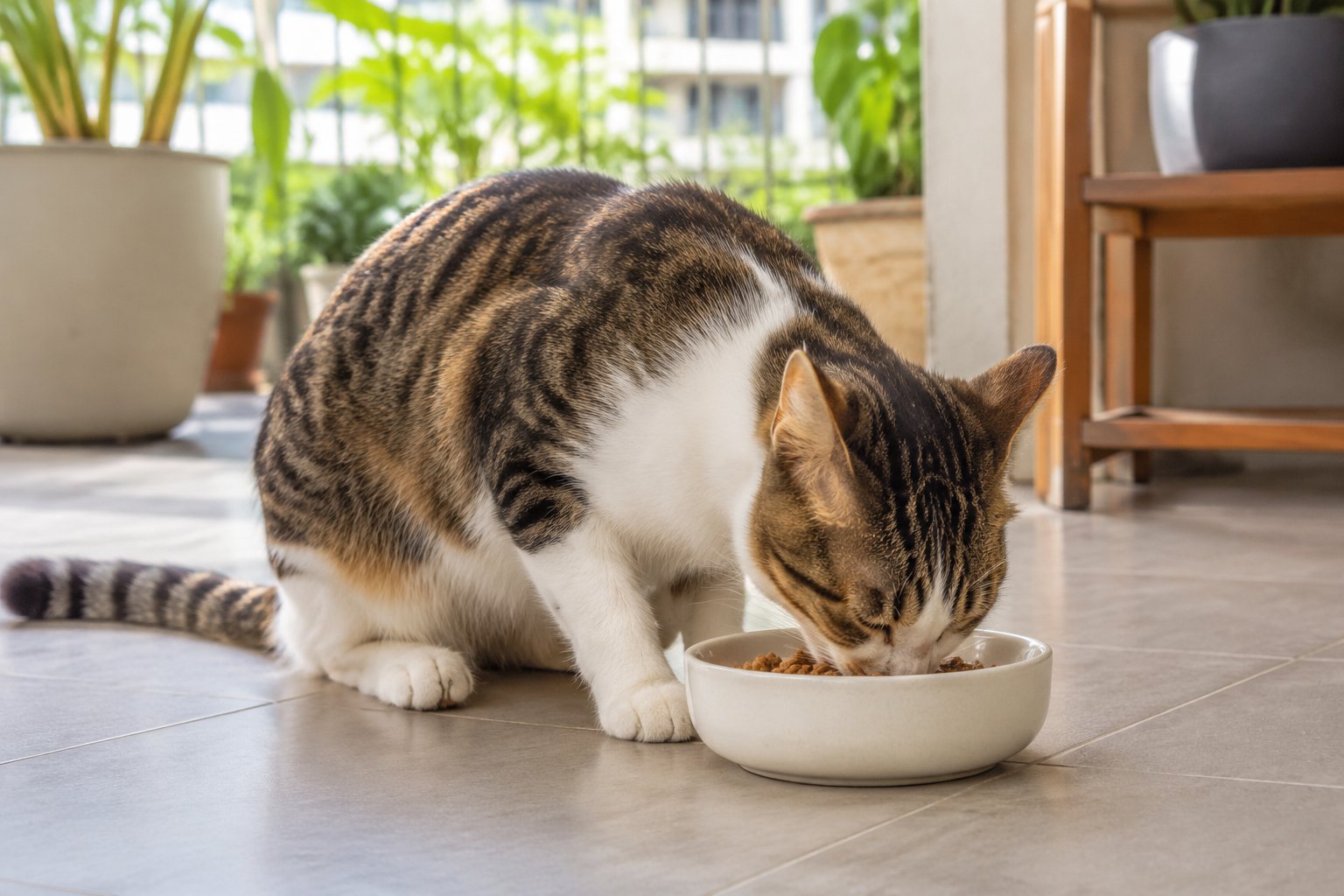
Why is my cat suddenly picky about food?
Picky eating is one of the most common complaints from cat owners, and it is rarely just stubbornness. Cats are naturally cautious eaters: they use smell and texture more than taste, they form strong habits early in life, and they are sensitive to stress and routine changes. A cat that turns its nose up at dinner may be reacting to a stale smell, a new bowl, a noisy household, a recent diet switch, or an early sign of illness.
The practical approach is to treat fussiness as information. Work through the likely causes in order, from the simplest environmental fixes to a veterinary check, rather than buying a new brand every week. This guide walks through the reasons cats refuse food, how to test new diets safely, texture and temperature tricks, feeding schedules, and the red flags that mean a vet visit rather than another food experiment.
The real reasons cats refuse food
Most picky behaviour falls into a handful of categories. Identifying which one applies to your cat saves a lot of wasted money on half-eaten cans.
1. Smell and freshness
Cats judge food largely by aroma. Wet food that has been open too long, dried out at the edges, or stored uncovered in the fridge can lose its appeal. Dry food absorbs odours and goes stale, especially in Malaysia's humid climate. A cat may happily eat a fresh can and refuse the same food the next day if it smells different.
2. Texture and shape preferences
Some cats prefer pate, others shreds, mousse, chunks in gravy or jelly. Some will only eat small kibble, others large. This is a genuine preference, not a phase. A cat that licks gravy and leaves the meat is telling you something about texture.
3. Sudden diet changes
Cats are neophobic, meaning they are wary of new things. Switching brands overnight often triggers refusal or stomach upset. A gradual transition over seven to ten days is kinder and more reliable.
4. Stress and environment
A new pet, a moved bowl, a loud renovation, a busy kitchen, or a bowl placed next to a litter box can all suppress appetite. Cats prefer quiet, predictable feeding spots with a clear view of the room.
5. Bowl and feeding method issues
Deep bowls can press on whiskers, and some cats dislike plastic or metal. Free-feeding leaves food sitting out for hours, which reduces freshness and removes any hunger signal.
6. Medical causes
Dental pain, gum disease, nausea, kidney disease, thyroid problems, gastrointestinal issues and arthritis can all make a cat eat less or become fussy. Any sudden change in appetite, especially in an older cat, deserves a vet check.
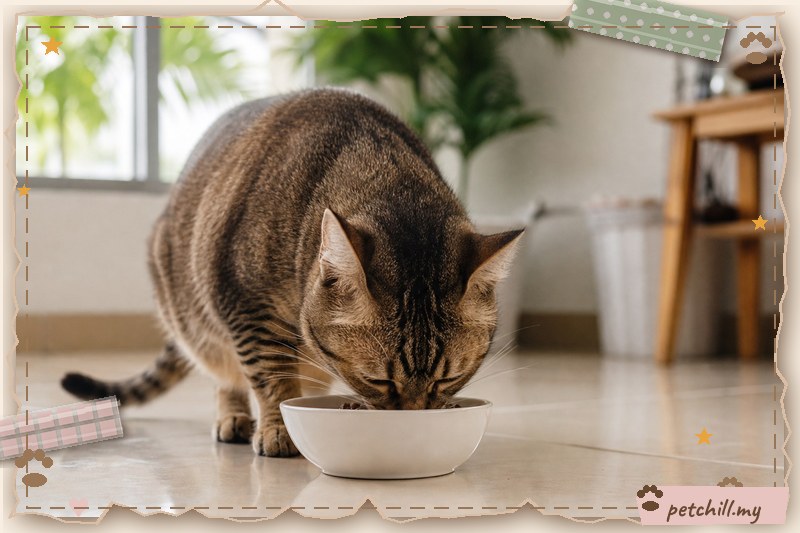
How to transition a picky cat to a new food
Slow transitions work better than cold-turkey switches. The goal is to let your cat accept the new food's smell and texture while keeping the meal familiar enough to eat.
A simple ten-day plan:
| Day | Old food | New food |
|---|---|---|
| 1 to 2 | 90% | 10% |
| 3 to 4 | 75% | 25% |
| 5 to 6 | 50% | 50% |
| 7 to 8 | 25% | 75% |
| 9 to 10 | 10% | 90% |
| Day 11 onward | 0% | 100% |
Practical tips for the transition:
- Mix thoroughly so the cat cannot pick out only the old food.
- Warm the mixture slightly to release aroma.
- Offer small portions so nothing is wasted if refused.
- Keep the old food available in tiny amounts if your cat skips a meal, but do not free-feed.
- If your cat refuses for more than a day during the transition, slow down and hold at the last accepted ratio.
- Keep a simple log of what was eaten, so you can spot patterns.
If your cat has a medical condition, ask your vet before changing diets, especially for kidney, urinary or gastrointestinal issues.
Texture, temperature and presentation tricks
Small adjustments often make the difference between a refused meal and a clean bowl.
Temperature
Warm wet food to roughly body temperature, around 37 to 38 degrees Celsius. This mimics fresh prey and boosts aroma. Add a spoonful of warm water, stir, or stand the pouch in warm water for a minute. Never microwave food until it is hot; stir well and test with your finger to avoid burns.
Texture
Try pate, mousse, shreds, chunks or flaked textures. Some cats prefer a smoother consistency, especially older cats or those with dental discomfort. Adding a little warm water to pate can make it easier to lick.
Toppers
A small amount of a strong-smelling topper can encourage eating: a little warm water from a can of tuna in spring water, a sprinkle of nutritional yeast, or a spoon of a familiar wet food. Use toppers sparingly so they do not become the only accepted food.
Bowl and placement
Use a shallow, wide bowl so whiskers do not touch the sides. Place it in a quiet corner away from litter and traffic. Some cats prefer eating off a flat plate. Try a few options and note what works.
Freshness
Serve small portions and remove uneaten wet food after about 20 to 30 minutes. In Malaysia's warm, humid weather, food spoils quickly, so do not leave wet food out for long periods.
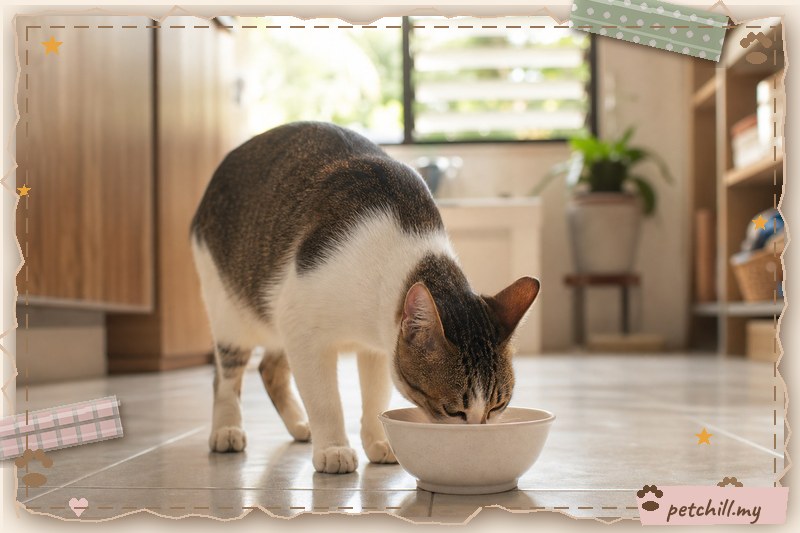
Feeding schedules and portion control
Routine is powerful for picky cats. Scheduled meals create hunger, keep food fresh, and make it easier to notice changes in appetite.
A typical adult cat routine:
- Two to four meals per day, depending on age and health.
- Measure portions using the food label as a starting point, then adjust to keep your cat at a healthy weight.
- Feed at consistent times.
- Remove uneaten wet food after 20 to 30 minutes.
- Keep dry food measured rather than topping up a bowl all day.
- Fresh water daily, ideally in a wide bowl or a fountain.
Kittens, pregnant cats, nursing mothers and senior cats have different needs, so ask your vet for a suitable feeding plan.
Common feeding mistakes that make pickiness worse
- Switching brands too often, which teaches a cat to wait for something better.
- Offering treats or toppers instead of meals when food is refused.
- Leaving wet food out all day in warm weather.
- Feeding in a noisy or high-traffic area.
- Using deep or dirty bowls.
- Ignoring weight loss or other signs of illness.
- Assuming fussiness is behavioural when it may be dental pain or nausea.
When to see a vet
Contact a veterinarian if your cat:
- Refuses all food for more than 24 to 48 hours.
- Is losing weight or looks thinner.
- Vomits, has diarrhoea, or shows nausea such as lip licking and drooling.
- Has bad breath, drools, or chews on one side, which can suggest dental pain.
- Drinks more or urinates more than usual.
- Hides, seems lethargic, or stops grooming.
- Is an older cat with a sudden change in appetite.
Cats can develop serious liver problems after several days of not eating, so prolonged refusal is urgent. Do not wait for a cat to 'get hungry enough' if it is unwell.
Malaysian context: humidity, apartments and multi-cat homes
Malaysia's climate and housing shape how you feed a picky cat. In a Kuala Lumpur apartment, storage space is limited and kitchens can be warm, so keep dry food in an airtight container in a cool cupboard and buy smaller bags that stay fresh. In a Johor terrace house, cats may have more space but also more distractions, so a quiet feeding corner away from the front door helps. During the rainy season, wet food left out spoils faster, so serve smaller portions and remove leftovers promptly. In multi-cat homes, feed cats separately so a bolder cat does not eat the picky cat's food.
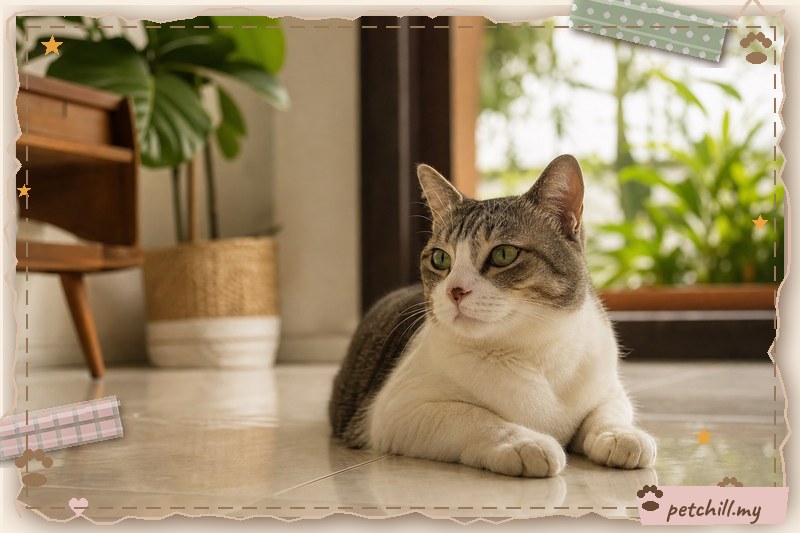
Quick checklist for a fussy eater
- Check freshness and storage.
- Warm the food slightly.
- Try a different texture.
- Use a shallow bowl in a quiet spot.
- Move to scheduled meals.
- Transition new foods over 7 to 10 days.
- Keep a food and appetite log.
- Rule out illness with a vet if refusal persists.
Related reading
- Cat Food Guide Malaysia 2026: How to Choose Dry, Wet & Prescription Food
- Best Food for Picky Cats in Malaysia: A Practical Feeding Guide
- Cat Care in Malaysia: A Complete Guide for New and Experienced Owners
- Food for Picky Cats in Malaysia: A Practical Feeding Guide
- How to Choose Food for Picky Cats: A Malaysian Guide
- How to Choose Homemade Cat Food for Cats: A Malaysian Guide
- How to Choose Urinary Care Cat Food for Cats: A Malaysian Owner's Guide
- How to Choose Weight Control Cat Food for Cats in Malaysia
- Urinary Care Cat Food: A Feeding Guide for Malaysian Cat Owners
- Urinary Care Cat Food for Cats in Malaysia: A Practical Guide
- Weight Control Cat Food Feeding Guide for Cats in Malaysia
- Weight Control Cat Food in Malaysia: How to Choose, Portion and Track Progress

