The short answer
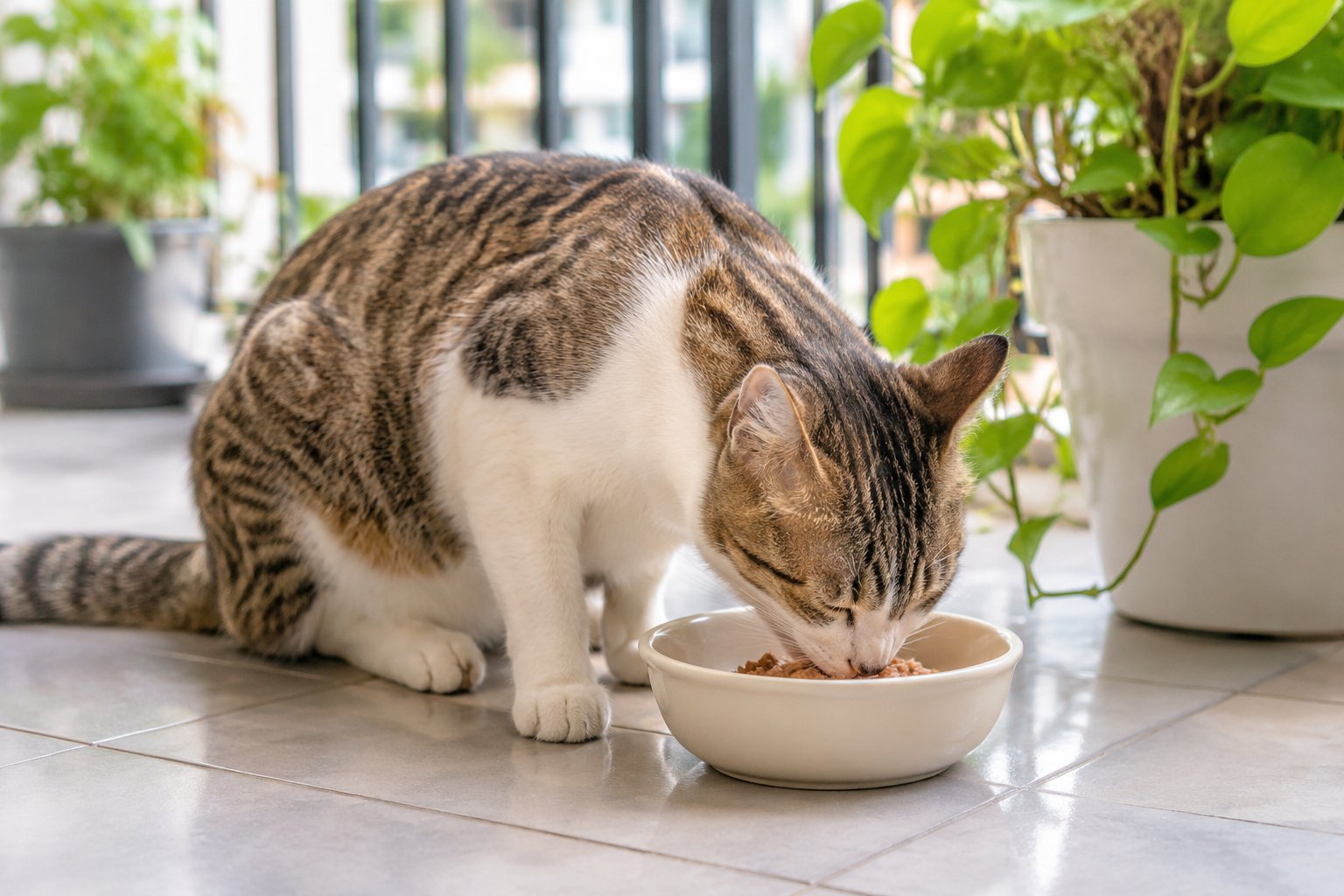
Homemade cat food can be excellent, but cats are not small dogs and they are not humans. A bowl of boiled chicken, steamed fish or plain mince is a treat, not a diet. A proper homemade cat food feeding guide for cats starts with one idea: every meal must be complete and balanced, not just fresh. If you want to cook for your cat, plan the recipe, the supplements, the portions and the storage before the first pot boils.
Why homemade food is riskier than it looks
Cats are obligate carnivores. They evolved to extract nutrients from animal tissue, and they have specific needs that plant-based or muscle-meat-only diets do not meet. The common home-cooking mistakes are predictable:
- Meat only, no calcium. Muscle meat is high in phosphorus and low in calcium. Without bone, eggshell or a calcium supplement, the ratio goes badly wrong.
- No organs. Liver supplies vitamin A and copper; heart is a natural source of taurine. Skipping organs leaves gaps.
- Taurine loss. Taurine is essential for cats. It degrades during cooking and during storage, so cooked recipes need a supplement.
- Too little fat. Cats use fat for energy and for absorbing fat-soluble vitamins. Very lean recipes are not automatically healthier.
- Random supplements. Adding a pinch of this and a scoop of that without matching the recipe can create new imbalances.
None of this means home cooking is impossible. It means the recipe has to be designed, not improvised.
What a balanced homemade cat diet must contain
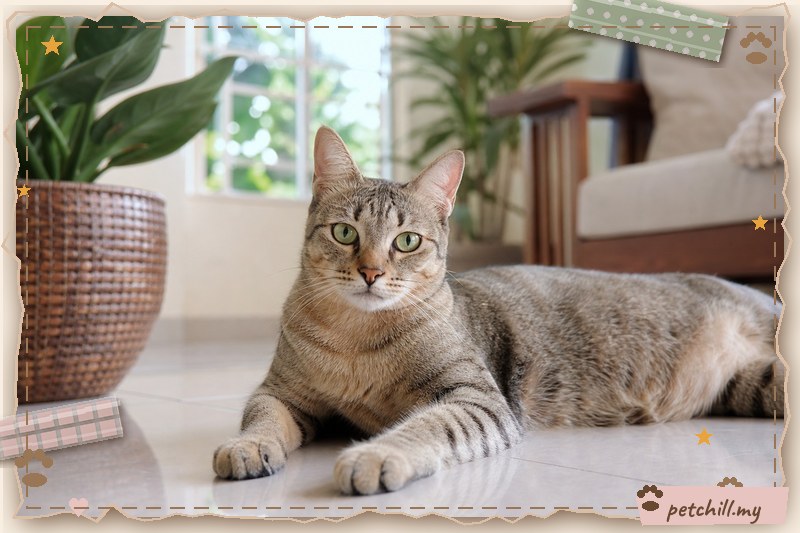
A complete recipe usually combines several building blocks. The exact amounts depend on your cat and the recipe, but the categories are consistent.
| Nutrient group | Why it matters | Typical homemade sources |
|---|---|---|
| Muscle meat | Protein, amino acids, energy | Chicken, beef, rabbit, fish, eggs |
| Organ meat | Vitamin A, copper, taurine, iron | Liver, heart, kidney (in controlled amounts) |
| Calcium source | Correct calcium-to-phosphorus ratio | Raw meaty bone, eggshell powder, calcium supplement |
| Taurine | Heart and eye health | Supplement, especially in cooked diets |
| Essential fats | Energy, skin and coat, vitamin absorption | Chicken skin, fish oil, animal fat |
| Vitamins and minerals | Iodine, vitamin E, B vitamins, trace minerals | Balanced supplement mix or recipe-specific additions |
| Water | Hydration and urinary health | Moist food, added water, fresh drinking water |
A useful rule of thumb is that a recipe should be built around a trusted formulation, not around what looks appetising. If you are adapting a recipe from the internet, check whether it specifies supplements by weight and whether it was reviewed by a veterinarian or a qualified pet nutritionist.
The calcium-to-phosphorus point
This is the single most common failure in homemade cat food. Meat is rich in phosphorus. If you feed only meat, the calcium-to-phosphorus ratio becomes inverted, which can affect bone health and kidney function over time. Bone, eggshell or a calcium supplement corrects it, but the amount must match the amount of meat in the recipe. Guessing is not safe.
The taurine point
Taurine deficiency in cats is linked to heart disease and eye problems. Cooking reduces taurine, and so does storage. A cooked homemade diet should include a measured taurine supplement. Freezing does not fully protect taurine either, so follow the recipe's storage and shelf-life instructions.
Cooked or raw? A practical comparison
Both cooked and raw homemade diets can be balanced. The right choice depends on your household, your cat's health and how disciplined you are about hygiene.
| Factor | Cooked homemade | Raw homemade |
|---|---|---|
| Bacterial risk | Lower, because heat kills most pathogens | Higher; strict sourcing and freezing needed |
| Parasite risk | Greatly reduced by cooking | Depends on meat source and freezing |
| Nutrient loss | Some taurine and vitamins lost; supplement | Nutrients preserved, but recipe still needs balancing |
| Storage in Malaysia's heat | Easier; refrigerate and reheat gently | Needs reliable freezer and fast handling |
| Household risk | Safer around children, elderly and pregnant people | Cross-contamination risk in shared kitchens |
| Preparation time | Longer cooking, easier cleanup | Faster to assemble, more hygiene work |
For many Malaysian households, cooked homemade food is the more practical starting point. Raw feeding is not wrong, but it demands more from the kitchen: separate boards, dedicated containers, a freezer that holds temperature reliably, and a source of meat you trust.
How to portion homemade cat food
Portioning is where enthusiasm often overshoots. A cat's stomach is small, and overfeeding fresh food is easy because it looks like a generous meal.
A common starting point for adult cats is about 2 to 4 percent of body weight per day. For a 4 kg cat, that is roughly 80 to 160 g of fresh food daily, split into at least two meals. Kittens, pregnant or nursing cats, and very active cats need more; sedentary indoor cats need less. Body condition is the real guide: you should be able to feel the ribs without pressing hard, and see a waist from above.
A simple daily routine might look like this:
- Morning: weighed portion of the balanced recipe, slightly warmed.
- Evening: second weighed portion.
- Water: fresh water available at all times; moist food helps, but it does not replace drinking water.
- Treats: keep them small and account for them; treats should not exceed about a tenth of daily calories.
Weigh food with a kitchen scale rather than estimating by eye. A few grams of difference matters more with supplements than with meat, but consistency helps you notice changes in appetite.
Building a weekly cooking and storage routine for Malaysia's climate
Malaysia's heat and humidity are the biggest practical challenge. Food spoils faster than in temperate countries, and a bowl left out attracts flies and bacteria.
A workable weekly routine:
- Plan the batch. Cook only what you can freeze or use within a few days.
- Shop cold. Buy meat last, keep it cold on the way home, and refrigerate or freeze promptly.
- Cook thoroughly if cooking. Poultry should be cooked through; avoid rare meat for cats in a home kitchen.
- Cool quickly. Spread the cooked food in a shallow container so it cools fast, then refrigerate below 4°C.
- Portion before freezing. Freeze in single-meal portions so you never thaw more than you need.
- Thaw in the fridge. Never thaw on the counter in Malaysian room temperature.
- Reheat gently. Warm to room temperature or slightly above; do not microwave to scalding, which damages nutrients and can burn your cat's mouth.
- Discard leftovers. Food left in the bowl for more than about an hour should go.
Label containers with the date and recipe. If you change supplements between batches, note it, so you can trace any change in appetite or stool.
Common mistakes and how to avoid them
- Feeding only chicken breast. Very lean, very low in calcium, and incomplete. Use a full recipe.
- Adding vegetables for bulk. Cats do not need large amounts of vegetables; they add little nutrition and can dilute a carefully balanced recipe.
- Using seasoning. Garlic, onion, shallots, salt and stock cubes are unnecessary and some are toxic. Cook plain.
- Assuming fish is enough. Fish can be part of a recipe, but a fish-only diet is unbalanced and some fish can affect thiamine if fed heavily.
- Skipping supplements because the food looks healthy. Fresh food can still be deficient.
- Changing recipes every week. Frequent changes make it hard to spot problems. Settle on a reviewed recipe and adjust with guidance.
- Feeding raw and cooked interchangeably without balancing. Both need to be complete if they form the diet.
A sample day of homemade feeding (illustrative only)
This is not a recipe; it is a structure to discuss with your vet.
- Breakfast: 60 g of a balanced cooked chicken-and-organ recipe with the specified calcium and taurine supplement.
- Dinner: 60 g of the same recipe, or an alternate balanced recipe rotated weekly.
- Treat: a small piece of plain cooked chicken, counted within the daily allowance.
- Water: fresh water in a clean bowl, refreshed at least twice daily.
For a 4 kg indoor cat, that is roughly in the 2 to 4 percent range. Your vet may adjust it up or down based on body condition, age and health status.
When homemade food is not the right choice
Home cooking is not ideal for every household. Consider commercial complete food, or a veterinary therapeutic diet, if:
- Your cat has kidney disease, diabetes, urinary problems, allergies or pancreatitis.
- You have a kitten, a pregnant or nursing queen, or a senior cat with health issues.
- Your household has limited fridge or freezer space.
- You cannot commit to weighing, supplementing and record-keeping.
- Your cat is a fussy eater who refuses variety, making balance hard to maintain.
A homemade diet can be part of managing some conditions, but only under veterinary supervision. Therapeutic home recipes are different from everyday home cooking.
When to see a vet
Contact a veterinarian if you notice:
- Weight loss or weight gain despite a steady diet.
- Poor coat, flaky skin or slow healing.
- Vomiting, diarrhoea or constipation that persists.
- Increased thirst or urination.
- Weakness, reluctance to jump, or changes in gait.
- A cat that stops eating for more than a day.
- Any suspicion that your cat ate onion, garlic, chocolate, xylitol or another toxin.
If you are starting a homemade diet, a pre-diet check-up and a recipe review are worthwhile. Bring your recipe, supplement labels and portion sizes. In Malaysia, your veterinarian can assess body condition and flag health issues before you change the diet.
Practical Malaysian contexts
In a Kuala Lumpur apartment, freezer space is often limited, so smaller, more frequent batches and single-meal freezing work better than a month's cooking in one go. In a Johor terrace house, a larger fridge and a wet kitchen make batch cooking easier, but the same rules apply: cool fast, refrigerate promptly and keep raw meat away from ready-to-eat food. During the Penang rainy season, higher humidity makes kitchen hygiene and quick chilling even more important.
Vet disclaimer
This guide is general information, not veterinary advice. Homemade diets must be tailored to your cat's age, weight and health. Consult a licensed veterinarian before making homemade food your cat's main diet, and do not use this article as a substitute for a personalised recipe.
Related reading
- Cat Food Guide Malaysia 2026: How to Choose Dry, Wet & Prescription Food
- Best High-Protein Cat Food in Malaysia: How to Choose (2025 Guide)
- Grain-Free Cat Food Feeding Guide for Cats: What Malaysian Owners Need to Know
- Grain-Free Cat Food for Cats in Malaysia: What It Is, Who It Suits, and How to Choose
- Homemade Cat Food for Cats in Malaysia: A Practical, Vet-Informed Guide
- How to Choose Homemade Cat Food for Cats: A Malaysian Guide
- Senior Cat Food in Malaysia: A Practical Feeding Guide for Older Cats
- Best Cat Milk for Cats in Malaysia: What to Buy and What to Avoid
- Best Grain-Free Cat Food for Cats in Malaysia: What to Look For
- Best Hairball Control Food for Cats in Malaysia: A Practical Buying Guide
- Best Homemade Cat Food for Cats in Malaysia: A Practical Vet-Informed Guide