Why chocolate is dangerous for cats
Chocolate contains two methylxanthines that are toxic to cats: theobromine and caffeine. Cats are more sensitive to these compounds than humans, and their smaller body weight means even small amounts can cause serious problems. Theobromine is the main culprit; it stimulates the heart and central nervous system and can lead to vomiting, diarrhoea, hyperactivity, tremors, seizures, and in severe cases, death.
The risk depends on the type of chocolate and the amount eaten. Dark chocolate and unsweetened baking chocolate contain much higher levels of theobromine than milk chocolate. White chocolate has very little theobromine but is still high in fat and sugar, which can cause pancreatitis and stomach upset. Cocoa powder is extremely concentrated and dangerous.
Cats are curious creatures, and they may investigate chocolate left on counters, in bags, or under the Christmas tree. Unlike dogs, cats are less likely to eat large amounts voluntarily because they lack sweet taste receptors, but they can still ingest chocolate accidentally while grooming or playing. Never assume your cat won't touch chocolate.
Common sources of chocolate in Malaysian homes
In Malaysia, chocolate is everywhere: festive seasons like Hari Raya, Chinese New Year, Deepavali, and Christmas bring chocolate gifts and hampers. Birthdays, office parties, and school holidays mean more treats around the house. Here are common sources to watch:
- Chocolate bars and blocks left on coffee tables or kitchen counters.
- Chocolate biscuits, cookies, and cakes in open containers.
- Chocolate-flavoured drinks and cocoa powder.
- Baking chocolate and cocoa powder used for home baking.
- Chocolate gifts in wrappers or boxes under the tree or on shelves.
- Chocolate ice cream and desserts in the freezer.
- Chocolate wrappers and foil that may still have residue.
- Chocolate-flavoured pet treats (avoid these entirely).
Even small amounts of cocoa powder spilled on the floor can be licked by a cat. Always clean up thoroughly.
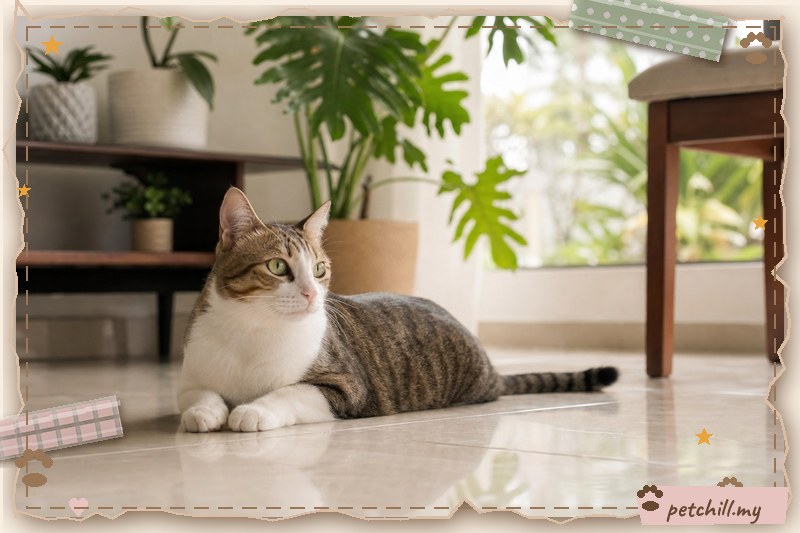
How to cat-proof your home: a room-by-room checklist
Prevention is about making chocolate inaccessible. Use this checklist to secure your home.
Kitchen
- Store all chocolate in sealed, hard plastic containers with tight lids. Cats can open some containers, so choose ones with locking clips.
- Keep chocolate inside closed cupboards, not on open shelves.
- Put cocoa powder and baking chocolate in a high cupboard, ideally behind a child-proof lock.
- Never leave chocolate on the counter to cool or thaw.
- Wipe counters and floors immediately after baking or handling chocolate.
- Secure rubbish bins with lids that cats cannot pry open. Empty bins frequently.
- Check that chocolate wrappers are not left in open bins or on surfaces.
Living room and dining area
- Do not leave chocolate bowls or hampers on coffee tables or dining tables.
- After festive gatherings, clear all chocolate immediately.
- Keep handbags and backpacks zipped and out of reach; cats may investigate chocolate inside.
- Store chocolate gifts in closed cupboards, not under the tree or on open display.
Bedroom and study
- Keep bedside snacks in sealed containers inside drawers.
- Do not leave chocolate in open desk drawers or on nightstands.
- Secure any chocolate-flavoured medications or supplements.
Outdoor and balcony
- If you have an outdoor cat enclosure, ensure no chocolate is accessible.
- Do not leave chocolate outdoors where cats roam.
- Secure compost bins; chocolate waste can attract cats.
General household rules
- Teach children never to feed cats chocolate or leave it within reach.
- Inform guests and domestic helpers about the danger.
- Keep chocolate out of reach during festive seasons and school holidays.
- Check toys and craft supplies for chocolate-scented items.
Safe storage and disposal
Proper storage reduces risk. Use airtight containers made of hard plastic or metal. Glass jars can break and cause injury. Label containers clearly. Keep chocolate in a high cupboard that cats cannot jump to, or in a locked cabinet if you have a determined cat.
Dispose of chocolate wrappers and leftovers in a closed bin immediately. Do not leave them in open bins or on counters. If you have a compost bin, ensure it is cat-proof. Rinse wrappers before disposal if they have chocolate residue.
When buying chocolate, choose quantities you will consume quickly. Avoid stockpiling large amounts during sales. If you receive chocolate gifts you don't want, store them securely or give them away promptly.
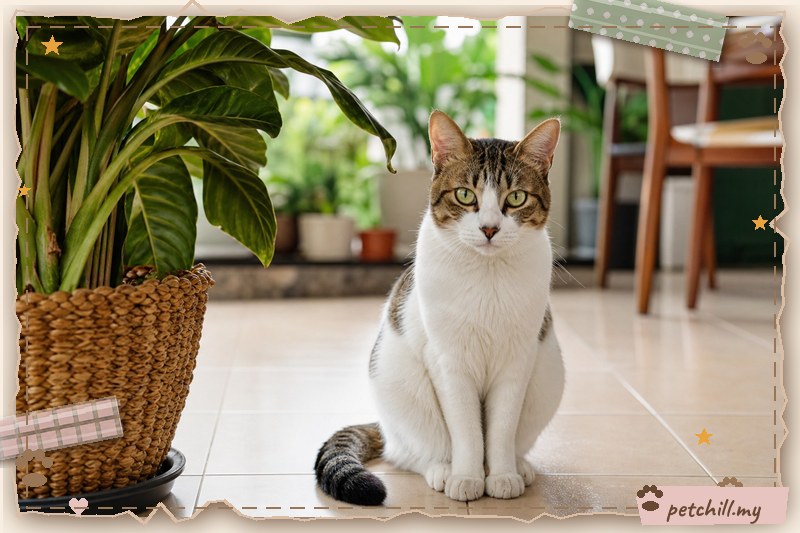
What to do if your cat eats chocolate
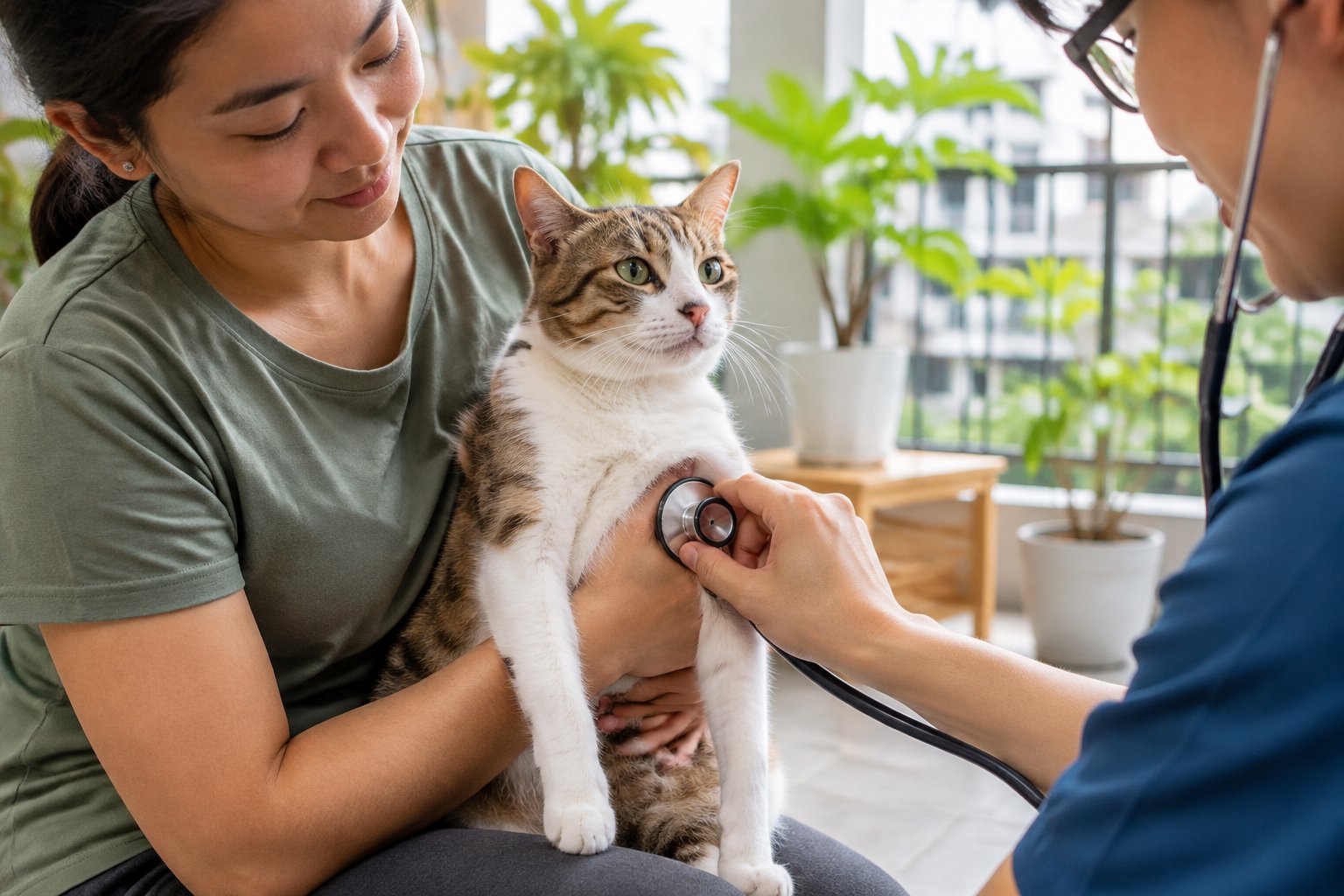
If you suspect your cat has eaten chocolate, act quickly. Call your veterinarian or an emergency animal clinic immediately. Do not wait for symptoms to appear. Have the following information ready:
- Type of chocolate (dark, milk, white, cocoa powder).
- Amount eaten (estimate if unsure).
- Time of ingestion.
- Your cat's weight and age.
- Any symptoms observed.
Do not induce vomiting unless your vet instructs you to. Some home remedies can be dangerous. Your vet may ask you to bring the packaging or a sample of the chocolate.
If your vet is closed, call an emergency clinic. Keep the number saved in your phone. In Malaysia, emergency vet services are available in major cities, but it's best to know your nearest option in advance.
Signs of chocolate poisoning in cats
Symptoms usually appear within 6 to 12 hours after ingestion, but can be faster with large amounts. Watch for:
- Vomiting and diarrhoea.
- Restlessness, hyperactivity, or pacing.
- Increased thirst and urination.
- Rapid breathing or panting.
- Increased heart rate or irregular heartbeat.
- Muscle tremors or twitching.
- Seizures.
- Collapse or coma in severe cases.
If you see any of these signs, seek veterinary care immediately. Early treatment improves the outcome.
Chocolate toxicity comparison table
| Type of chocolate | Theobromine level | Risk to cats | Notes |
|---|---|---|---|
| White chocolate | Very low | Low to moderate | High fat and sugar can cause pancreatitis; still unsafe |
| Milk chocolate | Moderate | Moderate to high | Common in gifts; small amounts can cause symptoms |
| Dark chocolate | High | High | Even small amounts can be dangerous |
| Baking chocolate (unsweetened) | Very high | Severe | Extremely toxic; seek vet immediately |
| Cocoa powder | Very high | Severe | Highly concentrated; dangerous even in tiny amounts |
| Chocolate-covered treats | Varies | Moderate to high | Depends on chocolate type and size |
This table is a general guide. Always consult your vet for specific advice.
Keeping cats safe during festive seasons
Festive seasons in Malaysia mean more chocolate in the home. Hari Raya, Chinese New Year, Deepavali, and Christmas bring hampers, gifts, and treats. Here are extra precautions:
- Designate a secure cupboard for chocolate gifts.
- Open hampers away from cats and dispose of packaging immediately.
- Inform guests not to feed cats chocolate or leave plates unattended.
- Keep cats out of the kitchen during baking and food preparation.
- After parties, do a quick sweep of floors and tables for dropped chocolate.
- Consider using baby gates to keep cats out of dining areas during gatherings.
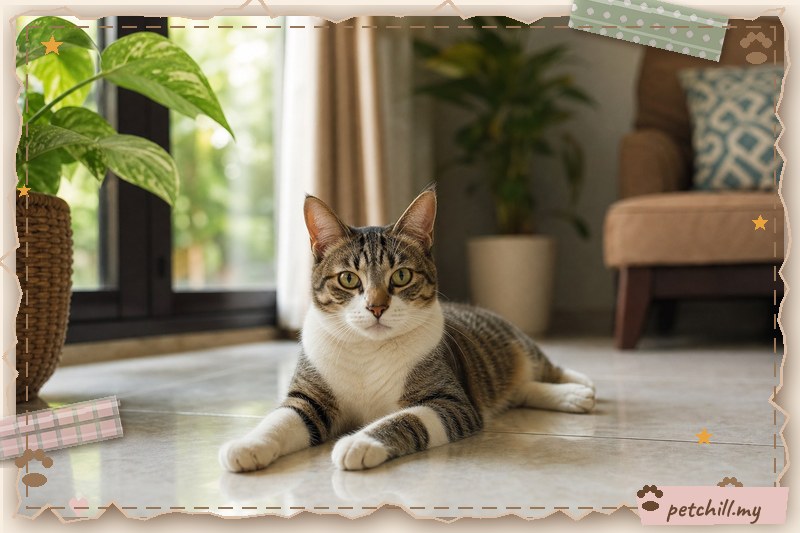
Educating children and guests
Children may not understand that chocolate is toxic to cats. Teach them from a young age:
- Never share chocolate with cats.
- Keep chocolate wrappers in the bin, not on the floor.
- Tell an adult immediately if a cat eats chocolate.
- Do not leave chocolate on beds or sofas.
Guests may not be pet owners and may not know the risks. Politely remind them not to feed your cat and to keep chocolate out of reach. Display a small sign in the kitchen if helpful.
When to see a vet
Seek veterinary care immediately if your cat has eaten chocolate or shows any of these signs:
- Vomiting or diarrhoea after possible chocolate ingestion.
- Restlessness, tremors, or seizures.
- Rapid breathing or heart rate.
- Collapse or weakness.
- Any known ingestion of dark chocolate, baking chocolate, or cocoa powder.
Do not wait for symptoms. Early intervention can save your cat's life. Call your vet or emergency clinic first; they may advise you to bring the cat in immediately.
Creating an emergency plan
Prepare for emergencies before they happen:
- Save your vet's number and the nearest emergency clinic's number in your phone.
- Keep a pet first-aid kit with basic supplies.
- Know the location of the nearest 24-hour vet clinic.
- Have a carrier ready for transport.
- Keep a record of your cat's weight and any medical conditions.
In Malaysia, emergency vet services are available in major cities like Kuala Lumpur, Penang, and Johor Bahru. Check ahead for opening hours and services.
Common myths about cats and chocolate
- Myth: Cats won't eat chocolate because they don't like sweet things. Fact: Cats lack sweet taste receptors, but they may still eat chocolate accidentally or out of curiosity.
- Myth: A little bit of chocolate is fine. Fact: Even small amounts can cause digestive upset, and dark chocolate is dangerous.
- Myth: White chocolate is safe. Fact: White chocolate is high in fat and sugar and can cause pancreatitis.
- Myth: Milk chocolate is not toxic. Fact: Milk chocolate contains theobromine and can cause symptoms, especially in small cats.
- Myth: Inducing vomiting at home is safe. Fact: Only do so under veterinary guidance.
Conclusion
Preventing chocolate poisoning in cats requires vigilance and good storage habits. Keep all chocolate in sealed containers inside closed cupboards, clean up promptly, and educate everyone in the household. Know the signs of poisoning and have your vet's number ready. With a few simple steps, you can keep your cat safe from this common household hazard.
Disclaimer: This article is for general information only and is not a substitute for professional veterinary advice. Always consult a licensed veterinarian for diagnosis and treatment of your pet.
Related reading
- Cat Health Guide Malaysia: Symptom Check, Red-Flag Triage & When to See a Vet
- Cat Licking Wounds: Why It Happens and How to Treat It in Malaysia
- Household Cleaning Products and Cats in Malaysia: A Safety Guide
- How to Prevent Electrical Cables Around Cats: A Practical Safety Guide for Malaysian Homes
- How to Prevent Lily Poisoning Around Cats: A Practical Safety Guide for Malaysian Homes
- How to Prevent Plastic Bags Around Cats: A Practical Safety Guide for Malaysian Homes
- How to Treat Trembling in Cats at Home: A Practical Malaysian Guide
- Open Windows and Cats in Malaysia: How to Keep Your Cat Safe Without Locking Up the House
- Plastic Bags and Cats in Malaysia: Why They're Dangerous and How to Keep Your Cat Safe
- Seizures Prevention for Cats: A Practical Guide for Malaysian Owners
- X-Ray for Cats Step by Step: What Malaysian Owners Should Expect