The short answer
Cats are fastidious groomers, so anything that lands on their paws, fur or whiskers is likely to be swallowed. Preventing household cleaning products around cats is mostly about three habits: choose gentler products, store everything securely, and rinse and dry surfaces before your cat returns. You do not need a sterile home; you need a routine that keeps concentrated chemicals away from curious noses and tongues.
This guide explains which ingredients deserve caution, how to clean room by room, how to store products in typical Malaysian homes, and when a vet visit is warranted. It is general information, not a substitute for veterinary advice.
Why cleaning products matter so much for cats
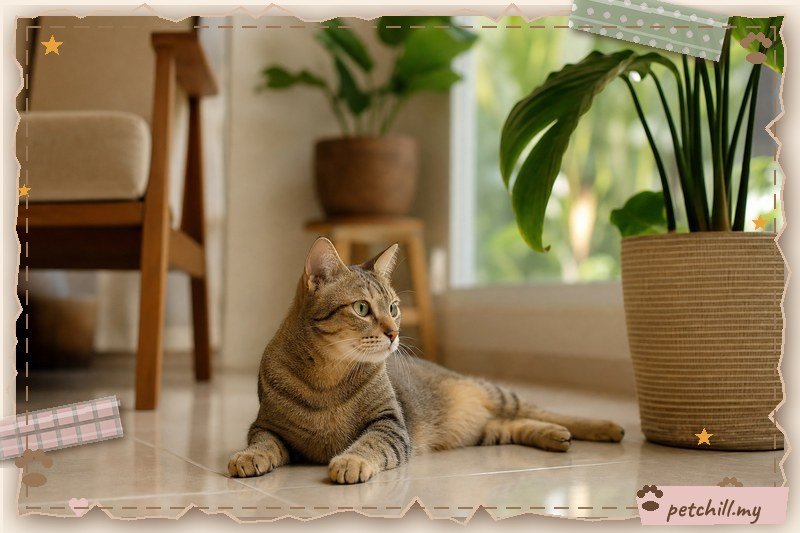
Cats have a small body size, a grooming habit that transfers residue from fur to mouth, and a liver that handles some chemicals differently from humans or dogs. A splash of concentrated cleaner on a paw can be licked off within minutes. Floor cleaners are a particular concern because cats walk on floors, lie on them, and sometimes drink from puddles or buckets.
Cats are also curious about spray bottles, mops and buckets. A bucket left with diluted cleaner can look like a water bowl. A mop head can become a chew toy. A spray bottle can be knocked over and leak onto a favourite sleeping spot.
The goal is not to ban cleaning. Good hygiene protects both people and pets. The goal is to reduce exposure: less concentrated product, better storage, thorough rinsing, and keeping cats out of wet areas until they are dry.
Know the ingredients that deserve extra caution
Not every cleaner is equally risky. The table below groups common ingredients by concern and gives practical alternatives. Always read the label; ingredient names vary by brand and country.
| Ingredient or product type | Why it matters for cats | Safer habit |
|---|---|---|
| Phenols (some pine, coal-tar and disinfectant cleaners) | Cats are particularly sensitive; can cause serious poisoning | Avoid phenol-based disinfectants; choose plain soap or a pet-safe cleaner |
| Bleach (sodium hypochlorite) | Irritant to paws, eyes and airways; toxic if licked in concentrated form | Dilute exactly as labelled, rinse well, keep cat away until dry |
| Quaternary ammonium compounds (many disinfectant sprays and wipes) | Can irritate skin and mouth; residue is easily licked | Use only where needed, wipe with clean water afterwards |
| Essential oils (tea tree, eucalyptus, citrus, peppermint, pine) | Cats process many oils poorly; diffusers and sprays add exposure | Avoid oil diffusers and oil-based cleaners around cats |
| Alcohol-based sprays and hand sanitiser | Irritant and risky if licked | Keep bottles closed; wipe surfaces with water after use |
| Concentrated laundry detergent and pods | Bright colours and smells attract cats; residue on bedding | Store pods in a closed container; rinse bedding thoroughly |
| Oven and drain cleaners | Strong corrosives; dangerous even in small amounts | Use when the cat is out of the room; ventilate and rinse |
| Air fresheners and scented candles | Airway irritation and scent overload | Prefer ventilation and unscented options |
If a product label says "keep away from children and pets", treat that as a direct instruction for your cat too. If you cannot find the ingredient list, choose a simpler product.
Choose products with cats in mind
You do not need a cupboard full of specialist products. A few simple choices reduce risk substantially.
- Plain soap and water handles most everyday cleaning of floors, counters and food bowls.
- Unscented or lightly scented cleaners are generally preferable to strong perfumes.
- Pet-safe labelled products can be useful, but read the ingredients rather than trusting the front label alone.
- White vinegar diluted in water is a common household option for some surfaces, but rinse afterwards and avoid using it as a substitute for proper disinfection where hygiene matters.
- Steam cleaning can reduce the need for chemical cleaners on hard floors and tiles, provided your cat is kept away from hot steam and wet surfaces.
- Microfibre cloths and water often clean glass, counters and tiles well without residue.
Avoid stocking up on concentrated disinfectants you do not need. Fewer bottles mean fewer opportunities for spills and accidental exposure.
Store products so cats cannot reach them
Storage is where many accidents are prevented. Cats can open low cupboards, squeeze behind appliances and climb shelves. Use the following checklist.
- Keep all cleaning products in a closed cabinet or high shelf, ideally with a child-proof latch.
- Never store cleaners under the bathroom sink or in low kitchen cupboards if your cat has access.
- Keep products in their original labelled containers; never decant into drink bottles or food jars.
- Store buckets, mops and brooms upside down and out of reach, and empty buckets after use.
- Secure rubbish bins with lids, especially in kitchens and bathrooms.
- Keep laundry pods and detergent in a closed container, not in an open basket.
- Put away spray bottles immediately after use; do not leave them on counters or floors.
- Keep cat food, water bowls and litter trays away from cleaning-product storage areas.
In small Malaysian apartments, storage space is limited. A high shelf in a utility area, a locked cabinet, or a closed storage box on top of a wardrobe can work better than a low under-sink cupboard. In terrace houses, garages and outdoor storage areas are common places for cleaners; make sure cats cannot slip into those spaces.
Clean room by room without exposing your cat
A room-by-room routine helps you keep track of where residue might remain.
Kitchen
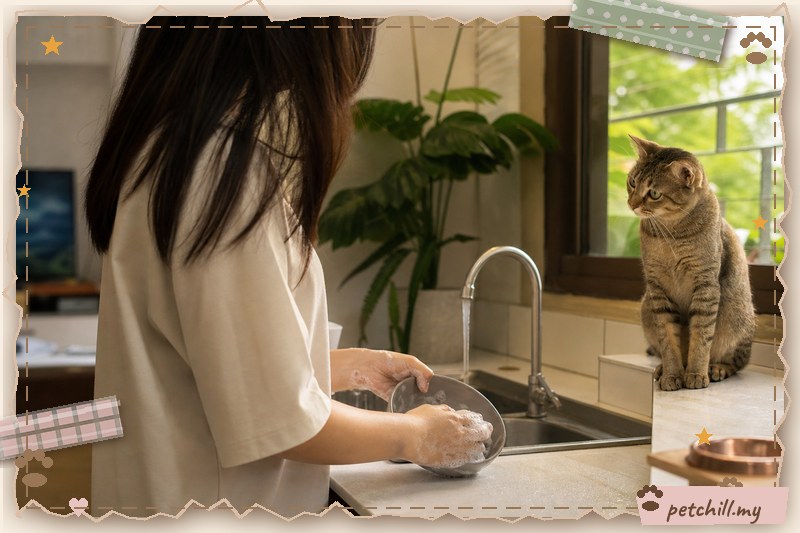
Clear counters of food and cat bowls before cleaning. Use plain soap or a diluted cleaner, then wipe with a clean damp cloth. Pay attention to stovetops, sinks and bin areas. Keep your cat out of the kitchen while you work, and do not leave wet counters or open dishwasher doors unattended. Dishwasher tablets and rinse aids should be stored in a closed cabinet.
Bathroom
Bathrooms are a common storage spot for strong cleaners. Move them to a high, closed cabinet. After cleaning the toilet, sink and shower, rinse surfaces and ventilate the room. Keep the toilet lid down, especially if you use toilet-bowl cleaner blocks, and keep your cat out until surfaces are dry.
Living areas and bedrooms
Dust and vacuum first, then use a minimal amount of floor cleaner. Rinse mops and buckets after use. If you use a carpet shampoo, keep your cat off the carpet until it is completely dry and follow the label's pet guidance. Avoid scattering scented powders or fresheners on carpets where cats lie.
Laundry area
Detergent residue on bedding and clothing can be licked during grooming. Use the recommended dose, choose a rinse cycle, and store pods and bottles closed. Clean the lint filter and wipe up spills promptly.
Balcony and outdoor areas
If you use cleaners, insect sprays or plant treatments on a balcony, keep your cat indoors during application and until surfaces are dry. Rinse pots and trays, and store products away from areas where your cat suns itself.
Build a simple cleaning routine
The order of steps matters as much as the product.
- Move your cat to a safe room with water, a litter tray and something familiar.
- Remove food, water bowls and toys from the area.
- Clean with the smallest effective amount of product.
- Rinse with clean water where the label allows, especially floors and food areas.
- Ventilate by opening windows and using fans.
- Wait until dry before letting your cat back in.
- Wash your hands and put products away immediately.
This routine takes a little planning but prevents the most common accidents: a cat walking through a wet floor, licking a mop, or drinking from a bucket.
Handle spills and accidents safely
If a bottle leaks or a bucket tips over, act quickly.
- Move your cat to another room immediately.
- Put on gloves if the product is strong.
- Absorb the spill with paper towels or cloths, then clean the area with water.
- Ventilate the room.
- Wash any cloths separately and dispose of contaminated paper towels in a closed bin.
- Check your cat's paws and fur; if contact occurred, wipe with plain water and watch for signs.
Do not use a strong cleaner to clean up another strong cleaner unless the label instructs it. Water and ventilation are often enough for small spills.
Keep cats away while you clean
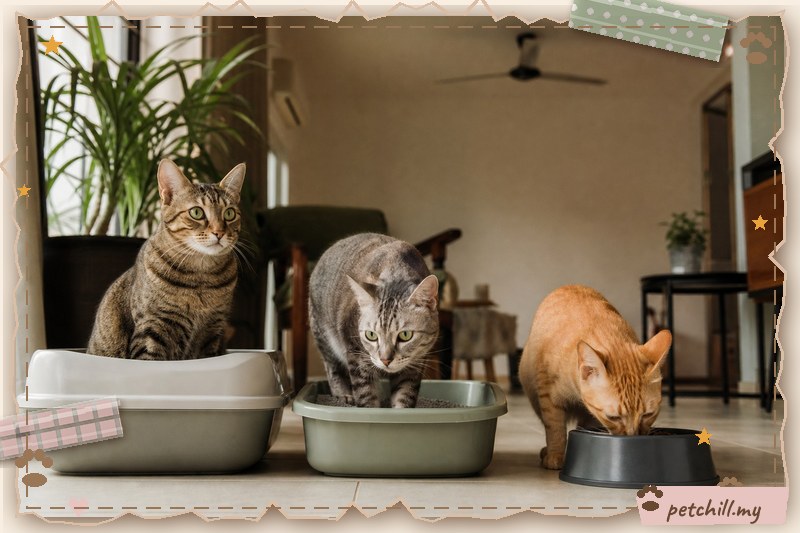
A safe room is your best tool. Set it up with water, a litter tray, a bed and a toy. Close the door and put a note on it if other family members might let the cat out. For cats that dislike closed doors, a large carrier or a quiet bedroom can work. Keep the safe room away from the cleaning area and from strong fumes.
If you cannot confine your cat, clean in stages and keep the cat with another person. Never leave a cat unsupervised in a room with open buckets, wet floors or drying surfaces.
Watch for signs of exposure
Even with care, accidents happen. Signs that a cat may have contacted or licked a cleaning product include:
- drooling or foaming at the mouth
- vomiting or diarrhoea
- pawing at the mouth or face
- red, irritated or swollen paws, skin or eyes
- wobbliness, weakness or unusual tiredness
- coughing, sneezing or breathing changes
- loss of appetite or hiding
Signs can be delayed. If you suspect exposure, note the product name and the amount involved, and contact a veterinarian. Do not induce vomiting unless a vet tells you to.
When to see a vet
Contact a veterinarian promptly if your cat:
- walked through or licked a concentrated cleaner, bleach, phenol disinfectant or essential oil
- is drooling, vomiting, wobbling or breathing abnormally after cleaning
- has red or painful paws, skin or eyes
- stops eating or hides after a cleaning session
- was exposed to oven cleaner, drain cleaner or another corrosive product
If possible, bring the product label or a photo of it. Do not wait for severe signs before seeking advice, especially with small cats, kittens or cats with existing health conditions.
A practical comparison: cleaning approaches and cat safety
| Approach | Cat-safety considerations | Best used for |
|---|---|---|
| Plain soap and water | Very low risk when rinsed | Everyday counters, floors, bowls |
| Diluted white vinegar | Low risk but rinse well; avoid eye contact | Some hard surfaces and glass |
| Pet-safe labelled cleaner | Read ingredients; still rinse where possible | Floors and general surfaces |
| Diluted bleach | Higher risk; dilute exactly, rinse, keep cat away until dry | Specific disinfection needs |
| Phenol disinfectant | Avoid around cats | Not recommended in cat households |
| Essential-oil cleaner | Avoid; oils can harm cats | Not recommended around cats |
| Steam cleaning | Low chemical risk; keep cat away from hot steam and wet floors | Tiles and hard floors |
Final thoughts
Preventing household cleaning products around cats is a habit, not a single product. Choose simpler cleaners, store everything securely, rinse and dry surfaces, and keep your cat in a safe room while you work. In Malaysian homes, where many living spaces are compact and humid, ventilation and prompt drying matter too. A little planning protects your cat and keeps your home clean.
Vet disclaimer: This article is general information for cat owners and does not replace professional veterinary advice. If you suspect your cat has been exposed to a cleaning product, contact a veterinarian or emergency animal clinic immediately.
Related reading
- Cat Health Guide Malaysia: Symptom Check, Red-Flag Triage & When to See a Vet
- Cat Constipation Treatment in Malaysia: A Practical Owner's Guide
- Cat Constricted Pupils Treatment in Malaysia: What to Do When Your Cat's Eyes Look Pinpoint
- Cat Coughing Treatment in Malaysia: Causes, Home Care & When to See a Vet
- Cat Diabetes Treatment in Malaysia: A Practical Owner's Guide
- Cat Diarrhea Treatment in Malaysia: A Practical Owner's Guide
- Cat Itching Treatment in Malaysia: A Practical Guide for Itchy Cats
- Cat Kidney Disease Treatment in Malaysia: A Practical Owner's Guide
- Cat Poisoning Treatment in Malaysia: What to Do, What to Expect, and How to Prevent It
- Cat Sneezing Treatment in Malaysia: What to Do and When to Worry
- Chocolate Poisoning and Cats in Malaysia: What Every Owner Should Know