
The short answer
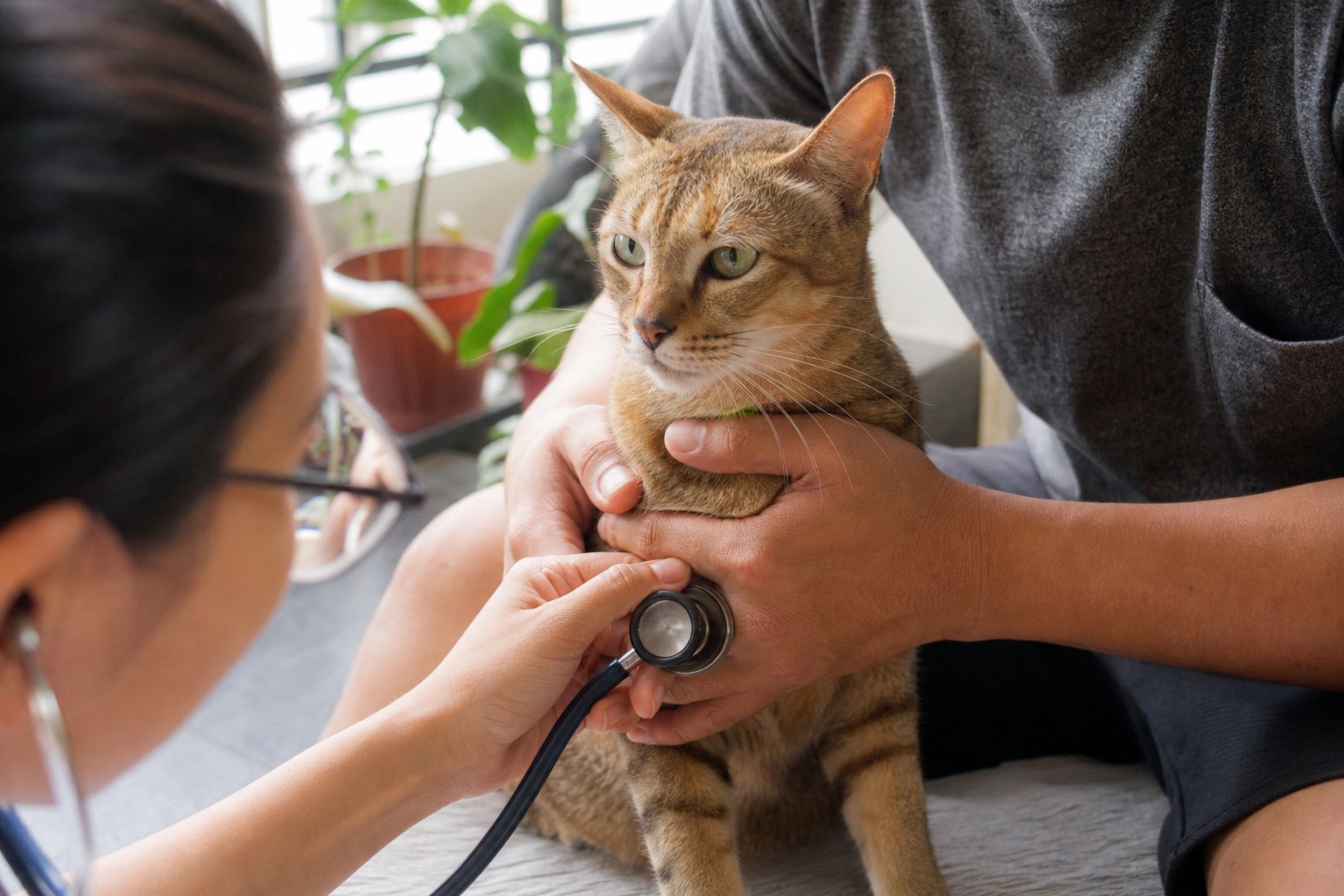
You cannot treat dental pain in cats at home in the sense of curing it. Dental pain usually comes from problems that need a vet: gum disease, broken teeth, tooth resorption, abscesses or ulcers. Home care can only keep your cat comfortable, fed and hydrated until professional treatment. The most important home rule is simple: never give human painkillers, because they can kill a cat.
This guide explains how to spot dental pain, what safe comfort measures look like, what to avoid, and when to seek help. It is written for Malaysian cat owners living in apartments, terrace houses and landed homes, where heat, humidity and busy routines all affect how quickly mouth problems are noticed.
Why dental pain is easy to miss
Cats are built to hide weakness. A wild cat that shows pain becomes a target, so domestic cats often keep eating long after their mouths hurt. Owners frequently notice bad breath first, then a gradual slowdown in eating, and assume the cat is just fussy.
Common causes of mouth pain include:
- Periodontal disease: plaque hardens into tartar, gums become inflamed, and teeth loosen.
- Tooth resorption: the tooth structure breaks down below the gumline, which is very painful.
- Fractured teeth: from chewing hard objects, falls or fights.
- Abscesses: infection at a tooth root, sometimes with facial swelling.
- Stomatitis: widespread, severe inflammation of the mouth, often in cats with certain viral infections.
- Foreign objects: a bone fragment or splinter stuck between teeth.
Many of these worsen slowly. By the time a cat drops food or cries while eating, the problem may be advanced.
Signs your cat may be in dental pain
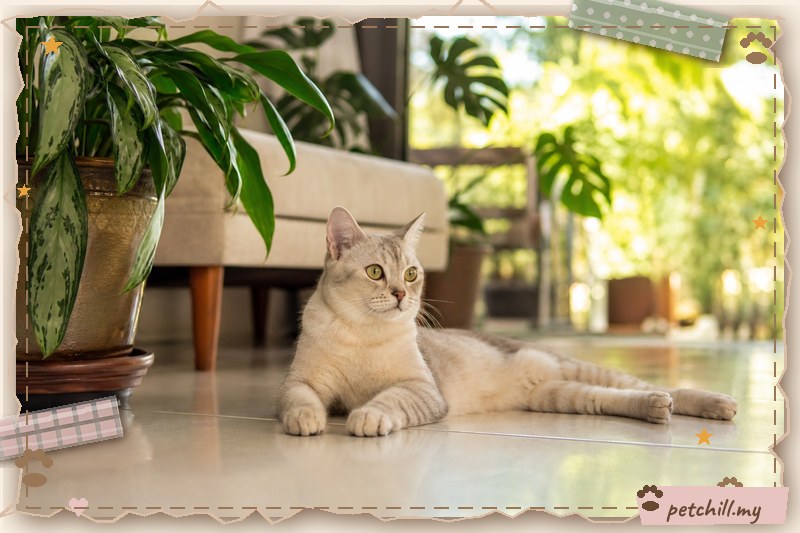
Look for clusters of small changes rather than one dramatic sign.
| Area | Warning signs |
|---|---|
| Eating | Dropping food, chewing on one side, swallowing without chewing, refusing hard food, eating slowly |
| Mouth | Bad breath, drooling, bleeding gums, red or swollen gums, brown tartar, loose teeth |
| Behaviour | Pawing the mouth, head shaking, flinching when the face is touched, hiding, irritability |
| Grooming | Reduced grooming, matted coat, especially around the chin and chest |
| General | Weight loss, reduced appetite, lethargy, sitting with the head lowered |
A cat that approaches food eagerly then walks away is a classic picture. So is a cat that suddenly prefers wet food after years of kibble. Neither means the cat is being difficult; both can mean chewing hurts.
Safe at-home comfort measures
These steps do not replace veterinary care. They reduce stress and support eating and drinking until your cat is seen.
1. Switch to soft, gentle food
Offer room-temperature wet food, pate texture or mashed with a little warm water. Some cats prefer small, frequent meals over one large bowl. Avoid bones, hard treats, dental chews and frozen items. If your cat will only lick gravy, that is still fluid and calories; mention it to your vet.
2. Keep water easy to reach
Painful mouths often mean reduced drinking, which risks dehydration. Place several water bowls in quiet spots, including one near your cat's resting place. Some cats prefer a wide, shallow bowl so their whiskers do not touch the sides. Running water from a pet fountain encourages some cats to drink more.
3. Provide a warm, quiet resting place
Pain is tiring. Give your cat a quiet room away from children, other pets and noise. A soft bed in a warm, dry spot helps. In air-conditioned Malaysian apartments, offer a blanket; in warmer rooms, ensure shade and airflow.
4. Handle the mouth gently, or not at all
Do not pry the mouth open to inspect if your cat resists. A painful mouth can make even a gentle cat bite. If you must look, do it briefly with good light and stop at the first sign of distress. Never use fingers to check for stuck objects.
5. Reduce stress around the house
Keep routines predictable, avoid loud gatherings near your cat, and separate cats that bully or compete for food. Stress lowers appetite, and a cat in pain already has a fragile appetite.
6. Keep a simple symptom diary
Note what your cat eats, how much, whether it chews on one side, and any drooling or weight change. This helps your vet enormously and helps you notice trends. Weigh your cat weekly if possible using a kitchen scale.
What never to do at home
Some well-meaning home remedies cause serious harm.
- Never give human painkillers. Paracetamol and ibuprofen are toxic to cats. Even a fragment of a tablet can cause severe poisoning.
- Never give human antibiotics. Wrong drugs, wrong doses and incomplete courses create resistance and hide the real problem.
- Do not use human mouthwash or antiseptic gels. They can be swallowed and are not formulated for cats.
- Do not pull teeth or cut tartar at home. This causes pain, bleeding and infection risk.
- Do not force-feed a cat that is choking, vomiting or unable to swallow. Seek urgent help.
- Do not rely on dental treats as treatment. They may help prevention in healthy mouths, not active pain.
If you suspect your cat has swallowed a human medicine, contact a vet immediately. Do not wait for symptoms.
Home dental care: prevention, not cure
Brushing remains the best prevention for gum disease, but it must be introduced gradually and only in a healthy, pain-free mouth. If your cat already has sore gums, stop and let a vet assess first.
A realistic prevention routine includes:
- Start with a soft finger brush and pet-safe enzymatic toothpaste.
- Brush a few teeth at a time, rewarding calm behaviour.
- Build to daily brushing if your cat tolerates it.
- Use vet-approved dental diets or chews only if your vet says they suit your cat.
- Book regular mouth checks, especially for cats over seven years old.
Prevention matters because dental disease is common and often progressive. It is far easier to maintain a healthy mouth than to reverse advanced disease.
When to see a vet
Seek veterinary care promptly if your cat shows any of these signs:
- Refusing all food or water for more than 24 hours.
- Facial swelling, especially around the cheek or under the eye.
- Bleeding from the mouth or a foul-smelling discharge.
- Drooling that soaks the chin or bedding.
- Crying, flinching or aggression when the head is touched.
- Weight loss, lethargy or hiding.
- A broken tooth with a visible pink or dark centre.
- A lump in the mouth.
Emergency signs include difficulty breathing, inability to swallow, collapse or suspected poisoning. In these cases, go to a veterinary clinic immediately rather than trying home care.
Your vet will examine the mouth, sometimes under sedation, and may recommend dental X-rays, cleaning, extraction or antibiotics. Pain relief will be prescribed appropriately for cats. Ask about aftercare, including soft food and restricted chewing during recovery.
A practical comparison: home care versus vet care
| Situation | Suitable home action | Vet needed? |
|---|---|---|
| Mild bad breath, eating normally | Brush if tolerated, offer dental diet, book check-up | Yes, routine |
| Dropping food, chewing on one side | Soft food, water, symptom diary | Yes, soon |
| Facial swelling or bleeding | Keep calm, avoid touching the mouth | Yes, urgently |
| Cat not eating or drinking | Offer soft food and water, monitor closely | Yes, urgently |
| Suspected poisoning | Do not induce vomiting | Yes, emergency |
Malaysian context: heat, humidity and daily routines
Malaysia's warm, humid climate supports bacterial growth, and mouth odour can become noticeable quickly. In a Kuala Lumpur apartment, a cat may spend most of the day alone while owners work, so subtle changes in eating are easy to miss. Setting a daily five-minute check, looking at the food bowl and watching your cat eat, catches problems earlier.
In a Johor terrace house, cats may roam between indoor and outdoor areas, increasing the chance of fights, falls and chewing on bones or hard objects. Inspect the mouth after any fight or fall, and keep rubbish and bones out of reach. During the Penang rainy season, cats may stay indoors more, eat less actively and become stressed by damp conditions; watch appetite and grooming closely during these weeks.
Local prices for dental cleaning, extractions and pain relief vary between clinics and states. Ask your vet for an estimate before treatment rather than relying on online figures.
Building a calm recovery plan
If your cat has dental treatment, recovery at home matters. Prepare a quiet room, soft bedding and a supply of soft food before the appointment. Follow the vet's instructions on medication timing and food restrictions. Do not allow chewing on hard toys during healing. Keep other pets separated if they might steal food or bother the recovering cat.
Monitor appetite, water intake, toilet habits and energy daily. A cat that is not eating within the timeframe your vet advises should be rechecked. Recovery is often rapid once pain is controlled, and many owners report a brighter, more affectionate cat within days.
Final thoughts
Dental pain in cats is common, often hidden and rarely cured at home. Your job is to recognise it early, keep your cat comfortable and fed, avoid dangerous human medicines, and get professional help. Soft food, fresh water, a quiet space and a symptom diary are sensible interim steps. A vet examination is the only way to find and fix the cause.
This article is general information and not a substitute for veterinary advice. Always consult a licensed veterinarian about your cat's health, medication and treatment.
Related reading
- Cat Health Guide Malaysia: Symptom Check, Red-Flag Triage & When to See a Vet
- Anemia in Cats in Malaysia: Signs, Causes, and What to Do
- Blood Test for Cats: What to Expect (Malaysian Owner's Guide)
- Cat Anemia Treatment in Malaysia: A Practical Owner's Guide
- Cat Coughing Treatment in Malaysia: Causes, Home Care & When to See a Vet
- Cat Dehydration Treatment in Malaysia: Signs, Home Care and When to See a Vet

