
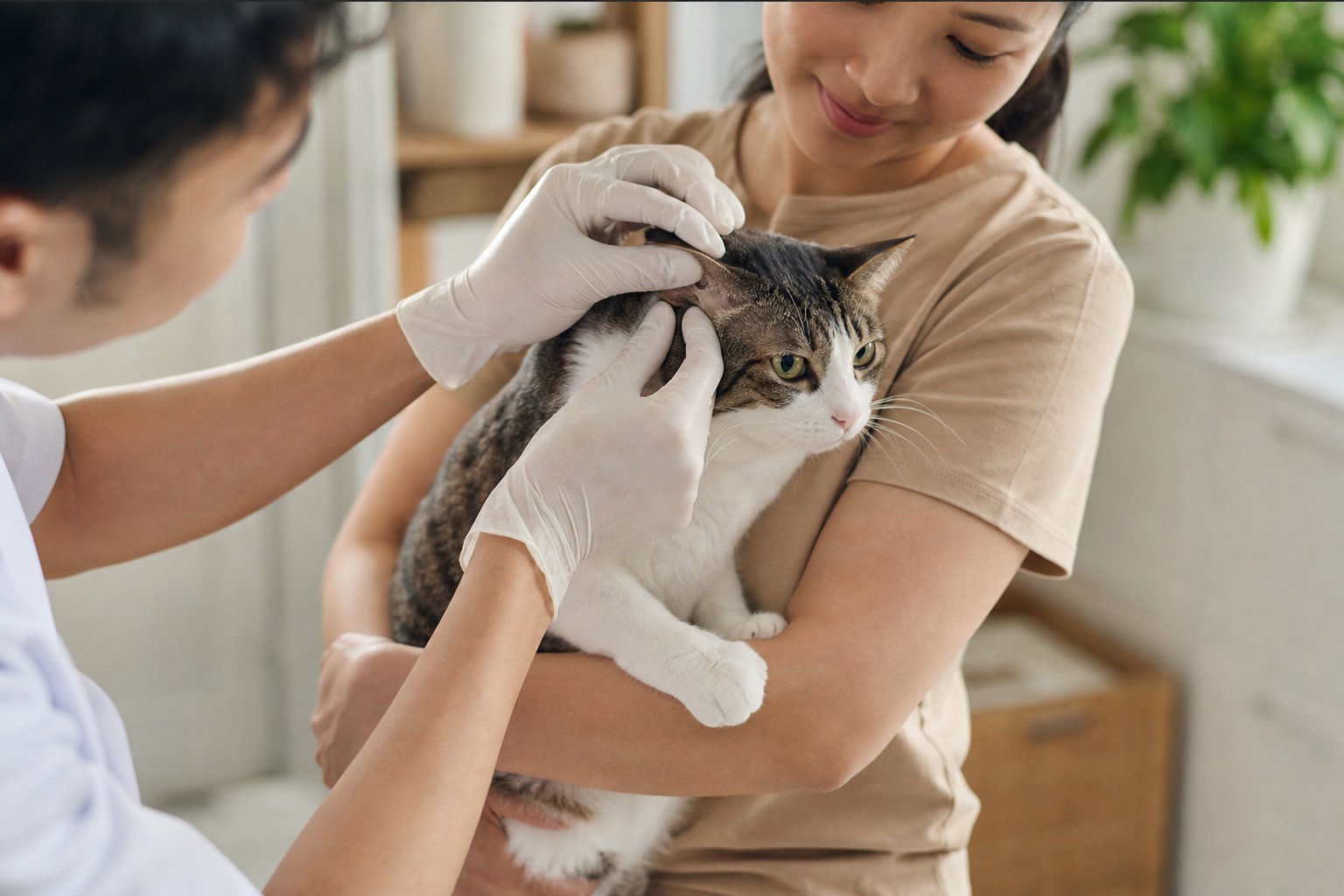
What counts as hair loss in cats?
Hair loss, or alopecia, means your cat is losing fur where it normally grows. It can be partial or complete, and it may affect one spot or the whole body. In Malaysia's warm, humid climate, cats shed more, but true bald patches are not just seasonal shedding. They often signal an underlying issue.
Normal shedding spreads hair evenly and your cat's coat still looks full. Problem hair loss shows visible skin, thinning areas, or bald spots. You might also see red skin, scabs, or excessive grooming. Knowing the difference helps you act early.
Recognising the signs: what to look for
Hair loss can appear in many ways. Here are the key signs:
- Bald patches: Round or irregular areas where the skin is visible. Common on the head, ears, flanks, or belly.
- Thinning coat: The fur looks sparse, and you can see the skin through it, especially along the back or sides.
- Symmetrical hair loss: Baldness on both flanks or the belly, often linked to over-grooming or hormonal issues.
- Excessive grooming: Your cat licks, chews, or scratches a spot repeatedly, sometimes until the skin is raw.
- Red, inflamed, or scabby skin: The skin under the bald area may be red, crusty, or have small bumps.
- Changes in coat texture: Fur may become greasy, dull, or matted.
- Increased hair around the house: More fur on furniture, floors, or in the brush than usual.
- Itching: Your cat scratches, bites, or rubs against furniture more often.
If you notice any of these, check your cat's body carefully. Part the fur to look at the skin. Take note of where the hair loss is and whether the skin looks healthy.
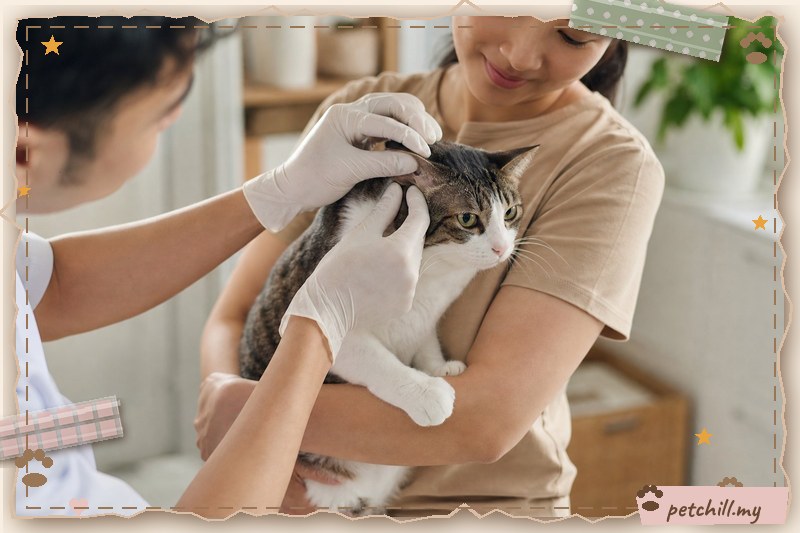
Common causes of hair loss in Malaysian cats
Malaysia's tropical climate creates specific challenges. Here are the most common causes vets see:
1. Parasites
Fleas, mites, and ticks thrive in warm, humid weather. Flea allergy dermatitis is a leading cause of hair loss, especially around the tail base and back. Mites (such as ear mites or mange mites) cause intense itching and hair loss on the ears, face, and body. Regular parasite control is essential.
2. Fungal infections (ringworm)
Ringworm is a fungal infection that causes circular bald patches, often with scaly, red edges. It's common in humid conditions and can spread to humans and other pets. If you see round patches with crusty borders, see a vet for a proper test.
3. Allergies
Cats can be allergic to flea saliva, certain foods, pollen, or household chemicals. Allergies often cause itching, leading to hair loss from scratching and biting. Food allergies may cause hair loss around the head and neck.
4. Over-grooming due to stress
Stress from changes in routine, new pets, or confinement can lead to compulsive grooming. Cats may lick their belly, flanks, or legs until the hair is gone. The skin may look normal but the hair loss is symmetrical.
5. Hormonal imbalances
Conditions like hyperthyroidism or Cushing's disease can cause hair loss, usually on the flanks and belly. These are less common but require veterinary diagnosis.
6. Poor nutrition
A diet lacking essential fatty acids or protein can lead to a dull coat and hair loss. Feeding a balanced, high-quality cat food helps maintain healthy skin and fur.
7. Pain or arthritis
Cats with joint pain may over-groom the painful area, leading to hair loss. This is more common in older cats.
How to check your cat at home
A simple home check can help you decide if you need to see a vet. Follow these steps:
- Examine the coat: Run your hands over your cat's body. Feel for bald spots, scabs, or bumps.
- Part the fur: Look at the skin underneath. Is it red, crusty, or greasy?
- Check for parasites: Look for fleas, flea dirt (black specks), or ticks. Check inside the ears for dark debris.
- Observe grooming habits: Is your cat licking or scratching more than usual? Are there bald areas where it can reach?
- Note the pattern: Symmetrical hair loss on the flanks suggests over-grooming. Circular patches suggest ringworm. Hair loss around the tail base suggests fleas.
- Look for other signs: Weight loss, increased appetite, or lethargy can point to underlying disease.
If you find any concerning signs, consult a vet. Early diagnosis makes treatment easier.
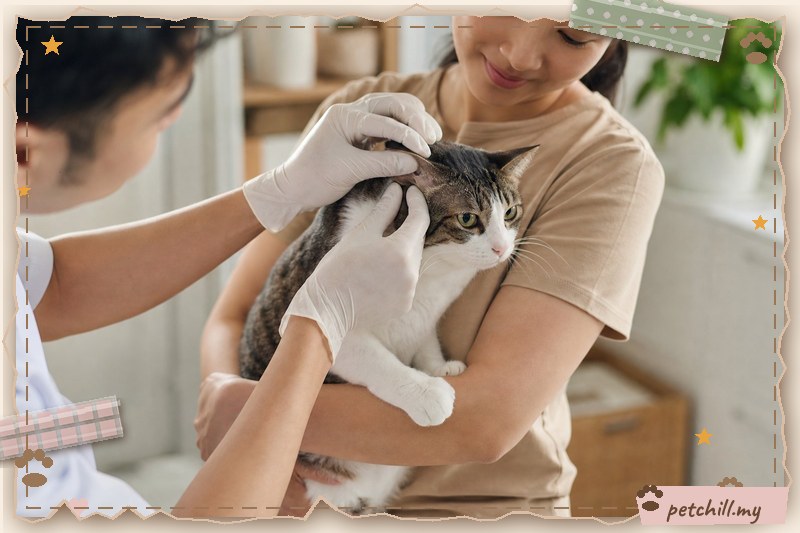
When to see a vet
See a vet if your cat has:
- Bald patches that are spreading or not improving
- Red, inflamed, or scabby skin
- Intense itching or scratching that disrupts daily life
- Hair loss accompanied by weight loss, increased appetite, or lethargy
- Circular patches with crusty edges (possible ringworm)
- Hair loss in multiple areas or on the whole body
- Signs of pain or discomfort when touched
- You are unsure of the cause
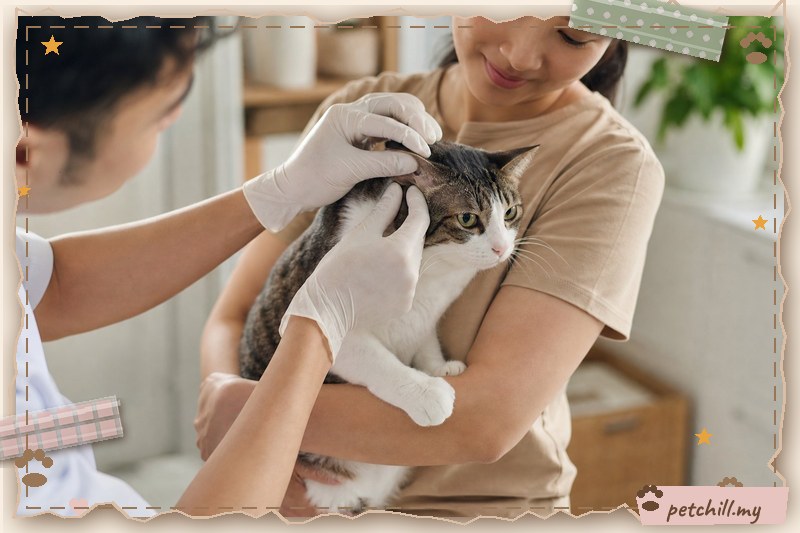
A vet can perform skin scrapings, fungal cultures, or blood tests to diagnose the problem. Never use human medications on your cat without veterinary advice.
Treatment and home care
Treatment depends on the cause. Here are general tips:
- Parasite control: Use vet-recommended flea and tick prevention. Treat all pets in the household.
- Fungal treatment: Ringworm requires antifungal medication, often oral or topical. Clean bedding and environment thoroughly.
- Allergy management: Identify and avoid allergens. Your vet may prescribe medication or a special diet.
- Stress reduction: Provide enrichment, safe spaces, and a routine. Consider pheromone diffusers.
- Grooming: Brush your cat regularly to remove loose fur and check for skin issues. In humid weather, keep the coat dry.
- Nutrition: Feed a balanced diet rich in omega-3 fatty acids. Ask your vet about supplements.
Always follow your vet's instructions and complete the full course of treatment.
Comparison table: normal shedding vs problem hair loss
| Feature | Normal shedding | Problem hair loss |
|---|---|---|
| Pattern | Even across body | Patches, bald spots, or symmetrical |
| Skin appearance | Healthy, normal colour | Red, scabby, crusty, or inflamed |
| Itching | None or mild | Often intense |
| Grooming | Normal | Excessive licking or scratching |
| Seasonality | Often seasonal (hot weather) | Can occur any time |
| Other signs | None | Weight loss, lethargy, appetite changes |
Preventing hair loss in Malaysian cats
Prevention is better than cure. Here's how to keep your cat's coat healthy:
- Regular grooming: Brush your cat weekly to remove loose fur and stimulate skin. This also helps you spot problems early.
- Parasite prevention: Use monthly flea and tick treatments. In Malaysia's climate, parasites are active year-round.
- Balanced diet: Choose high-quality cat food with adequate protein and fatty acids. Avoid cheap fillers.
- Clean environment: Wash bedding regularly and vacuum to reduce fleas and allergens.
- Manage stress: Provide scratching posts, toys, and vertical spaces. Keep routines stable.
- Vet check-ups: Annual vet visits help catch underlying issues early.
Local examples
In a Kuala Lumpur apartment, a cat may develop hair loss from stress due to limited space and noise. Providing a quiet corner and vertical climbing options can help. In a Johor terrace house, cats with outdoor access are more exposed to fleas and ringworm from the garden. Regular parasite control and checking paws and face after outdoor time are important. Penang's rainy season can increase humidity, making fungal infections more likely, so keep your cat's coat dry and clean.
Vet disclaimer
This article is for informational purposes only and does not replace professional veterinary advice. If you suspect your cat has a skin problem, consult a licensed veterinarian in Malaysia for diagnosis and treatment.
Related reading
- Cat Ringworm Treatment in Malaysia: A Practical Owner's Guide
- Cat Skin Fungus Treatment in Malaysia: A Practical Owner's Guide
- Cat Worms Treatment in Malaysia: A Practical Owner's Guide
- How to Treat Ringworm in Cats at Home: A Practical Guide for Malaysian Owners
- Ringworm in Cats in Malaysia: Signs, Treatment and Prevention

