
Quick answer
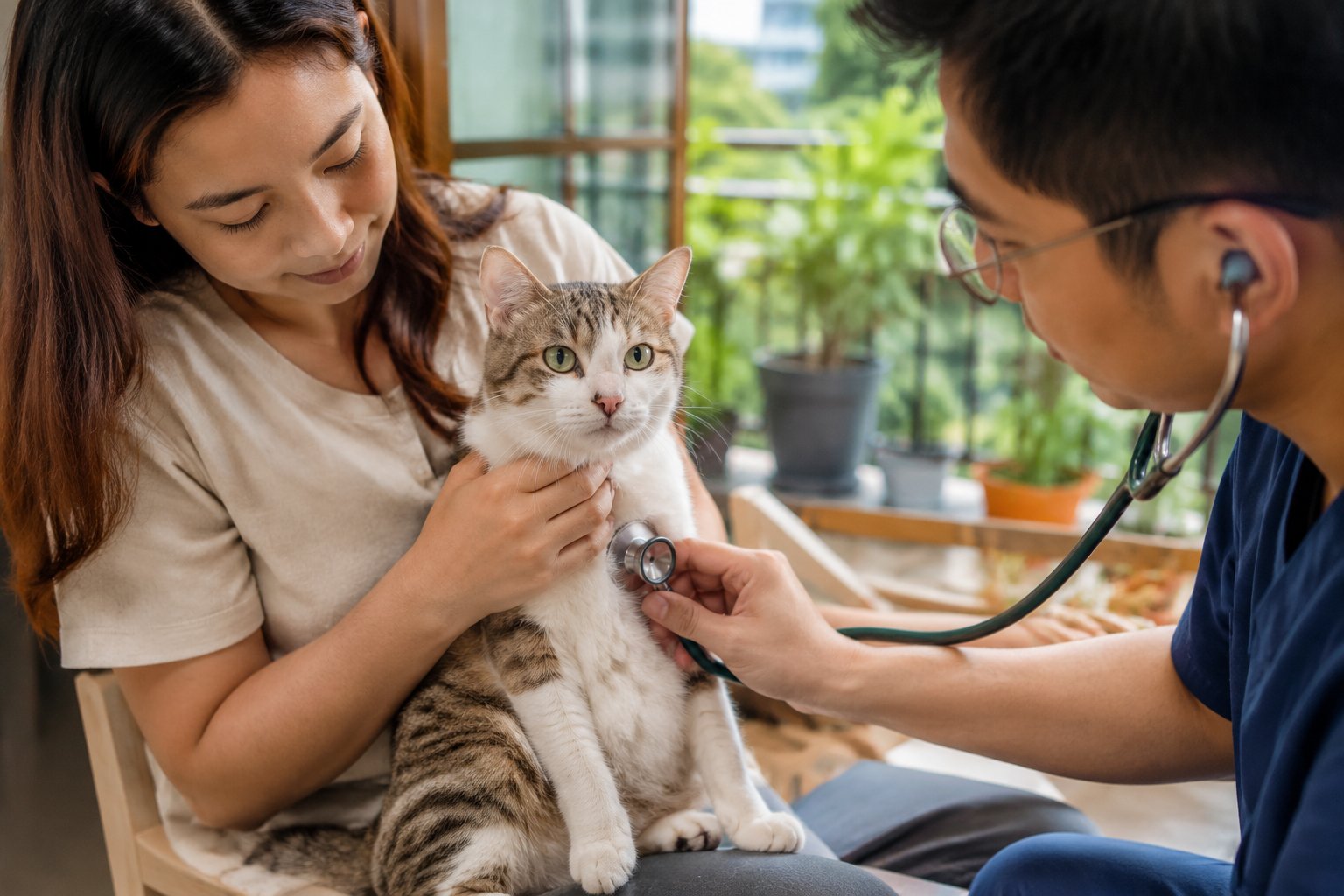
Signs of poisoning in cats include vomiting, drooling, tremors, weakness, pale gums, breathing difficulty, seizures and sudden behaviour changes. If you suspect poisoning, remove your cat from the source, do not induce vomiting unless a vet instructs, and contact a veterinarian immediately.
Why poisoning is easy to miss in cats
Cats are curious, groom themselves constantly, and often explore when we are not watching. A cat that walks through a spilled cleaner and then licks its paws has effectively ingested the chemical. A cat that nibbles a leaf from a bouquet may show no signs for hours. Because cats are small, even a tiny amount of a concentrated product can be dangerous.
Malaysian homes often combine indoor and outdoor living. A cat may roam a balcony, a garden, a wet market corridor or a parked car porch. That variety increases exposure to plants, pest control, vehicle fluids and discarded food. The challenge is that cats are good at hiding illness. By the time signs are obvious, the poison may already be causing organ damage.
This guide covers the common signs, the toxins most likely to be found in Malaysian homes and gardens, and a practical step-by-step response. It is general information, not a substitute for veterinary care.
The main signs of poisoning in cats
Poisoning signs depend on the toxin, the amount and the cat's size and health. Watch for clusters of signs rather than a single symptom.
Digestive signs
- Vomiting, sometimes with blood
- Diarrhoea or black, tarry stools
- Drooling or foaming at the mouth
- Loss of appetite
- Abdominal pain or a hunched posture
Nervous system signs
- Tremors or muscle twitching
- Seizures
- Wobbliness or inability to walk straight
- Head pressing or disorientation
- Dilated pupils or unusual eye movements
- Extreme sensitivity to touch or sound
Breathing and heart signs
- Fast, shallow or laboured breathing
- Blue or pale gums and tongue
- Coughing or wheezing
- Irregular heartbeat
Skin and coat signs
- Burns or redness around the mouth, paws or skin
- Excessive scratching or rubbing
- Hair loss or raw patches after contact with a substance
- Swelling of the face or paws
General signs
- Sudden weakness or collapse
- Lethargy or hiding
- Restlessness or pacing
- Excessive thirst or urination
- Jaundice, seen as yellow gums or skin
- Bleeding from the nose, gums or under the skin
A useful rule: any sudden change in behaviour or physical condition after possible exposure deserves a vet call. Do not wait for every sign to appear.
Common poisons in Malaysian homes
Human medicines
Paracetamol and ibuprofen are among the most dangerous medicines for cats. A single tablet can be serious. Keep all medicines in closed cabinets, not on bedside tables or in open bags. If a tablet drops, find it before your cat does.
Household cleaners
Bleach, drain cleaners, oven cleaners, disinfectants and concentrated floor cleaners can cause chemical burns and systemic illness. Cats walking on wet floors pick up residue on their paws. Rinse floors with clean water and keep cats away until dry. Never mix cleaning products, as some combinations release toxic fumes.
Pest control
Rat poison, insect sprays, ant baits and cockroach gels are common in Malaysian homes and shops. Rat poisons often contain anticoagulants that cause internal bleeding, sometimes days later. Secondary poisoning can occur if a cat eats a poisoned rodent. Use traps or professional pest control rather than loose bait, and store baits where cats cannot reach.
Plants
Many ornamental plants are toxic to cats. Lilies are especially dangerous and can cause kidney failure. Other common toxic plants include oleander, dieffenbachia, philodendron, sago palm and some types of ivy. Cats may chew leaves, lick pollen or drink vase water. Keep bouquets and indoor plants out of reach, and check plant names before bringing them home.
Food and drink
Chocolate, coffee, alcohol, onions, garlic, grapes and raisins are toxic to cats. Xylitol, a sweetener in some sugar-free products, is also dangerous. Spoiled food and mouldy leftovers can cause food poisoning. Secure bins and avoid leaving food out.
Garden and outdoor hazards
Fertilisers, weed killers, snail bait, antifreeze and vehicle fluids are toxic. Cats may walk through spills and groom themselves. Store these products in sealed containers and clean up spills immediately. In Malaysia's rainy season, runoff can carry chemicals across driveways and gardens.
Essential oils and diffusers
Some essential oils, including tea tree, eucalyptus and citrus oils, are toxic to cats. Diffusers and oil burners can expose cats through the air and through contact with surfaces. Use them in rooms cats cannot access, or avoid them altogether.
A comparison table of common toxins and their typical signs
| Toxin | Common source | Typical signs | Urgency |
|---|---|---|---|
| Paracetamol | Human pain relief | Brown gums, facial swelling, breathing difficulty, collapse | Emergency |
| Ibuprofen | Human pain relief | Vomiting, black stools, kidney injury, seizures | Emergency |
| Rat poison | Baits, poisoned rodents | Bleeding, pale gums, weakness, coughing blood | Emergency |
| Lilies | Bouquets, garden plants | Drooling, vomiting, lethargy, increased urination then reduced urine | Emergency |
| Bleach and cleaners | Floor and bathroom products | Drooling, mouth burns, vomiting, breathing irritation | Urgent |
| Chocolate | Snacks, baking | Vomiting, tremors, fast heart rate, seizures | Urgent to emergency |
| Onion and garlic | Table scraps, seasoned food | Weakness, pale gums, dark urine | Urgent |
| Grapes and raisins | Snacks, baked goods | Vomiting, lethargy, reduced urination | Urgent |
| Essential oils | Diffusers, massage oils | Drooling, wobbliness, low energy, breathing changes | Urgent |
| Antifreeze | Vehicle fluids | Wobbliness, vomiting, seizures, increased thirst | Emergency |
This table is a guide only. Signs can overlap, and some toxins cause delayed illness. Always confirm with a vet.
What to do if you suspect poisoning
- Remove your cat from the source. Move it to a safe, quiet area away from the substance, plant or fumes.
- Do not induce vomiting. Never give salt water, hydrogen peroxide or home remedies unless a vet tells you to. Some poisons cause more harm when vomited, and aspiration can damage the lungs.
- Call your veterinarian or an emergency clinic. Describe the product, the amount, the time and your cat's signs. Follow their instructions exactly.
- Collect evidence. Bring the packaging, plant sample, vomit or a photo. Note your cat's weight and any medicines it takes.
- Keep your cat warm and calm. Do not force food or water. Do not give milk, oil or charcoal unless instructed.
- Watch for worsening signs. Breathing difficulty, seizures, collapse or bleeding require immediate transport.
If you are unsure whether a substance is toxic, call anyway. Vets would rather answer a cautious question than treat a severe case later.
Prevention at home
- Store medicines, cleaners, pest control and vehicle fluids in closed cabinets.
- Keep cats out of rooms while cleaning and until floors are dry.
- Rinse mops and buckets after use.
- Check bouquets and indoor plants for lilies and other toxic species.
- Secure bins and compost, and avoid leaving food out.
- Use covered food storage and clean up spills promptly.
- Keep essential oil diffusers away from cats.
- Supervise balcony and garden time, especially after rain.
- Teach children not to feed cats human food or medicine.
When to see a vet
See a vet immediately if your cat has seizures, difficulty breathing, pale or blue gums, collapse, severe vomiting, bleeding, or suspected exposure to rat poison, lilies, paracetamol, ibuprofen or antifreeze. Even if your cat seems fine, call your vet for advice after any known exposure. Early treatment is often simpler and more effective than waiting for signs to worsen.
Vet disclaimer
This article provides general information only and is not a substitute for professional veterinary advice, diagnosis or treatment. If you suspect your cat has been poisoned, contact a licensed veterinarian immediately. Do not delay care based on information read online.
Related reading
- Cat Fever Treatment in Malaysia: What to Do When Your Cat Is Hot
- Cat Poisoning Treatment in Malaysia: What to Do, What to Expect, and How to Prevent It
- Cat Seizures Treatment in Malaysia: What to Do, Causes & Vet Care
- Cat Trembling Treatment in Malaysia: Causes, Home Care and When to See a Vet
- Heatstroke in Cats: Causes, Signs and Care (Malaysia Guide)
- Heatstroke in Cats in Malaysia: Signs, First Aid & Prevention
- Heatstroke Prevention for Cats in Malaysia: A Practical Owner's Guide
- How to Prevent Lily Poisoning Around Cats: A Practical Safety Guide for Malaysian Homes
- How to Prevent Paracetamol Poisoning Around Cats: A Malaysian Safety Guide

