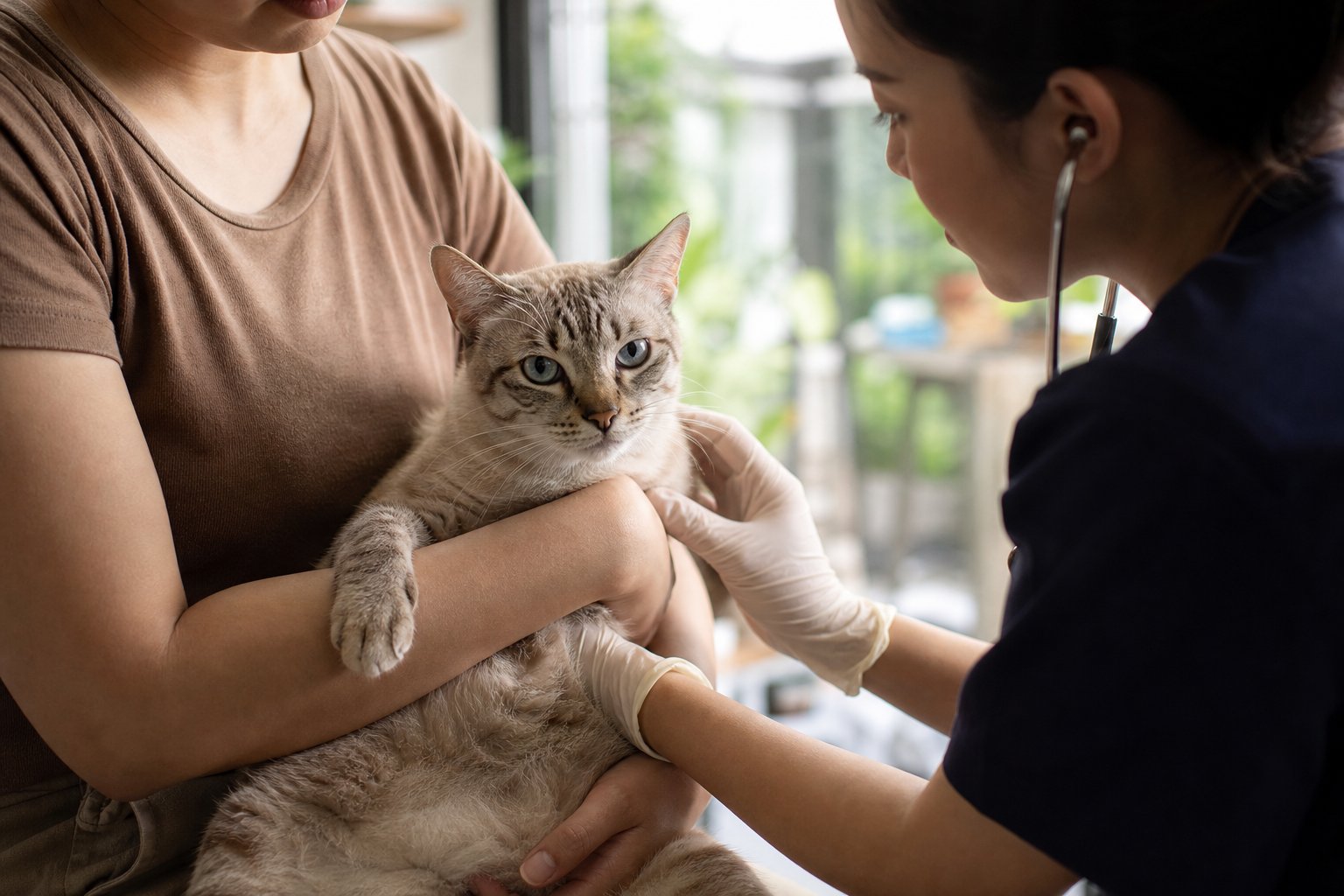
What is skin fungus in cats?
Skin fungus in cats is most commonly ringworm, also called dermatophytosis. Despite the name, it is not a worm but a fungal infection that affects the skin, hair and sometimes the claws. In Malaysia's warm, humid climate, fungal skin problems are a common reason cat owners visit the vet. Ringworm is contagious between animals and can also spread to people, so early recognition and proper treatment matter.
This guide explains the signs, how vets diagnose and treat ringworm, how to clean your home, and when to see a vet. It is written for Malaysian cat owners living in apartments, terrace houses and landed homes, where cats may share close quarters with family members and other pets.
How ringworm spreads and who is at risk
Ringworm spreads through direct contact with an infected animal or with contaminated objects such as bedding, brushes, furniture and carpet. Fungal spores can survive in the environment for months, which is why cleaning is as important as treating the cat.
Cats at higher risk include:
- Kittens and senior cats with weaker immunity.
- Long-haired breeds and cats with dense coats, where spores can hide.
- Cats living in multi-cat households or shelters.
- Cats that go outdoors or have contact with stray cats.
- Cats with skin wounds or underlying illness.
People can catch ringworm from cats. Children, the elderly and anyone with a weakened immune system are more susceptible. If a family member develops a ring-shaped, itchy rash, they should see a doctor and mention the cat's infection.
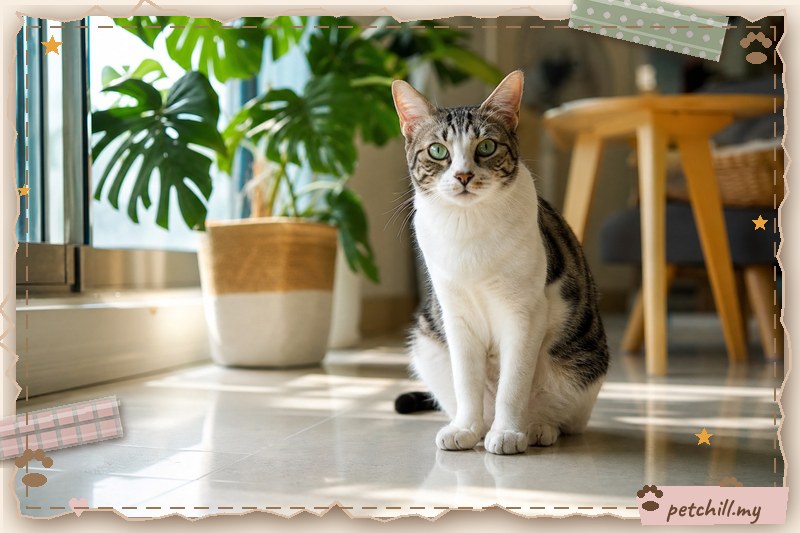
Signs of skin fungus in cats
Ringworm does not always look dramatic. Some cats are carriers with no obvious signs. Common signs include:
- Circular patches of hair loss, often with a scaly or crusty border.
- Broken or stubby hairs within the patch.
- Mild to moderate itching, though some cats do not itch much.
- Redness or darkening of the skin in affected areas.
- Lesions on the head, ears, face, paws or tail, though any area can be affected.
- Thickened, brittle or discoloured claws if the claws are involved.
- In severe cases, widespread crusting and secondary bacterial infection.
Because many skin conditions look similar, do not assume every bald patch is ringworm. Flea allergy, mites, bacterial infection and food allergy can cause similar signs. A vet can tell the difference.
Ringworm vs other skin problems: a quick comparison
| Feature | Ringworm (fungal) | Flea allergy | Mites (e.g. mange) | Bacterial infection |
|---|---|---|---|---|
| Typical look | Circular hair loss, scaly edge | Itchy rash, often over back and tail base | Crusting, sometimes ear or face involvement | Redness, pus, moist areas |
| Itch level | Variable, often mild | Usually intense | Often intense | Variable |
| Contagious to people | Yes | No | Some types yes | Rarely |
| Diagnosis | Fungal culture, lamp exam | Flea comb, history | Skin scraping | Cytology, culture |
| Main treatment | Topical and/or oral antifungal | Flea control | Mite-specific treatment | Antibiotics if indicated |
This table is a guide only. Your vet will confirm the diagnosis before prescribing treatment.
How vets diagnose ringworm
A vet may use several methods together:
- Wood's lamp examination. Some ringworm species fluoresce under ultraviolet light, but not all do, so a negative lamp exam does not rule out ringworm.
- Fungal culture. Hair and scale samples are placed on a special medium to grow the fungus. This is the most reliable test and can take one to three weeks.
- Microscopy. A vet may examine hairs or skin scrapings under a microscope for fungal spores.
- PCR testing. Some clinics offer molecular tests for faster results, though availability varies.
Your vet may also check for other conditions such as fleas, mites or bacterial infection, especially if the skin is very inflamed.
Treatment options for cats
Treatment depends on the severity, the cat's age and health, and whether other pets or people are affected. A typical plan combines topical therapy, oral medication when needed, and environmental cleaning.
Topical treatment
- Medicated shampoos, dips, creams or sprays may be prescribed. Never use human antifungal products unless your vet specifically approves them, as some ingredients are unsafe if licked.
- Clipping the coat around lesions may help in long-haired cats, but only by a vet or groomer experienced with ringworm, as clipping can spread spores.
- Lime sulfur dips are sometimes used, but they require careful handling and veterinary guidance.
Oral medication
- Vets often prescribe oral antifungal drugs for widespread or stubborn infections, or in multi-cat homes.
- These drugs require a prescription and monitoring. Some can affect the liver, so your vet may recommend blood tests.
- Never give human antifungal tablets to a cat. Dosages differ and some are toxic.
Treating the environment
- Vacuum carpets, furniture and floors frequently. Empty the vacuum bag or canister outdoors.
- Wash bedding, blankets and soft toys in hot water.
- Disinfect hard surfaces and grooming tools with a vet-approved product.
- Consider restricting the infected cat to an easy-to-clean area during treatment.
- Continue cleaning for several weeks after the cat is cleared, as spores can linger.
Managing other pets and people
- Check other pets for signs and ask your vet whether they should be tested or treated preventively.
- Keep infected cats away from children and immunocompromised family members.
- Wash hands after handling the cat or cleaning its area.
- Do not share brushes, bedding or food bowls between infected and healthy pets.
Living with ringworm in a Malaysian home
Malaysia's humidity can make fungal infections persistent, and close living quarters in apartments mean spores can spread easily. Here are practical tips for common Malaysian settings.
Kuala Lumpur apartment
In a high-rise apartment, space is limited and cats may share sofas and beds. Designate one room or a large bathroom as a temporary isolation area if your vet advises it. Wash soft furnishings often and vacuum daily if possible. Use a dehumidifier if the apartment feels damp, as fungi thrive in moisture. Keep the cat's bedding separate from family laundry.
Johor terrace house
In a terrace house with a garden or courtyard, an infected cat may roam between indoor and outdoor areas. Limit access to soft furnishings and wash outdoor cushions. Check other pets and family members for signs. If there are stray cats nearby, avoid letting your cat interact with them during treatment. Clean garden tools and shoes that may carry spores indoors.
Penang rainy season
During the rainy season, dampness indoors rises. Dry bedding thoroughly, ventilate rooms when possible, and address any leaks. If your cat has a history of skin problems, regular grooming and vet checks can help catch flare-ups early.
Prevention: reducing the risk of ringworm
You cannot eliminate all risk, but you can lower it:
- Keep your cat's coat clean and brushed, and check the skin weekly.
- Maintain good flea control, as scratching can damage skin and invite infection.
- Feed a balanced diet and keep up with vet check-ups, especially for kittens and senior cats.
- Avoid contact with stray cats, especially those with visible skin lesions.
- Wash hands after handling unfamiliar animals.
- Clean and disinfect grooming tools and bedding regularly.
- If you adopt a new cat, ask about its health history and consider a vet check before introducing it to other pets.
When to see a vet
See a vet if your cat has:
- Circular patches of hair loss, scaling or crusting.
- Persistent itching or scratching that causes sores.
- Lesions that spread or do not improve.
- Thickened or discoloured claws.
- Signs of secondary infection such as pus, swelling or pain.
- Ringworm in a household with children, elderly or immunocompromised people.
- Any skin problem in a kitten or a cat with other health issues.
Do not wait for home remedies to work. Early diagnosis and treatment reduce suffering and lower the risk of spread to people and other pets.
Frequently asked questions
Is skin fungus in cats contagious to humans? Yes. Ringworm is zoonotic. Wash hands after handling the cat, avoid sharing bedding, and see a doctor if you develop a ring-shaped rash.
How do I know if my cat has ringworm or just dry skin? Ringworm often causes circular hair loss with scaly edges. Dry skin usually lacks distinct circular lesions. Only a vet can confirm with a culture or lamp exam.
Can I treat my cat's ringworm at home? Do not use human antifungal creams without veterinary advice. Some are toxic to cats if licked. A vet will recommend cat-safe treatment.
How long does ringworm treatment take in cats? Treatment usually lasts several weeks to a few months. Vets often recheck with repeat cultures before stopping medication.
Should I bathe my cat during ringworm treatment? Only if your vet recommends it. Medicated baths can help, but the product and frequency must be vet-approved. Never use human shampoos.
How do I clean my home after a cat has ringworm? Vacuum and damp-mop regularly, wash bedding in hot water, disinfect hard surfaces with a vet-approved product, and continue cleaning for weeks after treatment ends.
Vet disclaimer
This article is for general information only and is not a substitute for professional veterinary advice. Skin conditions can look alike, and treatment must be tailored to your cat. Always consult a licensed veterinarian for diagnosis and treatment. If a person in your household develops a skin rash, consult a doctor.
Local resources
For general pet care and welfare information in Malaysia, you can refer to the Department of Veterinary Services Malaysia and SPCA Malaysia. For animal passport and travel-related questions, see the DVS animal passport portal. These resources do not replace a consultation with your vet.
Related reading
- Breathing Difficulty Prevention for Cats: A Practical Malaysian Guide
- Cat Breathing Difficulty Treatment in Malaysia: What to Do and What to Expect
- Cat Ringworm in Malaysia: Signs, Treatment and Home Cleaning Guide
- Cat Urinary Blockage Treatment in Malaysia: What to Do, Step by Step
- Constipation in Cats: Causes, Care and When to See a Vet in Malaysia