
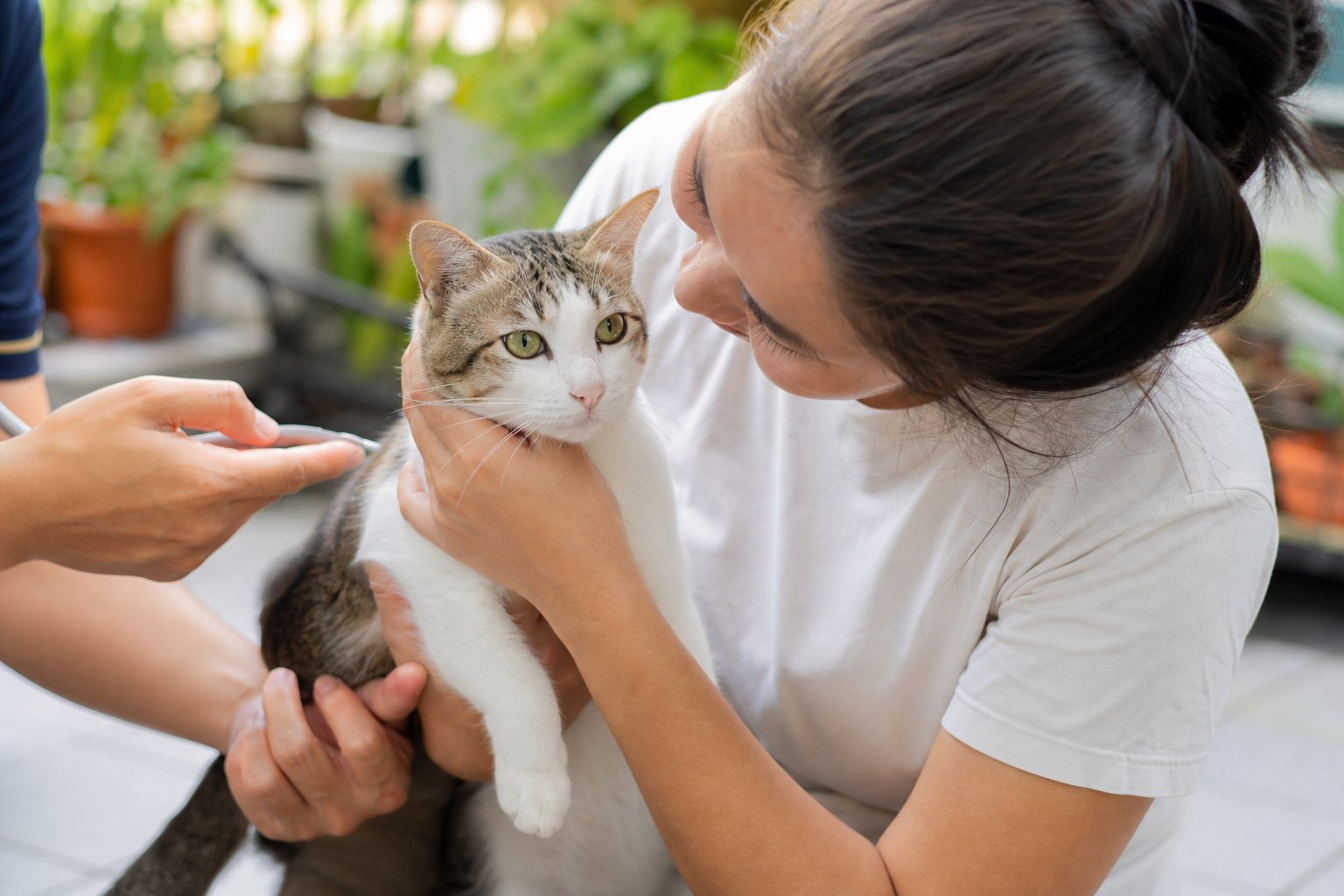
Why Does My Cat Sneeze Blood?
Sneezing is a normal reflex that helps clear irritants from a cat's nasal passages. But when a sneeze brings up blood, it's a sign that something is irritating or damaging the delicate lining of the nose or respiratory tract. While it can be alarming to see, it's not always a medical emergency—but it does warrant attention.
In Malaysia, cats are exposed to a range of environmental factors that can contribute to nasal problems, from dust and haze to infectious diseases. Understanding the causes and taking preventive steps can help keep your cat's nose healthy.
This article explains the common reasons cats sneeze blood, how to prevent it, and when to seek veterinary care. We'll also cover practical tips for Malaysian cat owners, from litter choices to vaccination schedules.
Common Causes of Bloody Sneezes in Cats
Blood in a cat's sneeze can originate from the nasal passages, sinuses, or lower respiratory tract. Here are the most frequent causes:
1. Nasal Infections
Upper respiratory infections (URIs) are common in cats, especially in multi-cat households or shelters. Viruses like feline herpesvirus and calicivirus, as well as bacteria such as Bordetella and Chlamydia, can inflame the nasal lining, causing it to bleed when the cat sneezes repeatedly.
Prevention: Keep vaccinations up to date. The core vaccines for cats include feline herpesvirus, calicivirus, and panleukopenia. In Malaysia, talk to your vet about a vaccination schedule suited to your cat's lifestyle.
2. Foreign Bodies
Cats are curious creatures, and small objects like grass seeds, blades of grass, or bits of litter can get lodged in the nose. This causes irritation and bleeding. If your cat is sneezing violently and pawing at its nose, a foreign body is possible.
Prevention: Keep your cat indoors, especially if you have a garden with tall grass. Avoid letting your cat play with small objects that could be inhaled.
3. Dental Disease
Severe periodontal disease can lead to abscesses that erode into the nasal cavity, causing bloody discharge. Cats with dental pain may also sneeze more frequently.
Prevention: Regular dental check-ups and home dental care (brushing if possible, dental treats, and water additives) can help. In Malaysia, many vets offer dental scaling and polishing.
4. Trauma
A blow to the face, a fall, or a car accident can cause bleeding from the nose. Even a minor injury can result in a nosebleed.
Prevention: Keep your cat indoors to reduce the risk of trauma. Ensure windows and balconies are secured with screens.
5. Tumours or Polyps
Less commonly, benign or malignant growths in the nasal cavity can cause bleeding. Older cats are more at risk. Signs may include chronic sneezing, nasal discharge, and facial swelling.
Prevention: There's no sure way to prevent tumours, but regular vet check-ups can catch problems early.
6. Bleeding Disorders
Conditions like thrombocytopenia (low platelets) or clotting factor deficiencies can cause nosebleeds. These may be inherited or acquired (e.g., from toxins or medications).
Prevention: Avoid exposing your cat to rodenticides and other toxins. If your cat is on medication, follow your vet's instructions carefully.
7. Hypertension
High blood pressure, often secondary to kidney disease or hyperthyroidism, can cause nosebleeds in cats. This is more common in older cats.
Prevention: Regular senior check-ups that include blood pressure monitoring can help detect hypertension early.
8. Environmental Irritants
Dust, smoke, strong chemicals, and even dry air can irritate the nasal passages and cause bleeding. In Malaysia, haze during the dry season can be a particular concern.
Prevention: Use dust-free litter, avoid smoking indoors, and keep your cat indoors during haze episodes. A humidifier may help if the air is very dry.
How to Prevent Sneezing Blood in Cats
Prevention focuses on reducing risk factors and maintaining good overall health. Here are practical steps:
Keep Your Cat Indoors
Indoor cats are less likely to encounter foreign bodies, trauma, and infectious diseases from other cats. In Malaysia, where many cats roam freely, keeping your cat inside can significantly reduce health risks.
Maintain Vaccinations
Core vaccines protect against common respiratory viruses. Discuss a vaccination plan with your vet, especially if your cat goes outdoors or lives with other cats.
Choose Dust-Free Litter
Dusty clumping litter can irritate nasal passages. Look for low-dust options such as pellet litter or dust-free clumping litter. Avoid scented litters, which can also be irritating.
Control Environmental Irritants
- Avoid smoking indoors.
- Use air purifiers during haze season.
- Keep windows closed on high-pollution days.
- Clean floors and surfaces regularly to reduce dust.
Practice Good Dental Care
Brush your cat's teeth if possible, or use dental wipes and treats. Schedule regular dental check-ups with your vet.
Regular Veterinary Check-Ups
Annual exams (or twice-yearly for seniors) can catch early signs of dental disease, hypertension, and other conditions. In Malaysia, many clinics offer wellness packages.
Avoid Toxins
Keep rodenticides, insecticides, and human medications out of reach. If you suspect poisoning, contact your vet immediately.
Manage Stress
Stress can weaken the immune system, making cats more susceptible to infections. Provide a stable environment with hiding spots and vertical space.
When to See a Vet
Not all bloody sneezes are emergencies, but some situations require immediate veterinary attention. Seek urgent care if:
- Bleeding is heavy or doesn't stop within a few minutes.
- Your cat has difficulty breathing, open-mouth breathing, or pale gums.
- There's a large amount of blood or blood clots.
- Your cat is lethargic, not eating, or showing other signs of illness.
- The bleeding follows a trauma (e.g., fall, accident).
- Your cat has a known bleeding disorder or is on blood-thinning medication.
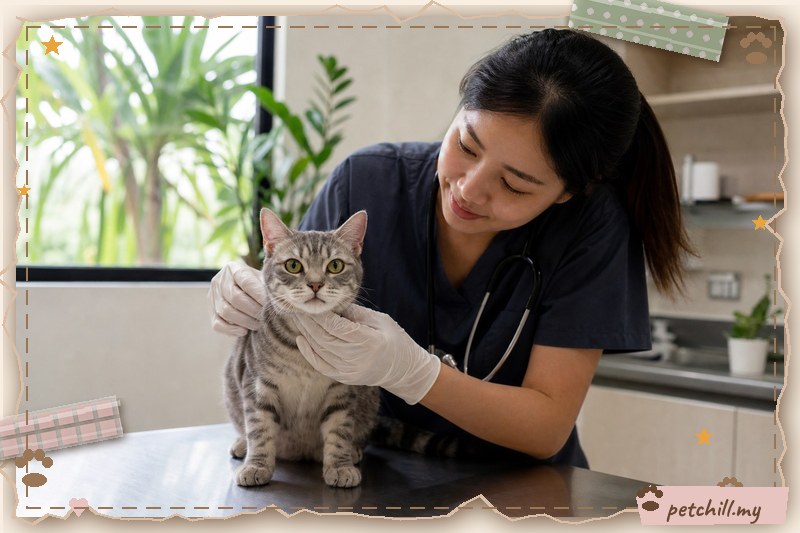
For mild, occasional streaks of blood, schedule a vet visit soon. Your vet will examine the nose, mouth, and overall health, and may recommend tests such as blood work, nasal swabs, or imaging.
Diagnosis and Treatment Options
When you bring your cat in for bloody sneezes, your vet will start with a thorough history and physical exam. They may ask about the frequency of sneezing, other symptoms, and environmental factors.
Diagnostic tests may include:
- Nasal swabs to check for infections.
- Blood tests to assess clotting and organ function.
- Dental examination under anaesthesia if dental disease is suspected.
- Imaging (X-rays or CT scans) to look for foreign bodies, tumours, or polyps.
- Blood pressure measurement to rule out hypertension.
Treatment depends on the cause:
- Infections: antibiotics or antivirals.
- Foreign bodies: removal under anaesthesia.
- Dental disease: dental cleaning and extractions.
- Tumours: surgery, radiation, or chemotherapy.
- Bleeding disorders: medications or blood transfusions.
- Hypertension: blood pressure medication.
Your vet will discuss the best approach for your cat.
Comparison Table: Causes and Prevention Strategies
| Cause | Typical Signs | Prevention Strategies |
|---|---|---|
| Nasal infections | Sneezing, discharge, fever | Vaccination, hygiene, avoid crowded cat areas |
| Foreign bodies | Violent sneezing, pawing at nose | Keep indoors, avoid small objects |
| Dental disease | Bad breath, drooling, difficulty eating | Dental care, regular check-ups |
| Trauma | Recent injury, pain, swelling | Indoor lifestyle, secure windows |
| Tumours/polyps | Chronic sneezing, facial swelling | Regular vet exams (early detection) |
| Bleeding disorders | Easy bruising, bleeding from other sites | Avoid toxins, genetic testing if breed predisposed |
| Hypertension | Often no signs, or blindness, seizures | Senior check-ups, blood pressure monitoring |
| Environmental irritants | Sneezing in response to dust/smoke | Dust-free litter, air purifiers, no smoking |
Practical Tips for Malaysian Cat Owners
Malaysia's climate and environment present specific challenges. Here are some local considerations:
- Haze season: During haze, keep cats indoors and use air purifiers. Avoid walking cats outdoors when air quality is poor.
- Humidity: High humidity can worsen some respiratory conditions. Ensure good ventilation and use dehumidifiers if needed.
- Urban living: In Kuala Lumpur apartments, dust and pollution can be higher. Regular cleaning and air filtration help.
- Terrace houses in Johor: Cats may have access to gardens with grass seeds. Check your cat's nose after outdoor time.
- Penang rainy season: Mold and dampness can trigger respiratory issues. Keep living areas dry and mold-free.
What to Do If Your Cat Sneezes Blood
If you see blood in your cat's sneeze, follow these steps:
- Stay calm. Your cat may pick up on your stress.
- Keep your cat quiet. Limit activity to reduce bleeding.
- Note the amount and color of blood. Bright red blood is fresh; dark blood may be older.
- Do not tilt the head back. This can cause blood to flow into the throat.
- Apply a cold compress to the bridge of the nose if your cat allows.
- Call your vet for advice. Describe the situation and follow their instructions.
- Monitor breathing. If your cat has trouble breathing, go to the vet immediately.
Never give human medications like aspirin or ibuprofen, which can be toxic to cats.
Conclusion
Sneezing blood in cats is a symptom that should never be ignored. While it can be caused by minor issues like dry air or a small foreign body, it can also indicate serious conditions. Prevention is centered on good husbandry: keeping your cat indoors, maintaining vaccinations, providing a clean environment, and scheduling regular vet visits.
As a Malaysian cat owner, you can take practical steps to reduce risks, such as choosing dust-free litter and being mindful of haze. If your cat does sneeze blood, seek veterinary advice promptly. With early intervention, many causes are treatable, and your cat can return to good health.
Disclaimer: This article is for informational purposes only and does not replace professional veterinary advice. Always consult a licensed veterinarian for diagnosis and treatment of your cat's condition.
Related reading
- Cat Health Guide Malaysia: Symptom Check, Red-Flag Triage & When to See a Vet
- Anemia in Cats in Malaysia: Signs, Causes, and What to Do
- Blood Test for Cats: What to Expect (Malaysian Owner's Guide)
- Breathing Difficulty Prevention for Cats: A Practical Malaysian Guide
- Cat Anemia Treatment in Malaysia: A Practical Owner's Guide
- Cat Bad Breath Treatment in Malaysia: Causes, Home Care and When to See a Vet
- Cat Excessive Thirst Treatment in Malaysia: What to Do When Your Cat Drinks Too Much
- Cat Excessive Urination Treatment in Malaysia: A Practical Guide for Owners

