
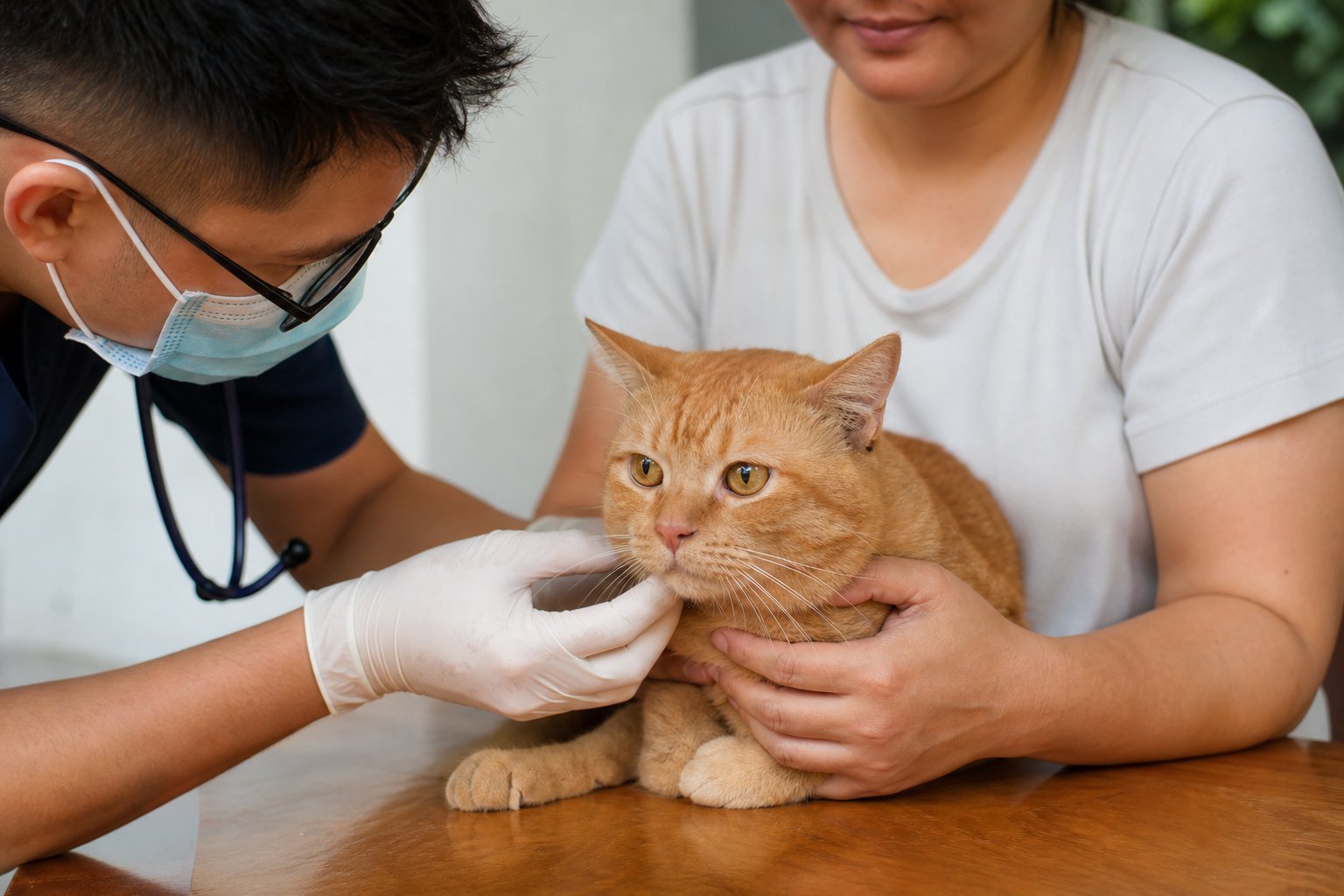
What is sterilization for cats?
Sterilization is a surgical procedure that removes the reproductive organs. In female cats, it is called spaying and involves removing the ovaries and usually the uterus (ovariohysterectomy). In male cats, it is called neutering and involves removing the testicles (orchiectomy). Both are routine surgeries performed by licensed veterinarians under general anaesthesia.
The goal is simple: prevent breeding and reduce hormone-driven behaviours. But sterilization is also a health decision. It lowers the risk of several serious conditions and makes day-to-day life easier for both cat and owner.
If you are searching for "sterilization for cats Malaysia", you likely want to know when to do it, what it involves, how much recovery takes, and how to choose a vet. This guide covers all of that in plain English for Malaysian cat owners.
Why sterilize your cat?
There are three main reasons: health, behaviour, and community welfare.
Health benefits
Spaying female cats before their first heat greatly reduces the risk of mammary (breast) tumours, which are often malignant in cats. It also eliminates the risk of pyometra, a life-threatening uterine infection that requires emergency surgery. Removing the ovaries stops the heat cycle, which can be physically draining for some cats.
Neutering male cats reduces the risk of testicular tumours and prostate problems. It also lowers the chance of fighting, which spreads feline immunodeficiency virus (FIV) and feline leukaemia virus (FeLV) through bite wounds.
Behavioural benefits
Unsterilized female cats come into heat every few weeks during breeding season. They become restless, vocalise loudly, and may spray urine. Male cats mark territory with strong-smelling urine, roam in search of mates, and fight with other males. Sterilization usually reduces or eliminates these behaviours, especially if done before they become habits.
Community welfare
Malaysia has a large stray cat population. One unsterilized female can produce several litters a year, and each kitten can start breeding at around six months old. Sterilizing your cat is one of the most effective ways to prevent unwanted litters and reduce the number of abandoned animals.

When should you sterilize?
Most veterinarians recommend sterilizing kittens between 4 and 6 months of age, before the first heat. At this age, the surgery is quicker, recovery is faster, and the health benefits are greatest. Some vets prefer to wait until the cat is a little older or has reached a certain weight. The right timing depends on your cat's individual health and development.
Adult cats can also be sterilized. If you have an older cat, your vet will run pre-anaesthetic blood tests to make sure it is safe. There is no upper age limit, but older cats may need extra monitoring.
If your cat is already in heat, most vets will wait until the cycle ends before operating, because the reproductive organs are more vascular and the surgery is slightly riskier. Your vet will advise you.
How is the surgery performed?
Both procedures are performed under general anaesthesia. Your cat will be examined beforehand, and your vet may recommend blood tests to check liver and kidney function.
Spay (female): The vet makes a small incision on the midline of the abdomen (or sometimes on the flank) and removes the ovaries and uterus. The incision is closed with sutures, which may be dissolvable or require removal after 10–14 days. The surgery usually takes 20–45 minutes.
Neuter (male): The vet makes a small incision in the scrotum and removes the testicles. The incision is often left open to heal or closed with a few sutures. The surgery is quicker, usually 10–20 minutes.
Most clinics keep the cat for a few hours after surgery to monitor recovery from anaesthesia. Some offer day surgery, where you drop off in the morning and collect in the evening. Others may keep the cat overnight.

How to prepare your cat for sterilization
Preparation makes the surgery safer and recovery smoother.
- Fasting: Your vet will tell you to withhold food for a certain number of hours before surgery (often 6–8 hours). Water is usually allowed. Follow your vet's instructions exactly.
- Health check: Make sure your cat is up to date on vaccinations and free of fleas and worms. A healthy cat handles anaesthesia better.
- Carrier: Bring a secure carrier with a clean towel. Your cat will be drowsy afterwards and needs a safe, comfortable space.
- Questions: Write down any questions about anaesthesia, pain relief, sutures, and aftercare. Ask about the clinic's emergency contact number.
What to expect after surgery
When you bring your cat home, it may still be groggy from anaesthesia. Keep it in a quiet, warm room away from other pets and children. Provide a soft bed and easy access to a litter tray and water.
First 24 hours: Your cat may be unsteady, sleepy, and off its food. Offer small amounts of water and a light meal. Do not let it jump onto high surfaces. Check the incision site for bleeding or swelling.
Days 2–7: Most cats start eating and moving normally within a day or two. Keep the cat indoors and restrict activity. Use an Elizabethan collar (cone) or a recovery suit if your vet recommends it to prevent licking. Check the incision daily for redness, discharge, or opening.
Days 7–14: The incision continues to heal. If your cat has external sutures, your vet will remove them around day 10–14. By the end of this period, most cats are back to normal.
Recovery timeline at a glance
| Day | What to expect | What to do |
|---|---|---|
| Day 0 | Groggy, sleepy, may not eat | Keep warm, quiet, offer water |
| Day 1 | More alert, may eat a little | Small meals, restrict jumping |
| Days 2–3 | Eating normally, moving around | Check incision, use cone if needed |
| Days 4–7 | Nearly normal, incision healing | Short supervised activity, no rough play |
| Days 10–14 | Incision healed, sutures removed | Normal activity resumes |

Caring for the incision
A clean, dry incision heals best. Keep the area free of litter dust and moisture. If your cat uses clumping litter, you may want to switch to paper-based litter for a week to reduce dust. Do not bathe your cat until your vet says it is safe.
Prevent licking and chewing. A cone or recovery suit is the simplest solution. If your cat seems bothered by the cone, try a soft fabric cone or a baby onesie designed for pets. Never leave a cat unsupervised with a bandage that could be chewed loose.
Common myths about sterilization
Myth: Cats should have one litter first. There is no health benefit to letting a cat breed. In fact, waiting increases the risk of mammary tumours and pyometra.
Myth: Sterilization makes cats lazy and fat. Metabolism does slow slightly, but weight gain is mostly due to overfeeding and lack of exercise. Measure food and play daily.
Myth: Sterilization changes a cat's personality. The cat's core personality stays the same. Hormone-driven behaviours like spraying and roaming usually decrease, which many owners see as an improvement.
Myth: It is cruel. Sterilization is a routine medical procedure performed under anaesthesia with pain relief. It protects cats from serious diseases and reduces stray overpopulation.
Choosing a vet in Malaysia
Look for a licensed veterinarian with experience in feline surgery. You can ask friends, local cat groups, or your regular vet for recommendations. When you call, ask:
- What anaesthetic protocol do you use?
- Do you monitor blood pressure and oxygen during surgery?
- Is pain relief included?
- Are sutures dissolvable or do they need removal?
- What is the aftercare plan and emergency contact?
Prices vary by clinic, location, and the cat's sex and size. Some local councils and animal welfare organisations run subsidised sterilization programmes. Contact them directly for current details. We do not list prices because they change and vary by state.
Sterilization and community cats
If you care for stray or community cats, sterilization is the cornerstone of trap-neuter-return (TNR) programmes. TNR reduces colony size humanely and improves cat health. Many Malaysian animal welfare groups support TNR and can advise on low-cost options. Always check with the relevant local authority about any local rules.
When to see a vet
Contact your vet promptly if you notice any of the following after surgery:
- Bleeding or discharge from the incision
- Swelling, redness, or heat around the wound
- The incision opens or stitches come loose
- Your cat refuses food or water for more than 24 hours
- Vomiting, diarrhoea, or lethargy that worsens
- Difficulty urinating or no urine for more than 12 hours
- Pale gums, weakness, or collapse
These signs can indicate infection, pain, or other complications. Early treatment is always better.
Frequently asked questions
At what age should I sterilize my cat in Malaysia? Most vets recommend 4–6 months, before the first heat. Some vets will operate earlier or later depending on health and weight. Ask your vet for a personalised timeline.
Is sterilization painful for cats? The surgery is performed under general anaesthesia, so the cat feels no pain during the procedure. Vets provide pain relief for aftercare. Most cats are uncomfortable for 24–48 hours and then improve steadily.
How long does it take for a cat to recover from spaying or neutering? Males usually recover in 3–7 days. Females take 7–14 days because the surgery is more involved. Keep the cat indoors, restrict jumping, and use an Elizabethan collar if your vet advises it.
Will my cat gain weight after sterilization? Some cats gain weight because their metabolism slows slightly after sterilization. You can prevent this by feeding measured portions, choosing a good-quality diet, and encouraging daily play. Ask your vet for a weight-monitoring plan.
Do I need to let my cat have one litter before sterilizing? No. There is no health benefit to letting a cat have a litter first. In fact, sterilizing before the first heat reduces the risk of mammary tumours and uterine infections. Early sterilization is safer and simpler.
How much does cat sterilization cost in Malaysia? Prices vary widely by clinic, location, cat size, and sex. Some councils and NGOs run subsidised programmes. Contact your local vet or animal welfare group for current rates. We do not list prices because they change frequently.
Final thoughts
Sterilization is one of the most responsible decisions you can make for your cat. It protects their health, reduces unwanted behaviours, and helps control the stray population. With good preparation and aftercare, most cats recover quickly and live happier, healthier lives.
This article is for general information only and is not a substitute for professional veterinary advice. Always consult a licensed veterinarian for diagnosis and treatment specific to your cat.
Related reading
- Cat Health Guide Malaysia: Symptom Check, Red-Flag Triage & When to See a Vet
- Anemia in Cats: Causes, Signs and Care (Malaysia Guide)
- Cat Eye Infection Treatment in Malaysia: A Practical Owner's Guide
- Cat Vomiting Treatment in Malaysia: What to Do and When to See a Vet
- Diarrhea in Cats in Malaysia: Causes, Home Care and When to See a Vet
- Ear Mites in Cats: Causes and Care (Malaysia Guide)
- Eye Infection in Cats in Malaysia: Causes, Signs, Treatment & Prevention
- Flea Treatment for Cats: What to Expect (Malaysia Guide)
- Giving Pills for Cats Step by Step: A Calm, Practical Guide for Malaysian Owners
- Household Cleaning Products and Cats in Malaysia: A Safety Guide
- Itching in Cats in Malaysia: Causes, Relief and When to See a Vet
- Signs of Arthritis in Cats in Malaysia: What Owners Should Look For

