
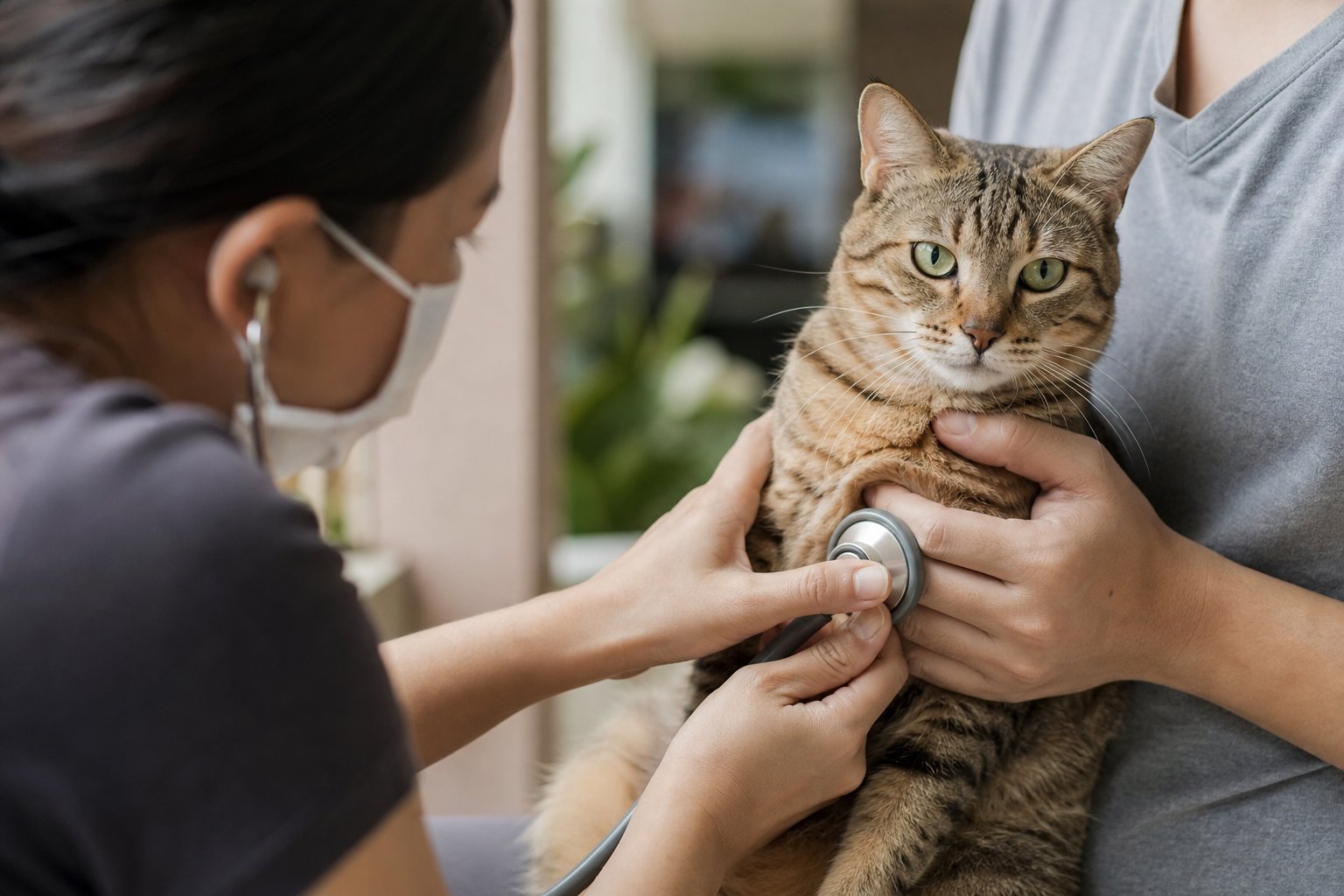
The short answer
Most cats experience only mild, short-lived effects after vaccination: a quiet afternoon, a little tenderness at the injection site, perhaps a small lump. These usually settle within a day or two. Serious reactions exist but are uncommon, and knowing the difference helps you act quickly without panicking.
This guide explains what is normal, what is not, how to care for your cat at home, and when to call your vet. It is written for Malaysian cat owners living in apartments, terrace houses and landed homes, where heat, humidity and multi-cat households all affect how you manage a post-vaccine day.
Why cats react to vaccines at all
A vaccine is designed to wake up the immune system. It presents a harmless version or component of a pathogen so the body can build defences without the animal getting sick. That immune response is the point, but it can produce mild, temporary signs: low energy, a slight fever, or a small area of inflammation where the needle went in.
Reactions fall into three broad groups:
- Expected mild responses: sleepiness, reduced appetite for a meal or two, mild soreness, a small soft lump.
- Uncommon but manageable: a more noticeable lump, mild gastrointestinal upset, a day of limping if the injection was in a limb.
- Rare serious reactions: facial swelling, hives, breathing difficulty, collapse. These need urgent care.
Understanding this spectrum stops owners from either ignoring a real problem or rushing to the clinic for a cat that simply needs a quiet nap.
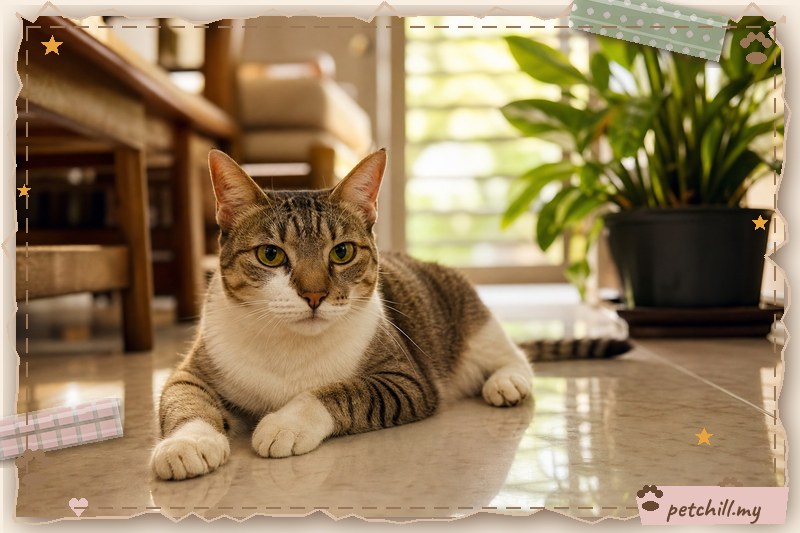
What is normal after vaccination
Sleepiness and a quiet mood
Many cats sleep more for 12 to 24 hours. Some hide, some want extra cuddles. This is generally the immune system doing its job. Offer a quiet, warm place away from noisy children or other pets, and let your cat rest.
Reduced appetite
A cat may skip one meal or eat less than usual. Fresh water should always be available. If your cat refuses food for more than 24 hours, or stops drinking, that is worth a call to your vet.
Soreness at the injection site
Vaccines are often given under the skin at the scruff, shoulder or flank, and sometimes in a hind limb. A cat may flinch when touched there or be slightly reluctant to jump. Gentle handling is enough; avoid pressing or massaging the area repeatedly.
A small lump
A soft, small lump at the injection site is common and usually shrinks over days to a few weeks. Note the date you first felt it and its approximate size. A simple note on your phone is enough. This record becomes valuable if the lump does not resolve.
Mild sneezing or a slightly runny nose
Some cats, especially kittens, may show very mild respiratory signs for a day or two after certain vaccines. If sneezing is accompanied by lethargy, poor appetite or eye discharge, treat it as a possible illness and contact your vet.
What is not normal: signs that need a vet
Most reactions are mild, but some signs should never be watched at home.
| Sign | What it may indicate | What to do |
|---|---|---|
| Facial swelling, puffy muzzle, hives | Allergic reaction | Call your vet immediately; this can progress quickly |
| Vomiting or diarrhoea, especially repeated | Systemic reaction or unrelated illness | Contact your vet the same day |
| Difficulty breathing, wheezing, noisy breathing | Serious allergic or respiratory event | Emergency care now |
| Collapse, weakness, wobbliness | Rare systemic reaction | Emergency care now |
| Persistent limping after a limb injection | Local inflammation or pain | Call your vet if it lasts more than a day or two |
| Lump that grows, hardens or persists beyond four to six weeks | Local tissue reaction needing assessment | Book a vet examination |
| Fever, shaking, pale gums | Systemic illness | Contact your vet urgently |
| Not eating or drinking for over 24 hours | Dehydration risk | Call your vet |
If you are unsure, phone your vet. A short conversation costs little and can save a lot of worry.
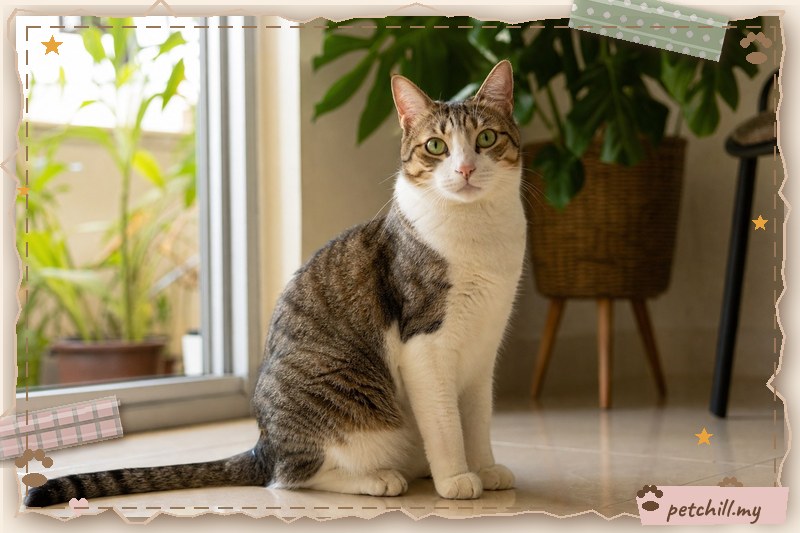
Rare but serious reactions
Serious adverse events after vaccination are uncommon, but they do occur. The most recognised is an allergic-type reaction, sometimes called anaphylaxis, which can develop within minutes to a few hours. Signs include facial swelling, hives, vomiting, diarrhoea, restlessness, difficulty breathing and collapse.
Because these can escalate quickly, many clinics ask owners to wait in or near the clinic for 15 to 30 minutes after vaccination, especially for kittens or cats with a previous reaction. If your vet offers this, take it. It is a simple safety net.
Another recognised issue is a local reaction at the injection site that persists or enlarges. In rare cases, chronic inflammation at an injection site can develop into a more serious problem. This is why vets advise monitoring any lump and why they may choose specific injection sites and record them. The risk is low, but monitoring is sensible.
Caring for your cat after vaccination at home
The first few hours
- Keep your cat indoors and calm. Avoid visitors, grooming sessions and vigorous play.
- Provide fresh water and a quiet resting spot.
- Offer a normal meal at the usual time, but do not worry if your cat eats a little less.
- Watch for swelling, vomiting or breathing changes, especially in the first hour.
The first 24 to 48 hours
- Let your cat set the pace. Short, gentle interaction is fine.
- Check the injection site once daily. Look, do not squeeze.
- Keep the household calm. In multi-cat homes, a cat that smells slightly different after a clinic visit can be briefly treated as a stranger. Separate if there is hissing or bullying, and reintroduce calmly.
- Avoid bathing, swimming or rough towelling. A slightly sleepy cat can chill easily.
The first few weeks
- Check the injection site weekly for any lump.
- Record size changes with a photo and a date.
- Keep your cat's normal routine: food, litter, play and rest.
Practical checklist
- Note the vaccine name and date
- Note the injection site
- Keep the clinic phone number handy
- Provide water and a quiet space
- Check the site daily for the first three days
- Check weekly for lumps until fully settled
- Book a recheck if a lump persists beyond four to six weeks
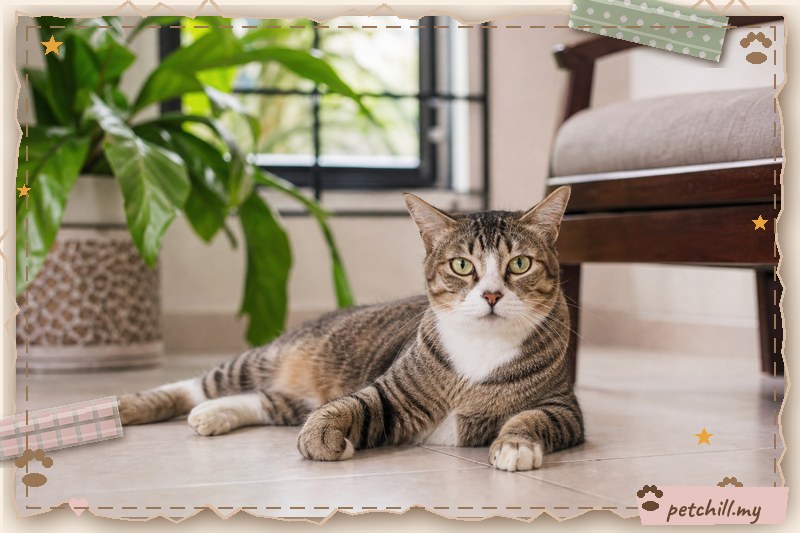
Malaysian context: heat, humidity and multi-cat homes
Malaysia's climate and housing patterns shape aftercare in practical ways.
Heat and humidity. A cat that is slightly feverish or sleepy after vaccination may be more comfortable in a cool, shaded room with air conditioning or a fan on low. Avoid leaving a resting cat in a hot car or a stuffy balcony. Fresh water matters more in warm weather.
Apartment living. In a Kuala Lumpur apartment, a cat may not have outdoor access, which makes it easier to keep them calm and monitored. Use a quiet room away from the door and lift traffic. If your apartment is small, create a calm corner with a bed and litter tray so your cat does not have to move far.
Terrace houses and landed homes. In a Johor terrace house, doors and windows may be open more often. Keep a post-vaccine cat indoors and away from other pets that may bully or groom the injection site. If you have multiple cats, feed them separately for a day to monitor appetite individually.
Rainy season. During the wet months, cats may be more inclined to stay in and sleep anyway, which suits a post-vaccine rest day. Just ensure bedding stays dry and warm.
Multi-cat households. Vaccination days can disrupt social dynamics. A cat returning from the clinic may smell unfamiliar. Keep them separated for a few hours if there is tension, then reintroduce gradually.
Kittens versus adult cats
Kittens receive a series of vaccines, often starting at around six to eight weeks and repeating every few weeks until around 16 weeks, depending on the vaccine and your vet's protocol. They may be sleepier and more prone to mild digestive upset. Small body size means owners should watch appetite and hydration closely.
Adult cats receiving boosters often show milder signs, partly because they have seen the vaccine before. Senior cats or cats with chronic conditions may need a tailored plan; discuss timing and vaccine choice with your vet.
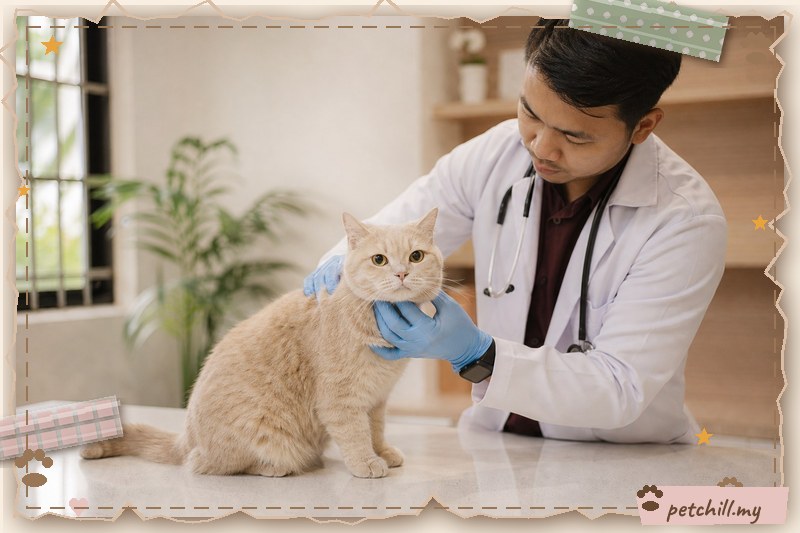
Vaccine types and reaction patterns
Different vaccines can produce different patterns of mild reaction. Core vaccines for cats generally include protection against feline panleukopenia, feline herpesvirus and feline calicivirus, often combined. Rabies vaccination may be required for travel or certain situations, and your vet can advise based on your cat's lifestyle and local requirements.
Non-core vaccines, such as those for feline leukaemia virus, may be recommended for cats with outdoor access or multi-cat exposure. Your vet will weigh risk and benefit. The type of vaccine, the number of antigens and the adjuvant used can influence how a cat feels afterwards, but individual variation is large.
Should you pre-medicate or change the schedule?
Do not give human medications before or after vaccination without veterinary advice. Some human painkillers are toxic to cats. If your cat had a previous reaction, tell your vet before the next appointment. They may recommend antihistamines or other pre-medication, adjust the timing, or split vaccines. This is a clinical decision, not a DIY one.
What about the day before and the day of vaccination?
- Feed a normal meal unless your vet advises otherwise.
- Bring your cat in a secure carrier with a familiar blanket.
- Arrive calm; your cat picks up on stress.
- Ask your vet what to expect and what signs warrant a call.
- Ask whether they recommend waiting at the clinic for a short observation period.
Common owner questions and myths
"My cat is quiet, so the vaccine must be dangerous." Quietness is a normal immune response. Danger signs are swelling, breathing difficulty, vomiting and collapse, not sleepiness.
"A lump means cancer." Most lumps are benign local reactions. Monitoring and a vet check are the right response, not panic.
"I should skip boosters because my cat reacted once." Discuss it with your vet. Skipping vaccines leaves your cat exposed to serious diseases. A tailored plan is often possible.
"I can give my cat paracetamol for soreness." Never give human painkillers to cats without veterinary instruction. Some are highly toxic.
When to see a vet
Contact your vet promptly if you notice any of the following:
- Facial swelling, hives or puffiness around the eyes or muzzle
- Vomiting, diarrhoea or repeated retching
- Difficulty breathing, noisy breathing or a change in breathing rate
- Collapse, weakness, wobbliness or pale gums
- Persistent limping after a limb injection
- A lump that grows, hardens, is painful or persists beyond four to six weeks
- Not eating or drinking for more than 24 hours
- Fever, shaking or marked lethargy lasting beyond 48 hours
If signs are severe or worsening quickly, go to an emergency clinic rather than waiting for a regular appointment.
Bottom line
Vaccination remains one of the most effective ways to protect cats from serious infectious diseases. Most side effects are mild and short-lived. Your job is simple: observe, provide a calm environment, record any lump, and call your vet if something looks wrong. If you are ever unsure, a phone call is the safest next step.
This article is general information for Malaysian cat owners and does not replace veterinary advice. Always consult a licensed veterinarian about your cat's vaccination plan and any reaction.
Related reading
- Cat Health Guide Malaysia: Symptom Check, Red-Flag Triage & When to See a Vet
- Deworming Schedule for Cats: A Step-by-Step Plan for Malaysian Owners
- Deworming Schedule for Cats: What to Expect (Malaysia Guide)
- Diarrhea in Cats: Causes and Care (Malaysian Owner's Guide)
- Fever Prevention for Cats: A Practical Guide for Malaysian Owners
- Giving Pills for Cats in Malaysia: A Stress-Free Step-by-Step Guide
- Giving Pills for Cats: What to Expect (Malaysian Owner's Guide)
- How to Treat Dental Pain in Cats at Home: Safe Relief and When to See a Vet
- How to Treat Diarrhea in Cats at Home: A Practical Malaysian Guide
- How to Treat Ear Mites in Cats at Home: A Practical Malaysian Guide
- Pet Health in Malaysia: A Practical Prevention Guide for Cats and Dogs

