
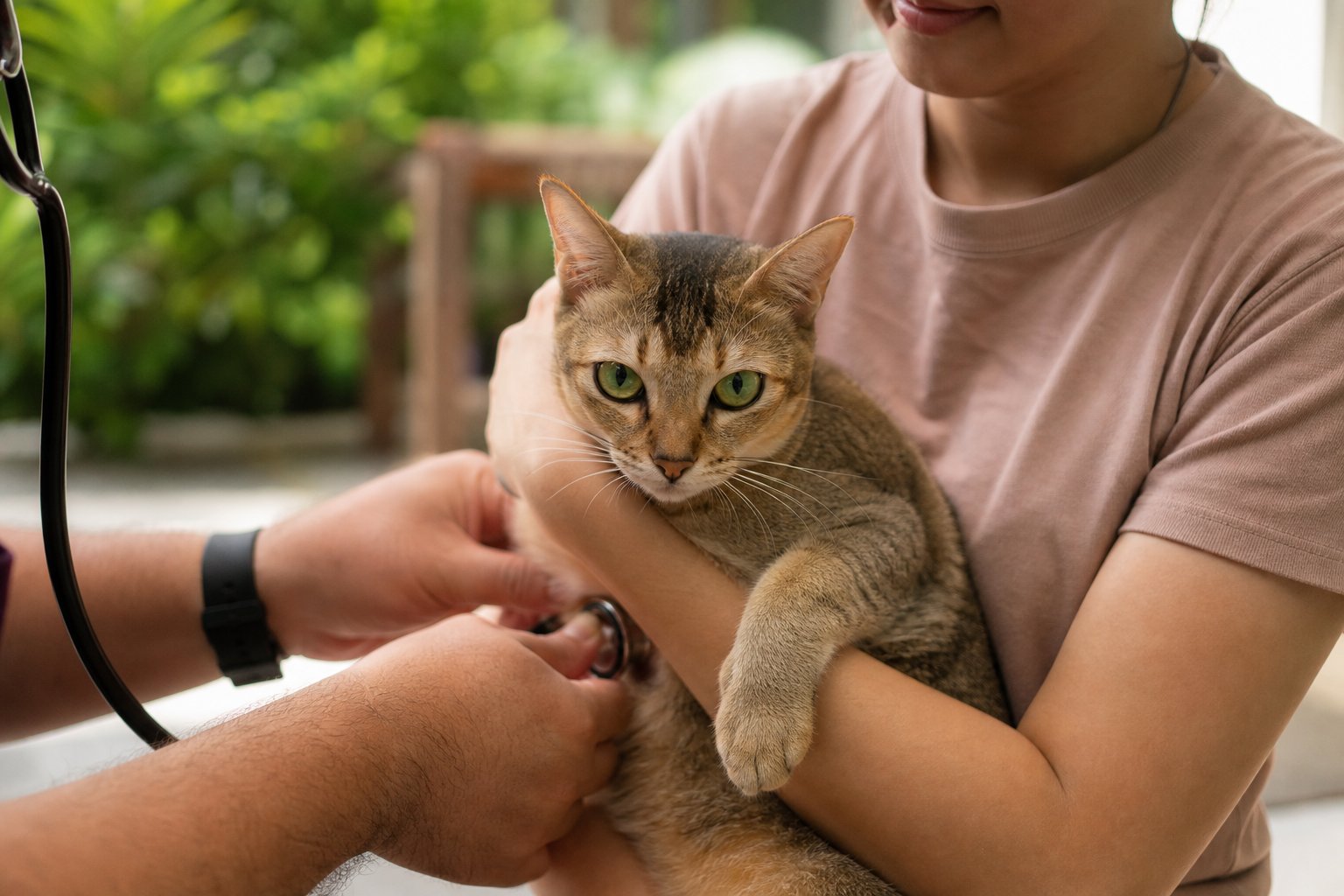
Vaccination is a cornerstone of preventive health care for cats. It protects them from potentially fatal diseases such as feline panleukopenia, feline herpesvirus, and feline calicivirus. However, as with any medical procedure, vaccines can cause side effects. Most reactions are mild and short-lived, but knowing how to respond can make a big difference for your cat's comfort and safety. This step-by-step guide is written for Malaysian cat owners, helping you navigate the vaccination process from pre-check to post-vaccine care.
Step 1: Before Vaccination – Prepare Your Cat
A little preparation can reduce the risk of adverse reactions and make the experience less stressful for your cat.
- Health check: Ensure your cat is healthy before vaccination. Your vet should perform a physical examination to confirm your cat is free from illness, parasites, and fever. If your cat is unwell, vaccination may be postponed.
- Know your cat's history: Inform your vet about any previous vaccine reactions, allergies, or chronic conditions. If your cat had a reaction before, your vet may adjust the protocol.
- Fasting not required: Unlike surgery, vaccination does not require fasting. However, feeding a light meal before the visit can help reduce stress.
- Travel carrier: Use a secure carrier lined with a familiar blanket. In Malaysia's hot climate, avoid leaving your cat in the car; park in the shade and keep the carrier ventilated.
- Timing: Schedule the appointment during cooler parts of the day, such as early morning or late afternoon, to minimise heat stress.
Step 2: At the Clinic – What to Expect
When you arrive at the clinic, the vet will typically:
- Review your cat's health and vaccination history.
- Administer the vaccine – usually via subcutaneous injection (under the skin), often in the scruff or hind leg.
- Observe your cat for a short period – some clinics keep cats under observation for 15-30 minutes to catch immediate reactions.
Immediate reactions are rare but can include vomiting, diarrhoea, facial swelling, or difficulty breathing. If you notice any of these signs at the clinic, alert the vet immediately.
Step 3: Common Side Effects – What's Normal?
Most cats experience mild, transient side effects. These are signs that the immune system is responding to the vaccine.
| Side Effect | Description | Typical Duration |
|---|---|---|
| Soreness at injection site | Mild pain or swelling; cat may flinch when touched | 1-2 days |
| Lethargy | Reduced activity, sleeping more | 24-48 hours |
| Mild fever | Slight increase in body temperature (often not noticeable without a thermometer) | 24-48 hours |
| Reduced appetite | Eating less than usual | 24 hours |
| Sneezing or mild nasal discharge (for intranasal vaccines) | Occasional after intranasal administration | 1-3 days |
These signs usually resolve on their own without treatment. However, monitor your cat closely and provide supportive care.
Step 4: Home Monitoring – The First 48 Hours
After vaccination, keep your cat indoors and observe closely for the next 48 hours. Here's a step-by-step monitoring plan:
- Set up a quiet, comfortable space – a dim, warm room with soft bedding, away from loud noises and other pets.
- Provide fresh water – hydration is important, especially if your cat has a mild fever.
- Offer small, frequent meals – if your cat's appetite is reduced, tempt with wet food or slightly warmed food.
- Check the injection site daily – look for redness, swelling, or pain. A small, firm lump may appear; this is usually harmless.
- Monitor behaviour – note any changes in activity, grooming, litter box habits, or breathing.
- Keep a log – record the time of vaccination, any symptoms, and when they resolve. This helps your vet if you need to call.
What to avoid:
- Do not give human medications (e.g., paracetamol, ibuprofen) – they are toxic to cats.
- Do not bathe your cat immediately after vaccination; wait at least 48 hours.
- Do not allow strenuous play or stress.
Step 5: Managing Mild Side Effects at Home
For mild reactions, you can provide comfort and supportive care:
- Soreness: Avoid touching the injection site. Do not apply heat or ice unless advised by your vet.
- Lethargy: Let your cat rest. Provide a quiet, warm bed.
- Mild fever: Ensure access to water. Do not attempt to cool your cat with cold water; this can cause shivering and stress.
- Reduced appetite: Offer strong-smelling wet food or a small amount of cooked chicken (plain, no seasoning) to entice eating. If your cat hasn't eaten for over 24 hours, call your vet.
Step 6: Recognising Serious Reactions – When to Act
While rare, serious adverse reactions can occur. Seek immediate veterinary attention if you observe any of the following:
- Facial swelling (especially around the eyes, muzzle, or ears)
- Hives (raised, itchy bumps on the skin)
- Difficulty breathing or noisy breathing
- Persistent vomiting or diarrhoea
- Collapse or seizures
- Severe lethargy (cat is unresponsive or unable to stand)
- Pale gums or cold extremities
These signs may indicate anaphylaxis, a life-threatening allergic reaction. Do not wait – contact your vet or an emergency clinic immediately.
Step 7: Injection Site Lumps – What to Do
A small lump at the injection site is common and usually resolves within a few weeks. However, monitor it:
- Measure the lump weekly and note any changes.
- If the lump persists for more than 3 months, grows larger, or causes discomfort, see your vet.
- If the lump is warm, painful, or ulcerated, seek veterinary advice promptly.
In rare cases, a lump could indicate a vaccine-associated sarcoma, a type of cancer. This is very rare, but early detection is important.
Step 8: After the Observation Period – Returning to Normal
Most cats return to normal within 48 hours. If your cat is back to their usual self, you can gradually resume normal activities. However, continue to monitor for any delayed reactions, which can occur up to a week later (though very rare).
Special Considerations for Malaysian Cat Owners
- Climate: Malaysia's hot and humid weather can make post-vaccine lethargy more pronounced. Ensure your cat has access to cool, shaded areas and fresh water.
- Multi-cat households: If you have multiple cats, vaccinate them on different days to avoid confusion if reactions occur. Keep vaccinated cats separated from unvaccinated ones for 24 hours if possible.
- Kittens: Kittens may be more susceptible to mild side effects. Monitor them closely and consult your vet if concerned.
- Outdoor cats: If your cat goes outdoors, keep them inside for at least 48 hours after vaccination to monitor for reactions and reduce stress.
When to See a Vet
Contact your veterinarian immediately if your cat shows any of the following after vaccination:
- Vomiting or diarrhoea that lasts more than 24 hours
- Facial swelling, hives, or difficulty breathing
- Persistent lethargy or weakness beyond 48 hours
- Loss of appetite for more than 24 hours
- A lump at the injection site that is painful, growing, or persists beyond 3 months
- Any sign of pain or discomfort that doesn't improve
Emergency: If your cat collapses, has a seizure, or has difficulty breathing, go to the nearest emergency vet clinic immediately.
Conclusion
Vaccination is a vital part of keeping your cat healthy, and side effects are usually mild and temporary. By following this step-by-step guide, you can confidently monitor your cat and know when to seek help. Always consult your veterinarian if you have any concerns – they are your best resource for your cat's health.
Disclaimer: This article is for informational purposes only and does not replace professional veterinary advice. Always consult a licensed veterinarian for diagnosis and treatment of your cat.
Related reading
- Anemia in Cats: Causes, Signs and Care (Malaysia Guide)
- Cat Eye Infection Treatment in Malaysia: A Practical Owner's Guide
- Cat Vomiting Treatment in Malaysia: What to Do and When to See a Vet
- Diarrhea in Cats in Malaysia: Causes, Home Care and When to See a Vet
- Ear Mites in Cats: Causes and Care (Malaysia Guide)
- Eye Infection in Cats in Malaysia: Causes, Signs, Treatment & Prevention
- Fever Prevention for Cats: A Practical Guide for Malaysian Owners
- Flea Treatment for Cats: What to Expect (Malaysia Guide)
- Giving Pills for Cats Step by Step: A Calm, Practical Guide for Malaysian Owners
- Household Cleaning Products and Cats in Malaysia: A Safety Guide
- Itching in Cats in Malaysia: Causes, Relief and When to See a Vet

