
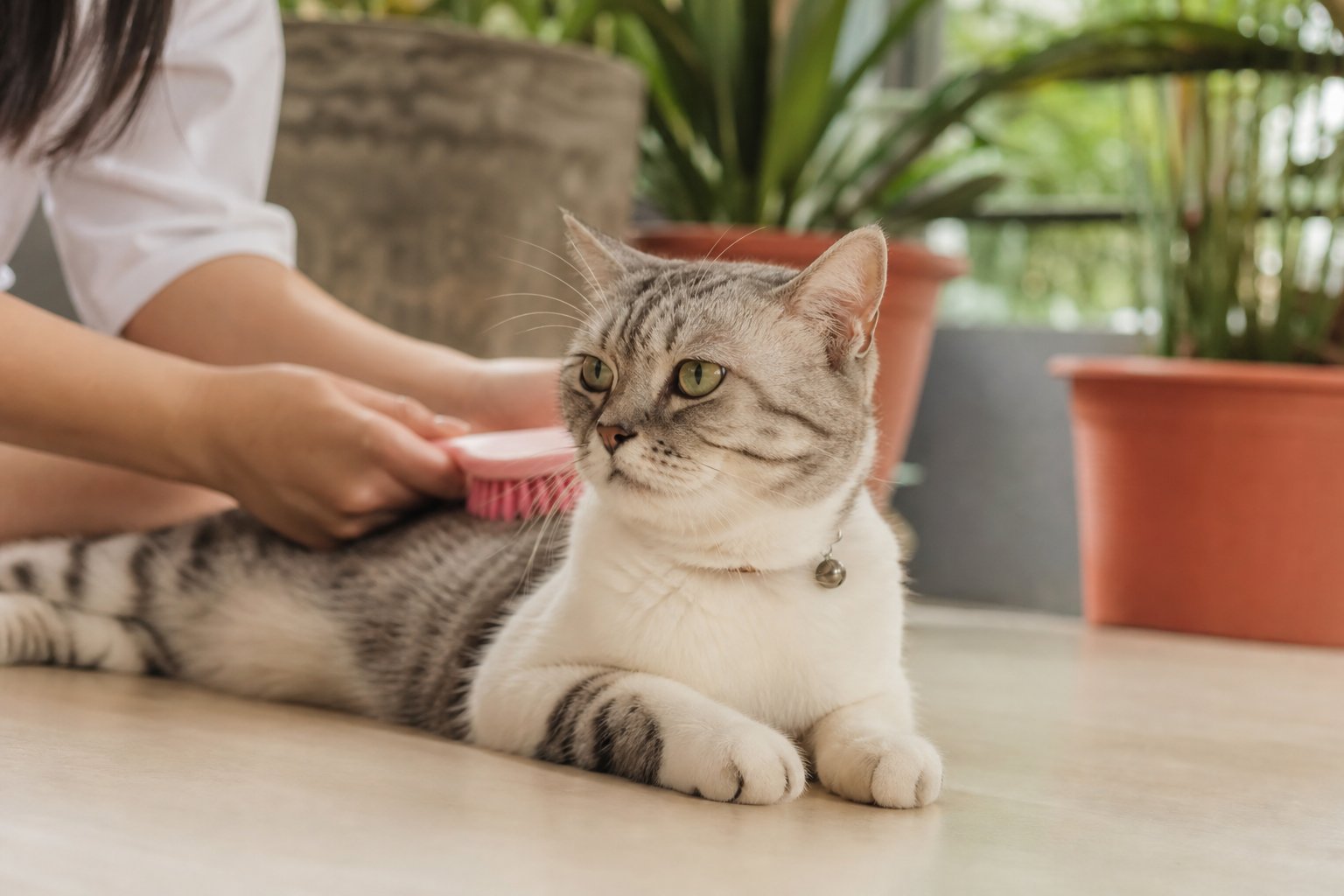
Quick answer: Cats fed a properly labelled complete and balanced main diet almost never need extra vitamins. The genuine gaps sit with picky eaters, senior cats, home-cooked fresh food and cats with chronic illness — and each of those needs a proper assessment first, not an impulse purchase off a shelf.
Think of a supplement as a patch, not insurance. Insurance covers what you cannot predict; a patch only works if you already know where the hole is. Buy the wrong patch and you waste money; buy too much of the right patch and you can actually cause harm.
Do Cats Actually Need Vitamin Supplements?
Start with what a main meal already is. A complete and balanced cat food — whether dry kibble or a wet main meal — is a finished nutritional formula. Protein, fat, vitamins, minerals and taurine have all been calculated to feline requirements before the product ever reaches a shelf. That is why the default answer for a healthy, normally developing cat is: no supplements required.
The useful test is not whether the food is processed or natural. It is whether the packaging carries a complete and balanced statement. Flip the can or bag over and read it. If the statement is there and your cat eats it as a main meal, the nutritional base is covered. If a product is a topper, a treat, a broth, a dessert or a supplementary can, it is not designed to carry the whole diet — and relying on it as the main food is exactly how gaps open up.
This matters in mixed-feeding households too. A cat eating both dry food and wet food may look varied on paper, yet if the wet portion is only a supplementary recipe, the overall diet still depends on the dry food doing the heavy lifting. Read both labels before deciding anything.
Extra dosing without a identified gap is usually just expensive urine, because water-soluble vitamins are excreted daily. And some of the fat-soluble ones do not leave so easily — they sit in tissue and accumulate.
Who Genuinely Needs a Closer Look
Some cats do have real, defensible reasons to consider supplementation. The table below separates the common scenarios from the fixes that should come first.
| Situation | Possible gap | What to do first |
|---|---|---|
| Severe picky eating | Overall daily intake falls short | Find the cause — dental pain, food texture, stress — before buying powders |
| Senior cat | Absorption declines, chronic disease creeps in | Blood test at the annual visit, then decide with the vet |
| Home-cooked fresh food | Taurine, calcium, vitamin balance | Use a professionally balanced recipe and have it reviewed |
| Chronic illness | Depends entirely on the condition | Follow the vet's instruction; never self-prescribe |
| Rapidly growing kitten | Higher density of specific nutrients | Feed a growth formula rather than stacking extras |
| Recovery from illness or surgery | Temporary increased demand | Vet-directed short-term support only |
A useful general principle applies across all of them: the animals most likely to benefit are those that are picky, unwell, physically taxed, very young or elderly. Healthy adults eating a complete diet are not on that list.
One more point worth stating plainly. A supplement supports a diet; it does not replace the diet, and it certainly does not replace a diagnosis. If your cat's spirit, appetite or weight changes, the first step is a check-up, not a trip to the pet shop. No bottle of powder is expensive compared to a delayed diagnosis.
The Nutrients Worth Knowing
Taurine — the non-negotiable one. Cats cannot synthesise enough taurine on their own, so it must arrive through food. It is tied to retinal function, heart muscle health and reproduction. Deficiency is slow-motion: it builds over months rather than days, which is precisely why it gets overlooked. Complete cat foods are required to include it, so the real question is never "is there taurine?" but "is what I am feeding actually a main meal?" Cats whose diet is mostly supplementary fish cans, dog food or unformulated fresh meat are the true risk group.
B vitamins. These drive energy metabolism, are water-soluble and leave through urine, so they need to arrive every day. A complete diet normally supplies enough. Only cats with long-term poor appetite or impaired digestion may warrant a vet-recommended addition. Products marketed as appetite boosters work inconsistently — do not expect a fast, obvious result.
Vitamin A. Cats must obtain it from animal-source foods. Liver can supply it, but moderation matters: regular large amounts of liver are not a safe routine, and vitamin A excess accumulates rather than clears. Human high-dose fish liver oil products are a common accidental route to overdoing it.
Omega-3 fatty acids. Strictly speaking these are not vitamins at all, but fatty acids. Fish oil is commonly used to support skin, coat and joint comfort as an adjunct to a good diet. It is a support layer, not a cure, and dosing should follow the product's weight-based guidance.
Calcium and phosphorus. This pair matters most for home-cooked diets. Meat-only fresh food tends to run low in calcium and high in phosphorus, and over months that imbalance catches up with bone health. It is the single most frequent fault in unformulated home cooking.
Arachidonic acid and linoleic acid. Both are essential fatty acids that cats must take in from food rather than make themselves. They are another reason a diet built on a proper formulation beats a diet built on guesswork.
More Is Not Better: The Risk of Over-Supplementing
Many owners assume extra vitamins are harmless extras. For cats, the opposite tends to be true.
- Vitamin A excess builds up in the body; long-term over-supplementation can affect bones and the liver. Liver-based products deserve particular caution.
- Vitamin A and D aside, vitamin D excess disrupts blood calcium regulation and is among the highest-risk poisoning scenarios in this group.
- Calcium-phosphorus imbalance develops when fresh food is meat only, with no calcium source added, and quietly undermines skeletal development.
- Calorie overload is the sneaky one. Many nutritional pastes are essentially sugar and fat. A cat can gain weight without gaining a single meaningful micronutrient — and obesity is a far more common urban cat problem than vitamin deficiency.
Practical guardrails: dose strictly by body weight and label instructions; never split a dog product for a cat, and never use a human product at a reduced dose; and introduce only one new supplement at a time, then wait two weeks before judging it or adding a second. Two weeks is long enough to see whether stools, appetite or coat actually changed — and to spot a reaction.
How to Choose: Five Principles
- Pick a cat-specific formula. Doses are calculated for felines. Dog versions and human versions are not interchangeable.
- Demand a clear ingredient list. Every nutrient should show an amount. Vague phrases like "proprietary nutritional blend" hide as much as they reveal.
- Choose a reputable brand. Look for a proper distributor, batch marking, production and expiry dates, and any factory or third-party test information.
- Match it to a real gap. A home-cooked feeder may reasonably consider taurine and a calcium powder. A cat with no gap does not need a purchase at all.
- Ask the vet first. This is essential for senior cats, sick cats and cats on medication — list everything currently being fed before combining anything.
Formats. Powders are easy to stir into food; liquids are easiest to measure precisely; pastes suit picky cats best but carry the highest calorie load. Palatability varies enormously — one cat may fight over a product another cat will not sniff. Buying a small container first is the sensible move.
Storage. Most powders and pastes need refrigeration after opening. Always use a dry spoon; moisture entering the jar causes clumping and spoils the product. Humidity makes this worse, which is why storage discipline matters more in damp periods — a Penang household during the rainy season should treat a clumped or hardened powder as finished, not scrape out the lumps.
Label check. Confirm manufacturer, product name, batch number, production date and expiry. Discard anything swollen, discoloured, mouldy-smelling or out of date.
Feeding technique. Never force powder down a cat's throat. It damages trust and carries a real choking risk. Mix it into food, or hide it in a small meatball of wet food.
Myths That Keep Coming Back
"Seasonal change means a tonic." Cats do not need seasonal nourishing courses. Nutritional needs stay steady through the year; what matters is the daily diet's quality and consistency. In humid, rainy stretches, watch water intake instead.
"Dull coat equals vitamin deficiency." Possibly, but equally it can be parasites, a skin condition or a hormonal problem. See the vet before trying to "feed the coat" at home.
"Nutritional paste is a harmless treat." It contains calories. Anything given as paste must be deducted from treats and main meals, and it is especially unsuitable as a free-choice snack for an overweight cat.
"Fresh food is always better than dry food." Commercially complete fresh food is perfectly fine. Home-cooked food, however, must fill every micronutrient slot — and usually does not unless a recipe has been checked. The common failure is low calcium with high phosphorus.
"Supplements prevent illness." Supplements support everyday nutritional balance. They make no therapeutic promise, and they do not replace vaccination, parasite control or routine examinations.
When to See a Vet
Book a consultation rather than self-adjusting if any of the following applies:
- Appetite, weight, water intake or urine output changes noticeably for more than a week
- You suspect an overdose of a vitamin product, especially a human high-dose fish liver oil or a vitamin D product
- Ongoing soft stools or vomiting that does not improve after a supplement has been started
- A senior cat suddenly becomes weak in the hind limbs or walks unsteadily — do not write this off as "lacking nutrition"
- Vomiting, itching, diarrhoea or lethargy appearing after a new product is introduced
- A picky cat whose reluctance to eat turns out to be mouth or dental pain, which needs treatment rather than flavouring
What to Do From Today
- Read your main food packaging for a complete and balanced statement; if it is present, basic supplementation is unnecessary.
- Write a list of every supplement at home: name, ingredients, dose, opening date. Discard anything expired and bring the list to the next visit.
- Fresh-food households: take the recipe along and ask the vet to check it against the cat's needs.
- Add one new supplement at a time, observe for two weeks, and record stools and coat condition before deciding it works.
- For cats aged seven and above, arrange an annual blood test so dietary decisions rest on data rather than impressions.
- Unsure whether a can counts as a main meal? Turn it over and read the label — that single step resolves most of the confusion.
- Keep the order in mind: diagnose first, supplement second. If a product produces no improvement in two weeks, book the vet.
This article is for general information only. Supplements cannot replace proper veterinary diagnosis or treatment. For advice on your own cat's diet, dosage or health condition, please consult a registered veterinarian.
Related reading
- Pet Health Guide Malaysia: Annual Checkups, Blood Tests and When to Worry
- Pet Skin Allergy and Itch in Malaysia: Flea, Food and Environmental Triggers
- Cat Dental Care in Malaysia: Brushing, Tartar, Bad Breath and Gum Disease Guide
- Cat Deworming in Malaysia: Schedules, Spot-Ons, Tablets and Red Flags
- Cat Diabetes in Malaysia: Warning Signs, Blood Sugar Control and Remission
- Cat Fleas in Malaysia: Symptoms, Treatment and Year-Round Prevention
- Cat Hyperthyroidism in Malaysia: Early Signs, Tests and Treatment Options
- Cat Neutering in Malaysia: Timing, Surgery Prep and a 7-Day Recovery Plan
- Cat Stomatitis (FCGS) in Malaysia: Symptoms, Full-Mouth Extraction and Recovery
- Cat Vaccines in Malaysia: FVRCP, Rabies & Kitten Schedule Explained
- Cat Vaccines in Malaysia: Core Shots, Kitten Schedule and What to Watch