Quick answer
Arthritis in cats is joint inflammation, most often osteoarthritis from wear and tear. It causes stiffness, reduced jumping and behaviour changes. Care combines weight control, a cat-friendly home, gentle exercise, vet-prescribed pain relief and regular check-ups. Cats hide pain well, so subtle changes in movement and routine are important clues.
What arthritis in cats actually is
Arthritis means inflammation of one or more joints. In cats, the most common form is osteoarthritis, sometimes called degenerative joint disease. The cartilage that cushions the joint gradually wears, and the joint lining can become inflamed. Bone may react by thickening at the joint edges. The result is pain, stiffness and reduced movement.
Cats are not small dogs. Their arthritis often affects multiple joints at once, including the elbows, hips, knees and spine. Because cats are light and agile, they can compensate for a long time. Many owners only notice something when the cat stops jumping onto a favourite shelf or becomes reluctant to use the stairs.
Arthritis is not just an old-age problem, although age is a major risk factor. Overweight cats, cats with previous joint injuries, and cats with developmental joint problems can develop arthritis earlier. Some cats have immune-mediated joint disease or infection in a joint, which is less common but important for a vet to rule out.
Causes and risk factors
Age and wear
Joints accumulate wear over a lifetime. Senior cats commonly have osteoarthritis in several joints. Age itself is not the cause, but years of normal movement, minor injuries and changing body composition increase risk.
Obesity and body condition
Extra body weight increases load on joints and fat tissue releases inflammatory signals. Keeping a cat in a lean body condition is one of the most effective things an owner can do. In Malaysia, indoor cats with free-feeding and limited activity can gain weight easily.
Previous injury or surgery
A past fracture, ligament injury or joint surgery can lead to arthritis in that joint years later. If your cat had an injury as a kitten, mention it to your vet at check-ups.
Developmental and genetic conditions
Some cats have hip dysplasia or other developmental joint problems. Certain breeds may be more prone, but any cat can be affected. These conditions can cause early arthritis.
Infection and immune disease
Bacterial infection in a joint is uncommon but serious. Immune-mediated polyarthritis, where the body's immune system attacks joint tissue, also occurs. These causes need veterinary diagnosis and specific treatment, not just pain relief.
Lifestyle and environment
Cats that are inactive, live in small spaces without vertical territory, or have limited opportunity to move may lose muscle strength. Muscle supports joints. A cat-friendly home with safe climbing and scratching opportunities helps maintain mobility.
Signs your cat may have arthritis
Cats are experts at hiding discomfort. Look for changes rather than obvious limping.
- Hesitating before jumping, or jumping to lower surfaces
- Stiffness after sleeping or resting
- Reluctance to use stairs or climb
- Reduced grooming, especially around the back and hindquarters
- Matted fur or overgrown claws because grooming is painful
- Irritability when picked up or touched on the back or legs
- Changes in litter box use, such as missing the box or standing to urinate
- Sleeping more, withdrawing from family activity
- Weight gain from reduced activity, or weight loss if underlying disease is present
- Muscle loss along the spine and hind legs
A useful home check is to watch your cat walk away from you on a level surface and then jump onto a low stool. Note any hesitation, stiffness or change in landing. Repeat monthly and keep a simple diary. This helps your vet judge progression.
How vets diagnose arthritis
There is no single blood test for arthritis. Diagnosis is based on history, physical examination, observation of movement and imaging.
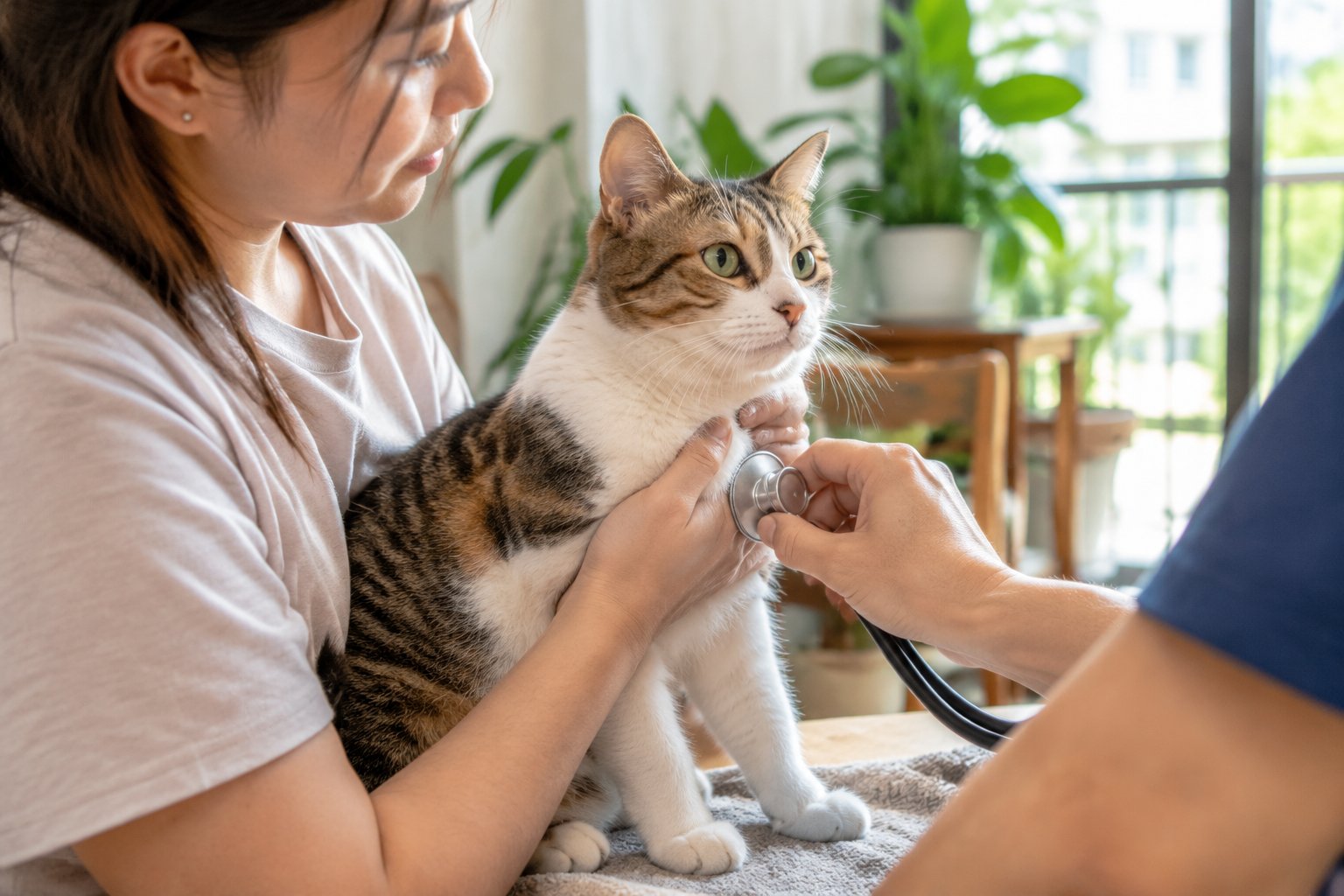
Your vet will feel joints for swelling, thickening, heat and pain, and assess muscle mass. They may watch your cat walk and jump. X-rays are commonly used to look for joint changes. Blood and urine tests may be done to check general health, especially before starting pain medication. In some cases, joint fluid analysis or other tests are needed to rule out infection or immune disease.
Because cats often have arthritis in several joints, treatment is usually tailored to the whole cat rather than one joint.
Care at home: a practical plan
1. Work with your vet on pain relief
Pain relief is the foundation of care. Never give human painkillers to cats. Paracetamol and ibuprofen are toxic to cats. Only use medicines prescribed by your vet for your cat, at the prescribed dose.
Your vet may prescribe non-steroidal anti-inflammatory drugs, often called NSAIDs, designed for cats. These require appropriate dosing and monitoring. Other options may include joint supplements, diets with added nutrients, or other medications depending on your cat's health. Some cats benefit from physical therapy or acupuncture where available, but discuss this with your vet.
2. Control weight gently
If your cat is overweight, aim for gradual weight loss with your vet's guidance. Rapid weight loss is dangerous for cats and can cause liver problems. Ask your vet to assess body condition score and set a target weight. Measure food rather than free-feeding, and use a kitchen scale for accuracy. Reduce treats and use play as a reward.
3. Make the home easier to navigate
Small changes reduce pain and frustration.
- Provide ramps or steps to favourite spots
- Place food, water and litter boxes on the same floor, away from stairs
- Use low-sided litter boxes so your cat can step in easily
- Add non-slip mats on smooth floors
- Provide warm, soft bedding away from draughts
- Keep resources in several locations so your cat does not have to travel far
- Groom gently with a soft brush, especially around the back and hindquarters
4. Encourage gentle movement
Short, frequent play sessions with a wand toy encourage stretching and movement without forcing painful joints. Avoid rough play or sudden jumps. Warm muscles move better, so a gentle play session after rest can help. If your cat seems sore after activity, reduce intensity and tell your vet.
5. Support grooming and claws
Arthritic cats may struggle to reach their back and claws. Brush gently and check claws regularly. Overgrown claws can catch and cause injury. Ask your vet or a groomer for help if needed.
6. Monitor and record
Keep a simple log of jumping ability, appetite, grooming, litter box use and mood. Bring it to check-ups. Your vet can use this to adjust treatment.
Comparison table: what helps and what to avoid
| Area | Helpful | Avoid |
|---|---|---|
| Pain relief | Vet-prescribed cat-safe medication | Human painkillers such as paracetamol or ibuprofen |
| Weight | Measured meals, gradual loss with vet guidance | Free-feeding, sudden starvation diets |
| Environment | Ramps, low litter boxes, non-slip mats, warm bedding | High jumps, slippery floors, litter boxes with high sides |
| Exercise | Short gentle play, warm-up after rest | Forced exercise, rough play, long stair climbs |
| Grooming | Soft brushing, claw checks | Ignoring matted fur or overgrown claws |
| Monitoring | Monthly diary, regular vet checks | Waiting for obvious limping before seeking help |
Living with an arthritic cat in Malaysia
Malaysian homes vary widely, from Kuala Lumpur apartments to Johor terrace houses and Penang shophouses. Arthritis care should fit your space.
In a Kuala Lumpur apartment, vertical space is valuable but stairs and high shelves can become barriers. Place ramps to window perches and keep litter boxes on the same level as your cat's resting areas. Air-conditioning can make floors cold; provide warm bedding and avoid draughty spots.
In a Johor terrace house, your cat may have access to more rooms and stairs. Block off unnecessary stair climbs with baby gates and provide litter boxes on each floor your cat uses. In Penang's rainy season, slippery tiled floors and damp bedding can worsen stiffness. Dry bedding and non-slip mats help.
Wherever you live, keep your cat indoors or in a secure enclosure to reduce injury risk and exposure to other cats. This also makes weight and activity easier to manage.
When to see a vet
See a vet if you notice any of the following:
- Stiffness, limping or reluctance to move that lasts more than a few days
- Sudden inability to use a leg or stand
- Crying, growling or biting when touched
- Reduced appetite, weight loss or increased thirst
- Changes in litter box habits, especially straining or accidents
- Matted fur, overgrown claws or skin problems
- Any sign of pain or behaviour change in a senior cat
Seek urgent veterinary care if your cat cannot walk, has a swollen hot joint, is lethargic, or stops eating. These can indicate infection, injury or other serious illness.
Prevention and long-term outlook
You cannot prevent all arthritis, but you can reduce risk and slow progression. Keep your cat lean from kittenhood. Provide safe opportunities to climb, scratch and play. Avoid repetitive high-impact jumps where possible. Treat injuries promptly. Schedule regular vet checks, especially from middle age onward.
With good care, many arthritic cats remain comfortable and active for years. The goal is not a cure but a good quality of life: manageable pain, maintained muscle, a safe home and regular monitoring. Work with your vet to adjust the plan as your cat changes.
Vet disclaimer
This article is general information for Malaysian cat owners and is not a substitute for veterinary advice. Arthritis diagnosis and treatment require a physical examination and personalised plan from a licensed veterinarian. Never give human medicines to cats. If you suspect your cat is in pain, contact your vet.
Related reading
- Arthritis in Cats in Malaysia: Signs, Diagnosis and Home Care
- Arthritis Prevention for Cats: A Practical Malaysian Guide
- Cat Arthritis Treatment in Malaysia: A Practical Owner's Guide
- How to Treat Arthritis in Cats at Home: A Practical Guide for Malaysian Owners
- Kidney Disease in Cats: Causes, Signs and Care (Malaysia Guide)
- Signs of Arthritis in Cats in Malaysia: What Owners Should Look For
- Signs of Limping in Cats in Malaysia: What Owners Should Notice
- Swollen Belly in Cats: Causes, Care and When to Worry