
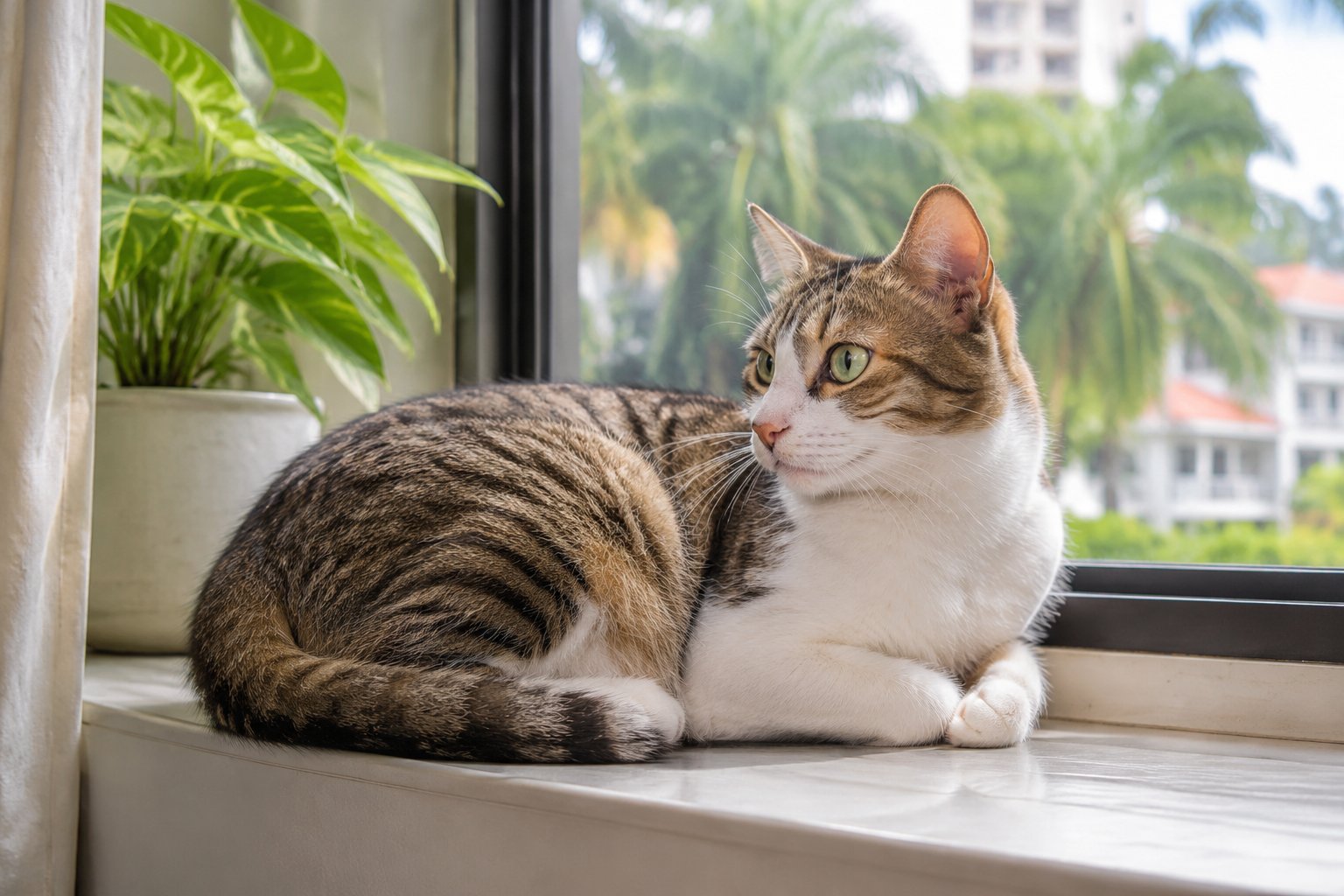
Why cats bite: the short answer
Cats bite for many reasons, and the same bite can mean different things in different situations. The most common causes are play aggression, overstimulation from petting, fear or anxiety, pain or illness, and redirected aggression. Understanding the trigger is the first step to reducing biting. Never punish a cat for biting; punishment increases fear and can make the behavior worse. Instead, use management, enrichment, and force-free training, and see a vet if biting starts suddenly or comes with signs of illness.
This guide explains each cause, how to read your cat's body language, and practical steps you can take in a Malaysian home, whether you live in a high-rise apartment or a terrace house.
The main reasons cats bite
Play aggression
Kittens and young cats have a lot of energy and a strong drive to practice hunting skills. If they learn that hands and feet are toys, they may bite during play. This is especially common in single-cat households where there is no other cat to teach bite inhibition. Play biting is often accompanied by a relaxed body, dilated pupils, and a wagging or twitching tail. It can escalate if the cat is bored or under-exercised.
Overstimulation from petting
Many cats enjoy petting for a short time, then become overstimulated. The bite may come suddenly, but there are usually warning signs: tail twitching, skin rippling along the back, ears turning sideways, or a change in purring. Cats have different tolerance levels, and some areas, such as the belly and base of the tail, are more sensitive. This is sometimes called petting-induced aggression.
Fear and anxiety
A frightened cat may bite to defend itself. This is more likely when the cat is cornered, picked up, or approached by strangers. Fearful cats often crouch, flatten their ears, hiss, or try to hide. Biting is a last resort when escape is not possible. Changes in the home, such as new furniture, visitors, or a new pet, can trigger fear-related biting.
Pain or illness
Cats are good at hiding pain. A cat with dental disease, arthritis, or abdominal pain may bite when touched or picked up. Biting that starts suddenly in an older cat, or that is linked to handling, should be checked by a vet. Other signs include changes in appetite, grooming, litter box habits, or activity level.
Redirected aggression
A cat that is aroused by something it cannot reach, such as an outdoor cat seen through a window, may redirect its aggression to a person or another pet nearby. This can happen quickly and without warning. The cat may remain aroused for a while, so it is best to separate pets and give the cat space until it calms down.
Maternal aggression
A mother cat with kittens may bite if she feels her kittens are threatened. Give her a quiet, safe space and limit handling during the first few weeks.
How to read warning signs
Cats usually give warning signs before biting. Learning these can help you avoid a bite and reduce your cat's stress.
| Body signal | What it may mean | What to do |
|---|---|---|
| Tail twitching or thumping | Overstimulation or annoyance | Stop petting, give space |
| Ears flattened or turned sideways | Fear or irritation | Back away, avoid direct stare |
| Pupils dilated | Arousal or fear | Speak softly, do not corner |
| Skin rippling | Overstimulation | End petting immediately |
| Hissing or growling | Warning | Give the cat an escape route |
| Crouching or hiding | Fear | Leave the cat alone |
| Sudden bite while being petted | Overstimulation | Note the trigger and shorten sessions |
Not all cats show every sign, and some cats learn to bite without warning if early signals were ignored. This is why it is important to respect subtle cues.
Step-by-step: reducing biting in your cat
1. Rule out medical causes
Book a vet check if biting is new, if your cat is older, or if there are other signs of illness. A vet can examine for dental pain, arthritis, and other issues. In Malaysia, ask your vet about appropriate preventive care and health checks for your cat's age and lifestyle.
2. Stop using hands as toys
Never encourage your cat to chase or bite hands, even as a kitten. Use wand toys, balls, and soft toys instead. If your cat bites your hand during play, freeze and end the session. Resume only when the cat is calm. This teaches the cat that biting ends the fun.
3. Provide daily play and enrichment
Cats need both physical and mental exercise. Aim for several short play sessions each day, especially in the evening when cats are naturally more active. Puzzle feeders, food-dispensing toys, and climbing shelves can reduce boredom. In a small apartment, vertical space is especially valuable. A cat tree by a window can provide hours of entertainment.
4. Respect petting limits
Keep petting sessions short and watch for early signs of overstimulation. Offer your hand for the cat to rub against, rather than reaching over its head. Stick to areas the cat enjoys, such as the cheeks and chin. If the cat moves away, let it go.
5. Give choice and escape routes
Fearful cats need places to hide and escape. Provide hiding boxes, high shelves, and quiet rooms. Avoid cornering a cat or picking it up when it is reluctant. Teach visitors to let the cat approach them.
6. Manage multi-pet households
If you have more than one cat, provide separate feeding stations, litter boxes, and resting areas. This reduces competition and stress. Introduce new pets slowly and use scent swapping. If redirected aggression occurs, separate the cats and consult a behavior professional.
7. Use positive reinforcement
Reward calm behavior with treats, praise, or play. For example, if your cat sits calmly while you prepare food, reward it. If your cat bites during petting, pause and then reward calm behavior when it resumes. Never use physical punishment, shouting, or spray bottles; these can increase fear and biting.
Biting in different Malaysian living situations
Kuala Lumpur apartment
In a high-rise apartment, space is limited, so cats may become bored and develop play aggression. Use vertical space, window perches, and interactive toys. Rotate toys to keep them novel. If your apartment has a balcony, ensure it is securely netted to prevent falls and escapes. Daily play sessions are essential.
Johor terrace house
A terrace house may have more space, but outdoor access can increase redirected aggression if your cat sees other cats through windows or doors. Keep screens secure and provide indoor enrichment. If you have a garden, consider a secure catio rather than free roaming, which protects wildlife and reduces the risk of fights and disease.
Penang rainy season
During the rainy season, cats may be stuck indoors for longer periods, leading to boredom and biting. Plan indoor games, puzzle feeders, and training sessions. Cats can learn simple cues like sit or touch a target, which provides mental stimulation. Rotate activities to prevent boredom.
What not to do
- Do not hit, flick, or shout at your cat. This increases fear and can cause serious behavior problems.
- Do not use spray bottles or shake cans. These can make cats anxious and damage trust.
- Do not hold your cat down or force handling. This can lead to defensive biting.
- Do not ignore pain. If biting is new, see a vet.
- Do not let kittens bite hands during play, even if it seems cute. It teaches bad habits.
When to see a vet
See a vet if your cat's biting is new or sudden, especially in an older cat. Also seek veterinary advice if biting is accompanied by any of the following:
- Loss of appetite or weight loss
- Hiding more than usual
- Changes in litter box habits
- Drooling, bad breath, or difficulty eating
- Limping or reluctance to jump
- Aggression when touched in a specific area
- Vocalizing more than usual
A vet can rule out medical causes and advise on next steps. If no medical cause is found, ask for a referral to a qualified behavior professional who uses force-free methods.
How to handle a bite
If you are bitten, wash the wound with soap and water and seek medical advice, especially if the bite is deep or on the hand. Cat bites can become infected. Do not punish the cat; instead, separate yourself calmly and give the cat space. Note what happened before the bite to identify triggers.
Building a bite-prevention plan
| Area | Action | Frequency |
|---|---|---|
| Play | Wand toy sessions | 2-3 times daily, 10-15 minutes |
| Enrichment | Puzzle feeder or food toy | Daily |
| Environment | Vertical space and hiding spots | Always available |
| Handling | Short, consensual petting | As tolerated |
| Health | Vet check | As advised by your vet |
| Training | Reward calm behavior | Daily |
Understanding cat body language in context
Context matters. A cat may bite during play but not during petting, or vice versa. Keep a simple diary of when biting happens: time of day, what you were doing, who was present, and what happened just before. This can reveal patterns. For example, if biting happens mostly in the evening, increase play before dinner. If it happens when visitors come, set up a quiet room for the cat.
The role of stress in biting
Stress can lower a cat's tolerance and make biting more likely. Common stressors include changes in routine, new pets, moving house, renovations, and loud noises. In Malaysia, festive seasons with fireworks or thunderstorms can also stress cats. Provide safe spaces and keep routines predictable. Pheromone products may help some cats, but ask your vet first.
Teaching children about cat safety
Children are often bitten because they move quickly or handle cats roughly. Teach children to let the cat come to them, to stroke gently, and to avoid picking up the cat. Supervise interactions and provide the cat with high places to escape. Never leave a child alone with a cat.
Final thoughts
Biting is a symptom, not a personality flaw. With patience, observation, and force-free training, most cats can learn to bite less. Start by ruling out pain, then address play and overstimulation, and give your cat choice and enrichment. If you are struggling, seek help from a qualified professional. Your cat's behavior can improve, and your relationship will benefit.
This article is for general information only and is not a substitute for veterinary advice. If your cat is unwell or biting is a concern, consult a licensed veterinarian in Malaysia.
Related reading
- Cat Behaviour Guide Malaysia 2026: Decode 30 Signals, Fix the Environment First
- Cat Biting Explained: Why Cats Bite and How to Stop It
- Cat Clicker Training Explained: A Practical Guide for Malaysian Cat Owners
- Cat Climbing Training Tips: Safe Vertical Play for Malaysian Homes
- Cat Scratching Furniture: Training Tips That Actually Work
- Clicker Training in Cats Malaysia: A Practical Guide for Malaysian Pet Owners
- Aggression in Cats in Malaysia: Why It Happens and How to Handle It
- Carrier Training in Cats Malaysia: A Practical Guide for Calm Vet Visits
- Cat Aggression Explained: Why Cats Bite, Swipe and Hiss — and What to Do
- Cat Aggression Training Tips: A Practical Guide for Malaysian Owners

