
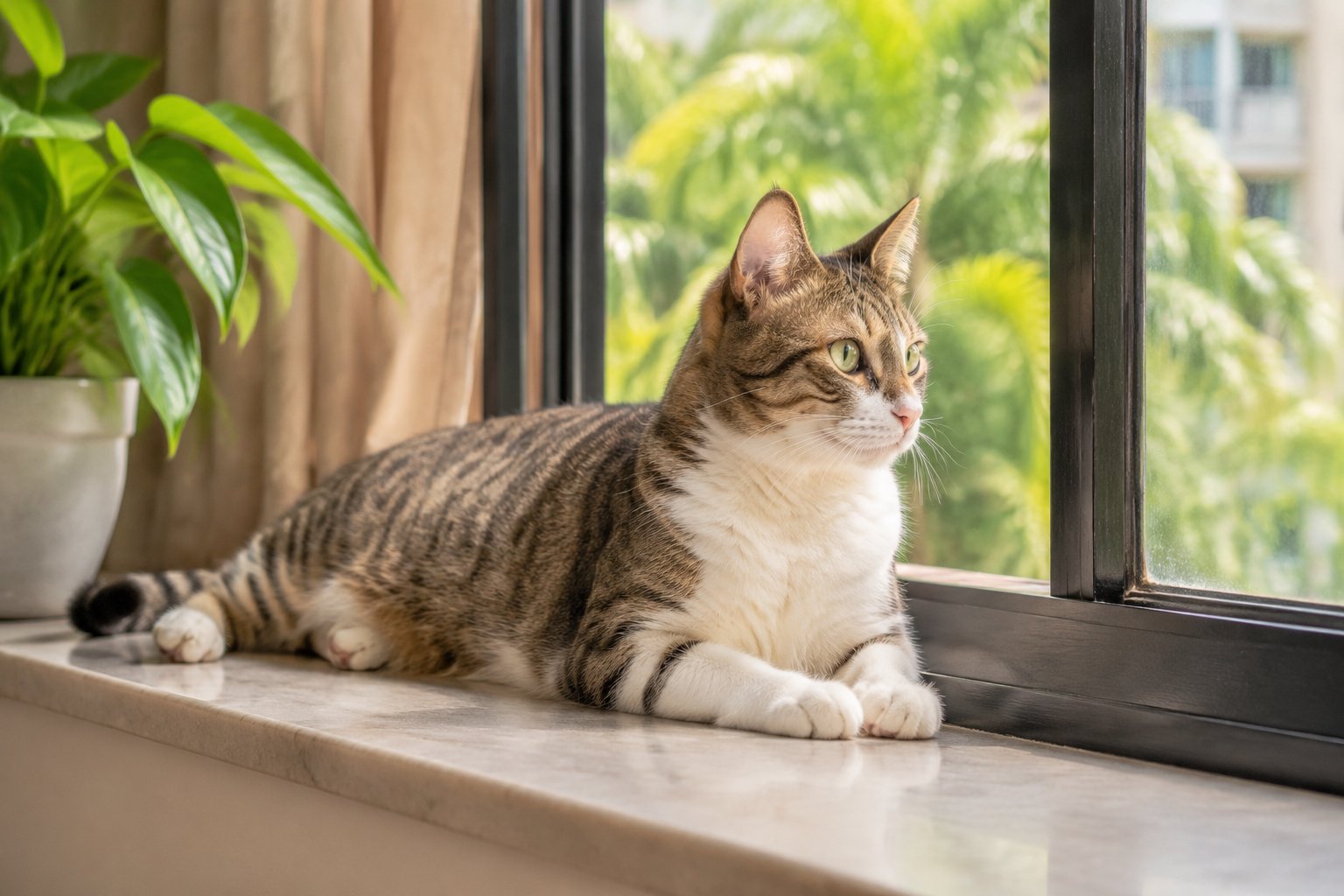
Why cats bite
Cats bite for many reasons, and most bites are not about aggression. Understanding the cause is the first step to stopping it. Common triggers include play drive, overstimulation from petting, fear, pain, and frustration when a cat wants something you are not providing.
Kittens learn bite inhibition from their mother and littermates. If they are separated too early or encouraged to bite hands during play, they may not learn that teeth on skin end the fun. Adult cats may bite because they are startled, cornered, or in pain.
In Malaysian homes, biting often happens during evening play, when cats are most active, or when visitors arrive and a cat feels trapped. Apartments with limited escape routes can make fear-based biting more likely. The good news is that biting is a behaviour you can change with patience and consistency.
First, rule out medical causes
Before you start a training plan, consider health. A cat that suddenly bites when picked up may have arthritis or dental pain. A cat that bites when you touch its back may have skin issues or hyperesthesia. Cats are good at hiding pain, so a change in temperament can be the first sign.
Book a vet check if biting is new, if your cat is older, or if you notice weight loss, appetite changes, litter box changes, or reluctance to jump. Your vet can examine for dental disease, joint pain, and thyroid problems. Treating the underlying condition often reduces irritability.
Never punish a cat for biting caused by pain. Punishment adds fear and can make the biting worse. Instead, note when and where biting happens and share that pattern with your vet.
Decode the trigger: a quick checklist
Use this checklist to identify why your cat bites. Keep a simple log for a week.
| Trigger | Typical signs | What to do |
|---|---|---|
| Play aggression | Biting ankles, pouncing, dilated pupils, tail up | Increase interactive play; use wand toys; avoid hands |
| Overstimulation | Biting after a few seconds of petting, tail twitching, skin rippling | Shorten petting sessions; stop at first sign; offer a toy |
| Fear or defensive | Ears flat, body low, hissing, cornered | Give space; remove the threat; create escape routes |
| Pain or illness | New biting, reluctance to move, appetite change | See a vet |
| Frustration | Biting when hungry or bored, meowing at door | Feed on schedule; add enrichment; puzzle feeders |
| Maternal or territorial | Biting near kittens or a specific area | Do not intrude; consult a behaviourist |
Once you know the trigger, you can choose the right strategy. Most biting in pet cats falls into play aggression or overstimulation.
Step-by-step plan to stop biting
1. Never use hands as toys
This is the most important rule. If you wiggle your fingers under a blanket or let a kitten chase your hand, you teach that hands are prey. That lesson is hard to undo. Use a wand toy, a soft kick toy, or a ball instead. When your cat bites your hand, freeze, say 'ouch' calmly, and withdraw attention for a minute. Then offer a toy. The message is: teeth on skin end the game; toys restart it.
2. Teach bite inhibition with time-outs
If your cat bites during play, end the session immediately. Stand up, cross your arms, and look away for 30 to 60 seconds. Do not yell or hit. If your cat persists, leave the room for a minute. Repeat every time. Cats learn quickly that biting stops the fun. For kittens, a short time-out is enough; they have short attention spans.
3. Increase appropriate play
Many biting cats are bored and under-exercised. Aim for two or three interactive play sessions daily, each 10 to 15 minutes. Use a wand toy to mimic prey: move it away from your cat, let it hide, then dart. End with a small treat or meal so your cat feels successful. In small apartments, play before you leave for work and before bed to reduce night biting.
4. Respect the petting threshold
Some cats enjoy head and chin scratches but not back or belly touches. Watch for early warning signs: tail flicking, ear rotation, skin rippling, or a sudden turn of the head. Stop petting before your cat bites. Offer your hand for sniffing first, and let your cat choose. If your cat walks away, let it go. This builds trust and reduces defensive bites.
5. Provide escape routes and safe spaces
Fear-based biting often happens when a cat feels cornered. In a Malaysian apartment, create vertical space with cat trees or shelves, and ensure your cat can retreat when visitors come. Use a baby gate or a quiet room for introductions. Never pick up a cat that is hiding or hissing. Let it come to you.
6. Use positive reinforcement
Reward calm behaviour. When your cat sits quietly while you prepare food, toss a treat. When it plays gently with a toy, praise softly. Clicker training can help: click and treat for gentle mouthing or for looking away. Keep sessions short and fun. Avoid scolding, which can make cats fearful and more likely to bite.
7. Manage the environment
Remove temptations. Put cords and dangling items away. Provide scratching posts and puzzle feeders. If your cat bites ankles when you walk past, carry a toy and toss it ahead. In terrace houses in Johor, cats may bite at doors when they want to go out; create a routine with scheduled play and feeding instead of free access.
What not to do
- Do not hit, tap, or spray your cat. These methods increase fear and aggression.
- Do not hold your cat down or scruff an adult cat. This can trigger defensive biting.
- Do not pull your hand away quickly during a bite; this can deepen the wound. Instead, push gently toward your cat's mouth to make it release, then withdraw.
- Do not ignore sudden behaviour changes. Pain is a common cause.
Special situations
Kitten biting
Kittens explore with their mouths. Provide appropriate chew toys and avoid hand play. If possible, let kittens stay with littermates until at least 8 to 10 weeks; they learn bite inhibition from each other. If your kitten bites hard, yelp softly and pause play. Consistency matters more than intensity.
Adult cat biting during petting
This is often overstimulation. Limit petting to short sessions and target the head and chin. If your cat bites, end the session calmly. Over time, your cat may tolerate longer sessions, but respect its limits.
Biting during grooming or medication
Use a towel wrap or ask your vet for help. Never force. Desensitise by touching paws briefly and rewarding. For nail trims, do one nail at a time and reward. If your cat bites during brushing, use a soft brush and short sessions.
Biting visitors
Keep your cat in a separate room when guests arrive. Ask visitors to ignore the cat until it approaches. Provide a high perch so the cat can observe safely. If biting is severe, consult a qualified behaviourist.
Comparison table: play biting vs. fear biting
| Feature | Play biting | Fear biting |
|---|---|---|
| Body posture | Relaxed, tail up, pupils dilated | Crouched, ears flat, tail tucked |
| Timing | During play or when bored | When approached or cornered |
| Intensity | Often inhibited, repeated nips | Sudden, hard bite, hissing |
| Response to toys | Redirects easily | Ignores toys, focused on threat |
| Strategy | More play, time-outs | Give space, remove threat, vet check |
When to see a vet
See a vet if biting is sudden, if your cat shows signs of pain, if there is a wound that won't heal, or if your cat stops eating or using the litter box. Also seek help if biting is accompanied by lethargy, weight loss, or changes in grooming. A vet can rule out medical causes and refer you to a behaviourist if needed. For human bites that break the skin, wash thoroughly and seek medical advice.
Building a long-term plan
Stopping biting is about prevention and consistency. Set a daily routine with play, feeding, and quiet time. Track incidents in a notebook or phone app. Note the time, trigger, and what worked. After two weeks, review patterns. Most cats improve with enrichment and clear boundaries. If progress stalls, consult your vet or a certified behaviourist. Never use aversive tools like shock collars or spray bottles; they damage trust and can worsen biting.
Local context for Malaysian cat owners
In Kuala Lumpur apartments, space is limited, so vertical climbing structures and scheduled play are essential. In Johor terrace houses, cats may have more room but can still bite at doors or windows when they see outdoor cats. In Penang's rainy season, indoor play becomes even more important when cats cannot go outside. Always keep cats indoors for safety, and provide screened windows for fresh air.
Final thoughts
Cat biting is solvable. Start with a vet check, identify the trigger, and use positive reinforcement. Avoid punishment, increase play, and respect your cat's boundaries. With patience, you can build a calm, trusting relationship.
Disclaimer: This article is for general information only and is not a substitute for veterinary advice. Always consult a licensed veterinarian for health concerns.
Related reading
- Cat Behaviour Guide Malaysia 2026: Decode 30 Signals, Fix the Environment First
- Aggression in Cats in Malaysia: Why It Happens and How to Handle It
- Cat Aggression Explained: Why Cats Bite, Swipe and Hiss — and What to Do
- Cat Aggression Training Tips: A Practical Guide for Malaysian Owners
- Cat Belly Up in Malaysia: 4 Meanings & Whether You Can Touch
- Cat Biting Explained: Why Cats Bite and How to Stop It
- Cat Clicker Training: Practical Training Tips for Malaysian Cat Owners
- Cat Fear of Strangers: Training Tips That Actually Work

