
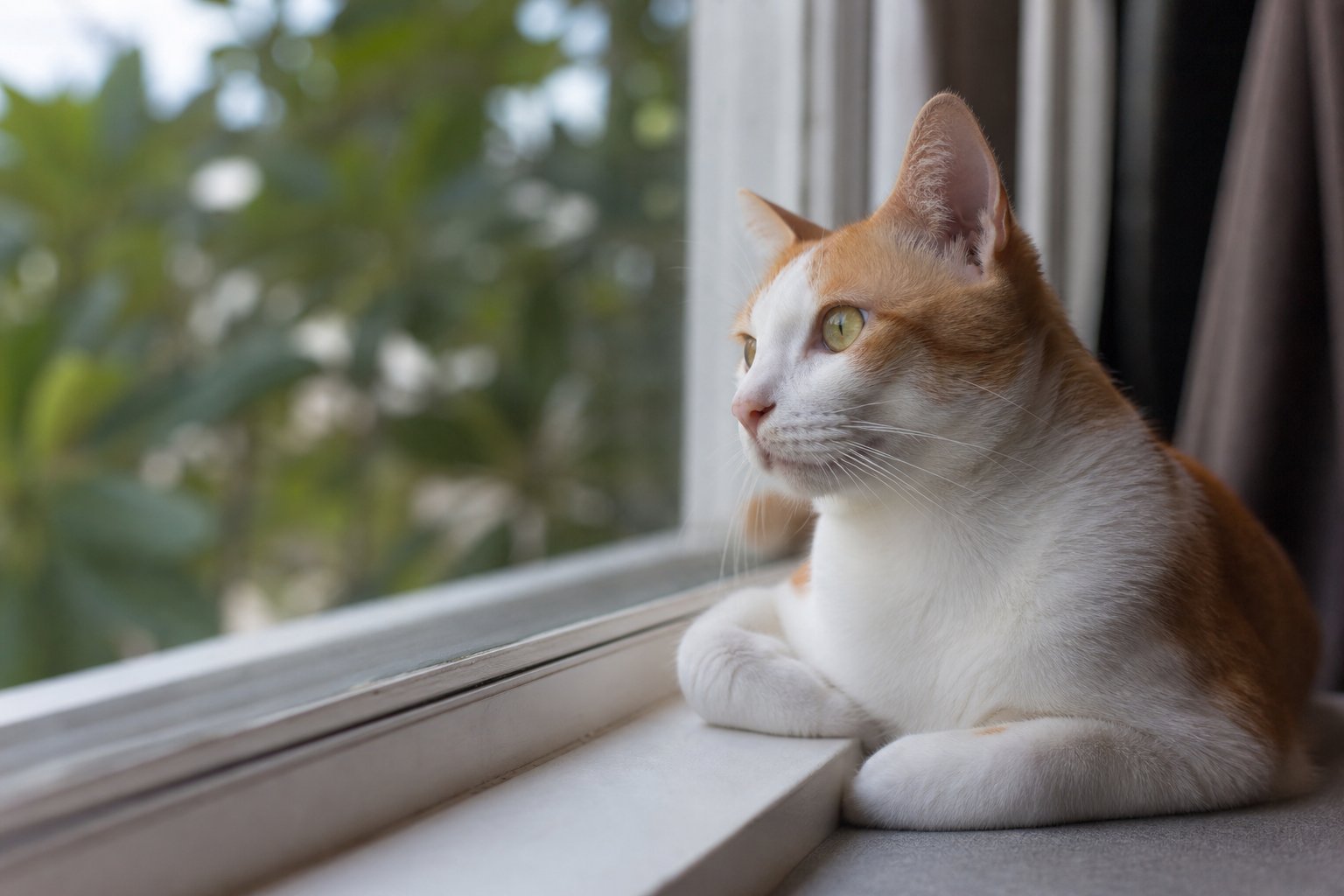
Start with the vet, then train the habit
Cat over-grooming training tips only work when you know what you are dealing with. Over-grooming is repeated licking, chewing or pulling at fur that goes beyond normal cleaning. It can leave bald patches, stubbly fur, red skin or sores. Some cats do it because of itch, fleas, allergies, pain or another medical problem. Others do it because of stress, boredom or a sudden change at home. Your first step is a vet check. Your second step is a calm, consistent training and enrichment plan. This guide walks you through both, with practical routines you can use in a Malaysian apartment, terrace house or multi-cat home.
What counts as over-grooming?
Normal grooming is part of a cat's day. Cats wash after meals, after waking and after being touched. It becomes a problem when grooming is longer, more intense or focused on one area. Common signs include:
- Bald patches or thin fur on the belly, inner thighs, forelegs or flanks.
- Short, broken or stubbly hair where the cat has been chewing.
- Red, shiny or irritated skin.
- Hairballs or vomiting more often.
- Grooming that continues after the cat is already clean.
- Grooming that interrupts eating, playing or resting.
- Fur pulling, nibbling or licking at the air.
Some cats over-groom in secret. Others do it in front of you, especially when they are bored or waiting for food. A simple phone video can help your vet see the behaviour. Keep a note of when it happens, how long it lasts and what happened just before.
Normal grooming vs over-grooming
| Feature | Normal grooming | Over-grooming |
|---|---|---|
| Duration | Short bursts, often after meals or waking | Long sessions, repeated through the day |
| Coat | Even, full coat | Bald patches, stubble, thin areas |
| Skin | Normal colour, no sores | Red, shiny, broken or scabby |
| Triggers | Routine cleaning | Stress, boredom, itch, pain, changes |
| Response to distraction | Stops easily | Hard to interrupt; returns to same spot |
If you are unsure, treat it as a possible medical issue until a vet says otherwise. Skin problems and pain can look like behaviour problems, and behaviour problems can make skin worse.
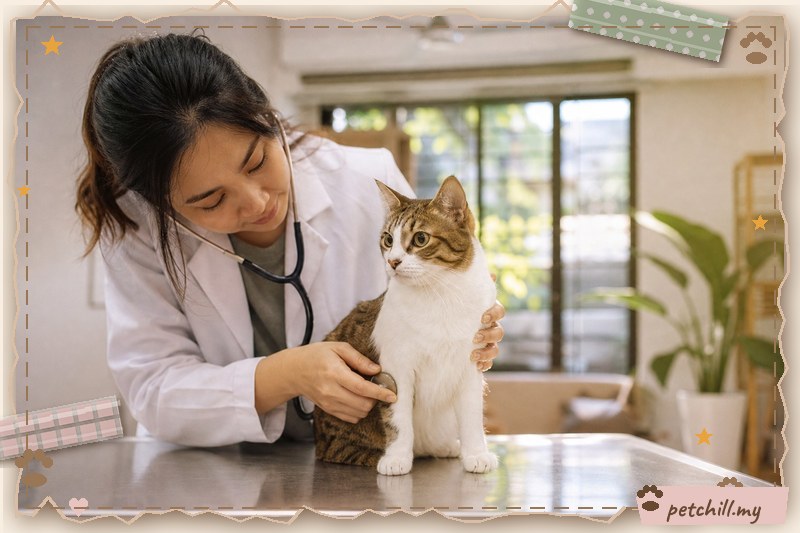
Rule out medical causes first
A vet visit is not optional when you see hair loss or skin damage. Your vet may check for fleas, mites, ringworm, bacterial or yeast infections, allergies, food reactions and pain. Dental pain, arthritis and abdominal discomfort can also lead to licking. Some cats lick one area because it hurts underneath.
Bring a list of what you have noticed: when it started, which body parts are affected, any diet changes, new pets, moving house, renovations, new furniture, visitors or a new baby. If your cat is on medication or has had recent surgery, mention that too. In Malaysia, humid weather can make skin folds and damp patches worse, so check under collars, harnesses and around the tail base.
Do not start medicated shampoos, sprays or supplements without veterinary advice. Some human products are toxic to cats. If your vet gives a treatment plan, follow it exactly and keep a log of changes.
Why cats over-groom: the behaviour side
Once medical causes are being handled, look at the behaviour. Over-grooming can be a coping habit. It may start after a stressful event and continue because it feels calming. Common triggers include:
- Boredom and lack of hunting or play.
- Sudden routine changes, such as a new work schedule.
- Conflict in a multi-cat home.
- A new pet, baby or housemate.
- Moving house or rearranging furniture.
- Loud noises, renovations or frequent visitors.
- Being confined in a small space without retreat options.
- Separation from a favourite person or pet.
- Inconsistent feeding times.
Stress in cats is often quiet. A cat may not cry or hide. It may simply groom more, eat less, spray, or avoid certain rooms. Training and enrichment aim to lower that background stress and give the cat better things to do.
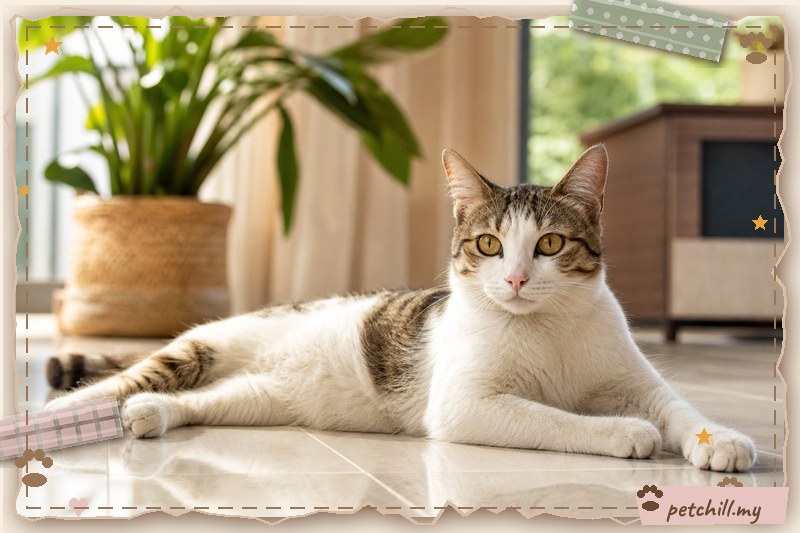
Training tip 1: build a predictable daily routine
Cats feel safer when they know what comes next. Set regular times for meals, play and quiet time. Even a simple sequence helps: breakfast, short play, grooming check, rest, dinner, play, wind-down. Keep it as consistent as you can on weekdays and weekends.
Use a visual schedule on the fridge if more than one person feeds the cat. In shared homes, unclear feeding duties can cause missed meals and stress. A predictable routine is one of the simplest over-grooming training tips because it reduces uncertainty without requiring complex equipment.
Training tip 2: use play as a replacement behaviour
Play is one of the best ways to redirect a cat away from grooming. Aim for two or three short sessions a day, about five to ten minutes each. Use a wand toy that mimics prey: move it away from the cat, let it hide, then let the cat catch it. End with a small treat or a meal so the hunt has a payoff.
If your cat starts grooming at a certain time, schedule play just before that time. For example, if grooming happens after dinner, do a five-minute play session, then offer a puzzle feeder. The goal is to give the cat a better routine at the exact moment the old habit usually starts.
Keep sessions short and stop before your cat gets frustrated. A tired, satisfied cat is less likely to groom out of boredom. Avoid laser pointers as the only toy because some cats become more frustrated when they cannot catch anything.
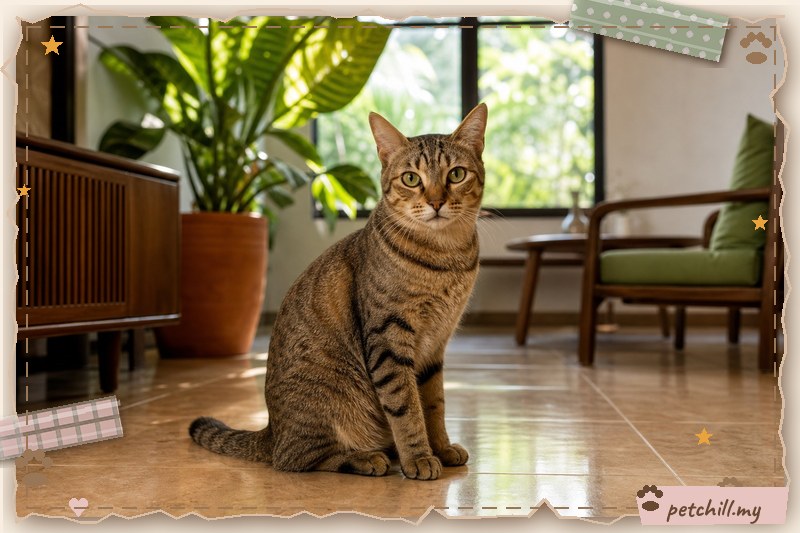
Training tip 3: reward calm, not the grooming
Punishment does not work for over-grooming. Shouting, spraying water or pushing the cat away can increase stress and make the habit worse. Instead, reward the behaviour you want. When your cat is resting calmly, sitting on a perch or playing with a toy, give a quiet treat or gentle praise.
Use a calm marker word such as "nice" in a soft voice, then reward. Keep rewards small so you do not upset the diet. If your cat is overweight, use part of the daily food ration as rewards instead of extra treats.
Quick reward checklist
- Reward calm resting in a favourite spot.
- Reward playing with a toy instead of licking.
- Reward using a scratching post.
- Reward eating from a puzzle feeder.
- Ignore the grooming itself; redirect gently to a toy or activity.
Training tip 4: redirect without a fight
When you see your cat grooming intensely, do not grab or scold. Try a gentle distraction: roll a toy past, call your cat to a perch, or place a treat on a snuffle mat. If your cat stops and comes over, reward. If not, walk away and try again later. The aim is to break the loop without adding stress.
Some cats respond to a soft sound cue, such as a clicker or a word, if it has been paired with treats. Start by pairing the sound with a treat when the cat is calm. Then use the sound to interrupt grooming and guide the cat to a toy. Keep sessions short and positive.
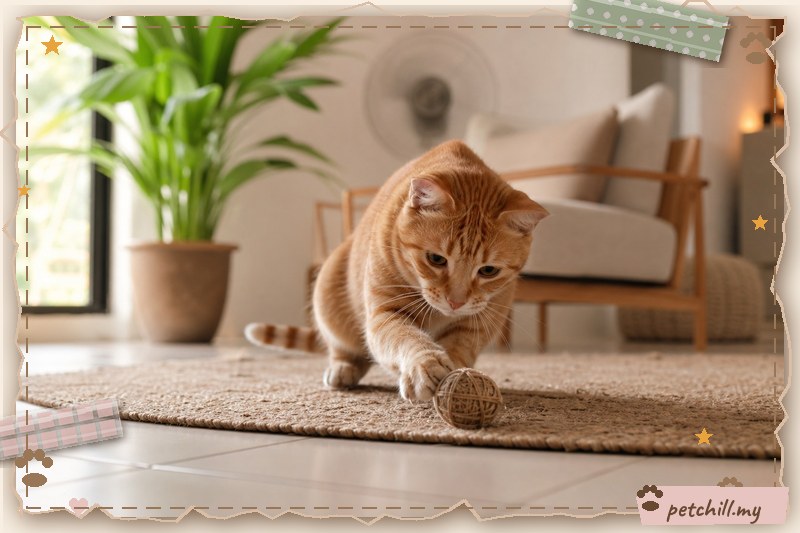
Training tip 5: enrich the indoor environment
Indoor cats need things to do. Enrichment reduces boredom and gives cats alternative outlets. Try these ideas:
- Vertical space: cat trees, shelves or window perches.
- Hiding spots: boxes, tunnels and covered beds.
- Scratching surfaces: sisal posts and horizontal scratchers.
- Puzzle feeders and food-dispensing toys.
- Safe chew toys and cat grass if your vet agrees.
- Window views with a bird feeder or safe outdoor view.
- Rotating toys so they feel new.
In a Kuala Lumpur apartment, vertical space is often more useful than floor space. A tall cat tree near a window can give a cat a sense of territory and a place to watch the world. In a Johor terrace house, watch for hot afternoon rooms and provide cool, shaded retreats. Cats need choice: several resting spots, several water bowls and at least one high place away from noise.
Training tip 6: manage multi-cat stress
In multi-cat homes, over-grooming can be a sign of social tension. Cats may block each other from food, litter trays or resting spots. Make sure resources are spread out and plentiful:
- One litter tray per cat plus one extra, in different locations.
- Separate feeding stations out of sight of each other.
- Multiple water bowls.
- Several high resting places.
- Separate play sessions with each cat.
If one cat guards resources, talk to your vet or a qualified behaviour professional. Do not assume the cats are fine because they do not fight. Quiet avoidance and blocking are common.
Training tip 7: use food puzzles and slow feeders
Food puzzles give cats a job and slow down eating. Start easy so your cat does not give up. A muffin tin with treats in some cups, a cardboard box with holes, or a commercial puzzle feeder all work. Feed part of the daily ration through puzzles rather than adding extra food.
Rotate puzzles every few days to keep them interesting. If your cat gets frustrated, make the puzzle easier. The goal is success, not challenge for its own sake.
Training tip 8: keep a grooming and behaviour log
A simple log helps you and your vet see patterns. Note the date, time, what body part was groomed, how long it lasted, what happened before and what helped. After two weeks, you may see triggers such as a certain visitor, a feeding delay or a noisy appliance.
Use a notebook or a phone note. Keep it short. A few lines per episode is enough. Bring it to your vet appointment.
Training tip 9: calm handling and gentle checks
Some cats over-groom because handling is stressful. Build positive associations with gentle touch. Start with short sessions, touch briefly, then reward. Gradually include a quick coat check, ear check and paw check. If your cat hates being brushed, use a soft cloth or your hand first.
Never force a cat to stay. If your cat leaves, let it go and try again later. For cats that need a protective suit or cone, ask your vet how to introduce it gradually.
Training tip 10: protect the skin while you work on behaviour
If your cat has raw or broken skin, your vet may recommend a protective suit, cone or bandage. Use it only as advised. Check the skin daily and keep the area clean and dry. In humid weather, damp fabric can irritate skin, so follow your vet's instructions on how long to use it.
Do not use human creams, antiseptics or essential oils on cats unless your vet approves. Many are toxic or irritating.
What not to do
- Do not punish or spray water.
- Do not hold the cat down to stop grooming.
- Do not change diets suddenly without advice.
- Do not use dog products on cats.
- Do not assume it is "just a habit" without a vet check.
- Do not add lots of new pets or changes during treatment if you can avoid it.
When to see a vet
See a vet promptly if you notice bald patches, broken skin, bleeding, scabs, redness, swelling, weight loss, appetite changes, vomiting, diarrhoea, breathing changes, pain when touched, or grooming that stops your cat eating or sleeping. Also see a vet if the behaviour starts suddenly, spreads quickly, or does not improve with home changes. If your cat is licking a surgical site or a wound, call your vet the same day. In an emergency, contact a veterinary clinic immediately.
A simple two-week plan
| Day | Focus | Action |
|---|---|---|
| 1 | Vet check | Book appointment; start a behaviour log |
| 2 | Routine | Set fixed meal and play times |
| 3 | Play | Two short wand-toy sessions |
| 4 | Enrichment | Add one puzzle feeder |
| 5 | Space | Add or move a high resting spot |
| 6 | Multi-cat | Spread out food and water bowls |
| 7 | Review | Read the log; note triggers |
| 8 | Play | Add a third short session |
| 9 | Handling | Gentle two-minute touch and reward |
| 10 | Enrichment | Rotate toys; add a hiding box |
| 11 | Routine | Check weekend feeding consistency |
| 12 | Skin check | Look for redness or bald patches |
| 13 | Review | Adjust what is not working |
| 14 | Vet follow-up | Share the log and progress |
Final thoughts
Over-grooming is a signal, not a personality quirk. Start with a vet to rule out medical causes, then use calm, consistent training and enrichment to lower stress and redirect the habit. Keep sessions short, reward calm behaviour and track what you see. With patience, most cats can be helped, and your log will make veterinary care more effective.
This article is general information only and is not a substitute for veterinary advice. Always consult a licensed veterinarian for diagnosis and treatment of your cat.
Related reading
- Cat Behaviour Guide Malaysia 2026: Decode 30 Signals, Fix the Environment First
- Cat Clicker Training: Practical Training Tips for Malaysian Cat Owners
- Cat Fear of Strangers: Training Tips That Actually Work
- Cat Hiding Training Tips: Why Cats Hide and How to Help Them Feel Safe
- Cat Meowing at Night: Training Tips That Actually Work
- Cat Night Activity Training Tips: How to Calm a Nocturnal Cat
- Cat Scratching Furniture: Training Tips That Actually Work
- Cat Spraying Training Tips: How to Stop Your Cat From Spraying Indoors
- Fear of Strangers in Cats in Malaysia: Why Your Cat Hides and How to Help
- How to Stop Cat Carrier Training: When to Pause, Reset, and Try a Different Approach

