
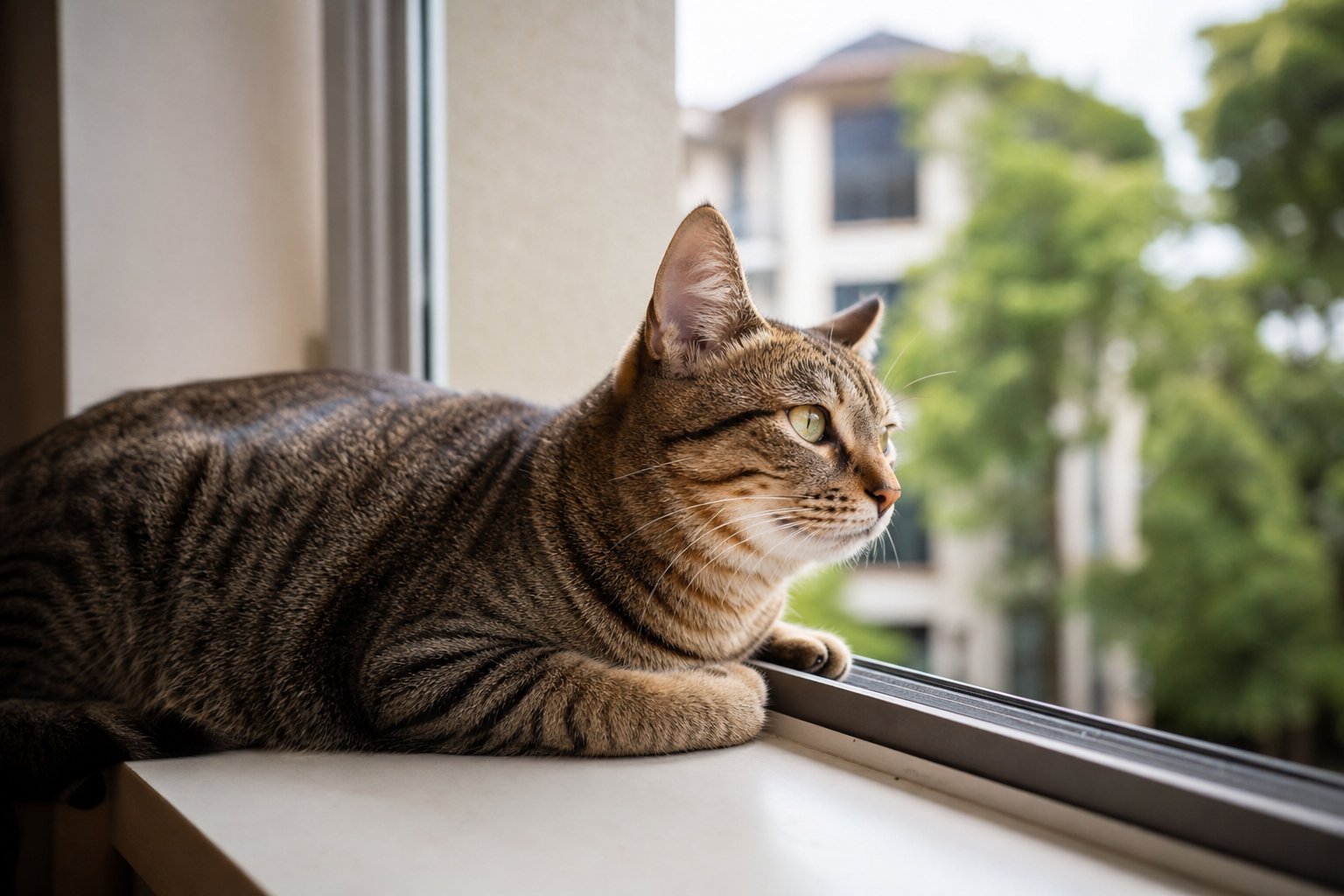
What is clicker training and why does it work for cats?
Clicker training is a positive-reinforcement method that uses a distinct click sound to mark the exact moment your cat does something you want to reward. The click is followed immediately by a treat. Because the click always predicts food, it becomes a powerful signal that tells your cat precisely which behaviour earned the reward.
Cats are often labelled untrainable, but that reputation comes from training methods that rely on punishment or repetition without clear communication. Clicker training removes ambiguity. A cat that hears a click at the exact moment its paw touches a target knows exactly what it did right. This precision makes learning faster and reduces frustration for both of you.
The method is based on operant conditioning, the same principle used to train dolphins and dogs. It works because cats are motivated by consequences. If a behaviour leads to something pleasant, it is more likely to be repeated. The clicker simply makes the consequence clearer.
Before you start: equipment and preparation
You do not need much equipment, but the right setup makes a big difference.
Clicker: A simple box clicker or button clicker is fine. Some owners use a clicker pen. The sound should be distinct and consistent. Avoid clickers that are too loud or have a metallic ring that startles your cat.
Treats: Use tiny, high-value treats. Cooked chicken, fish, or commercial cat treats work well. The treat should be small enough to eat in one bite so training does not stall while your cat chews. Keep a variety on hand to prevent boredom.
Target stick: A chopstick or a wooden spoon with a small ball on the end can serve as a target. You will use it to teach your cat to touch a specific object.
Quiet space: Choose a room with few distractions. In a Malaysian apartment, a bedroom or a quiet corner away from the TV and other pets works well. Start with low distractions and gradually increase difficulty.
Treat pouch: A small pouch or a pocket helps you deliver treats quickly. Speed matters because the reward must follow the click within one to two seconds.
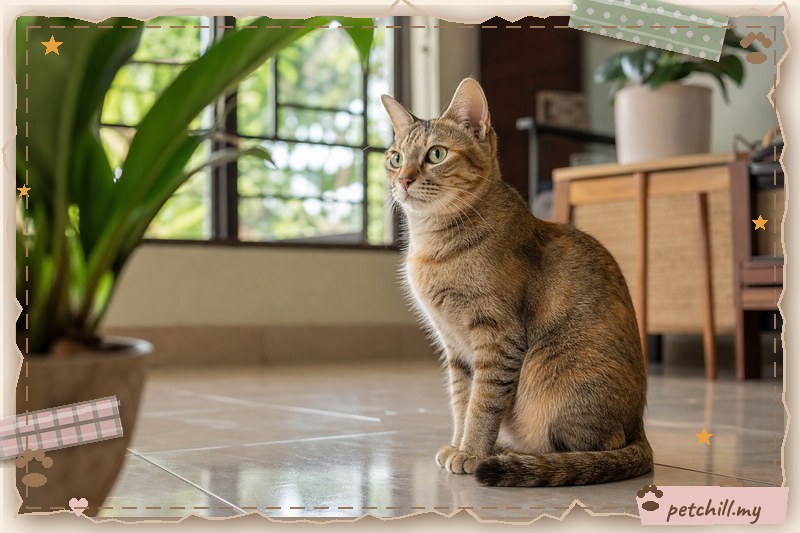
Step one: charge the clicker
Before you can use the clicker to mark behaviours, your cat must learn that click means treat. This is called charging the clicker.
- Sit in a quiet room with your cat and a bowl of tiny treats.
- Click once, then immediately give a treat.
- Repeat 10 to 15 times in a session.
- Do this for two or three short sessions over a few days.
Watch for signs that your cat has made the connection: ears perk up at the click, eyes look toward your treat hand, or your cat approaches you after the click. Once you see these signs, you can start marking behaviours.
Do not click without treating during this phase. Every click must be followed by a treat so the association stays strong.
Step two: capture and shape simple behaviours
Start with behaviours your cat already does naturally. Capturing means you wait for the behaviour to happen and then click and treat.
Eye contact: Wait for your cat to look at you. The moment its eyes meet yours, click and treat. Repeat. Soon your cat will offer eye contact more often.
Sitting: Wait for your cat to sit. Click and treat the moment its bottom touches the floor. Be patient; cats sit often.
Targeting: Hold out a target stick and wait for your cat to sniff or touch it. Click and treat the moment its nose touches the stick. Gradually move the stick so your cat has to stretch or step to touch it.
Shaping means rewarding small steps toward a final behaviour. For example, to teach your cat to jump onto a stool, first reward looking at the stool, then stepping toward it, then touching it, then placing one paw on it, and so on. Each small success earns a click and treat.
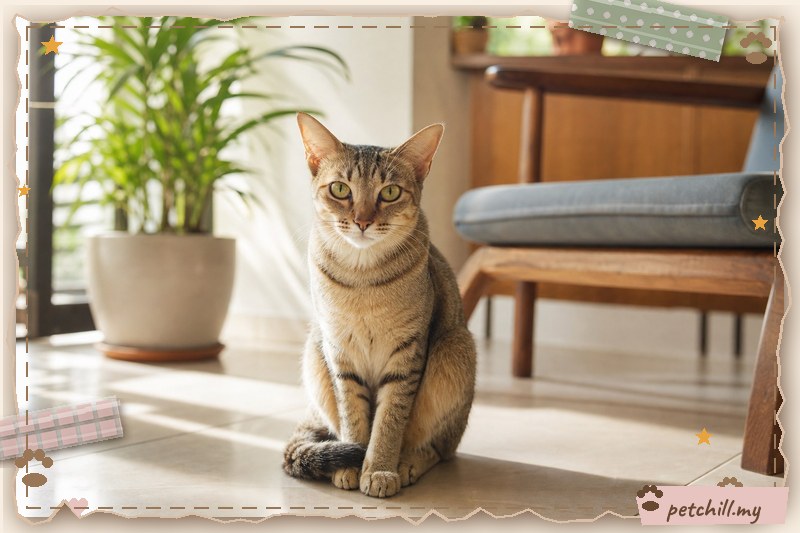
Step three: add cues and build duration
Once your cat reliably offers a behaviour, you can add a verbal cue. Say the cue just before your cat performs the behaviour, then click and treat. With repetition, your cat will associate the word with the action.
Build duration gradually. If you are teaching your cat to stay on a mat, start by rewarding one second of staying, then two seconds, then three, and so on. Increase difficulty in small steps so your cat keeps succeeding.
Add distance and distractions slowly. In a Malaysian home, distractions might include a ceiling fan, a passing motorcycle, or another cat. Train in a quiet room first, then practise in slightly busier areas as your cat improves.
Practical training tips for Malaysian cat owners
Keep sessions short. Three to five minutes is enough. Cats lose interest quickly, especially in warm weather. Short, frequent sessions are more effective than long ones.
Train before meals. A slightly hungry cat is more motivated by treats. Train before breakfast or dinner, but never withhold food as a training tool.
Use high-value treats. Your cat's regular kibble may not be motivating enough. Reserve special treats for training so they stay valuable.
Adjust for the climate. In Malaysia's heat and humidity, train in a cool, shaded room. Avoid training during the hottest part of the day. Keep treats fresh and store them properly to prevent spoilage.
Manage multi-cat households. If you have more than one cat, train one at a time in a separate room. Other cats can distract or steal treats. Rotate training sessions so each cat gets individual attention.
Be consistent. Everyone in the household should use the same cues and reward system. Inconsistent signals confuse cats and slow progress.
Never punish. Clicker training is about rewarding what you want, not punishing what you don't. Punishment damages trust and makes cats fearful.
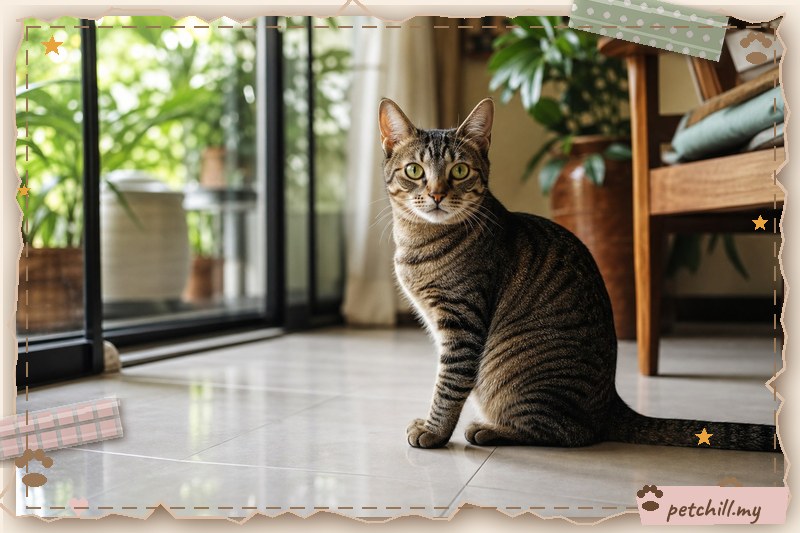
Common mistakes and how to fix them
| Mistake | Why it happens | How to fix it |
|---|---|---|
| Clicking too late | Reaction time is slow | Click the instant the behaviour happens, not after |
| Clicking without treating | Forgetting the treat | Always pair click with treat during training |
| Using the clicker to get attention | Misunderstanding its purpose | The clicker marks behaviour; it is not a remote control |
| Training too long | Enthusiasm | Keep sessions under five minutes |
| Using low-value treats | Convenience | Test treats to find what your cat loves |
| Training in a noisy room | Distractions | Start in a quiet space and increase difficulty gradually |
| Punishing mistakes | Frustration | Ignore unwanted behaviour and reward what you want |
| Inconsistent cues | Multiple people training | Agree on one cue per behaviour |
Troubleshooting: when your cat won't engage
If your cat ignores the clicker or walks away, do not force it. Consider these possibilities:
- The treat is not motivating. Try cooked chicken, tuna, or a different commercial treat.
- The environment is too distracting. Move to a quieter room and try again later.
- Your cat is not hungry. Train before a meal rather than after.
- The session is too long. Shorten it to one or two minutes.
- Your cat is stressed or unwell. Cats that are in pain or anxious do not learn well. Consult a veterinarian if behaviour changes suddenly.
If your cat is food-motivated but still disengaged, try a different reward such as a favourite toy or a brief play session. Some cats prefer play over food.
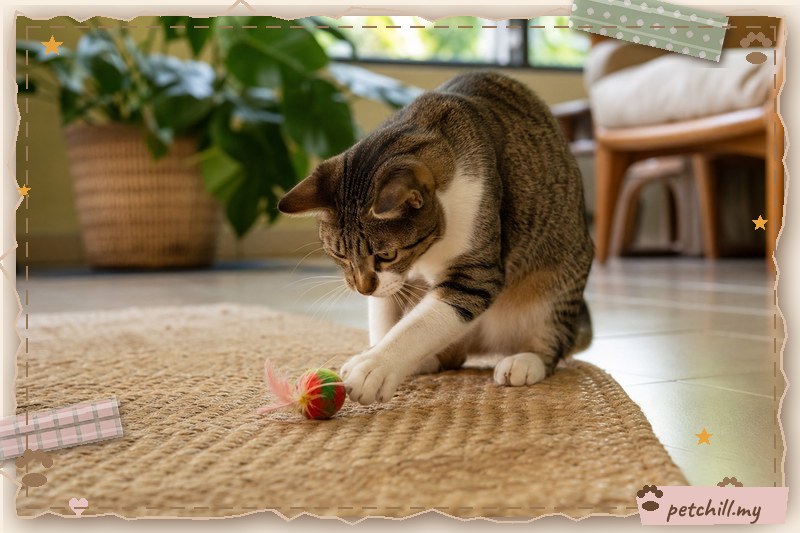
What can you teach a cat with clicker training?
Clicker training can teach a wide range of behaviours, from practical to just for fun:
- Come when called: Essential for safety, especially in homes with open doors or balconies.
- Sit and stay: Useful for grooming and vet visits.
- Targeting: Helps direct your cat to a scale, carrier, or mat.
- Enter a carrier: Reduces stress before travel or vet visits.
- High five or shake paw: Fun tricks that build confidence.
- Go to a mat: Useful for managing behaviour in multi-pet homes.
- Tolerate handling: Helps with nail trimming and medication.
Training is also mental enrichment. Cats that learn new behaviours are often more confident and less bored, which can reduce problem behaviours like scratching furniture or night-time activity.
When to see a vet
Clicker training is a behaviour tool, not a medical treatment. Consult a veterinarian if your cat shows sudden changes in behaviour, such as loss of appetite, hiding, aggression, or reluctance to move. These can be signs of pain or illness. Training difficulties that persist despite a good setup may also warrant a vet check to rule out underlying health issues. In Malaysia, your local veterinarian can assess your cat and refer you to a behaviour specialist if needed.
Building a training routine that sticks
Consistency is more important than duration. A short daily session is better than an occasional long one. Pick a time that fits your routine, such as after breakfast or before dinner. Keep a training log to track progress and note what works.
Rotate behaviours to keep sessions interesting. Practise one behaviour for a few days, then switch to another. Review old behaviours regularly so your cat does not forget them.
Celebrate small wins. Every click and treat is a step forward. With patience and consistency, most cats can learn a surprising range of behaviours.
Final thoughts
Clicker training is a humane, effective way to communicate with your cat. It builds trust, provides mental stimulation, and can help with practical behaviours like coming when called or entering a carrier. Start small, keep sessions short, and let your cat set the pace. With the right treats and timing, you can teach your cat new skills and strengthen your bond.
This article is for general information only and is not a substitute for professional veterinary advice. Consult a licensed veterinarian for health or behaviour concerns.
Related reading
- Cat Behaviour Guide Malaysia 2026: Decode 30 Signals, Fix the Environment First
- Cat Aggression Training Tips: A Practical Guide for Malaysian Owners
- Cat Biting Training Tips: How to Stop Nips, Bites and Play Aggression
- Cat Fear of Strangers: Training Tips That Actually Work
- Cat Hiding Training Tips: Why Cats Hide and How to Help Them Feel Safe
- Cat Meowing at Night: Training Tips That Actually Work