
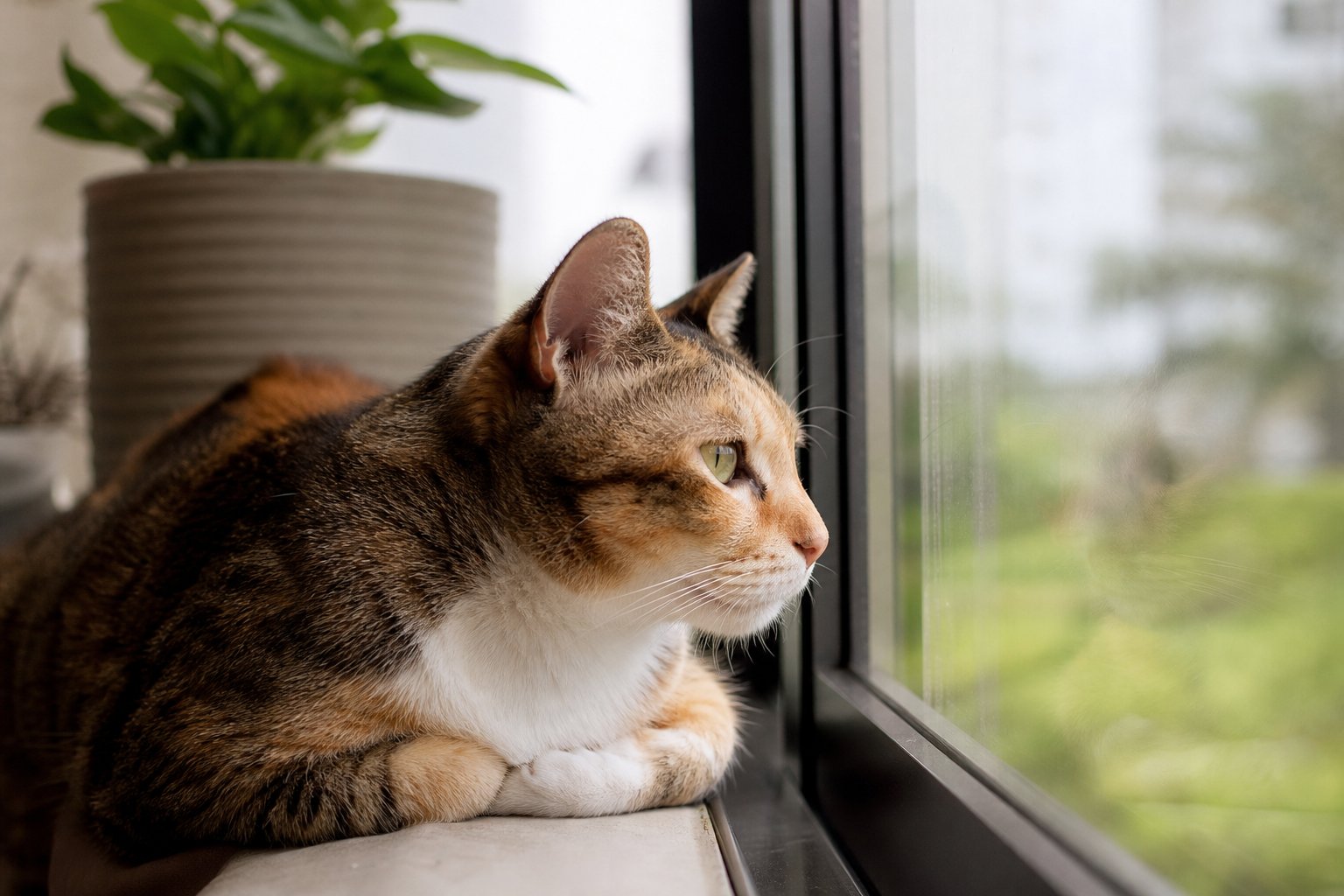
Understanding Cat Play Aggression
Play aggression is one of the most common behaviour concerns cat owners face, especially in young cats and indoor cats. It is not true aggression but an expression of normal predatory behaviour that has become misdirected. In the wild, cats stalk, chase, pounce, and bite prey. In our homes, without appropriate outlets, these instincts can be directed at ankles, hands, or moving feet.
This guide provides practical training tips for Malaysian cat owners to understand, manage, and reduce play aggression. The advice is based on general veterinary behaviour principles and applies to cats in apartments, terrace houses, and other living situations across Malaysia.
Why Cats Develop Play Aggression
Play aggression often stems from a combination of factors:
- Natural hunting instinct: Cats are predators. Play is practice for hunting. Without appropriate toys, they may target people.
- Boredom and under-stimulation: Indoor cats, especially those left alone for long hours, may become bored and seek entertainment through rough play.
- Reinforcement: If a cat learns that biting hands gets a reaction (even negative), the behaviour can be reinforced.
- Early weaning or lack of socialisation: Kittens separated from littermates too early may not learn bite inhibition.
- High energy levels: Young cats and certain breeds have higher energy needs.
- Environmental stress: Changes like moving house, new pets, or renovations can increase anxiety and play aggression.
In Malaysia, many cats live in apartments with limited outdoor access. This makes environmental enrichment and structured play especially important.
Recognising the Signs
Play aggression has distinct signs that differ from fear-based or territorial aggression:
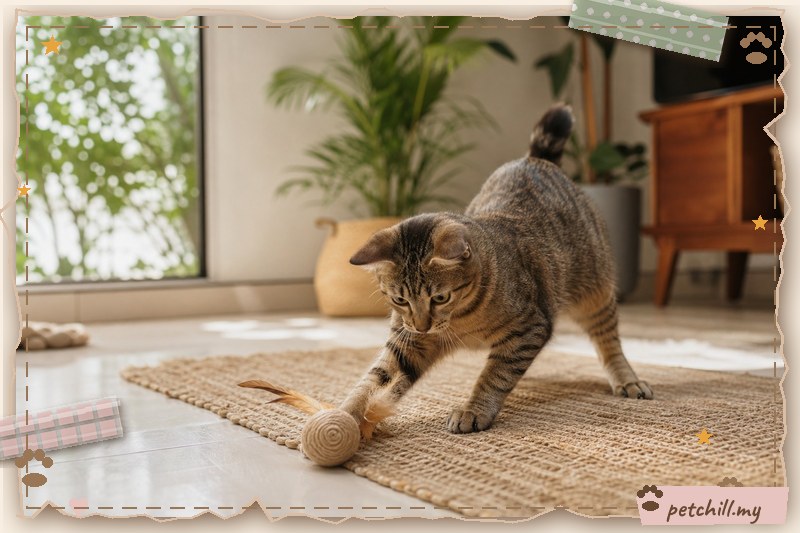
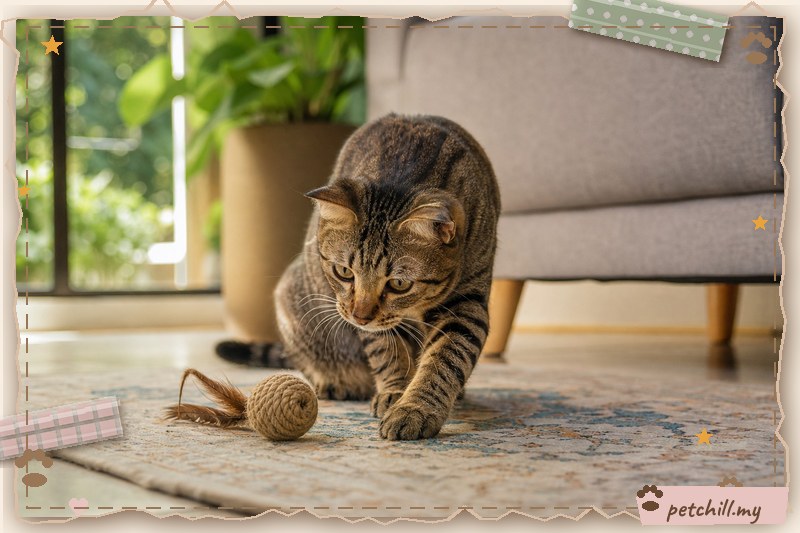
- Stalking and pouncing: The cat may hide behind furniture and ambush ankles or hands.
- Dilated pupils and tail twitching: These indicate excitement and impending pounce.
- Biting and scratching during play: Often directed at hands or feet.
- No signs of fear or hostility: The cat may appear relaxed and playful before the attack.
- Occurs during play or when the cat is seeking attention.
If your cat shows signs of fear, aggression with flattened ears, hissing, or growling, it may be a different issue. Consult a vet or behaviourist.
Step-by-Step Training Tips
1. Never Use Hands or Feet as Toys
This is the most important rule. Even from kittenhood, avoid letting your cat play with your hands. If your cat bites or scratches, immediately stop the interaction. Say "ouch" softly and withdraw attention for a minute. This teaches the cat that biting ends the fun.
2. Schedule Interactive Play Sessions
Cats thrive on routine. Set aside two to three play sessions daily, each lasting 10 to 15 minutes. Use a wand toy to mimic prey movement—make it dart, hide, and flutter. Let your cat stalk, chase, and pounce. End the session with a successful catch (let them grab the toy) and then offer a small meal or treat. This completes the hunt-catch-eat sequence and reduces the urge to hunt people.
3. Use Appropriate Toys
Provide a variety of toys: wand toys, balls, puzzle feeders, and catnip toys. Rotate toys to keep them novel. Avoid toys that encourage biting hands, like finger puppets. For independent play, leave out puzzle feeders or treat balls.
4. Redirect Aggression
When your cat starts to stalk or pounce on you, redirect to a toy. Keep a wand toy nearby. If you see the cat preparing to attack, toss a toy away from you to redirect the hunt. This teaches the cat to target toys instead of people.
5. End Play Before It Gets Rough
Learn to read your cat's body language. If the tail starts lashing, ears flatten, or pupils dilate, end the play session calmly. Do not continue until the cat becomes overexcited. Ending on a calm note prevents escalation.
6. Reward Calm Behaviour
Praise and reward your cat when they are calm. Use treats or gentle petting when the cat is resting or playing gently. This reinforces the desired behaviour.
7. Provide Environmental Enrichment
Cats need vertical space, scratching posts, and hiding spots. In Malaysian apartments, use cat trees, wall shelves, and window perches. Puzzle feeders and food-dispensing toys provide mental stimulation. A tired cat is less likely to engage in play aggression.
8. Avoid Punishment
Punishment like yelling, spraying water, or hitting can increase fear and aggression. It damages the bond and does not teach appropriate behaviour. Stick to positive reinforcement.
9. Consider a Behavioural Consultation
If play aggression is severe or does not improve, consult a qualified cat behaviourist. In Malaysia, your vet can refer you to a behaviourist or provide guidance.
Creating a Play Schedule
A consistent schedule helps. Here is a sample daily routine:
| Time | Activity |
|---|---|
| Morning | 10-minute wand toy session before breakfast |
| Midday | Puzzle feeder or independent play |
| Evening | 15-minute interactive play before dinner |
| Before bed | Short play session to tire the cat |
Adjust to your cat's energy levels. High-energy cats may need more sessions.
Managing Play Aggression in Different Malaysian Homes
Kuala Lumpur Apartments
In smaller apartments, space is limited. Use vertical space—cat trees by windows, shelves—to expand territory. Schedule play sessions before you leave for work and after you return. Puzzle feeders keep cats busy during the day.
Johor Terrace Houses
With more space, you can set up a dedicated play area. Ensure windows and balconies are secured with netting to prevent falls. Interactive play can be done in a larger room. If you have a garden, consider supervised outdoor time on a harness.
Penang Rainy Season
During rainy periods, cats may be more confined indoors. Increase indoor enrichment and play sessions. Use puzzle toys and rotate them to prevent boredom.
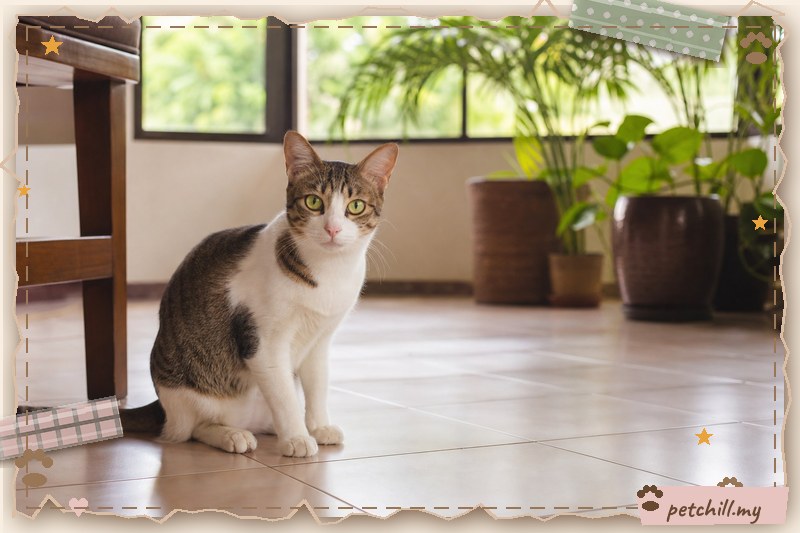
Comparison of Play Aggression vs Other Aggression Types
| Feature | Play Aggression | Fear Aggression | Territorial Aggression |
|---|---|---|---|
| Body language | Relaxed, playful, dilated pupils | Flattened ears, hissing, growling | Stiff posture, tail up, growling |
| Context | During play or when seeking attention | When approached or threatened | When intruders enter territory |
| Target | Hands, feet, moving objects | Perceived threat | Other cats or people |
| Solution | Redirect to toys, structured play | Remove threat, desensitise | Manage introductions, territory |
When to See a Vet
While play aggression is usually behavioural, some medical conditions can cause or worsen aggression. See a vet if:
- Aggression is sudden or severe.
- Your cat shows signs of pain, like limping or reluctance to move.
- There are changes in appetite, litter box habits, or activity level.
- Your cat seems disoriented or lethargic.
- Aggression is directed at other pets or family members with intent to harm.
A vet can rule out medical causes such as dental pain, arthritis, hyperthyroidism, or neurological issues. In Malaysia, your local vet can also refer you to a behaviourist if needed.
Conclusion
Play aggression is a manageable behaviour with the right approach. By understanding your cat's needs, providing appropriate outlets, and using positive reinforcement, you can reduce rough play and build a stronger bond. Remember to be patient and consistent. If you have concerns, consult your veterinarian.
Disclaimer: This article is for informational purposes only and does not replace professional veterinary advice. Always consult a qualified veterinarian for medical or behavioural concerns.
Related reading
- Cat Behaviour Guide Malaysia 2026: Decode 30 Signals, Fix the Environment First
- Cat Meowing at Night: Training Tips That Actually Work
- Cat Scratching Furniture: Training Tips That Actually Work
- Cat Separation Anxiety Training Tips: A Malaysian Guide to Helping Your Cat Feel Secure Alone
- How to Stop Cat Clicker Training: A Calm, Step-by-Step Guide for Malaysian Owners
- Cat Aggression Training Tips: A Practical Guide for Malaysian Owners
- Cat Belly-Up in Malaysia: What It Really Means, and When You Can Touch
- Cat Biting in Malaysia: A 6-Type Triage Table and a 5-Step Fix
- Cat Clicker Training Explained: A Practical Guide for Malaysian Cat Owners

