
Why your cat turns into a night owl
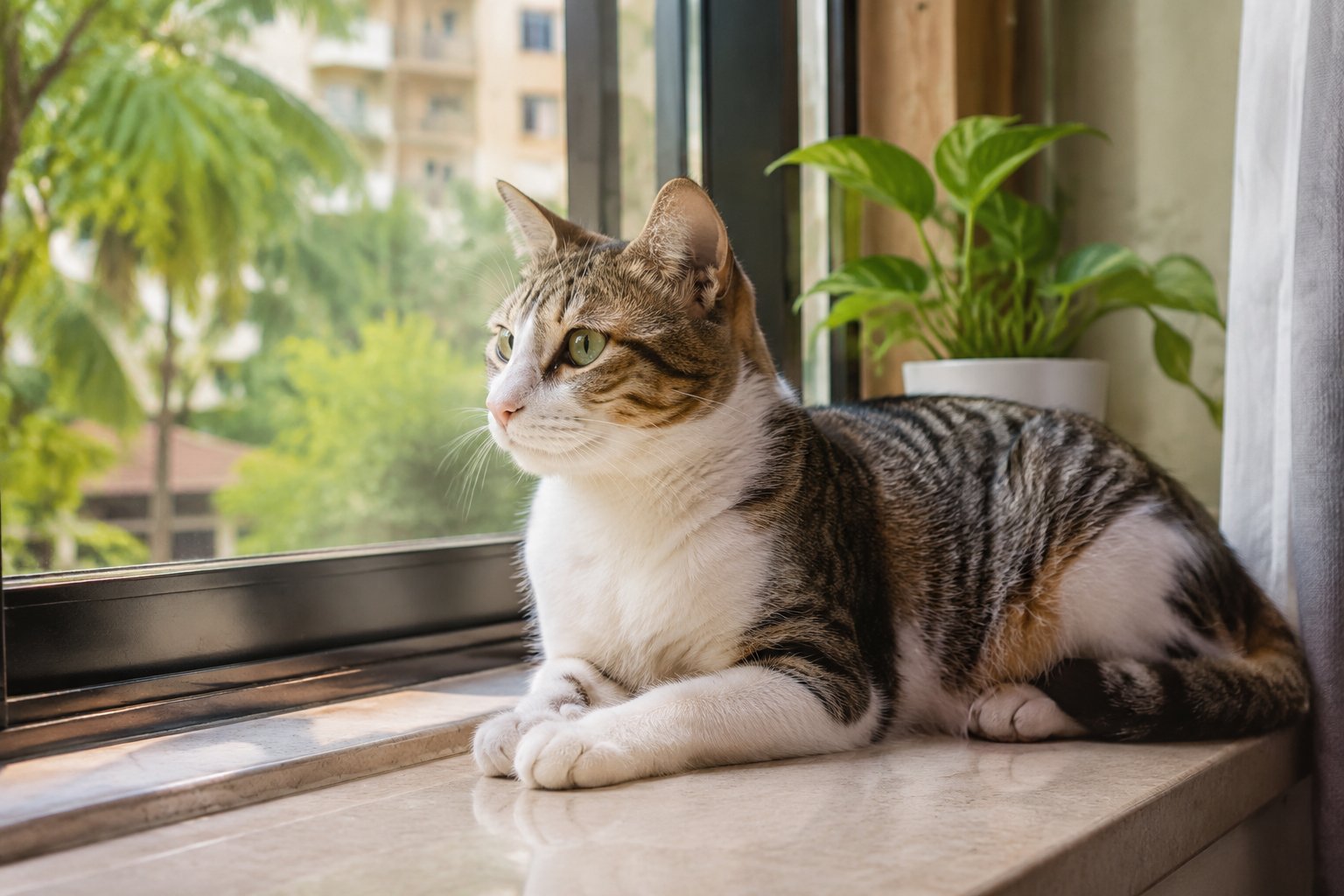
If your cat treats 3am like a playground, you are not alone. Cats are crepuscular, meaning they are naturally most active around dawn and dusk. In the wild, those are the best hunting hours. In a Malaysian apartment or terrace house, that instinct often lands right on your sleep schedule.
The good news is that night activity is normal but very trainable. The fix is not punishment. It is a predictable daily routine, enough daytime enrichment, smart feeding timing and consistent boundaries at night. This guide gives you a practical plan you can start tonight.
First, rule out medical reasons
Before you change any routine, make sure the behaviour is not a health problem. A cat that was previously quiet at night and suddenly becomes restless may be in pain, hungry due to a medical condition, or experiencing age-related changes.
Watch for these red flags:
- Sudden change in night behaviour in an older cat
- Increased thirst and urination
- Weight loss despite a good appetite
- Vocalising that sounds distressed rather than demanding
- Restlessness, pacing or difficulty settling
- Changes in litter tray habits
If any of these appear, book a check-up with your veterinarian before starting a training plan. Pain, thyroid problems, kidney disease and cognitive changes in senior cats can all disturb sleep. Training will not fix a medical issue.
Understand the cat's natural rhythm
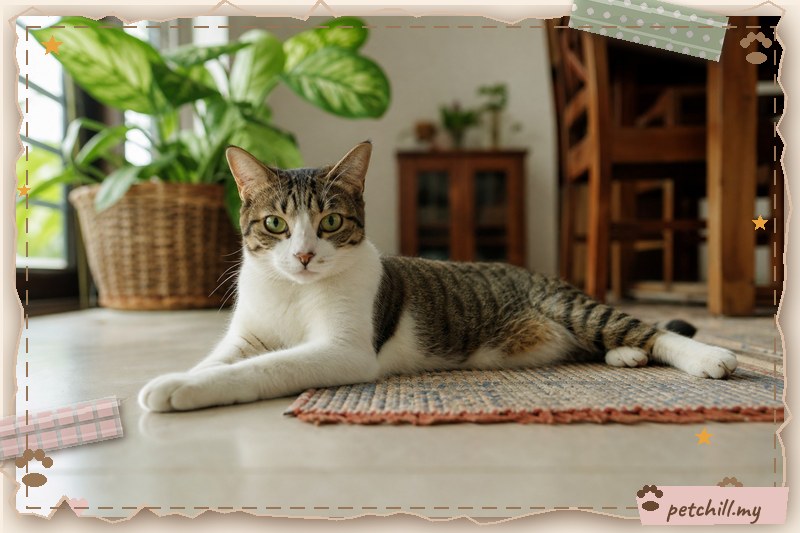
Cats are not truly nocturnal. They are crepuscular, with bursts of activity at dawn and dusk and long rest periods in between. A healthy adult cat sleeps around 12 to 16 hours a day, often in short naps.
A typical cat day looks like this:
| Time | Natural behaviour | What owners often see |
|---|---|---|
| Early morning | Hunt and patrol | Meowing, door scratching, zoomies |
| Midday | Rest and groom | Sleeping in a sunny spot |
| Late afternoon | Short activity burst | Playing, following you around |
| Evening | Hunt and eat | Begging, high energy |
| Night | Rest, with short wake-ups | Pacing, crying, play demands |
The goal is not to make your cat sleep all night. It is to shift the main activity bursts to times that suit your household and to make night time boring.
Build a hunt-eat-sleep routine
The most effective cat night activity training tip is to copy the natural sequence: hunt, eat, groom, sleep. Cats are wired to work for food, then rest. If you feed your cat and then expect it to settle while you watch television, you are fighting biology.
A practical evening routine:
- Play session, 10 to 15 minutes. Use a wand toy, feather toy or laser pointer (always finish with a real toy catch). Let your cat stalk, chase and pounce.
- Wind down. Put toys away and speak calmly.
- Main meal. Feed the largest portion of the day right after play.
- Grooming and quiet time. Most cats groom and settle after eating.
- Lights out. Keep the room dark and quiet.
This sequence works because it satisfies the hunting drive, fills the stomach and signals that the day is over. Repeat it at the same time every night, including weekends.
Use feeding timing to your advantage
Hunger is one of the most common reasons cats wake owners at 4am. Many cats are fed early in the morning, which teaches them that waking you brings food.
Try these adjustments:
- Move the largest meal to just before your bedtime.
- Split the daily food into three or four smaller meals instead of one or two large ones.
- Use a puzzle feeder or snuffle mat for the last meal to slow eating and add mental work.
- Consider a timed feeder for a small portion in the early hours, so your cat associates food with the feeder, not with you.
- Never free-feed unlimited dry food if your cat is overweight; ask your vet for a suitable portion plan.
If your cat is on a prescription diet or has a medical condition, speak to your veterinarian before changing meal timing or portion sizes.
Make night time boring
Cats repeat behaviour that gets a reaction. If meowing, scratching the door or knocking things off shelves brings you out of bed, your cat has learned that night activity works.
The rule is simple: at night, nothing interesting happens. No talking, no eye contact, no petting, no feeding, no play. If you must get up, keep it dull and brief.
Practical steps:
- Close the bedroom door if you do not want your cat in the room.
- Remove breakable or noisy objects from shelves your cat can reach.
- Leave water, a litter tray and a comfortable bed outside the bedroom.
- Use a white noise machine or fan to mask small sounds.
- Do not scold, spray water or shake cans. Punishment increases stress and can make night activity worse.
Expect a protest period. Many cats will meow louder for a few nights when the old routine stops working. This is normal. Stay consistent and the behaviour usually fades.

Add daytime enrichment
A bored cat sleeps all day and parties all night. Enrichment is not a luxury; it is the main tool for reducing night activity.
Ideas that work in Malaysian homes:
- Vertical space. Cat trees, wall shelves and window perches give cats a view and a place to patrol.
- Window watching. A secure window with a view of birds or street activity is free entertainment. Make sure screens are secure.
- Food puzzles. Hide dry food or treats in puzzle toys, cardboard boxes or paper bags.
- Short play sessions. Two or three 10-minute sessions during the day are better than one long one.
- Rotate toys. Keep some toys hidden and swap them weekly so they feel new.
- Training. Teach simple cues like sit, touch or come. Mental work tires cats more than many owners expect.
- Cat-safe plants and boxes. Simple environmental changes add novelty.
In a Kuala Lumpur apartment, vertical space is often more valuable than floor space. In a Johor terrace house, secure windows and doors matter because cats may see neighbourhood cats outside and become more territorial at night.
Set up a night-safe environment
A safe night space reduces both anxiety and mischief.
Checklist:
- Litter tray clean and accessible
- Fresh water in more than one spot
- Comfortable bed away from drafts
- No dangling cords, plastic bags or small swallowable objects
- Windows and balcony doors secure
- Breakables moved out of reach
- Timed feeder set correctly
- Night light only if your cat seems anxious in the dark
If your cat is anxious, a covered bed or a quiet corner can help. Some cats settle better with a piece of your clothing nearby. Avoid locking a cat in a small room without water and litter.
Train the behaviour you want
Cats can learn simple routines through positive reinforcement. The key is to reward calm behaviour, not to reward night demands.
A simple training plan:
- Choose a bedtime cue. A specific phrase like "night night" or turning off a lamp can signal sleep time.
- Reward calm settling. When your cat lies down quietly in the evening, give a treat or gentle praise.
- Practice during the day. Reward your cat for going to its bed on cue.
- Keep night interactions at zero. No treats, no play, no attention at night.
- Be consistent for at least two weeks. Progress is often gradual.
If your cat scratches the door, try a door protector or place a scratching post nearby. Redirect scratching to appropriate surfaces during the day and reward it.
Compare common night-time strategies
| Strategy | What it does | Best for | Watch out for |
|---|---|---|---|
| Late main meal | Reduces hunger waking | Most cats | Not suitable without vet advice for medical diets |
| Pre-bed play | Satisfies hunting drive | High-energy cats | Must end with a real toy catch |
| Timed feeder | Separates food from owner | Early morning demanders | Some cats learn to wait by the feeder |
| Closed bedroom door | Removes attention reward | Cats that wake owners | Protest meowing for several nights |
| Puzzle feeders | Adds mental work | Bored indoor cats | Some cats give up if too hard |
| White noise | Masks sounds | Light sleepers | Not a substitute for routine |
| Punishment | None | Never recommended | Increases stress and worsens behaviour |
Special situations
Kittens. Young kittens have small stomachs and high energy. They may need more frequent meals and shorter play sessions. Night waking is normal in very young kittens, but a routine still helps.
Senior cats. Older cats may wake due to pain, thyroid disease, kidney disease or cognitive changes. Sudden night activity in a senior cat deserves a vet visit.
Multi-cat homes. One cat may be bullying another at night. Watch for hiding, resource guarding or tension around litter trays and feeding stations. Separate resources and speak to your vet or a qualified behaviourist.
Indoor-only cats. Indoor cats need more deliberate enrichment because they cannot hunt or patrol outdoors. Vertical space, puzzle feeders and daily play are essential.
Outdoor-access cats. If your cat goes outside, keep it in at night where possible. Night roaming increases the risk of fights, traffic accidents and lost cats. A secure enclosure is a safer compromise.
When to see a vet
Contact your veterinarian if:
- Night activity starts suddenly in an adult or senior cat
- Your cat cries in a way that sounds painful or distressed
- There is increased thirst, urination, weight loss or appetite change
- Your cat seems disoriented, restless or unable to settle
- Your cat is straining in the litter tray or has diarrhoea
- Your cat is pregnant or recently gave birth
- You have tried a consistent routine for a month with no improvement
Your vet can check for pain, dental disease, thyroid problems, kidney disease and other conditions that disturb sleep. If the behaviour is anxiety-related, ask about a referral to a qualified behaviourist.
A realistic two-week plan
Week one:
- Set a fixed evening play time
- Move the main meal to just before bed
- Close the bedroom door or make the night space boring
- Stop all night attention
- Add one puzzle feeder during the day
Week two:
- Keep the same schedule
- Add a short daytime play session
- Rotate toys
- Review progress and note any patterns
- If no improvement, book a vet check
Most owners see improvement within two to four weeks. Some cats take longer, especially if the habit is well established.
Final thoughts
Night activity is one of the most common cat behaviour complaints, and it is also one of the most fixable. The formula is consistent: satisfy the hunting drive, feed late, make night boring, enrich the day and never reward night demands. Be patient, keep the routine steady, and involve your veterinarian if anything seems off.
This article is general information only and is not a substitute for veterinary advice. If your cat's behaviour changes suddenly or you are worried about its health, consult a licensed veterinarian in Malaysia.
Related reading
- Cat Behaviour Guide Malaysia 2026: Decode 30 Signals, Fix the Environment First
- Cat Aggression Training Tips: A Practical Guide for Malaysian Owners
- Cat Biting Training Tips: How to Stop Nips, Bites and Play Aggression
- Cat Clicker Training: Practical Training Tips for Malaysian Cat Owners
- Cat Fear of Strangers: Training Tips That Actually Work
- Cat Hiding Training Tips: Why Cats Hide and How to Help Them Feel Safe
- Cat Meowing at Night: Training Tips That Actually Work
- Cat Over-Grooming Training Tips: Stop the Licking Before It Becomes a Habit
- Cat Scratching Furniture: Training Tips That Actually Work
- How to Stop Cat Clicker Training: A Calm, Step-by-Step Guide for Malaysian Owners
- How to Stop Cat Fear of Strangers: A Step-by-Step Desensitisation Plan for Malaysian Homes
- Cat Belly Up in Malaysia: 4 Meanings & Whether You Can Touch

