
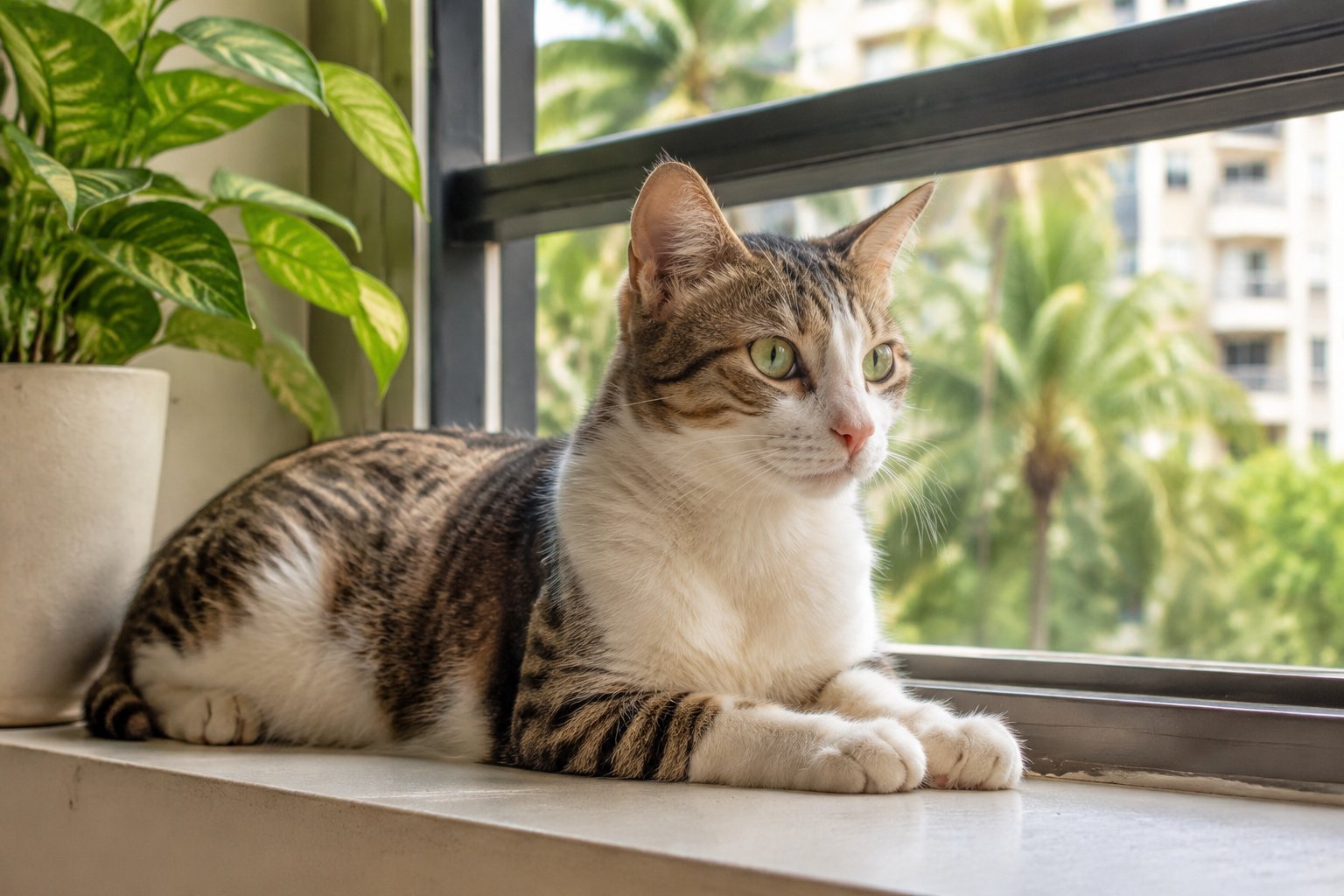
What is clicker training and why it works for cats
Clicker training is a method of positive reinforcement that uses a small device that makes a distinct "click" sound. The click is not a command; it is a marker. It tells your cat exactly which action earned a reward. Because the click is always followed by something good, like a treat or play, cats quickly learn that the click means "yes, that's it."
Cats are often thought of as untrainable, but that is a myth. They are highly intelligent and capable of learning many behaviours when training is done on their terms. Clicker training works well for cats because it is precise and consistent. Unlike a spoken word, which can vary in tone, a click is always the same sound. This clarity helps cats understand what you want.
In Malaysia, many cat owners live in apartments or terrace houses where space is limited. Clicker training is ideal for small spaces because it requires no special equipment beyond a clicker and treats. It also provides mental stimulation, which is important for indoor cats.
How clicker training works: the science behind the click
Clicker training is based on operant conditioning, a learning principle that says behaviours followed by a reward are more likely to be repeated. The click bridges the gap between the behaviour and the reward. For example, if you want your cat to sit, you wait for a sit, click at the exact moment their bottom touches the floor, then give a treat. The cat learns that sitting earns a click and a treat.
The timing of the click is crucial. It must happen within a second or two of the behaviour. If you click too late, your cat may associate the click with something else. This is why clicker training is often more effective than just giving a treat, because the click can be delivered instantly.
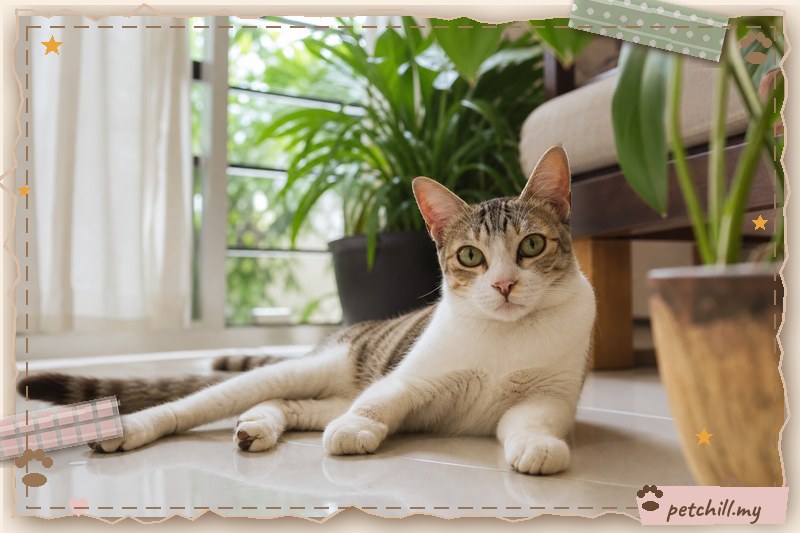
Getting started: what you need
Before you begin, gather a few simple items:
- A clicker: available at pet stores or online. You can also use a retractable pen that makes a click sound.
- High-value treats: small pieces of cooked chicken, tuna, or commercial cat treats. They should be tiny so your cat can eat them quickly.
- A quiet space: choose a room with few distractions.
- A target stick: optional, but useful for teaching targeting.
You do not need to spend a lot of money. Many Malaysian pet owners use a clicker and treats they already have at home.
Step-by-step: how to start clicker training with your cat
Step 1: Charge the clicker
The first step is to teach your cat that the click means a treat. This is called "charging the clicker." Sit with your cat in a quiet room. Click once, then immediately give a treat. Repeat this 10 to 15 times. Do not ask for any behaviour yet. The goal is simply to create a positive association with the click sound.
Do this for a few short sessions over a day or two. Your cat may start looking for a treat when they hear the click. That means the clicker is charged.
Step 2: Capture a behaviour
Now you can start marking behaviours your cat does naturally. For example, if your cat sits, click and treat. If they come to you, click and treat. Keep sessions short, about 2 to 5 minutes. Cats have short attention spans, so it is better to do several short sessions than one long one.
Step 3: Add a cue
Once your cat is reliably offering the behaviour, you can add a verbal cue or hand signal. Say "sit" just before your cat sits, then click and treat when they do. Repeat this until your cat associates the word with the action.
Step 4: Practice in different places
Once your cat responds in one room, practice in other rooms or with mild distractions. This helps your cat generalise the behaviour. In a Malaysian home, you might practice in the living room, then the kitchen, then the balcony.
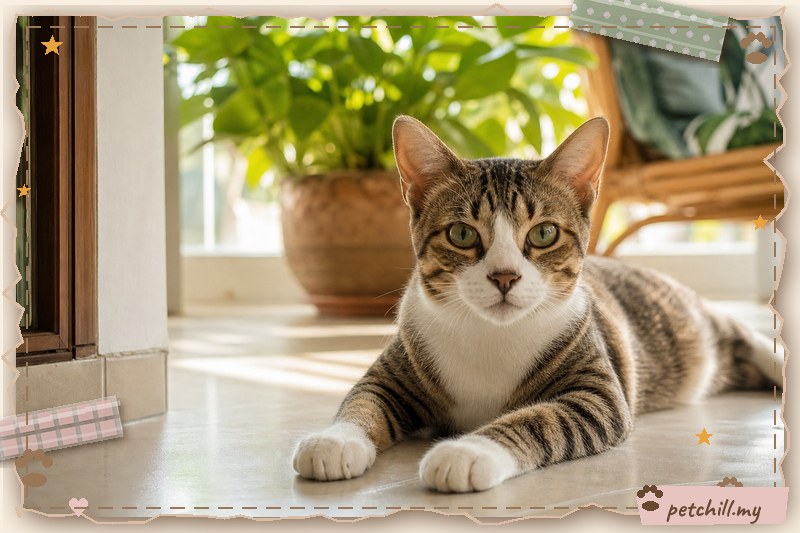
What can you teach your cat?
Cats can learn a variety of behaviours. Here are some common ones:
- Sit: a basic cue that is easy to capture.
- Come when called: useful for safety and recall.
- Target: touching a target stick with their nose. This is a foundation for many other behaviours.
- Go to a mat: useful for settling in one place.
- Enter a carrier: helpful for vet visits.
- High five: a fun trick.
- Roll over: more advanced.
Start with one behaviour and master it before moving on. Short, frequent sessions are best.
Comparison table: clicker training vs other training methods
| Method | How it works | Pros | Cons |
|---|---|---|---|
| Clicker training | Click marks desired behaviour, followed by reward | Precise timing, clear communication, positive | Requires initial charging, clicker may be lost |
| Verbal praise | Say "good" and give treat | No equipment needed | Less precise timing, words can vary |
| Treat only | Give treat after behaviour | Simple | Timing may be off, cat may not know which behaviour earned treat |
| Punishment-based | Scold or startle for unwanted behaviour | Quick suppression | Can cause fear, stress, damage bond |
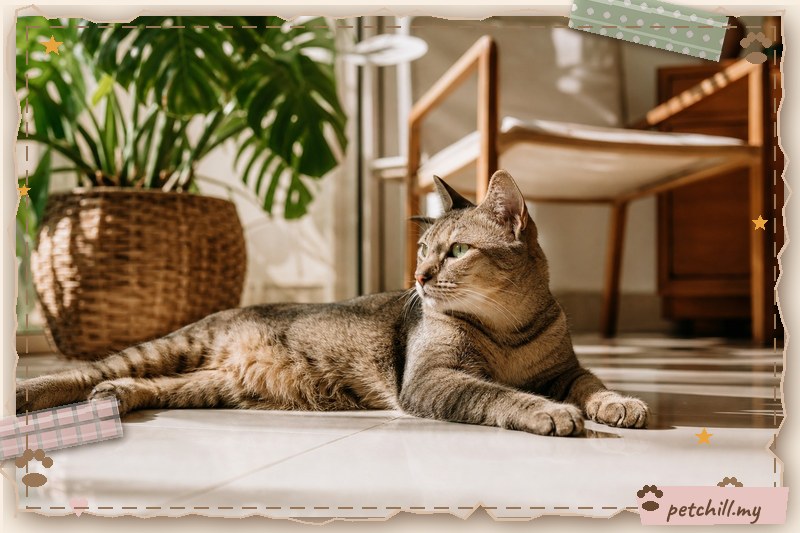
Common mistakes and how to avoid them
- Clicking too late: The click must be immediate. Practice your timing without your cat first.
- Using low-value treats: If your cat is not interested, the treat is not motivating enough. Try cooked chicken or tuna.
- Training too long: Keep sessions under 5 minutes. Cats lose interest quickly.
- Forcing participation: If your cat walks away, end the session. Never force them to stay.
- Inconsistent cues: Use the same word and tone each time.
- Not rewarding every click: Every click must be followed by a treat, even if you clicked by mistake. This maintains the value of the click.
Clicker training in a Malaysian context
Malaysian homes often have limited space, especially in urban apartments. Clicker training is perfect for small spaces because it requires no running or jumping. You can train in a small living room or even a bedroom.
Many Malaysian cats are indoor cats, which can lead to boredom and unwanted behaviours. Clicker training provides mental enrichment and strengthens the bond between cat and owner. It can also help with common issues like scratching furniture or meowing at night.
When training, be mindful of the heat and humidity. Choose a cool time of day, such as early morning or evening, and ensure fresh water is available. Treats should be stored properly to avoid spoilage.
If you live in a multi-cat household, train each cat separately to avoid competition and confusion.
When to see a vet
Clicker training is not a substitute for veterinary care. If your cat shows any of the following signs, consult a veterinarian:
- Sudden change in behaviour, such as aggression or withdrawal
- Loss of appetite or weight loss
- Difficulty moving or signs of pain
- Excessive grooming or scratching
- House soiling that is not resolved with training
- Any behaviour that seems compulsive or self-harming
These can be signs of underlying medical issues. A vet can rule out health problems before you address behaviour.
Frequently asked questions
Q: What is clicker training for cats? A: Clicker training is a positive-reinforcement method where a click sound marks the exact moment your cat performs a desired behaviour, followed immediately by a reward. It helps your cat understand which action earned the treat.
Q: Can all cats learn clicker training? A: Yes, almost all cats can learn clicker training. Kittens and adult cats alike respond well, though very young kittens or highly stressed cats may need shorter sessions. Patience and consistency are key.
Q: How long does it take to clicker train a cat? A: Most cats learn the clicker-reward association within a few sessions. Simple behaviours like targeting or sitting may take a few days to a week of short daily practice. Complex behaviours take longer.
Q: What treats should I use for clicker training my cat? A: Use small, high-value treats your cat loves, such as cooked chicken, tuna, or commercial cat treats. They should be pea-sized and easy to eat quickly. Adjust meal portions to avoid weight gain.
Q: Is clicker training safe for cats? A: Yes, clicker training is safe and humane. It uses positive reinforcement and avoids punishment. Always supervise sessions and never force your cat to participate.
Q: When should I see a vet about my cat's behavior? A: See a vet if your cat shows sudden behaviour changes, aggression, loss of appetite, or signs of pain or illness. Behaviour problems can have medical causes that need veterinary attention.
Conclusion
Clicker training is a rewarding way to communicate with your cat and enrich their life. It is gentle, effective, and suitable for Malaysian homes. With a clicker, some tasty treats, and a few minutes each day, you can teach your cat useful behaviours and strengthen your bond. Remember to keep sessions short, reward every click, and never force your cat. If you have concerns about your cat's health or behaviour, always consult a veterinarian.
Disclaimer: This article is for informational purposes only and does not replace professional veterinary advice. Always consult a licensed veterinarian for health and behaviour concerns.
Related reading
- Cat Behaviour Guide Malaysia 2026: Decode 30 Signals, Fix the Environment First
- Cat Biting Training Tips: How to Stop Nips, Bites and Play Aggression
- Cat Climbing Training Tips: Safe Vertical Play for Malaysian Homes
- Cat Aggression Training Tips: A Practical Guide for Malaysian Owners
- Cat Fear of Strangers: Training Tips That Actually Work
- Cat Hiding Training Tips: Why Cats Hide and How to Help Them Feel Safe
- Cat Night Activity Training Tips: How to Calm a Nocturnal Cat

