
Start with safety, not punishment
Cat aggression is rarely about dominance or spite. In most homes it is fear, pain, overstimulation, territorial stress or redirected hunting drive. Training works when you change the environment and your responses, not when you correct the cat. Before any training, make sure people are safe: if a cat is biting hard, separate it calmly into a quiet room with litter, water and a hiding box, and let it settle.
Malaysian homes add their own pressures: humid weather that keeps windows closed, apartment living with limited escape routes, extended families moving through the house, and neighbourhood cats visible through grilles. These can raise territorial and fear-based aggression. The tips below are general principles; local prices, products and clinic services vary, so ask your Malaysian vet or pet retailer for specifics.
Know which aggression you are dealing with
Different triggers need different plans. Use this table as a starting point, then observe your cat for a week and note patterns.
| Type | Typical trigger | What you see | First training step |
|---|---|---|---|
| Fear aggression | Strangers, loud noise, new object | Hissing, flattened ears, hiding, swatting when cornered | Give escape routes and a safe room; avoid forcing contact |
| Play aggression | Boredom, hand play, young age | Stalking ankles, pouncing, gentle-to-hard biting | Daily wand-toy sessions; never use hands as toys |
| Petting-induced | Too much handling, sensitive areas | Tail flick, skin ripple, sudden bite | Short petting sessions; stop at first warning sign |
| Territorial | New cat, outside cats, moved furniture | Blocking doorways, growling, spraying | Scent swapping, separate resources, gradual reintroduction |
| Redirected | Seeing a cat outside but cannot reach it | Attacking the nearest person or pet | Block the view, interrupt with a toy, separate cats |
| Pain-related | Illness, dental pain, arthritis | Sudden aggression, flinching when touched | Vet check first; then behaviour work |
| Maternal | Kittens present | Swatting near the nest | Limit handling; give the mother a quiet, private area |
Read the early warning signs
Most bites are preceded by signals. Learn your cat's sequence: ears rotate back, pupils widen, tail flicks faster, skin ripples along the back, whiskers point forward, and the body freezes. A cat that freezes is deciding whether to fight or flee. Give it space immediately.
Practical drill: for one week, keep a small notebook or phone note. Record time, what happened just before, who was present, and how the cat responded. Patterns appear quickly. For example, a Kuala Lumpur apartment cat may react every evening when the lift lobby gets busy and the doorbell rings. Once you see the pattern, you can change the trigger rather than the cat.
Build a calm home base
Aggression drops when cats feel they can escape and control their space.
- Vertical space: shelves, cat trees and window perches let cats retreat above ground level.
- Hiding spots: boxes, covered beds and quiet cupboards away from foot traffic.
- Separate resources: one litter box per cat plus one spare, spaced apart; separate food and water stations; multiple scratching posts.
- Safe room: a spare room with litter, water, a bed and a hiding box for time-outs and reintroductions.
- Pheromone options: synthetic calming pheromone diffusers are widely sold; results vary, so treat them as support, not a cure.
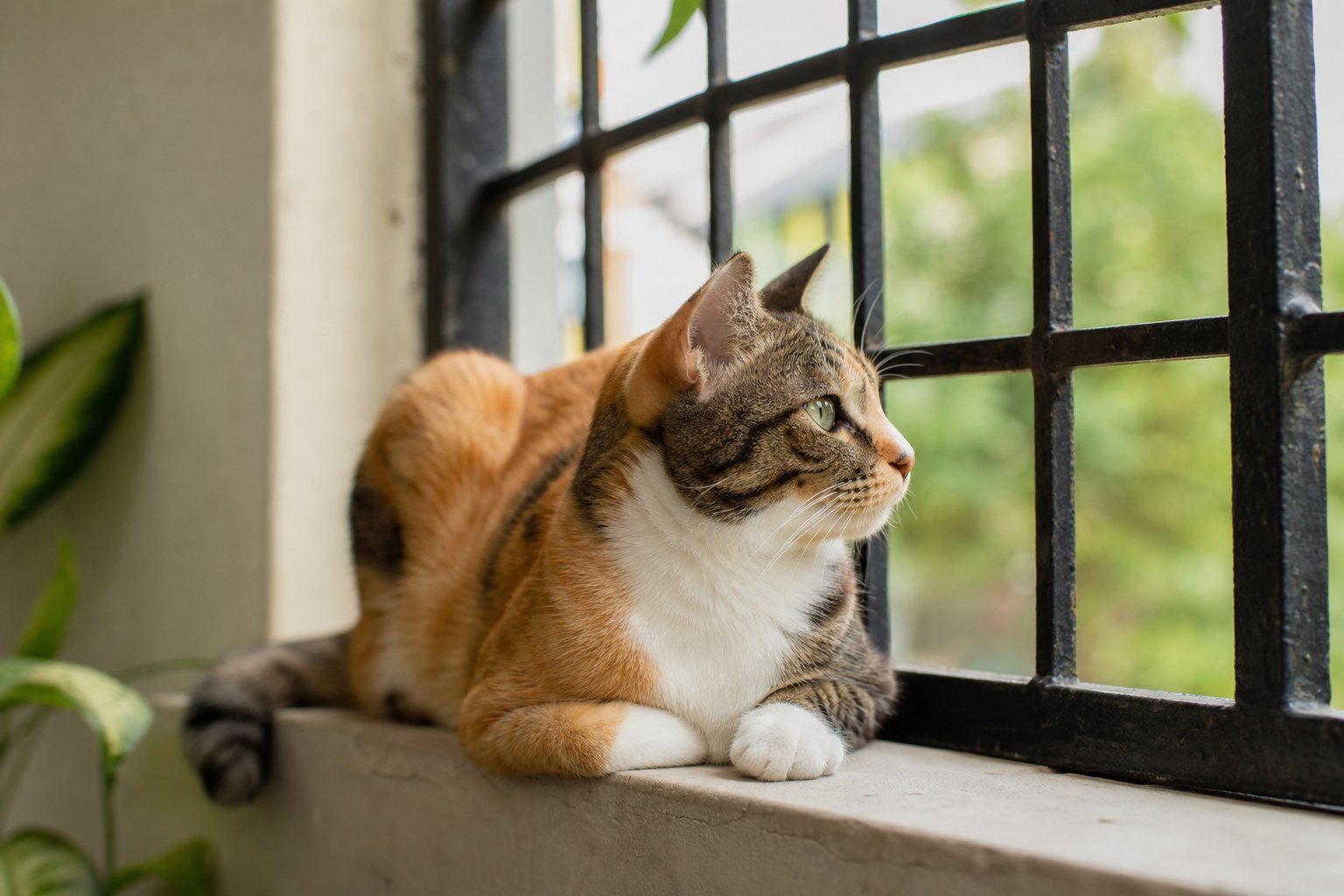
In a Johor terrace house, outside cats may walk along the fence and trigger redirected aggression through the grille. Closing curtains, using frosted film on lower windows, or placing furniture to block the sightline can reduce episodes without punishing the cat.

Training tip 1: redirect play aggression to toys
Play aggression is the most common and most trainable form. Cats are hunters; without an outlet, ankles and hands become prey.
- Schedule two or three structured play sessions daily, 10 to 15 minutes each, ideally before meals.
- Use a wand toy that mimics prey: move it away from the cat, let it hide, then twitch it.
- End with a successful catch and a small treat or meal.
- Never use hands or feet as toys, even with kittens.
- If the cat ambushes your ankles, freeze, then redirect to a nearby toy or toss a soft toy away from you.
- Keep a toy by the door for predictable ambush spots.
Consistency matters more than duration. A short session every day beats a long session once a week.
Training tip 2: stop petting-induced biting
Some cats tolerate only brief touch. Train by pairing short, calm petting with treats.
- Pet for three seconds, then stop and offer a treat.
- If the tail flicks or skin ripples, stop before the bite.
- Target calm areas: chin, cheeks, base of ears. Avoid belly and tail base unless the cat invites it.
- Build duration gradually over weeks.
This teaches the cat that hands predict good things and that it can end contact without biting.

Training tip 3: desensitise fear triggers
Fear aggression needs gradual, low-intensity exposure, never flooding.
- Identify the smallest trigger distance, for example a visitor at the far end of the living room.
- Keep the cat below threshold: it can eat treats and look around calmly.
- Pair the trigger with high-value food.
- Increase intensity only when the cat stays relaxed.
- Give the cat the option to leave at any time.
For visitors, ask them to ignore the cat, sit still, and toss treats without reaching. For carrier fear, leave the carrier out as furniture, feed inside it, and close the door for seconds before opening it again.
Training tip 4: manage multi-cat tension
Multi-cat aggression is common in Malaysian apartments where space is limited. Reintroduce cats like strangers.
- Separate into different rooms with their own resources.
- Swap bedding daily so each cat learns the other's scent.
- Feed on opposite sides of a closed door, starting far apart.
- Use a baby gate or cracked door for visual contact once both eat calmly.
- Increase together-time only when both are relaxed.
- Add vertical space and separate litter boxes before full reintroduction.
Never let cats fight it out. Fights create fear and make future aggression more likely. If fights cause puncture wounds, urine marking or one cat hiding constantly, seek professional help.
Training tip 5: interrupt redirected aggression safely
Redirected aggression happens when a cat sees an outside cat but cannot reach it, then attacks whoever is nearby. Do not pick up the cat. Instead:
- Block the view with curtains or furniture.
- Distract with a loud but neutral sound, like a clap or a toy tossed away from you.
- Separate cats calmly into different rooms.
- Wait until the cat is fully calm before reintroducing.
If this happens often, manage the sightline permanently rather than relying on distraction.
Training tip 6: reward calm, ignore demands
Cats repeat what gets attention. Reward calm behaviour with treats, play and gentle praise. If a cat swats for food, pause, wait for four paws on the floor, then reward. Avoid shouting, spraying water or tapping the nose; these increase fear and can worsen aggression.
Use a simple marker system: say "yes" or click, then treat. Keep sessions short and end on success.
What not to do
- Do not punish with hitting, shouting or spray bottles.
- Do not stare down or corner a cat.
- Do not force introductions between cats.
- Do not use hands as toys.
- Do not skip a vet check for sudden behaviour change.
- Do not assume the cat is "dominant"; dominance is not a useful training concept for cats.
When to see a vet
Book a veterinary appointment if aggression starts suddenly, comes with limping, appetite loss, weight loss, hiding, vocalising, or changes in litter box habits. Pain, dental disease, arthritis, thyroid problems and neurological issues can all cause behaviour changes. Also see a vet if a bite breaks skin, if a person is injured, or if aggression is worsening despite consistent training. In Malaysia, your veterinarian can rule out medical causes and refer you to a qualified behaviourist if needed. Ask your vet about local services and fees, as these vary.
A four-week starter plan
| Week | Focus | Daily actions |
|---|---|---|
| 1 | Observation and safety | Note triggers; set up safe room and vertical space; vet check if sudden |
| 2 | Play and redirection | Two wand sessions daily; no hand play; redirect ambushes |
| 3 | Handling and desensitisation | Short petting with treats; low-intensity trigger practice |
| 4 | Multi-cat or visitor work | Scent swapping, door feeding, controlled introductions |
Track progress by counting episodes, not by expecting zero. A drop from daily biting to weekly biting is meaningful progress.
Final thoughts
Cat aggression training is about safety, observation and consistency. Change the environment, read the warnings, redirect energy and reward calm. If health is ruled out and aggression continues, ask your Malaysian vet for a behaviour referral. Local prices and services vary, so confirm details directly.
This article is general information, not veterinary advice. Always consult a licensed veterinarian for diagnosis and treatment.
Related reading
- Cat Behaviour Guide Malaysia 2026: Decode 30 Signals, Fix the Environment First
- Cat Belly Up in Malaysia: 4 Meanings & Whether You Can Touch
- Cat Clicker Training: Practical Training Tips for Malaysian Cat Owners
- Cat Fear of Strangers: Training Tips That Actually Work
- Cat Hiding Training Tips: Why Cats Hide and How to Help Them Feel Safe
- Cat Night Activity Training Tips: How to Calm a Nocturnal Cat
- Cat Over-Grooming Training Tips: Stop the Licking Before It Becomes a Habit
- Cat Spraying Training Tips: How to Stop Your Cat From Spraying Indoors
- How to Stop Cat Fear of Strangers: A Step-by-Step Desensitisation Plan for Malaysian Homes

