
Why do cats hide? Understanding the instinct
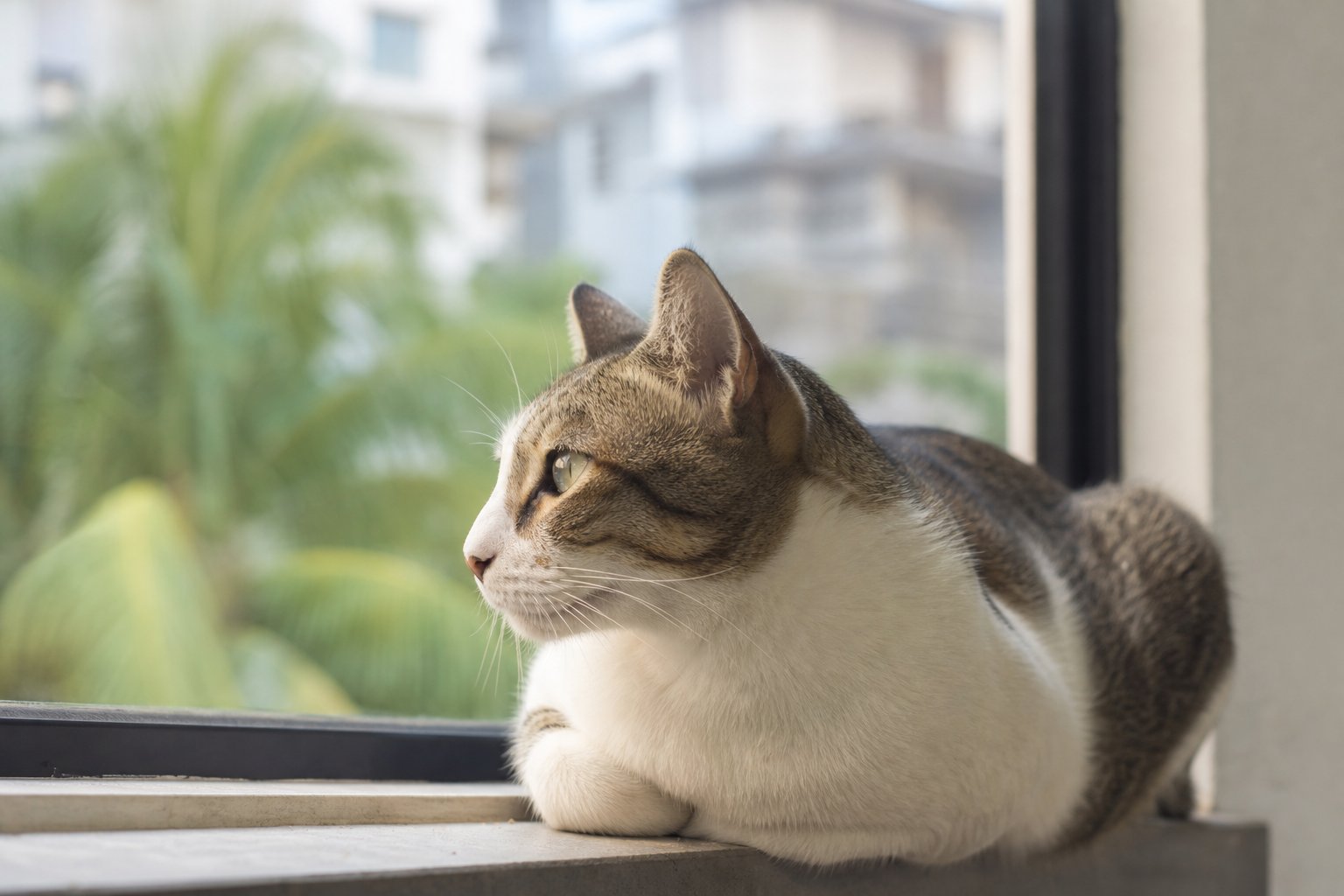
Hiding is one of the most natural cat behaviours. In the wild, a cat that feels unwell or threatened will retreat to a small, dark space where it cannot be seen. That instinct does not disappear in a Kuala Lumpur apartment or a Johor terrace house. For many cats, hiding is a normal way to recharge, especially after a noisy event or when strangers visit.
However, hiding becomes a problem when it is excessive, sudden, or linked to other changes such as not eating, avoiding the litter box, or becoming aggressive when approached. The key is to tell the difference between a cat that enjoys a quiet nap in a cupboard and a cat that is fearful or unwell.
This guide covers the reasons cats hide, how to assess the situation, and practical training tips to build your cat's confidence. It is written for Malaysian cat owners living in flats, apartments and landed homes, where space, heat and household routines can all affect a cat's sense of safety.
Normal hiding vs problem hiding
Not all hiding is a red flag. Cats are crepuscular and often seek quiet spots during the day. A new cat in a new home may hide for a few days while it adjusts. A cat may also hide from a thunderstorm, fireworks, or the vacuum cleaner.
Problem hiding usually has one or more of these features:
- The hiding is new and lasts more than 24 to 48 hours.
- Your cat stops eating or drinking.
- Your cat avoids the litter box or urinates outside it.
- Your cat hides even from familiar people and does not come out for food or play.
- Your cat shows pain signs such as crouching, squinting, or reluctance to move.
- Your cat hides in unsafe places, such as inside a sofa, behind appliances, or in a cupboard with cleaning products.
If you notice any of these, treat it as a health or welfare concern and consult a veterinarian. Hiding can be the first sign of pain or illness in cats because they are experts at masking discomfort.
Common reasons cats hide
1. Stress and anxiety
Changes in the home are a major trigger. This includes moving house, renovation, a new baby, a new pet, or even a change in work schedules. In Malaysian homes, festive seasons with extra visitors, fireworks during Hari Raya or Chinese New Year, and thunderstorms can also cause fear.
2. Lack of safe spaces
A cat needs places where it can retreat and not be disturbed. In a small flat, floor space may be limited, so cats often hide under beds or behind furniture. If there are no appropriate hiding spots, a cat may choose unsafe ones.
3. Pain or illness
Dental pain, arthritis, urinary problems and gastrointestinal issues can all make a cat hide. Cats in pain often seek dark, quiet places and avoid interaction.
4. Fear of people or pets
A cat that was not well socialised, or that has had a frightening experience, may hide when guests arrive or when another pet is nearby. Children who chase or pick up the cat can also increase fear.
5. Boredom and lack of stimulation
Some cats hide because their environment is predictable and lacks play or exploration. This is less common than stress-related hiding, but it can happen in indoor-only cats without enrichment.
6. Heat and discomfort
In Malaysia's hot climate, cats may seek cool, dark places such as under the bed or in a bathroom. This is often normal cooling behaviour, but if it comes with lethargy or not eating, it could be heat stress or illness.
How to assess your cat's hiding
Before you start training, spend a day or two observing your cat. Use a simple checklist:
- Is the hiding new or long-standing?
- Does your cat come out for meals and treats?
- Is your cat using the litter box normally?
- Are there signs of pain, such as limping, squinting, or sensitivity to touch?
- Has anything changed in the home recently?
- Does your cat hide only when certain people or noises are present?
If your cat is eating, playing and using the litter box normally, the hiding is likely behavioural. If any health sign is present, see a vet first. Training will not fix a medical problem.
Training tip 1: Provide safe hiding spots
The first step is to give your cat legal places to hide. This reduces the need to seek unsafe spots and helps your cat feel in control.
Good options include:
- Cat trees with enclosed cubbies.
- Cardboard boxes with a hole cut in the side.
- Covered cat beds.
- Shelves or window perches with a view.
- A quiet cupboard with the door left slightly open (ensure no cleaning products inside).
Place these in quiet areas away from noisy doors and busy walkways. In a small flat, use vertical space: a shelf above a wardrobe or a wall-mounted cat shelf can create a safe retreat without using floor space.
Make the hiding spot comfortable with soft bedding and a worn T-shirt that carries your scent. Do not force your cat to use it; let your cat discover it.
Training tip 2: Never force your cat out
Pulling a cat from a hiding place is counterproductive. It increases fear, can cause scratches or bites, and teaches your cat that hiding leads to being grabbed. Instead, sit quietly nearby and talk softly. You can place a treat near the entrance and wait. If your cat does not come out, leave and try later.
For cats that hide under furniture, you can block unsafe gaps with cushions or cardboard panels, but always provide an alternative safe spot nearby. The goal is to make the safe spot more attractive than the unsafe one.
Training tip 3: Use gradual desensitisation
Desensitisation means exposing your cat to the scary thing in tiny doses while pairing it with something good. For example, if your cat hides when the doorbell rings, you can play a doorbell sound at low volume on your phone, then give treats. Gradually increase the volume over days or weeks.
This works for many fears: vacuum cleaners, thunder, visitors, and carrier bags. The key is to go slowly and never push your cat past the point of comfort. If your cat stops eating or hides, the step is too big; go back to a smaller step.
Training tip 4: Build a positive association with the carrier
Many cats hide when the carrier appears because they associate it with vet visits. To change this, leave the carrier out permanently in a common area. Put bedding inside and feed meals near it, then inside it. Once your cat is comfortable eating inside, close the door for a few seconds while your cat eats, then open it. Gradually increase the time.
Never use the carrier only for vet visits. Take your cat on short car rides that end at home, or simply let it nap in the carrier. This reduces fear and makes vet trips less stressful.
Training tip 5: Encourage exploration with play
Play is a powerful confidence builder. Use a wand toy to encourage your cat to move around the room, especially near areas where it usually hides. Short, frequent sessions are better than long ones. End each session with a treat or a meal so your cat associates movement with good things.
For shy cats, start play near the hiding spot and gradually move the toy further away. If your cat retreats, stop and try again later. Never force interaction.
Training tip 6: Manage visitors and noise
If your cat hides when guests arrive, set up a safe room with food, water, litter box and a hiding spot. Put your cat there before guests arrive, with a sign on the door. This prevents escape and reduces stress. Ask guests to ignore the cat and not to approach it.
For festive seasons, plan ahead. Fireworks and loud music can be frightening. Close windows and curtains, play soft music or white noise, and provide a safe hiding spot. If your cat is severely fearful, ask your vet about behavioural support.
Training tip 7: Use pheromones and environmental changes
Synthetic feline pheromone products, such as diffusers and sprays, can help some cats feel calmer. They are not a cure, but they can support a behaviour plan. Ensure your cat has multiple resources: food, water, litter boxes, scratching posts and resting spots, placed in different areas so your cat does not have to pass a stressor to reach them.
In multi-cat homes, provide one extra litter box and separate feeding stations. This reduces competition and hiding caused by social tension.
Training tip 8: Teach a recall cue
A recall cue can help you call your cat out of a hiding spot without forcing it. Start in a quiet room with no distractions. Say your cat's name in a happy tone, then immediately give a treat. Repeat several times a day. Once your cat comes consistently, practise in different rooms and with mild distractions. Always reward with something your cat loves, such as a small piece of cooked chicken or a favourite treat.
Never use the recall cue for something unpleasant, such as nail clipping or medication. Keep it positive so your cat trusts it.
Comparison table: hiding triggers and responses
| Trigger | Typical behaviour | What to do | When to see a vet |
|---|---|---|---|
| New environment | Hides for 1-3 days, eats at night | Provide safe room, quiet, gradual introduction | If not eating for over 24 hours |
| Visitors or noise | Hides under bed, emerges when quiet | Set up safe room, ask guests to ignore | If hiding lasts days after guests leave |
| Illness or pain | Hides, stops eating, litter box changes | Vet check first | Immediately if not eating or straining |
| Fear of carrier | Runs when carrier appears | Leave carrier out, reward calm behaviour | If severe panic or injury risk |
| Heat | Seeks cool bathroom floor | Provide cool spots, fresh water | If lethargy, panting or not eating |
| Multi-cat tension | Hides from other cat, avoids resources | Add resources, separate feeding | If fighting or not eating |
When to see a vet
Hiding is often behavioural, but it can be a sign of medical problems. See a veterinarian promptly if your cat:
- Stops eating or drinking for more than 24 hours.
- Shows signs of pain, such as crying, limping, or sensitivity to touch.
- Has changes in litter box habits, especially straining or urinating outside the box.
- Vomits repeatedly or has diarrhoea.
- Breathes rapidly or with effort.
- Hides and is difficult to rouse, or seems weak.
- Has a new hiding behaviour that lasts more than 48 hours without improvement.
If you are unsure, call your vet for advice. It is better to check and be reassured than to miss a serious illness.
Creating a cat-friendly home in Malaysia
Malaysian homes vary widely, from high-rise apartments to terrace houses. Each has different challenges.
In a Kuala Lumpur apartment, space is limited and noise from neighbours or corridors can be stressful. Use vertical space: cat trees, shelves, and window perches. Create a quiet corner with a covered bed. Keep the litter box away from noisy appliances.
In a Johor terrace house, there may be more space but also more outdoor sounds, such as motorcycles and thunder. Ensure windows and doors are secure so your cat cannot escape when frightened. Provide hiding spots in quiet rooms away from the front door.
During the rainy season in Penang, cats may hide from thunder. Close curtains, play white noise, and offer a safe spot. If your cat is very fearful, discuss with your vet whether pheromone products or behavioural therapy are appropriate.
Step-by-step plan for a hiding cat
- Rule out medical issues with a vet visit if any health signs are present.
- Identify the trigger: visitors, noise, new pet, change in routine, or pain.
- Provide at least two safe hiding spots in quiet areas.
- Do not force your cat out; use treats and a soft voice.
- Start short, positive training sessions: recall, carrier, and play.
- Manage the environment: block unsafe gaps, reduce noise, use pheromones if helpful.
- Track progress with a simple diary: when your cat hides, for how long, and what happened before.
- If no improvement in 2-4 weeks, consult your vet or a qualified cat behaviourist.
Final thoughts
Hiding is a normal cat behaviour, but it is also a communication tool. Your cat is telling you something about its comfort, health or environment. By providing safe spaces, avoiding force, and using gradual positive training, you can help your cat feel more secure. Always start with a vet check if you suspect illness, and be patient. Confidence building takes time, especially for shy cats.
Disclaimer: This article is for general information only and is not a substitute for veterinary advice. Always consult a licensed veterinarian for diagnosis and treatment of your cat's health or behaviour issues.
Related reading
- Cat Behaviour Guide Malaysia 2026: Decode 30 Signals, Fix the Environment First
- Cat Biting Training Tips: How to Stop Nips, Bites and Play Aggression
- Cat Clicker Training: Practical Training Tips for Malaysian Cat Owners
- Cat Fear of Strangers: Training Tips That Actually Work
- Cat Night Activity Training Tips: How to Calm a Nocturnal Cat
- Cat Over-Grooming Training Tips: Stop the Licking Before It Becomes a Habit
- Cat Spraying Training Tips: How to Stop Your Cat From Spraying Indoors
- Fear of Strangers in Cats in Malaysia: Why Your Cat Hides and How to Help
- How to Stop Cat Carrier Training: When to Pause, Reset, and Try a Different Approach
- How to Stop Cat Fear of Strangers: A Step-by-Step Desensitisation Plan for Malaysian Homes

