
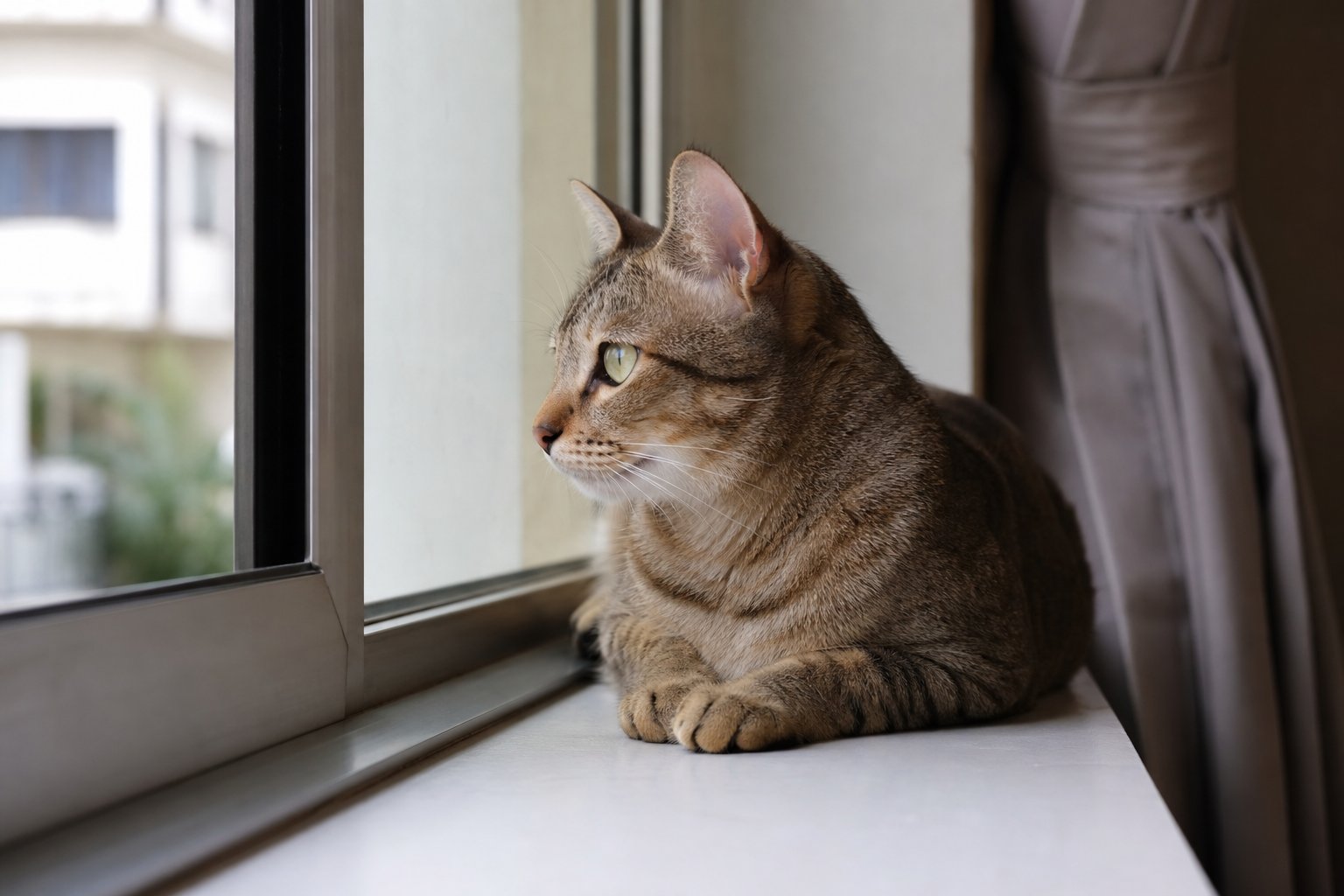
Why does my cat hide when visitors arrive?
If your cat vanishes the moment the doorbell rings, you're not alone. Fear of strangers is one of the most common behaviour concerns among cat owners, and it's rooted in survival instinct. Cats are both predator and prey animals; unfamiliar people represent potential danger. While some cats are naturally outgoing, many are not — and that's perfectly normal.
In Malaysia, where many households have a steady stream of guests, delivery riders, and family members, a shy cat can find daily life overwhelming. The good news: with patience and the right approach, most cats can learn to tolerate visitors without panic. This guide explains why fear happens, how to spot it early, and a practical plan to help your cat feel safer.
What causes fear of strangers in cats?
Fear of strangers usually develops from a mix of nature and nurture. Understanding the root helps you choose the right strategy.
Lack of early socialisation
The sensitive period for cat socialisation is roughly between 2 and 7 weeks of age. Kittens who meet many different people during this window are more likely to grow into confident adults. Cats who had limited or negative human contact early in life often remain wary. This is not a fault of the owner — many cats are adopted as adults with unknown histories.
Traumatic experiences
A single frightening event — a loud noise, being grabbed, a fall — can leave a lasting impression. Cats have excellent memories for threats. Even a well-socialised cat can become fearful after a bad experience with a visitor.
Genetic temperament
Some cats are simply born more cautious. This is especially true of cats with feral ancestry or certain breeds. Fearfulness is not a sign of a "bad" cat; it's a temperament trait that requires understanding.
Environmental stress
A chaotic home environment can lower a cat's threshold for fear. Frequent loud noises, renovations, new pets, or a lack of safe hiding places all contribute. In Malaysian homes, the rainy season can bring more indoor time and closer proximity to visitors, which may heighten stress.
Underlying medical issues
Pain, dental disease, hyperthyroidism, and cognitive dysfunction can all make a cat more irritable or fearful. Any sudden change in behaviour warrants a vet check. This is especially important for senior cats.
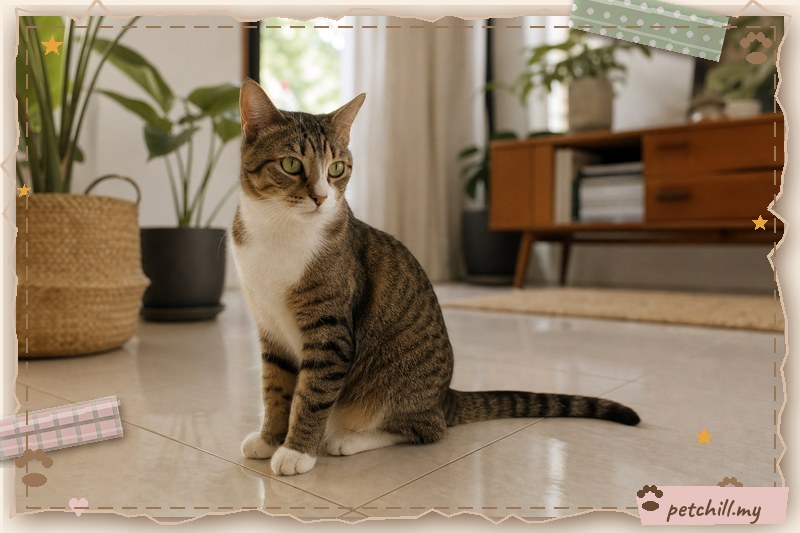
How can I tell if my cat is afraid?
Cats are subtle communicators. Recognising early signs lets you intervene before fear escalates.
| Sign | What it looks like | What to do |
|---|---|---|
| Hiding | Under bed, in wardrobe, behind sofa | Provide safe hiding spots; don't drag them out |
| Body posture | Crouched, tail tucked, ears flattened | Give space; avoid direct eye contact |
| Dilated pupils | Wide eyes even in dim light | Reduce noise and movement around the cat |
| Vocalisation | Hissing, growling, low growl | Do not punish; remove the trigger calmly |
| Avoidance | Fleeing when a guest stands up | Ask guests to stay seated and ignore the cat |
| Over-grooming | Bald patches, especially on belly or legs | Vet check to rule out medical causes |
| Appetite loss | Not eating when guests are present | Feed in a quiet room away from visitors |
| Elimination outside litter box | Urine or stool in unusual places | Rule out medical issues; reduce stress |
Some cats freeze rather than flee. A frozen cat may look "calm" but is actually terrified. Watch for a stiff body and a fixed stare.
How do I create a safe space for my fearful cat?
Every fearful cat needs a retreat where no one can reach them. This is the foundation of any behaviour plan.
- Designate a quiet room that guests never enter. Equip it with food, water, a litter box, and comfortable bedding.
- Provide vertical escape routes such as cat trees or shelves. Cats feel safer when they can observe from above.
- Use covered beds or boxes so your cat can hide without being seen.
- Keep the room door slightly ajar so your cat can choose to come out, but never force it.
- Place a worn T-shirt of yours in the safe room; your scent provides comfort.
In a Kuala Lumpur apartment, space may be limited. A wardrobe with the door left open or a quiet corner behind a sofa can work. The key is that the cat can retreat there without being followed.
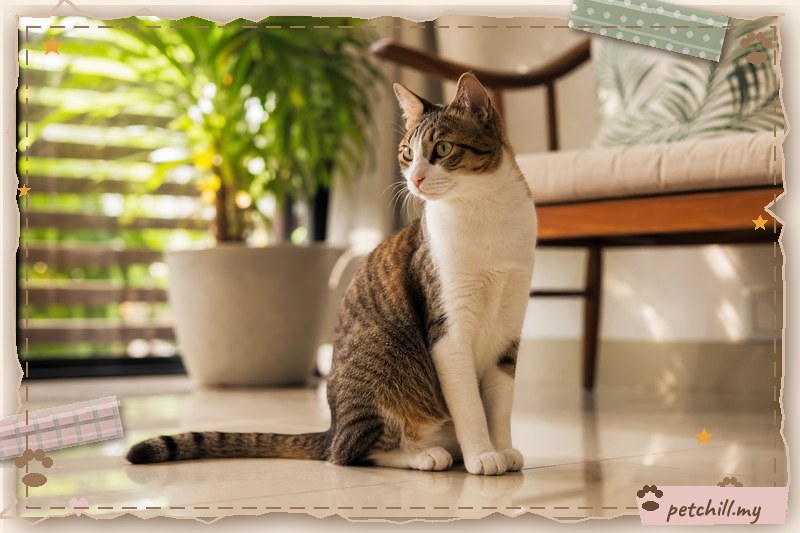
What is the best way to introduce a cat to visitors?
Gradual, controlled introductions work best. The goal is to change your cat's emotional response from fear to neutrality — not necessarily to turn them into a lap cat.
Step 1: Prepare the environment
Before the guest arrives, set up the safe room. Put a pheromone diffuser in the room if you use one. Close the curtains if outside activity is stressful. Play soft music to mask sudden sounds.
Step 2: Manage the arrival
When the doorbell rings, your cat may already be on edge. Ask guests to enter quietly and avoid loud greetings. If possible, have your cat already in the safe room with a treat puzzle.
Step 3: Let the cat choose
Once the guest is seated and calm, open the safe room door. Ignore the cat completely. Do not call, stare, or reach out. Let the cat observe from a distance. If the cat stays hidden, that's okay — the exposure still counts.
Step 4: Use treats wisely
If your cat is calm enough to eat, ask the guest to toss a high-value treat (like a small piece of cooked chicken or a commercial cat treat) toward the cat without looking at them. Repeat every few minutes. If the cat won't eat, you've moved too fast; increase distance.
Step 5: Keep sessions short
Limit visits to 15–20 minutes at first. End on a positive note. As your cat becomes more comfortable, gradually increase the duration and reduce distance.
Step 6: Repeat with different people
Generalisation is important. A cat may become comfortable with one visitor but still fear others. Practice with a variety of people — different genders, heights, voices, and clothing. This helps your cat learn that strangers are not a universal threat.
What should I tell my guests?
Clear instructions prevent well-meaning guests from undoing your progress.
- Ignore the cat. No eye contact, no approaching, no petting unless the cat initiates.
- Stay seated and quiet. Sudden movements and loud voices are scary.
- Let the cat sniff you. If the cat approaches, extend a finger and let them initiate contact.
- Don't corner the cat. Always leave an escape route.
- Avoid strong perfumes or colognes. Cats rely heavily on scent and may find unfamiliar strong smells threatening.
- Don't bring other pets unless properly introduced.
A simple handout or a quick text before the visit can set expectations. Most people are happy to help once they understand.

Can medication or pheromones help?
For mild fear, environmental management and behaviour modification are usually enough. For moderate to severe fear, your vet may discuss additional options.
- Pheromone products: Synthetic feline facial pheromone diffusers or sprays may reduce stress in some cats. Evidence is mixed, but many owners report benefits. They are not a substitute for behaviour work.
- Nutraceuticals: Products containing L-theanine or alpha-casozepine are sometimes used, but discuss with your vet first.
- Prescription medication: In severe cases, a vet may prescribe anti-anxiety medication alongside a behaviour plan. Never give human medication to a cat.
Always consult a veterinarian before using any product. Some over-the-counter remedies are not regulated and may be ineffective or unsafe.
How does the Malaysian home environment affect cat fear?
Malaysian homes present unique challenges and opportunities.
- Frequent visitors: In many Malaysian households, extended family and friends drop by often. This can be stressful for a shy cat but also provides regular practice opportunities.
- Open-concept living: Many modern apartments have open-plan layouts with few hiding spots. Add cat trees, shelves, and covered beds to create vertical and enclosed safe zones.
- Rainy season: During the northeast monsoon (typically November to March), more time is spent indoors with closed windows. This can increase proximity to visitors and reduce escape routes. Ensure your cat has a quiet room away from the gathering.
- Cultural gatherings: Festive seasons like Hari Raya, Chinese New Year, and Deepavali bring many visitors. Plan ahead: set up the safe room before the event, and ask guests to respect the cat's space.
- Delivery riders and service workers: Regular doorbell sounds can trigger fear. Consider a video doorbell or ask visitors to call instead of ringing.
In a Johor terrace house, the layout may allow a cat to retreat to a back room or upstairs. In a Penang apartment, a balcony (if securely netted) can provide a safe viewing spot. Always ensure windows and balconies are cat-proof.
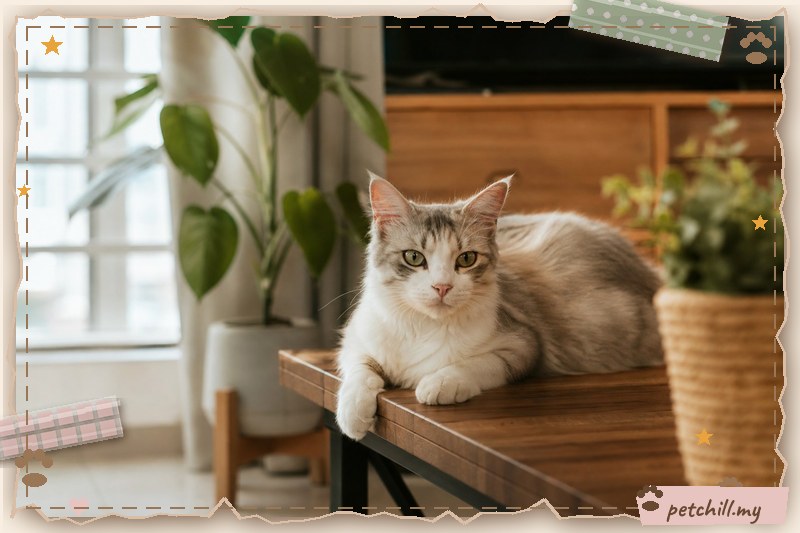
What not to do when your cat fears strangers
Avoid these common mistakes:
- Forcing interaction: Picking up a hiding cat and bringing them to a guest teaches them that strangers are terrifying.
- Punishing fear: Hissing, swatting, or growling are fear responses. Punishment worsens fear and damages trust.
- Ignoring the cat's signals: If your cat is hiding, respect that choice. Forcing exposure can backfire.
- Using food as a lure without addressing the underlying fear: Treats alone won't fix fear if the cat is overwhelmed.
- Assuming it's just personality: While some cats are naturally shy, extreme fear that affects quality of life deserves attention.
When to see a vet
Seek veterinary advice if your cat shows any of the following:
- Sudden onset of fear in a previously confident cat
- Hiding for more than 24 hours
- Refusing food or water
- Aggression that risks injury to people or other pets
- Over-grooming leading to skin wounds
- House soiling that doesn't resolve with environmental changes
- Signs of pain: limping, reluctance to jump, changes in appetite
A vet can rule out medical causes and, if needed, refer you to a qualified behaviourist. In Malaysia, look for a veterinarian with an interest in behaviour, or ask your regular vet for a recommendation.
How long will it take?
Progress varies. Some cats improve within weeks; others take months or years. The key is consistency and patience. Celebrate small wins: a cat who stays in the same room as a guest is making progress, even if they remain under the table.
Remember that fear is an emotion, not disobedience. Your cat isn't giving you a hard time; they're having a hard time. With empathy and a structured plan, you can help them feel safer in their own home.
A quick daily plan for shy cats
Even on days without visitors, you can build confidence:
- Interactive play with a wand toy for 10–15 minutes daily. Play builds confidence and reduces stress.
- Predictable routines: Feed at the same times, keep litter clean, and maintain a calm environment.
- Training games: Teach simple cues like "touch" or "sit" using positive reinforcement. Training builds a sense of control.
- Gradual exposure to household sounds: Play recordings of doorbells or footsteps at low volume while your cat eats, gradually increasing volume over weeks.
- Scent swapping: Before a guest arrives, have them rub a cloth on their hands and leave it in the cat's safe room. This introduces their scent in a non-threatening way.
Final thoughts
Fear of strangers in cats is common, manageable, and not a reflection of your care as an owner. By understanding your cat's signals, providing safe spaces, and using gentle, gradual introductions, you can help your cat cope with visitors. If fear is severe or sudden, involve your vet early. With time and patience, most cats can learn to feel more secure — even if they never become the life of the party.
This article is for general information only and is not a substitute for professional veterinary advice. Always consult a licensed veterinarian for diagnosis and treatment of your cat's health or behaviour issues.
Related reading
- Cat Behaviour Guide Malaysia 2026: Decode 30 Signals, Fix the Environment First
- Cat Fear of Strangers Explained: Why Your Cat Hides and How to Help
- Cat Fear of Strangers: Training Tips That Actually Work
- Cat Over-Grooming Training Tips: Stop the Licking Before It Becomes a Habit
- Cat Spraying Training Tips: How to Stop Your Cat From Spraying Indoors
- How to Stop Cat Carrier Training: When to Pause, Reset, and Try a Different Approach
- How to Stop Cat Fear of Strangers: A Step-by-Step Desensitisation Plan for Malaysian Homes
- How to Stop Cat Over-Grooming: A Practical Guide for Malaysian Cat Owners
- Over-Grooming in Cats in Malaysia: Causes, Signs and How to Help
- Carrier Training in Cats Malaysia: A Practical Guide for Calm Vet Visits
- Cat Aggression Training Tips: A Practical Guide for Malaysian Owners

