
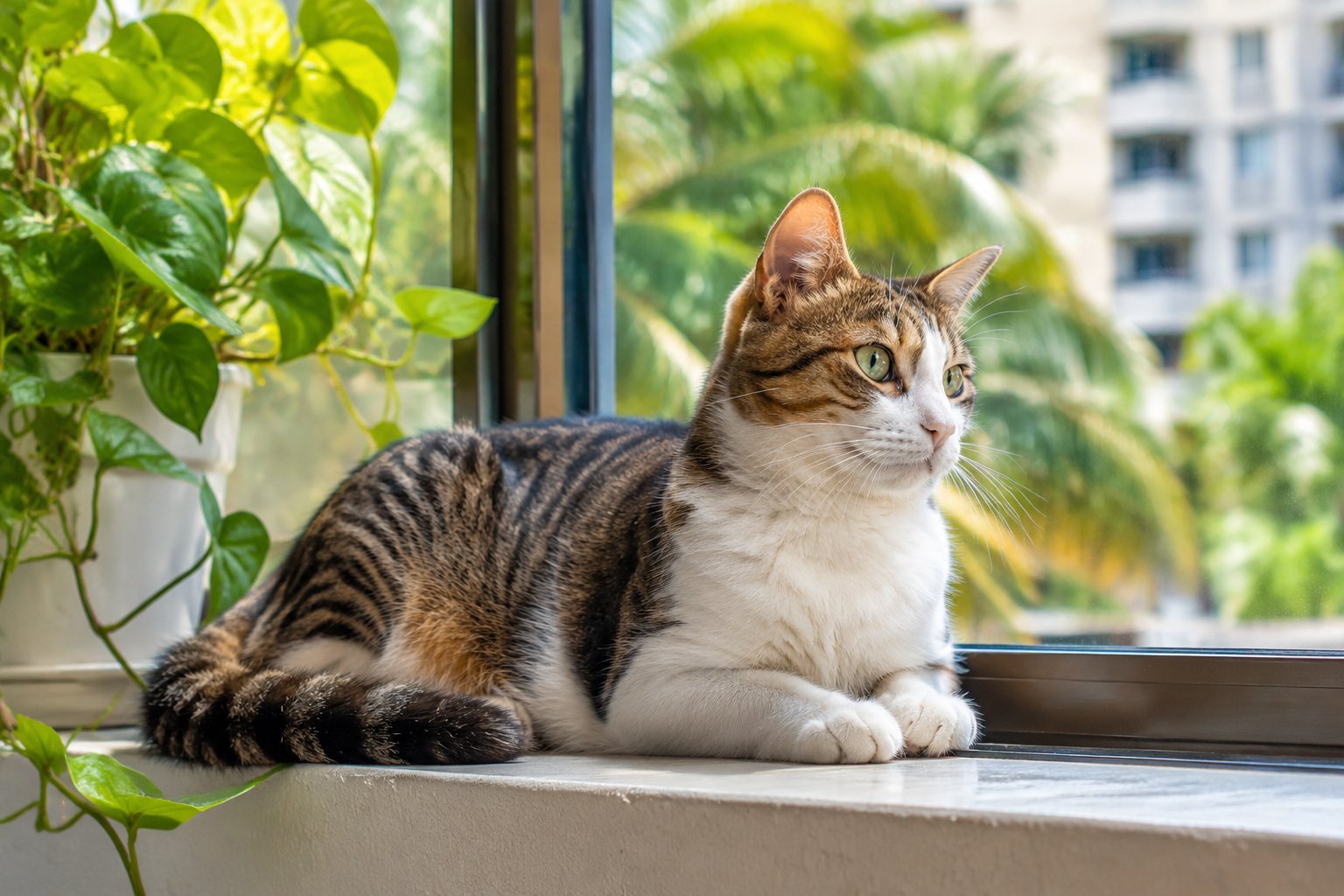
Why your cat sings at 3 a.m.
Night meowing is one of the most common complaints from cat owners, and it is rarely about a cat being stubborn. Cats are crepuscular, meaning they are naturally most active around dawn and dusk. In a home, that instinct can turn into loud calling if the cat is hungry, bored, uncomfortable or simply used to getting a response.
The fix is not a single trick. It is a short investigation followed by a predictable routine. Start by asking what the meowing is asking for: food, company, a clean toilet, relief from pain, or help navigating a dark room. Once you know the reason, the plan becomes much clearer.
This guide walks through the likely causes, a practical evening routine, what to do at 2 a.m., and when a Malaysian vet visit is warranted. It is written for real homes, from Kuala Lumpur apartments to Johor terrace houses, where neighbours and family members also need sleep.
First, rule out health problems
Before you change any routine, consider whether your cat is unwell. Meowing that is new, louder, more frequent or different in tone deserves a vet check. Pain, dental disease, arthritis, an overactive thyroid, high blood pressure and vision loss can all make a cat vocal at night. Senior cats may also develop cognitive dysfunction, which is similar to confusion in older people and often shows up as night-time crying.
Watch for these red flags:
- Meowing that started suddenly in an adult or senior cat
- Weight loss despite a good appetite
- Increased thirst or urination
- Drinking less, eating less or dropping food
- Limping, stiffness or reluctance to jump
- Yowling that sounds distressed rather than demanding
- Changes in litter box habits
If you see any of these, book a vet visit before trying behaviour changes. In Malaysia, a general practice vet can run a basic health check and discuss blood tests if needed. Prices vary by clinic and location, so ask your vet for an estimate rather than relying on online figures.
Build a bedtime routine that meets the need
Most night meowing responds to a consistent evening routine. The goal is to fill your cat's physical and mental needs before lights out, so there is less reason to call for attention at 3 a.m.
A simple routine looks like this:
- Active play. Use a wand toy or chase game for 10 to 15 minutes. Let your cat stalk, pounce and tire out. End with a small success, such as catching the toy.
- Last meal. Feed the final portion of the daily ration right after play. A full stomach promotes rest.
- Fresh water. Refresh bowls and consider a water fountain if your cat likes moving water.
- Litter check. Scoop the box and make sure it is clean and in a quiet place.
- Wind-down. Dim the lights, close curtains and keep the house calm for 15 to 20 minutes.
- Bed. Put your cat in its sleeping area with a comfortable bed, maybe a worn T-shirt that smells of you, and a safe toy.
The order matters more than the exact time. Cats learn sequences, so repeating the same pattern each night builds a strong signal that the day is over.
Feed for the night, not just for the day
Hunger is one of the most common reasons cats meow before dawn. Many owners feed once in the morning and once in the early evening, leaving a long gap overnight. Try splitting the daily food into three or four smaller meals, with the last one close to your bedtime.
If your cat is a fast eater, use a puzzle feeder or scatter food in a snuffle mat to slow things down. For cats that wake at 4 a.m., a timed feeder that opens a small portion before dawn can bridge the gap without you getting up. This is especially useful in Malaysian homes where early morning prayer or work schedules already start before sunrise.
Avoid free-feeding dry food all day if your cat is overweight. Extra weight worsens arthritis and other health issues, and it does not solve night waking. If you are unsure about portions, ask your vet to calculate a daily calorie target.
Make the environment boring at night
Cats are opportunists. If meowing makes a door open, a tap turn on or a human appear, the behaviour is being rewarded. The key is to make night-time less interesting than daytime.
- Keep the bedroom door consistent. Either the cat sleeps with you or it does not, but the rule should not change night to night.
- Do not shout or chase. Negative attention is still attention. It can also make your cat anxious.
- Block the view. Close curtains or blinds so outside cats, reflections and passing lights do not trigger territorial calling.
- Use white noise. A fan or a white-noise app can mask corridor sounds, lifts and neighbours in apartments.
- Remove breakable or noisy toys. Leave one quiet toy rather than a bell or crinkle toy that invites play at 2 a.m.
If your cat scratches at the door, ignore it completely and repair the door frame later. Any response teaches the cat that persistence works.
Give daytime enrichment so night is quieter
A bored cat often becomes a noisy cat. Cats need to hunt, climb, scratch and explore, even indoors. In a Kuala Lumpur apartment, vertical space is often the easiest solution: a cat tree by a window, a shelf route, or a secured balcony screen for safe viewing.
Try these daytime additions:
- A window perch with a view of birds or leaves
- Daily interactive play, not just toys left on the floor
- Cardboard boxes, paper bags and tunnels rotated weekly
- Puzzle feeders for part of the daily food
- Short training sessions using treats, such as coming when called
- Safe outdoor time in a harness or enclosed catio, if your home allows it
Mental work tires cats more than many owners expect. A cat that has chased, climbed and solved a puzzle during the day is more likely to sleep through the night.
Handle the 2 a.m. wake-up correctly
When your cat meows at night, your response in the first few minutes matters. If you suspect a genuine need, check quietly: is there water, is the litter box clean, is the room too hot or cold? If everything is fine, keep the interaction minimal.
A practical approach:
- Do not turn on bright lights or start a conversation.
- Do not feed immediately if the meowing is attention-seeking, or you will teach the cat that meowing earns food.
- If your cat is used to a timed feeder, let the feeder do the work.
- If your cat is elderly or has a health condition, check on it calmly and follow your vet's advice.
- Return to bed and stay consistent.
Expect an extinction burst. When a behaviour stops working, cats often try harder for a few nights before it fades. This is normal and usually temporary. Warn family members so everyone holds the same line.
Compare common night-meowing causes
The table below helps you match the sound and timing to a likely cause. Use it as a starting point, not a diagnosis.
| Cause | Typical pattern | What to try first |
|---|---|---|
| Hunger | Meowing before dawn, settles after food | Later last meal, split portions, timed feeder |
| Boredom or attention | Meowing at door, follows you, quiet when you appear | More daytime play, ignore night demands |
| Litter box | Meowing near the box or door | Scoop more often, add a second box |
| Pain or illness | New meowing, restless, poor appetite | Vet check before behaviour changes |
| Senior confusion | Pacing, yowling, disorientation at night | Vet check, night lights, calm routine |
| Outside cats | Yowling at windows or doors | Block view, close curtains, neuter if not done |
| Heat cycle | Loud, persistent calling in unneutered females | Speak to a vet about neutering |
Special cases: seniors, kittens and multi-cat homes
Senior cats. Older cats often meow at night because of poor vision, arthritis, thyroid disease or cognitive changes. A dim night light, non-slip mats, ramps to favourite spots and a litter box on the same floor can reduce confusion. Keep the routine predictable and avoid moving furniture.
Kittens. Young cats have high energy and small stomachs. They may genuinely need a late meal and more play. A kitten that cries at night may also be lonely, so consider whether a warm bed near your room is kinder than isolation.
Multi-cat homes. One cat may be guarding resources or being bullied away from food and litter. Watch for tension at bowls and boxes. Adding separate feeding stations and one litter box per cat plus one extra can reduce night-time stress.
Unneutered cats. Calling, yowling and restlessness are common in cats in heat or entire males responding to nearby females. Neutering is a welfare decision best discussed with your vet.
When to see a vet
See a vet if your cat's night meowing is new, persistent or accompanied by any of the following:
- Weight loss or weight gain
- Increased thirst or urination
- Vomiting, diarrhoea or constipation
- Poor appetite or difficulty eating
- Stiffness, limping or reluctance to move
- Confusion, pacing or staring at walls
- Loud yowling in an older cat
- Meowing that sounds painful or distressed
- Any sudden change in behaviour or routine
A vet can check for pain, dental disease, thyroid problems, high blood pressure and other conditions. In Malaysia, house-call vets and clinic visits are both options in many areas, but availability varies. Ask your local vet what they recommend for your cat's age and health status.
A realistic timeline
Behaviour change takes time. With a consistent routine, most cats improve within two to four weeks. Some take longer, especially if the habit is well established or if other cats in the home are involved. Keep a simple log of meals, play, litter changes and night meowing so you can see patterns and share useful information with your vet.
If there is no improvement after a month of consistent effort, or if your cat seems unwell, seek professional help. A vet behaviourist or experienced feline vet can assess the home environment and rule out medical causes.
Frequently asked questions
Why does my cat meow at night? Common causes are hunger, boredom, wanting attention, a dirty litter box, discomfort or age-related confusion. Cats are naturally more active at dawn and dusk, so an empty evening can trigger loud night calling.
Should I feed my cat right before bed? Yes, a full meal close to bedtime can reduce early-morning hunger meowing. Split the daily ration so the last meal is late, and avoid free-feeding if your cat is overweight.
Will ignoring my cat stop the meowing? Ignoring attention-seeking meowing works only if you are consistent and meet the cat's needs first. Any response, including shouting or getting up, can reward the behaviour and make it continue.
Is night meowing a sign of illness? It can be. New or persistent night calling, especially in older cats, may signal pain, thyroid disease, high blood pressure, vision loss or cognitive decline. A vet check is the safest first step.
Do white noise or night lights help? They can. A fan or white-noise machine masks outside sounds, and a dim night light helps older cats with poor vision move safely without crying for help.
How long does it take to stop night meowing? With a consistent routine and no accidental rewards, many cats settle within two to four weeks. Health-related or senior-cat meowing may need ongoing management rather than a cure.
Vet disclaimer
This article is general information for cat owners in Malaysia and is not a substitute for veterinary advice. Every cat is different, and health conditions can only be diagnosed by a qualified veterinarian. If your cat's night meowing is new, worsening or accompanied by other signs of illness, please consult a local vet.
Related reading
- Cat Behaviour Guide Malaysia 2026: Decode 30 Signals, Fix the Environment First
- Cat Biting Training Tips: How to Stop Nips, Bites and Play Aggression
- Cat Clicker Training: Practical Training Tips for Malaysian Cat Owners
- Cat Meowing at Night Explained: Why It Happens and How to Help
- Cat Meowing at Night: Training Tips That Actually Work
- Cat Night Activity Training Tips: How to Calm a Nocturnal Cat
- Cat Over-Grooming Training Tips: Stop the Licking Before It Becomes a Habit
- How to Stop Cat Over-Grooming: A Practical Guide for Malaysian Cat Owners
- Meowing at Night in Cats: Why It Happens and How to Help (Malaysia Guide)
- Night Activity in Cats in Malaysia: Why Your Cat Is Nocturnal and How to Manage It
- Over-Grooming in Cats in Malaysia: Causes, Signs and How to Help
- Separation Anxiety in Cats in Malaysia: Signs, Causes and Calming Plans

