
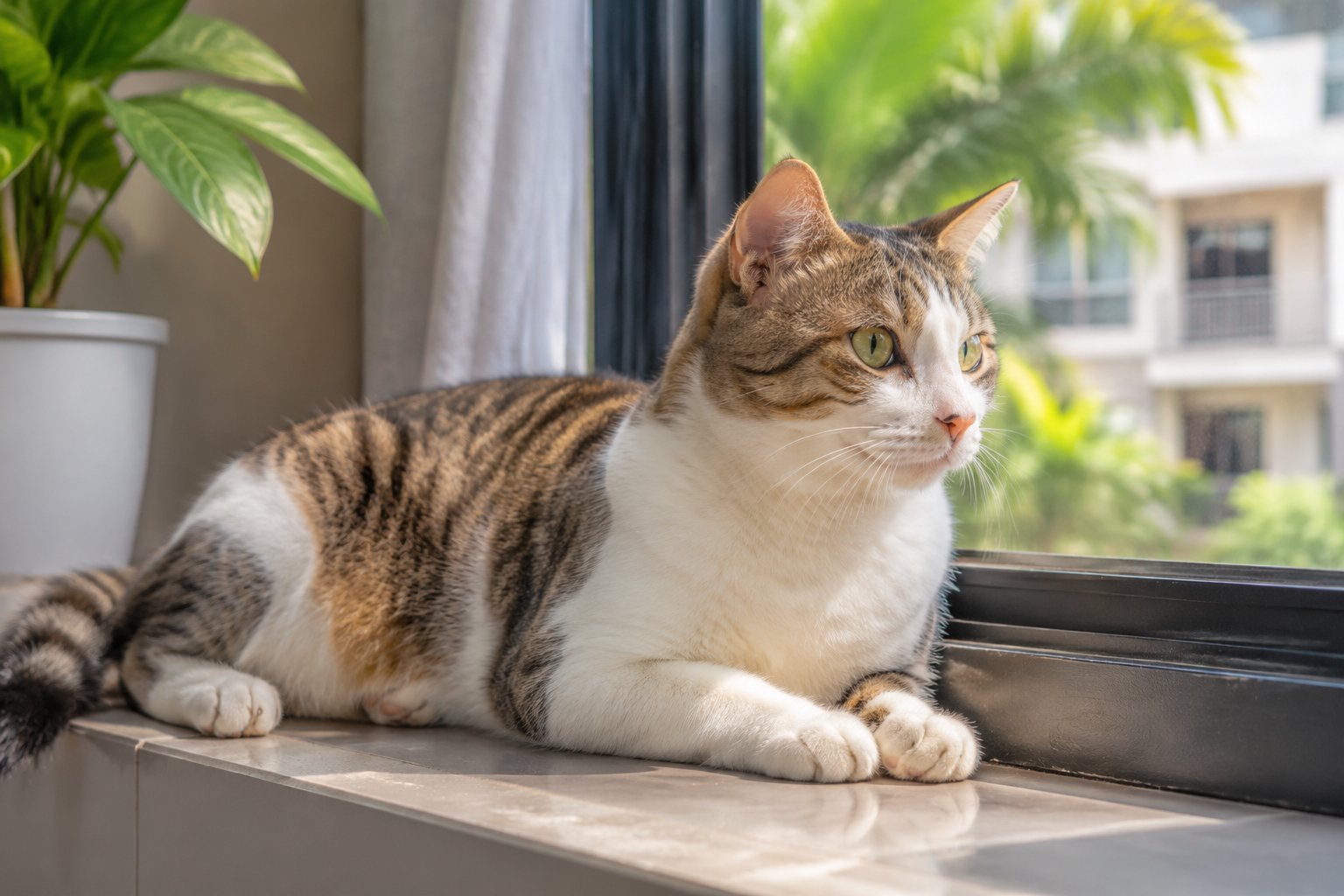
Why cats climb
Cats climb because it is part of their natural behaviour. In the wild, climbing helps them hunt, escape danger, and survey their territory. Domestic cats retain these instincts, and climbing provides exercise, mental stimulation, and a sense of security. Understanding the reasons behind climbing is the first step to managing it effectively.
Exercise and muscle maintenance
Climbing uses the whole body: front legs pull, hind legs push, and the core stabilises. Regular climbing helps maintain muscle tone and joint flexibility. For indoor cats, especially in apartments, climbing is a vital form of exercise that combats obesity and boredom.
Safety and stress relief
Height gives cats a sense of safety. When stressed by noise, visitors, or other pets, cats often retreat to high places. Climbing also releases tension; scratching and climbing are linked behaviours that mark territory and stretch muscles.
Territory and observation
Cats are both predators and prey. High vantage points allow them to observe their surroundings without being seen. This is why cats love the top of wardrobes, bookshelves, and refrigerators. In multi-cat households, vertical space reduces conflict by providing separate territories.
Normal climbing vs problem climbing
Not all climbing is a problem. It becomes an issue when it damages property, risks injury, or occurs in inappropriate areas. The table below helps distinguish normal from problematic climbing.
| Aspect | Normal climbing | Problem climbing |
|---|---|---|
| Frequency | Occasional, especially when playful or curious | Constant, frantic, or obsessive |
| Location | Cat trees, shelves, catios | Curtains, counters, Christmas trees |
| Body language | Relaxed, confident | Tense, anxious, or destructive |
| Response to redirection | Easily distracted to appropriate outlet | Ignores alternatives, persists |
| Impact | Minimal, manageable | Damage, injury risk, stress |
If your cat's climbing seems excessive or anxious, consider underlying stress or medical issues. Consult your vet if you notice sudden changes.
Providing appropriate climbing outlets
Cats need legal climbing options. Without them, they will improvise. Here is how to create a cat-friendly vertical environment.
Cat trees and scratching posts
Choose sturdy cat trees with multiple levels and scratching surfaces. Place them near windows so your cat can watch the outside world. In Malaysian homes, look for materials that withstand humidity, such as sisal-wrapped posts and metal frames. Avoid flimsy trees that wobble; cats avoid unstable structures.
Wall-mounted shelves and steps
Wall shelves save floor space and create a climbing highway. Ensure they are securely anchored and can support your cat's weight. Use non-slip surfaces. In small apartments, vertical space is especially valuable.
Window perches and catios
Window perches provide entertainment and a safe way to enjoy the view. For outdoor access, consider a catio (enclosed outdoor enclosure) to prevent roaming and exposure to hazards. In Malaysia, ensure catios are mosquito-screened and shaded.
DIY options
You don't need expensive equipment. Sturdy cardboard boxes, wooden crates, and shelves can be arranged to create climbing opportunities. Just ensure they are stable and safe.
Managing climbing in specific areas
Curtains and drapes
Curtains are tempting because they move and provide texture. To deter climbing, tie curtains back during playtime, use curtain clips, or apply double-sided tape to lower sections. Provide a cat tree nearby as an alternative. Never punish; instead, reward your cat for using the tree.
Kitchen counters
Counters are appealing for food and height. Keep counters clean and free of food. Use motion-activated air cans or double-sided tape to make counters unpleasant. Offer a cat tree or shelf near the kitchen as a substitute. Consistency is crucial; if you sometimes allow counter surfing, your cat will keep trying.
Bookshelves and wardrobes
These are prime climbing spots. Secure shelves to the wall to prevent tipping. Clear breakable items from top surfaces. Provide a cat tree of similar height nearby. You can also use museum putty to secure ornaments.
Christmas trees and seasonal decorations
Holiday trees are irresistible. Secure the tree to a wall or ceiling, use unbreakable ornaments, and avoid tinsel (which can be ingested). Provide a cat tree in the same room as a decoy.
Safety considerations
Climbing carries risks, especially in high-rise apartments. Follow these safety tips.
- Secure windows and balconies: Install sturdy screens or grilles. Never rely on insect screens alone; cats can tear them. In Malaysia, many high-rise residents use grilles, but ensure gaps are small enough to prevent escape.
- Check stability: Ensure cat trees and shelves are stable and anchored. Cats can jump with force; a wobbling tree may fall.
- Remove hazards: Keep toxic plants (e.g., lilies) out of reach. Secure dangling cords from blinds. Cover electrical outlets.
- Provide safe landing: Place cushions or rugs under climbing areas to soften falls.
- Supervise outdoor access: If using a catio, ensure it is secure and provides shade and water.
When climbing indicates a problem
Climbing is usually normal, but changes in behaviour can signal issues.
- Increased climbing and vocalisation: May indicate stress, pain, or cognitive dysfunction in senior cats.
- Reluctance to climb: Could be due to arthritis, injury, or illness. If your cat stops jumping or climbing, consult your vet.
- Climbing in unusual places: Such as climbing walls or frantic climbing may indicate anxiety or neurological issues.
- Destructive climbing: If your cat is climbing curtains obsessively, it may lack appropriate outlets or be stressed.
When to see a vet
Consult a veterinarian if you notice any of the following:
- Sudden reluctance to jump or climb
- Vocalisation when moving
- Limping or stiffness after climbing
- Changes in appetite or behaviour alongside climbing changes
- Injury from a fall
- Excessive grooming or other signs of stress
Your vet can assess for pain, arthritis, or other medical conditions. In Malaysia, you can find a list of veterinary clinics on the Department of Veterinary Services (DVS) website.
Creating a cat-friendly vertical environment: a checklist
Use this checklist to ensure your home meets your cat's climbing needs.
- At least one tall cat tree (floor-to-ceiling or multi-level)
- Scratching surfaces (sisal, cardboard) on each level
- Window perch with a view
- Wall shelves or steps for additional vertical space
- Secure screens on windows and balconies
- Stable furniture and anchored shelves
- Safe plants only (check ASPCA list)
- No dangling cords or blind pulls
- Soft landing spots under high areas
- Multiple climbing options in multi-cat households
Comparison of climbing structures
| Type | Pros | Cons | Best for |
|---|---|---|---|
| Floor-to-ceiling cat tree | Tall, stable, multiple levels | Takes floor space, may be pricey | Active cats, multi-cat homes |
| Wall-mounted shelves | Saves floor space, customisable | Requires installation, weight limits | Apartments, small homes |
| Window perch | Provides entertainment, compact | Limited to window areas | Single cats, sunny spots |
| Catio | Safe outdoor access, enrichment | Costly, requires space | Outdoor-loving cats |
| DIY cardboard boxes | Cheap, easy to replace | Less durable, may look messy | Temporary or budget solutions |
Training and redirection
You can train your cat to use appropriate climbing spots. Use positive reinforcement.
- Lure with treats: Place treats on the cat tree to encourage exploration.
- Reward: When your cat uses the tree, offer praise or a treat.
- Redirect: If your cat starts climbing curtains, calmly pick them up and place them on the tree. Reward when they stay.
- Use catnip: Sprinkle catnip on the tree to attract your cat.
- Be consistent: Always redirect to the same alternative.
Never punish your cat for climbing. Punishment can cause fear and stress, and your cat may simply climb when you are not around.
Climbing and multi-cat households
In homes with multiple cats, vertical space is essential to reduce conflict. Provide multiple climbing structures, especially in different rooms. Ensure each cat can access resources (food, water, litter) without being blocked. High places allow cats to escape each other when needed.
Climbing for senior cats
Older cats may have arthritis or reduced mobility. Provide ramps or steps to help them reach favourite spots. Low-entry litter boxes and soft bedding also help. Consult your vet about pain management. Climbing is still beneficial for senior cats, but make it accessible.
Climbing and indoor enrichment
Climbing is part of a broader enrichment plan. Combine it with puzzle feeders, interactive play, and scent games. A tired cat is less likely to climb inappropriately. Aim for at least two play sessions per day.
Common myths about cat climbing
- Myth: Cats climb because they are naughty. Fact: Climbing is natural; cats are not spiteful.
- Myth: You can stop a cat from climbing entirely. Fact: You can redirect, but climbing is innate.
- Myth: Cats always land on their feet. Fact: They have a righting reflex, but falls can cause serious injury.
- Myth: Declawing stops climbing. Fact: Declawing is inhumane and illegal in many places; it does not stop climbing and can cause pain.
Local considerations for Malaysian homes
In Malaysia, many people live in apartments and high-rises. Balcony safety is critical. Ensure grilles are secure and gaps are small. The rainy season can make outdoor catios damp; ensure they have shelter. Humidity can affect wooden cat trees; choose moisture-resistant materials. Also, be mindful of local wildlife; keep cats indoors or in secure enclosures to protect both cats and wildlife.
Conclusion
Climbing is a natural and beneficial behaviour for cats. By understanding why cats climb and providing appropriate outlets, you can protect your furniture and keep your cat happy and healthy. Remember to never punish, always redirect, and consult your vet if you notice changes in behaviour.
Disclaimer: This article is for informational purposes only and does not replace professional veterinary advice. Always consult a licensed veterinarian for health concerns.
Related reading
- Cat Behaviour Guide Malaysia 2026: Decode 30 Signals, Fix the Environment First
- Cat Climbing Training Tips: Safe Vertical Play for Malaysian Homes
- Biting in Cats in Malaysia: Why Cats Bite and How to Stop It
- Carrier Training in Cats Malaysia: A Practical Guide for Calm Vet Visits
- Cat Clicker Training Explained: A Practical Guide for Malaysian Cat Owners
- Cat Night Activity Explained: Why Your Cat Is Nocturnal and How to Manage It
- Cat Scratching Furniture: Training Tips That Actually Work
- Cat Tree Malaysia: Size Formula, Buying Checklist and Small-Home Placement
- Clicker Training in Cats Malaysia: A Practical Guide for Malaysian Pet Owners
- How to Stop Cat Spraying: A Practical Guide for Malaysian Homes
- Spraying in Cats in Malaysia: Why It Happens and How to Stop It

