
The short answer
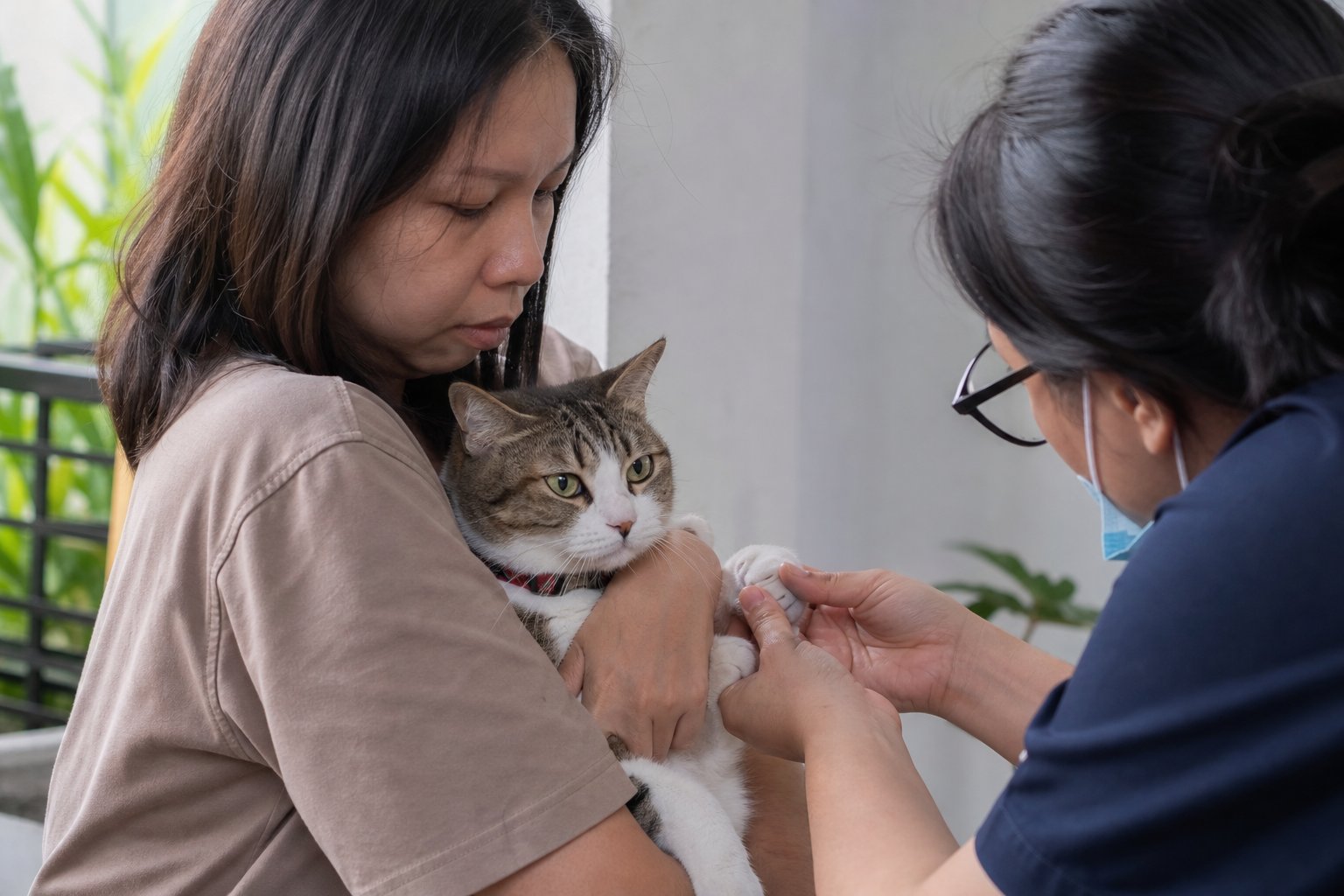
A blood test for your cat is a short clinic visit, not a procedure to dread. Your vet reviews history, restrains your cat gently, clips a small patch of fur, draws roughly 1–3 ml of blood from a vein in a leg or the neck, and fills one or two tubes. The sample is either run on an in-house analyser within the hour or sent to an external laboratory. Most cats go home the same day, slightly annoyed but fine.
This guide walks through the whole process step by step, explains what each common panel measures, and shows how Malaysian owners can prepare and follow up sensibly.
Step 1: Deciding why the test is needed
Bloodwork is rarely ordered for no reason. Vets reach for it in a few broad situations:
- Screening a healthy cat. A baseline panel before middle age gives you something to compare against later.
- Investigating symptoms. Weight loss, vomiting, diarrhoea, lethargy, increased thirst, poor appetite, pale gums or jaundice all point to internal changes that bloodwork can clarify.
- Pre-anaesthetic checks. Before dental scaling or surgery, vets want to know how the liver and kidneys are coping.
- Monitoring a known condition. Diabetic cats, kidney cats and hyperthyroid cats need repeat testing to track treatment.
- Medication safety. Some drugs, including certain painkillers and long-term therapies, need periodic blood monitoring.
Ask your vet which specific question the test is meant to answer. That single question shapes which panels get run and saves you paying for tests that add nothing.
Step 2: Preparing your cat (and yourself)
Preparation is mostly about reducing stress and avoiding wasted samples.
Fasting. Many routine panels do not require fasting, but your vet may ask for roughly 6–8 hours without food if glucose or lipid values matter. Water should stay available. Never fast a kitten, a diabetic cat, or an obviously unwell cat unless the vet has told you to.
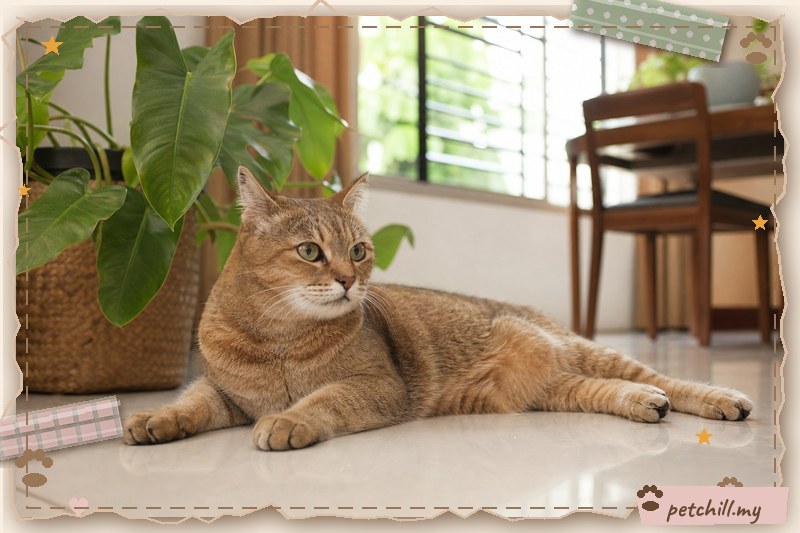
Carrier and travel. Use a secure carrier with a familiar blanket. In Malaysian heat, avoid leaving the carrier in a parked car even briefly. Book a morning slot if your cat copes better in cooler hours.
Records. Bring any previous blood results, medication names and doses, and a short note of symptoms and how long they have been present. Trends matter more than single numbers.
Calm handling. A towel over the carrier, a pheromone spray on the bedding, and a quiet waiting corner all help. Tell the clinic in advance if your cat has bitten or scratched at previous visits so they can plan safe restraint.
Step 3: Check-in and physical exam
The vet usually starts with a hands-on exam: weight, temperature, heart and lung sounds, gum colour, hydration, abdominal palpation and lymph node check. This takes a few minutes and often reveals which tests are worth prioritising. Weight is recorded because a change of even a few hundred grams is meaningful in cats.
This is also the moment to raise cost questions. Ask which tests are included, whether the sample is run in-house or sent out, and what a recheck would cost. Local prices vary widely between clinics and states, so ask your own vet for a written estimate rather than relying on figures you saw online.
Step 4: Restraint and site preparation
Most cats are held still by a nurse or assistant while the vet works. Techniques vary: some clinics use a towel wrap, others a firm but calm scruff-free hold. A small area of fur over the vein is clipped and cleaned with surgical spirit.
Common collection sites:
- Cephalic vein on the front leg — the most frequent choice for small volumes.
- Jugular vein in the neck — allows a larger, cleaner draw and is often used for multiple tubes.
- Medial saphenous vein on the inner back leg — a backup option.
Some clinics apply a numbing cream to the skin about 20–30 minutes before the needle, which is worth requesting for anxious cats. Sedation is occasionally used for very fractious cats, but it is not routine.
Step 5: The draw itself
The needle goes in, a syringe or a vacuum tube fills, and the needle is withdrawn with pressure applied for a minute or two. The whole draw usually takes under a minute once the vein is found. Some cats flinch; most settle quickly.
Occasionally the first attempt misses, especially in dehydrated or very small cats, and a second site is tried. This is normal and not a sign of incompetence. If your cat is fragile, ask whether a more experienced staff member can do the draw.
Afterwards, expect a small shaved patch and possibly a tiny bruise. Keep your cat from licking the site excessively for a few hours.
Step 6: What is actually being tested
A "blood test" is an umbrella term. Vets pick panels based on the question. Here is how the main groups compare.
| Panel | What it measures | Typical use | Turnaround |
|---|---|---|---|
| Complete blood count (CBC) | Red cells, white cells, platelets, haemoglobin, haematocrit | Anaemia, infection, inflammation, bleeding, immune problems | In-house: under an hour |
| Biochemistry profile | Kidney values, liver enzymes, glucose, protein, electrolytes, minerals | Organ function, diabetes, dehydration, general screening | In-house: under an hour |
| Thyroid panel (T4) | Thyroid hormone level | Hyperthyroidism in older cats | Often sent out: 1–3 days |
| FeLV / FIV test | Viral status | New cats, sick cats, outdoor cats, before multi-cat introductions | Usually in-house: 10–20 minutes |
| Urine and blood pressure add-ons | Kidney and endocrine function | Paired with bloodwork in senior cats | Same visit |
| Coagulation or crossmatch | Clotting ability, blood typing | Before surgery or transfusion | Varies; often sent out |
A CBC and biochemistry together are often called a "full panel" or "health screen". Ask exactly which analytes are included, because two clinics can use the same phrase for quite different test menus.
Step 7: How long results take
In-house analysers give a CBC and basic biochemistry within roughly 20–60 minutes, so many owners leave with a printed sheet. Tests sent to an external laboratory — thyroid, some hormone assays, viral confirmations, cultures — may take one to several days. Ask at check-in when to expect a call, and who will call.
If your cat is unwell, ask whether any critical values can be phoned through the same day rather than waiting for the full report.
Step 8: Reading the results without panicking
Reports usually show your cat's value, a reference range, and a flag for high or low. A few practical rules:
- One abnormal number is not a diagnosis. Mild elevations can come from stress, dehydration or recent meals.
- Trends beat snapshots. A value drifting upward over three tests matters more than one borderline reading.
- Reference ranges differ between machines. Do not compare numbers from two different labs as if they were identical.
- Breed and age matter. Young kittens, senior cats and certain breeds have their own expected patterns.
- Ask what changes the plan. If a result would not alter treatment, monitoring or diet, ask whether it needs repeating at all.
Write down three questions before the results call: What does this mean for my cat? What do we do next? When should we retest?
Step 9: Aftercare and follow-up
Most cats need no special aftercare. Offer water and a normal meal, and let them rest. Watch the puncture site for swelling or persistent bleeding, which is uncommon but worth checking.
Follow-up depends on findings: a recheck in a few weeks for a borderline kidney value, a glucose curve for a diabetic cat, or a repeat thyroid test to confirm a dose. Keep every report in one folder or phone album so any vet can see the history.
Special situations Malaysian owners ask about
Multi-cat households. Before introducing a new cat, testing for FeLV and FIV is a sensible step, alongside a general health check. Discuss quarantine and vaccination timing with your vet.
Outdoor and free-roaming cats. Cats that roam or fight have higher exposure risk to infectious disease and wounds. Bloodwork plus viral testing is a reasonable baseline.
Senior cats. From around age seven, yearly screening is common; many vets suggest twice-yearly checks for cats over ten. Kidney disease and hyperthyroidism are classic senior findings that bloodwork catches early.
Cats on prescription diets or long-term medication. Periodic monitoring helps confirm the treatment is working and not causing harm.
Hot-weather travel. In Malaysian heat, schedule appointments early, keep the carrier ventilated, and bring water. Stress can nudge glucose and some values, so a calm visit gives cleaner data.
When to see a vet
Book a visit promptly if your cat shows weight loss, persistent vomiting or diarrhoea, increased thirst and urination, reduced appetite, pale or yellow gums, weakness, sudden blindness, breathing difficulty, or a wound that will not heal. These signs can indicate conditions that bloodwork helps identify. Do not wait for a scheduled screening if your cat is clearly unwell — same-day assessment is safer.
A simple pre-visit checklist
- Carrier with familiar bedding, secured in the car
- List of medications, doses and start dates
- Previous blood reports, even old ones
- Note of symptoms, appetite and water intake over the past week
- Questions about which panels are included and expected cost
- Phone charged for the results call
Bottom line
A cat blood test is a short, low-risk procedure that answers specific questions about your cat's internal health. Prepare sensibly, ask which panels are being run and why, expect same-day results for in-house tests, and treat any single abnormal value as a prompt for discussion rather than a verdict. Your vet's interpretation, combined with the physical exam and your cat's history, is what turns numbers into a plan.
This article is general information for cat owners and is not a substitute for veterinary advice. Always consult a licensed veterinarian about your cat's health, testing and treatment.
Related reading
- Cat Health Guide Malaysia: Symptom Check, Red-Flag Triage & When to See a Vet
- Diabetes in Cats: Causes and Care (Malaysian Owner's Guide)
- Arthritis in Cats: Causes and Care (Malaysia Guide)
- Bad Breath in Cats: Causes and Care (Malaysian Owner's Guide)
- Cat Constipation in Malaysia: The 48-Hour Rule, Red Flags and What Actually Helps
- Cat Dehydration Treatment in Malaysia: Signs, Home Care and When to See a Vet
- Cat Diabetes Treatment in Malaysia: A Practical Owner's Guide
- Cat Sudden Aggression Treatment in Malaysia: Why It Happens and What to Do

