
What are constricted pupils?
Constricted pupils (miosis) are pupils that are smaller than normal. In cats, the pupil is the black opening in the center of the iris that controls how much light enters the eye. Normally, pupils dilate (enlarge) in dim light and constrict (shrink) in bright light. This is controlled by muscles in the iris and nerves that connect the eye to the brain.
When a cat's pupils stay small even in low light, it can be a sign of an underlying problem. However, it's important to know that constricted pupils are not always abnormal. In bright sunlight, a cat's pupils naturally become narrow slits to protect the retina. The key is context: if the pupils remain constricted in dim conditions or are accompanied by other symptoms, further investigation is needed.
This article explains the common causes of constricted pupils in cats, how to prevent them where possible, and when to seek veterinary care. It is written for Malaysian cat owners and focuses on practical steps you can take at home.
Normal pupil function in cats
Before assuming something is wrong, it helps to understand how cat pupils work. Cats have vertical slit pupils that can change size dramatically. In bright light, the pupils narrow to thin slits. In darkness, they open wide to let in more light. This adaptation helps cats hunt in low light.
Pupil size is controlled by two sets of muscles: the sphincter muscle (which constricts the pupil) and the dilator muscle (which enlarges it). These muscles are regulated by the autonomic nervous system, which includes the sympathetic (fight-or-flight) and parasympathetic (rest-and-digest) branches. Any disruption to these nerves or the brain can affect pupil size.
Normal pupil constriction happens quickly in response to light. You can test this at home by shining a small flashlight into your cat's eye (gently) and watching the pupil shrink. Both pupils should constrict equally. If one pupil stays small while the other responds normally, that's a red flag.
Common causes of constricted pupils in cats
There are many reasons why a cat's pupils might be constricted. Some are harmless, while others are serious. Here are the main categories:
1. Light exposure
Bright light is the most common and normal cause. When a cat goes from a dark room into sunlight, the pupils constrict to protect the eyes. This is a healthy reflex. If your cat's pupils are small only in bright light and return to normal in dim light, there is likely no cause for concern.
2. Pain
Pain, especially abdominal pain, can cause pupils to constrict. This is due to increased parasympathetic tone. Cats in pain may also hide, refuse food, or become irritable. If you notice small pupils along with signs of pain, consult a vet.
3. Medications and toxins
Certain drugs and chemicals can cause miosis. These include:
- Organophosphate and carbamate insecticides (commonly used in some flea and tick products, and garden sprays)
- Certain human medications (e.g., opioids, some sedatives)
- Toxic plants (e.g., certain lilies, though these more often cause other severe signs)
Exposure to these substances can be life-threatening. If you suspect your cat has ingested or been exposed to a toxin, contact a veterinarian immediately.
4. Neurological conditions
Problems in the brain or nerves can affect pupil size. Examples include:
- Horner's syndrome (damage to sympathetic nerves, causing a small pupil, drooping eyelid, and sunken eye)
- Head trauma
- Brain tumors
- Encephalitis (inflammation of the brain)
These conditions often come with other neurological signs such as head tilt, circling, or seizures.
5. Eye conditions
Inflammation inside the eye (uveitis) can cause the pupil to constrict. This is often painful and may be accompanied by redness, cloudiness, or squinting. Uveitis can be caused by infection, trauma, or immune-mediated disease.
6. Systemic illness
Some systemic diseases can affect pupil size. For example, liver disease or electrolyte imbalances may lead to neurological signs. However, these are less common causes of isolated miosis.
How to prevent constricted pupils in cats
Prevention depends on the cause. While not all cases can be prevented, you can reduce the risk of many underlying issues. Here are practical steps:
Keep your cat indoors
Indoor cats are less likely to be exposed to toxins, trauma, and infectious diseases. In Malaysia, indoor living also protects cats from road traffic and fights with other animals. Ensure your home is cat-proofed: secure windows and balconies with netting, and remove toxic plants.
Store medications and chemicals safely
Keep all human medications, insecticides, and household chemicals in closed cabinets that cats cannot access. Never use dog flea products on cats, as some contain permethrin, which is highly toxic to cats. If you use flea treatments, choose cat-safe products and follow the instructions carefully.
Manage pain promptly
If your cat shows signs of pain (e.g., reluctance to move, poor appetite, hiding), see a vet. Treating pain early can prevent complications and improve your cat's quality of life. Never give human painkillers to cats without veterinary advice; many are toxic.
Schedule regular vet check-ups
Routine examinations can catch health problems early. Your vet can assess your cat's eyes and neurological function during a physical exam. For senior cats, more frequent check-ups are recommended.
Avoid head trauma
Keep cats away from open windows and high places where they could fall. Use carriers for transport and secure them in the car.
Monitor for subtle signs
Learn what's normal for your cat. Check pupil size in different lighting occasionally. If you notice persistent small pupils, start a diary of other symptoms and consult your vet.
When to see a vet
Constricted pupils can be a medical emergency. Seek veterinary care immediately if your cat has any of the following:
- Pupils that remain small in dim light
- One pupil small and the other normal (anisocoria)
- Vomiting, diarrhea, or excessive salivation
- Weakness, wobbliness, or collapse
- Difficulty breathing
- Seizures or tremors
- Sudden behavior change (e.g., confusion, disorientation)
- Eye redness, cloudiness, or squinting
- Known or suspected exposure to toxins
Do not wait to see if symptoms improve. Early intervention can be life-saving.
Diagnosing the cause
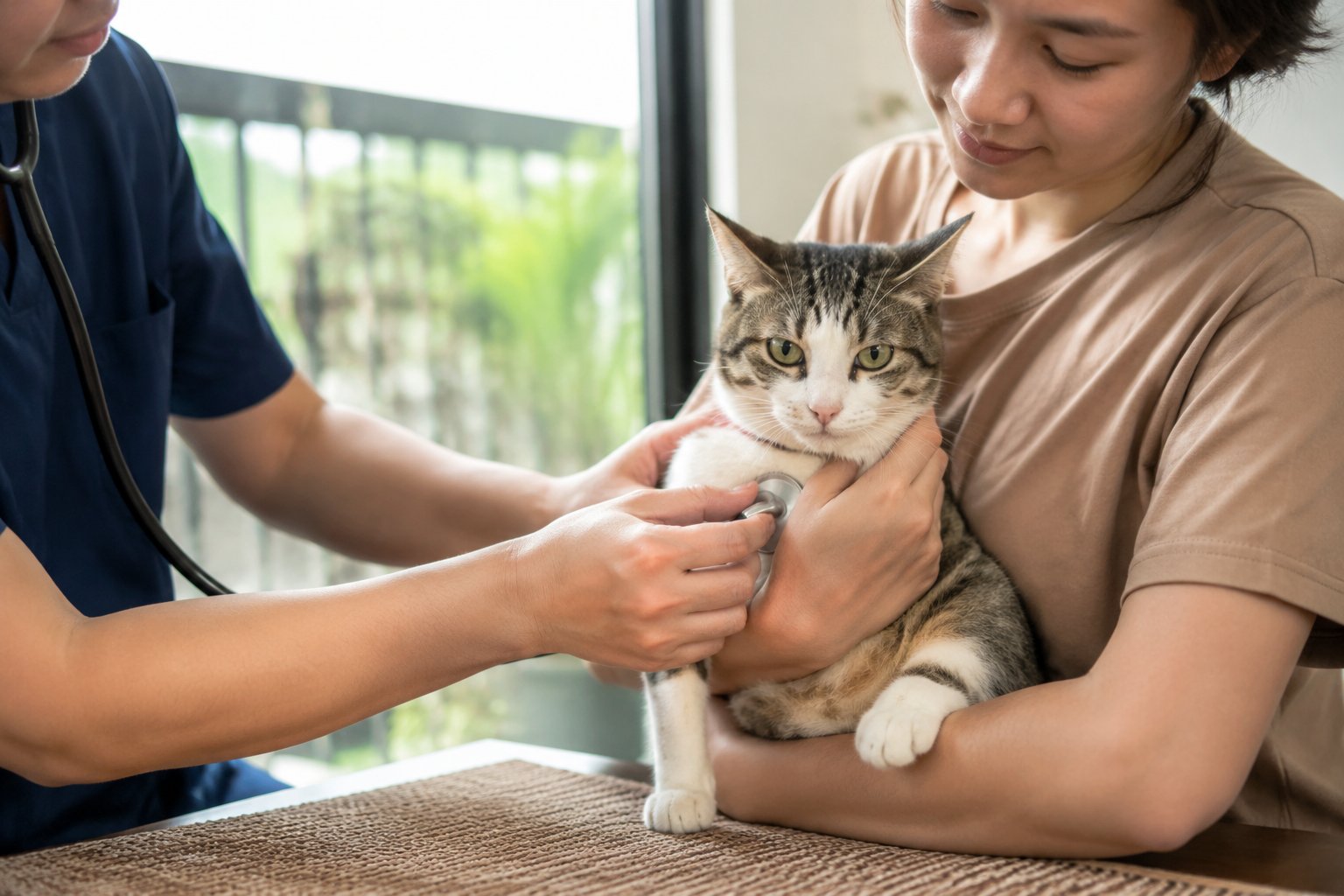
When you take your cat to the vet, they will perform a thorough examination. This may include:
- A detailed history (diet, environment, possible toxin exposure)
- Physical and neurological exam
- Eye exam (including pupil light reflex test)
- Blood tests to check organ function and electrolyte levels
- Imaging (X-rays or ultrasound) if needed
In some cases, referral to a veterinary ophthalmologist or neurologist may be necessary. Your vet will discuss the options with you.
Treatment options
Treatment depends on the underlying cause. For example:
- If toxins are involved, decontamination and supportive care are needed.
- If pain is the cause, appropriate pain relief will be provided.
- If an infection is present, antibiotics or antivirals may be prescribed.
- If a neurological condition is diagnosed, specific therapy will be tailored to the condition.
Never attempt to treat your cat with home remedies without veterinary guidance. Some human medications can worsen the condition.
Comparison table: normal vs. abnormal pupil constriction
| Feature | Normal constriction | Abnormal constriction |
|---|---|---|
| Lighting | Pupils small in bright light, large in dim light | Pupils remain small even in dim light |
| Symmetry | Both pupils equal | One pupil smaller than the other |
| Other signs | None | Vomiting, weakness, eye redness, neurological signs |
| Response to light | Pupils constrict quickly when light shone | Pupils may be slow to respond or fixed |
| Duration | Temporary, changes with lighting | Persistent over hours or days |
Practical examples for Malaysian cat owners
Example 1: Kuala Lumpur apartment
A cat living in a high-rise apartment may be exposed to bright sunlight through large windows. If the cat's pupils are small only when sunbathing, that's normal. However, if the cat's pupils stay small even in the evening, and the cat is lethargic, it could indicate pain or illness. In an apartment, it's easier to control light exposure and keep toxins out of reach. Use curtains to manage sunlight and store cleaning products in locked cabinets.
Example 2: Johor terrace house
In a terrace house with a garden, cats may roam outdoors and encounter insecticides or toxic plants. If your cat comes home with small pupils and drooling, it could be organophosphate poisoning. Keep cats indoors, especially if you use garden chemicals. Always store chemicals securely and read labels for pet safety.
Local resources
For pet health information in Malaysia, consult the Department of Veterinary Services (DVS) website for general guidelines on pet care and disease prevention. The DVS animal passport portal provides information on travel and health certificates, which may be relevant if you need to move with your cat. The SPCA Malaysia offers resources on responsible pet ownership and animal welfare. The Malaysian Veterinary Council (MVC) can help you find a registered veterinarian.
Frequently asked questions
Q: Why are my cat's pupils always small?
A: Small pupils can be normal in bright light. If they remain constricted in dim light, it may indicate pain, poisoning, or neurological problems. Seek veterinary advice.
Q: Can constricted pupils be prevented?
A: You can reduce risk by keeping cats indoors, storing toxins safely, managing pain with vet guidance, and scheduling regular check-ups. Some causes are not preventable.
Q: What toxins cause small pupils in cats?
A: Certain insecticides, human medications, and toxic plants can cause pupil changes. Keep all chemicals and medications out of reach and contact a vet if exposure is suspected.
Q: Are constricted pupils an emergency?
A: If accompanied by vomiting, weakness, difficulty breathing, or sudden behavior changes, it is an emergency. Go to the nearest vet immediately.
Q: Do constricted pupils always mean poisoning?
A: No. They can result from light, pain, or neurological conditions. A vet exam is needed to determine the cause.
Q: How can I check my cat's pupils at home?
A: Observe pupil size in different lighting. In dim light, pupils should dilate. If they stay small, note other symptoms and consult a vet.
Conclusion
Constricted pupils in cats can be a normal response to light, but they can also signal serious health issues. By understanding the causes and taking preventive steps, you can protect your cat's health. Always consult a veterinarian if you notice persistent small pupils or other concerning signs. Regular check-ups and a safe environment are your best tools for prevention.
Disclaimer: This article is for informational purposes only and does not replace professional veterinary advice. Always consult a licensed veterinarian for diagnosis and treatment of your cat's condition.
Related reading
- Seizures in Cats: Causes and Care (Malaysia Guide)
- Seizures in Cats in Malaysia: Causes, Signs and What to Do
- Signs of Seizures in Cats in Malaysia: What Owners Need to Know
- Bad Breath Prevention for Cats: A Practical Guide for Malaysian Owners
- Breathing Difficulty Prevention for Cats: A Practical Malaysian Guide
- Cat Fever Treatment in Malaysia: What to Do When Your Cat Is Hot
- Cat Pale Gums Treatment in Malaysia: What to Do When Your Cat's Gums Turn White
- Cat Poisoning Treatment in Malaysia: What to Do, What to Expect, and How to Prevent It
- Cat Seizures Treatment in Malaysia: What to Do, Causes & Vet Care
- Cat Trembling Treatment in Malaysia: Causes, Home Care and When to See a Vet
- Chocolate Poisoning and Cats in Malaysia: What Every Owner Should Know

