
The short answer
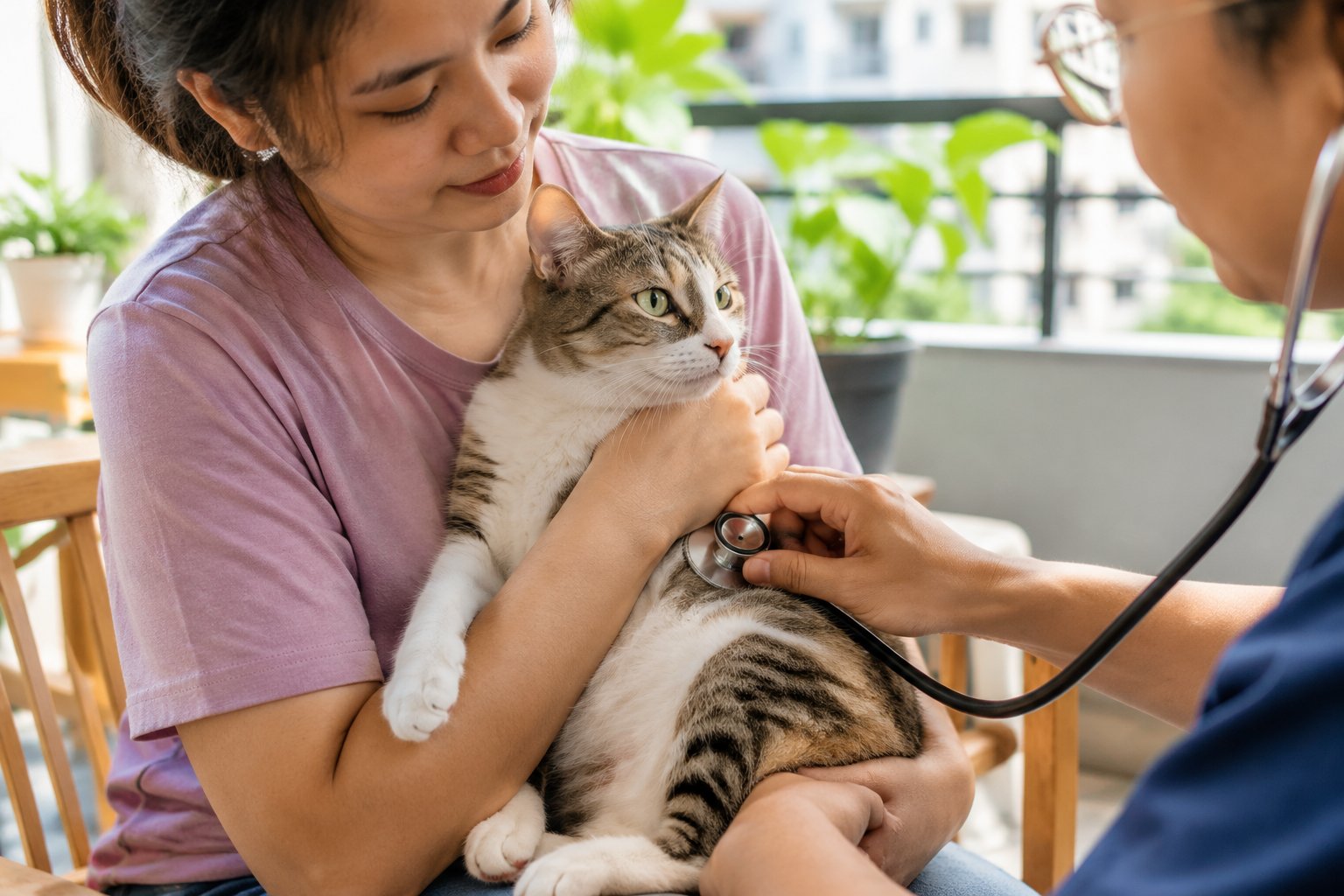
You can treat common roundworm and tapeworm infections at home, but only with a cat-safe dewormer given at the correct weight-based dose, combined with strict hygiene and flea control. Home treatment fails when owners use the wrong product, guess the dose, or miss the underlying cause. Kittens, pregnant cats, and any cat with vomiting, diarrhoea, or weight loss should see a vet first.
Why home treatment needs a plan, not a guess
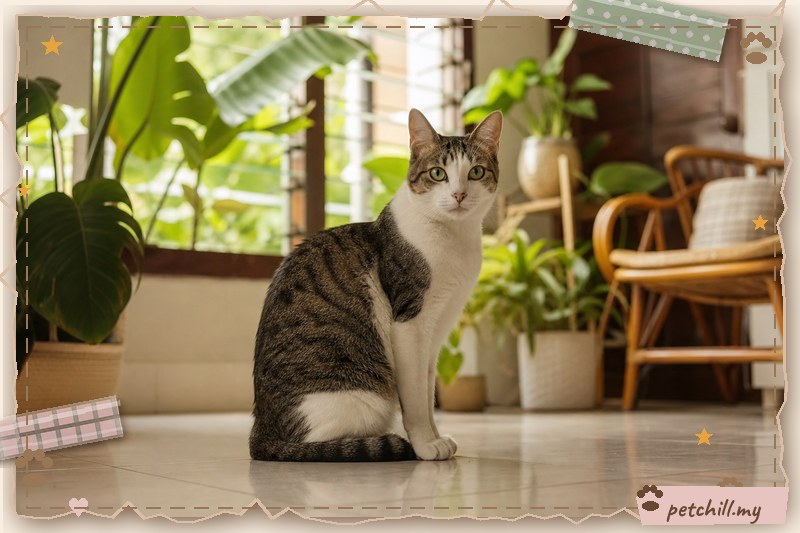
Worms are among the most common parasites in cats, and many infected cats look perfectly healthy. That is why routine deworming matters even when you see no worms. The challenge is that "worms" is not one problem. Roundworms, tapeworms, hookworms, and lungworms behave differently, and the treatment that works for one may not work for another.
At home, your job is to do three things well: identify the likely worm type, use the right dewormer at the right dose, and break the life cycle through cleaning and flea control. Skip any of these and reinfection is almost guaranteed.
Know the enemy: common worms in Malaysian cats
| Worm type | How cats get it | What you may see | Home treatment focus |
|---|---|---|---|
| Roundworm | Swallowing eggs from soil, prey, or contaminated surfaces; kittens from mother's milk | Spaghetti-like worms in vomit or stool, pot belly, poor growth in kittens | Dewormer effective against roundworms; strict litter and hand hygiene |
| Tapeworm | Swallowing fleas carrying tapeworm larvae; eating raw prey | Rice-like segments around anus or in bedding, itching around the tail | Dewormer for tapeworms plus effective flea control |
| Hookworm | Larvae penetrating skin or swallowed from contaminated soil | Diarrhoea, weight loss, anaemia, weakness | Dewormer; vet visit if anaemia or illness |
| Lungworm | Eating infected prey or slugs/snails | Coughing, breathing difficulty | Vet diagnosis needed; not a simple home deworming case |
Most home deworming products target roundworms and tapeworms. Hookworms are often covered by broad-spectrum dewormers, but lungworm requires specific diagnosis and treatment, so a cough or breathing problem is a vet matter, not a home deworming one.
Step 1: Confirm it is worms (or accept you cannot)
You cannot always confirm worms at home. Tapeworm segments look like small grains of rice or sesame seeds around the anus or on bedding. Roundworms may appear in vomit or stool as long, thin, spaghetti-like strands. But many infections produce no visible worms at all.
Signs that raise suspicion include:
- A pot-bellied appearance, especially in kittens
- Weight loss despite a good appetite
- Diarrhoea or soft stool
- Scooting or licking around the anus
- Visible segments or worms
- Dull coat and poor growth in young cats
If you see these signs, deworming is reasonable, but persistent signs need a vet. A vet can examine a stool sample and identify the worm type, which matters because not all dewormers cover all worms.
Step 2: Choose a cat-safe dewormer
This is where most home treatment goes wrong. Never use a dog dewormer on a cat. Some dog products contain ingredients that are toxic to cats, and even "safe" ingredients are formulated at doses meant for dogs. Never use a product labelled for livestock or poultry.
Look for a dewormer specifically labelled for cats. Common active ingredients include:
- Praziquantel — effective against tapeworms
- Pyrantel pamoate — effective against roundworms and hookworms
- Fenbendazole — effective against several worms including roundworms and some tapeworms
- Milbemycin oxime — broad-spectrum, often combined with praziquantel
- Emodepside — used in some broad-spectrum cat products
Many modern products combine ingredients to cover both roundworms and tapeworms. Spot-on and tablet forms are available. The right choice depends on your cat's weight, age, health status, and whether fleas are present.
If you are unsure, ask a Malaysian vet or a reputable pet retailer for a cat-specific product. Prices vary locally, so compare products by active ingredient and dose rather than by price alone.
Step 3: Dose by weight, not by guesswork
Dewormers are dosed by body weight. Guessing can underdose, which fails to kill worms, or overdose, which risks side effects. Weigh your cat if possible. If you cannot weigh your cat, ask your vet to weigh it during a routine visit and note the weight for future reference.
A simple home checklist before dosing:
- Weigh your cat or confirm its most recent weight.
- Read the label for the correct dose for that weight.
- Check the product is labelled for cats.
- Check the expiry date.
- Confirm the dose frequency — some products require a repeat dose after 2 to 4 weeks.
- Record the date and product used.
For kittens, dosing is especially weight-sensitive. Never give a kitten an adult cat dose. Ask a vet for a kitten-safe product and dose.
Step 4: Treat the environment, not just the cat
Worms do not live only inside your cat. Roundworm eggs can survive in soil and on surfaces, and tapeworm depends on fleas. Home treatment only works if you break the life cycle.
Daily and weekly tasks:
- Scoop litter boxes daily and dispose of waste sealed in a bag.
- Wash litter boxes with hot water and detergent regularly; dry them in the sun where possible.
- Wash bedding in hot water.
- Clean food and water bowls daily.
- Vacuum floors and furniture, especially where your cat sleeps.
- Wash hands after handling cats, litter, or soil.
- Keep children away from litter boxes and outdoor soil that cats may use.
- Control fleas on all pets in the household.
In a Kuala Lumpur apartment, where cats often share small indoor spaces, daily litter scooping and flea control are especially important because parasites can build up quickly in confined areas. In a Johor terrace house with a garden, cats may hunt or walk through soil, so keep an eye on outdoor access and wash hands after gardening.
Step 5: Control fleas to stop tapeworms
Tapeworms are transmitted by fleas. If your cat has tapeworms and you do not control fleas, tapeworms will return. Use a cat-safe flea treatment recommended by your vet, and treat all cats and dogs in the home. Flea eggs and larvae live in the environment, so vacuuming and washing bedding are part of flea control.
Do not use dog flea products on cats. Some dog flea treatments are toxic to cats.
What not to do at home
- Do not use dog dewormers or livestock dewormers.
- Do not use herbal or DIY remedies; they are unproven and can be toxic.
- Do not give a second dose early because you saw worms after the first dose.
- Do not deworm a pregnant or nursing cat without veterinary advice.
- Do not deworm a very young kitten without veterinary advice.
- Do not ignore vomiting, diarrhoea, or weight loss; these need a vet.
- Do not rely on deworming alone; clean the environment and control fleas.
When to see a vet
See a vet if your cat:
- Is a kitten under 8 weeks old or is pregnant or nursing
- Has vomiting, diarrhoea, or blood in the stool
- Is losing weight or has a poor appetite
- Has a pot belly, weakness, or pale gums
- Is coughing or having trouble breathing
- Has visible worms that persist after treatment
- Has tapeworms despite flea control
- Has a known or suspected lungworm infection
- Has not improved after a course of deworming
A vet can examine a stool sample, identify the worm, and prescribe the right treatment. In Malaysia, your veterinarian can also advise on a deworming schedule suited to your cat's lifestyle and risk.
A simple home deworming schedule
| Cat's situation | Suggested approach |
|---|---|
| Adult indoor cat, no fleas | Deworm every 3 to 6 months with a cat-safe product; control fleas |
| Adult cat that goes outdoors or hunts | Deworm every 3 months or as advised; control fleas and avoid raw prey |
| Cat with tapeworms | Deworm for tapeworms and treat fleas on all pets; repeat as directed |
| Kitten | Ask a vet for a kitten-safe product and schedule |
| Pregnant or nursing cat | Only deworm under veterinary advice |
| Cat with vomiting, diarrhoea, or weight loss | See a vet before deworming |
Preventing reinfection
Prevention is cheaper and safer than repeated treatment. Keep your cat indoors or supervise outdoor access, avoid raw meat and raw fish, control fleas year-round, clean litter daily, and wash hands often. If you have children, teach them to wash hands after playing with the cat and to stay away from litter boxes.
In Penang's rainy season, damp soil and outdoor areas can harbour parasite eggs, so wipe paws and clean litter areas promptly if your cat goes outside.
Final word
Home treatment of worms in cats is possible and practical when you use a cat-specific dewormer at the correct weight-based dose, clean the environment, and control fleas. It is not a place for guesswork or dog products. When in doubt, or when your cat is unwell, a Malaysian vet is your best resource.
This article is general information, not veterinary advice. Always consult a licensed veterinarian for diagnosis and treatment of your cat.
Related reading
- Signs of Worms in Cats in Malaysia: What Owners Should Look For
- Worms in Cats: Causes and Care (Malaysia Vet Guide)
- Arthritis in Cats: Causes and Care (Malaysia Guide)
- Bad Breath in Cats: Causes and Care (Malaysian Owner's Guide)
- Blood Test for Cats Step by Step: What Happens at the Clinic
- Cat Sudden Aggression Treatment in Malaysia: Why It Happens and What to Do
- Dehydration in Cats: Causes, Warning Signs and How to Care for a Thirsty Cat
- Dental Pain in Cats in Malaysia: Signs, Causes and What to Do

