
The short answer
Vomiting in cats is common, but "common" is not the same as "always harmless". A single vomit after a greedy meal or a hairball every few weeks is usually nothing to panic about. Repeated vomiting, vomiting with lethargy, refusal to eat, blood, or a suspected poisoning is a different story and needs a vet quickly. In Malaysia's warm, humid climate, dehydration can develop faster than many owners expect, so the timeline for seeking help is often shorter than in cooler countries.
This guide walks you through how to judge what you are seeing, what to check at home, what you can safely do, and the red flags that mean you should stop reading and call a clinic.
First, work out what kind of vomiting it is
Not all vomiting looks the same, and the pattern tells you a lot.
True vomiting involves active abdominal contractions, retching, and usually bile or digested food. The cat often looks uneasy beforehand and may drool or lick its lips.
Regurgitation is passive. Food appears shortly after eating, often still in a tube shape, with no retching. This points more towards swallowing problems or eating too fast than to stomach disease.
Hairballs are cylindrical wads of fur, sometimes with food. A cat that produces one every few weeks and is otherwise bright and hungry is usually fine.
Unproductive retching — heaving with nothing coming up — is a red flag, especially in male cats, because it can signal a urinary blockage or a gastrointestinal obstruction.
Vomiting blood may look like fresh red streaks or like coffee grounds. Both warrant a vet visit.
Common causes, from mild to serious
| Cause | Typical pattern | Urgency |
|---|---|---|
| Eating too fast | Vomit soon after meals, food mostly undigested | Low — try slow feeders |
| Hairballs | Occasional cylindrical wads, cat otherwise well | Low to moderate |
| Sudden diet change | Vomiting within days of a new food | Low — transition slowly |
| Food intolerance or allergy | Recurrent vomiting, sometimes with itching or diarrhoea | Moderate |
| Intestinal worms | Vomiting with pot belly, poor coat, visible worms | Moderate — deworm |
| Gastritis or infection | Vomiting, reduced appetite, sometimes fever | Moderate to high |
| Foreign body obstruction | Repeated vomiting, no stool, painful belly | Emergency |
| Poisoning | Vomiting, drooling, tremors, weakness | Emergency |
| Kidney disease | Gradual weight loss, increased thirst, vomiting | High — needs bloodwork |
| Hyperthyroidism | Weight loss despite good appetite, vomiting | High — needs bloodwork |
| Pancreatitis | Vomiting, abdominal pain, lethargy, anorexia | High |
| Urinary blockage (male cats) | Straining, unproductive retching, no urine | Emergency |
This table is a rough guide, not a diagnosis. Only a vet who examines your cat can tell you which row applies.
What to check at home before you call a vet
A few simple observations help your vet enormously and help you decide how urgent things are.
Count the vomits. Note how many times in 24 hours, and whether food, bile, foam, hair, or blood came up.
Check the gums. Gently lift the lip. Pink and moist is normal. Pale, grey, or tacky gums suggest poor circulation or dehydration.
Do a skin tent test. Gently pinch the skin at the back of the neck. It should spring back immediately. If it stays up, the cat may be dehydrated.
Watch the litter box. No urine for 12 hours in a male cat is an emergency. No stool for two days alongside vomiting also needs attention.
Check appetite and energy. A cat that vomits once then asks for food is very different from one that hides, sits hunched, or refuses its favourite treat.
Look for possible toxins. Lilies, certain human medicines, rodent bait, antifreeze, and some essential oils are dangerous. If you suspect ingestion, call a vet immediately rather than waiting for symptoms.
Take a photo. A picture of the vomit, including any unusual colour or content, is genuinely useful to your vet.
Managing a mild episode at home
If your cat is bright, drinking, and has vomited only once or twice, a cautious home approach is reasonable for 12 to 24 hours.
- Withhold food briefly, not water. Water should always be available. Do not restrict water unless a vet tells you to.
- Offer small, frequent bland meals. Plain cooked chicken without bones or skin, or a vet-recommended bland diet, in teaspoon-sized portions every few hours.
- Reintroduce normal food gradually over a day or two if vomiting stops.
- Keep the cat indoors and calm. Rest helps.
- Avoid home remedies you have not cleared with a vet. Human anti-nausea drugs, herbal drops, and human foods like onion, garlic, chocolate, and dairy can do more harm than good.
- Do not give human painkillers. Paracetamol and ibuprofen are toxic to cats.
If vomiting continues past 24 hours, worsens, or new signs appear, stop home care and see a vet.
Water and heat: a Malaysian-specific concern
Malaysia's climate is warm and humid year-round, and many homes are air-conditioned inside while the outdoors is hot. Cats lose fluid through vomiting and through normal panting and grooming, and dehydration can creep up quietly.
Practical steps:
- Offer multiple water bowls in different rooms, plus a wide bowl that does not press on whiskers.
- Consider a pet water fountain; many cats drink more from moving water.
- Add a little warm water to wet food to increase intake.
- In hot weather, keep water bowls out of direct sun and refresh them daily.
- Watch for sun-baked balconies and cars — never leave a cat in a parked car.
If your cat is vomiting and also seems weak, wobbly, or has tacky gums, treat it as urgent regardless of how many times it has vomited.
Hairballs: helpful habits
Hairballs are common in long-haired cats and during heavy shedding. They are not a disease, but frequent hairballs can indicate over-grooming due to stress or skin problems.
- Brush your cat several times a week, more often during shedding season.
- Provide scratching and enrichment to reduce stress grooming.
- Ask your vet about a suitable hairball lubricant or high-fibre diet if hairballs are frequent.
- Never use human hairball remedies without checking with a vet.
If your cat is producing hairballs weekly, losing weight, or vomiting food as well, get it checked.
When to see a vet
Go to a vet promptly, or seek emergency care, if you see any of the following:
- Vomiting more than three times in 24 hours, or persistent vomiting over two days.
- Vomiting with blood, coffee-ground material, or unusual colour.
- Unproductive retching, especially in a male cat.
- A swollen, painful, or hard abdomen.
- Lethargy, hiding, weakness, collapse, or difficulty breathing.
- Refusal to eat for more than 24 hours, or refusal to drink.
- No urine for 12 hours, or straining in the litter box.
- Suspected poisoning or foreign body ingestion.
- Vomiting alongside diarrhoea, fever, or weight loss.
- A kitten, senior cat, or pregnant cat that is vomiting.
- Any cat with a known chronic condition such as kidney disease or diabetes.
When in doubt, call your vet. A phone call costs little and can save a lot.
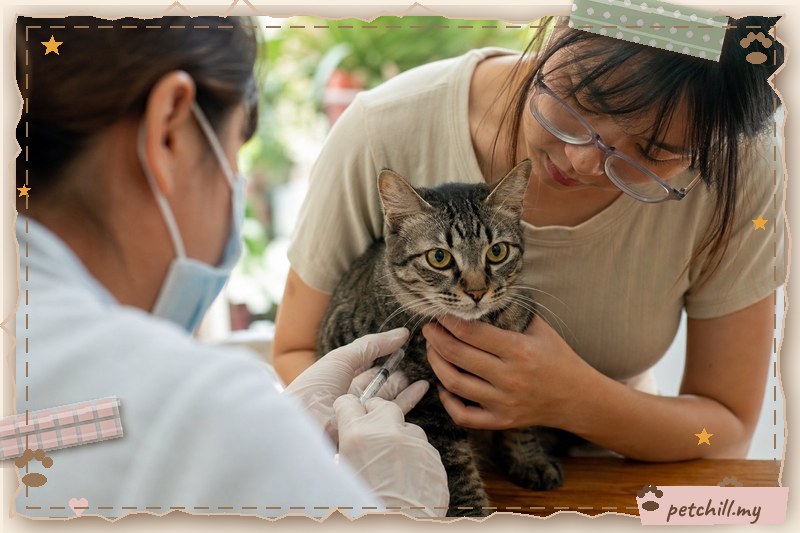
What your vet may do
Expect a physical examination first, including abdominal palpation, gum colour, hydration assessment, and temperature. Depending on findings, your vet may recommend:
- Blood tests to check kidney, liver, and thyroid function, and electrolyte balance.
- Faecal testing for parasites.
- X-rays or ultrasound if a foreign body or obstruction is suspected.
- Fluid therapy for dehydration.
- Anti-nausea medication, gastroprotectants, or a prescription diet.
- Hospitalisation and surgery in obstruction cases.
Ask your vet to explain the reasoning behind each test so you can make an informed decision. Prices vary widely between clinics and states, so ask for an estimate before agreeing to procedures.
Preventing repeat episodes
- Feed measured meals rather than free-feeding, especially in multi-cat homes.
- Use slow feeders or puzzle feeders for greedy cats.
- Transition foods over seven days, mixing increasing proportions of the new food.
- Keep rubbish bins, medicines, and toxic plants out of reach.
- Deworm according to your vet's schedule.
- Book annual wellness checks, more often for seniors.
- Keep a simple log of vomiting episodes to spot patterns.
A quick checklist to keep on your phone
- How many times in 24 hours?
- What came up — food, bile, foam, hair, blood?
- Is the cat eating and drinking?
- Is the cat bright or lethargic?
- Are the gums pink and moist?
- Has the cat urinated and passed stool normally?
- Any possible toxin exposure?
- Any weight loss or increased thirst recently?
Bring these answers to your appointment and you will save time and help your vet reach a diagnosis faster.
Final word
Vomiting in cats is a symptom, not a diagnosis. Most isolated episodes settle with simple home care, but persistent or accompanied vomiting deserves professional attention. Malaysian cat owners should factor in heat and hydration, keep toxic plants and human medicines well out of reach, and never hesitate to call a vet when something feels off.
This article is general information only and is not a substitute for veterinary examination. Always consult a licensed veterinarian for diagnosis and treatment of your cat.
Related reading
- Breathing Difficulty in Cats in Malaysia: Signs, Causes and What to Do
- Cat Dehydration Treatment in Malaysia: Signs, Home Care and When to See a Vet
- Dehydration in Cats: Causes, Warning Signs and How to Care for a Thirsty Cat
- How to Treat Dehydration in Cats at Home: A Practical Malaysian Guide
- Signs of Breathing Difficulty in Cats in Malaysia: What Every Owner Must Know
- Signs of Dehydration in Cats in Malaysia: Early Warning Signs & What to Do
- Signs of Vomiting in Cats in Malaysia: What's Normal, What's Not, and When to See a Vet
- Vomiting in Cats: Causes and Care (Malaysia Guide)
- Arthritis in Cats: Causes and Care (Malaysia Guide)
- Bad Breath in Cats: Causes and Care (Malaysian Owner's Guide)

