
The short answer
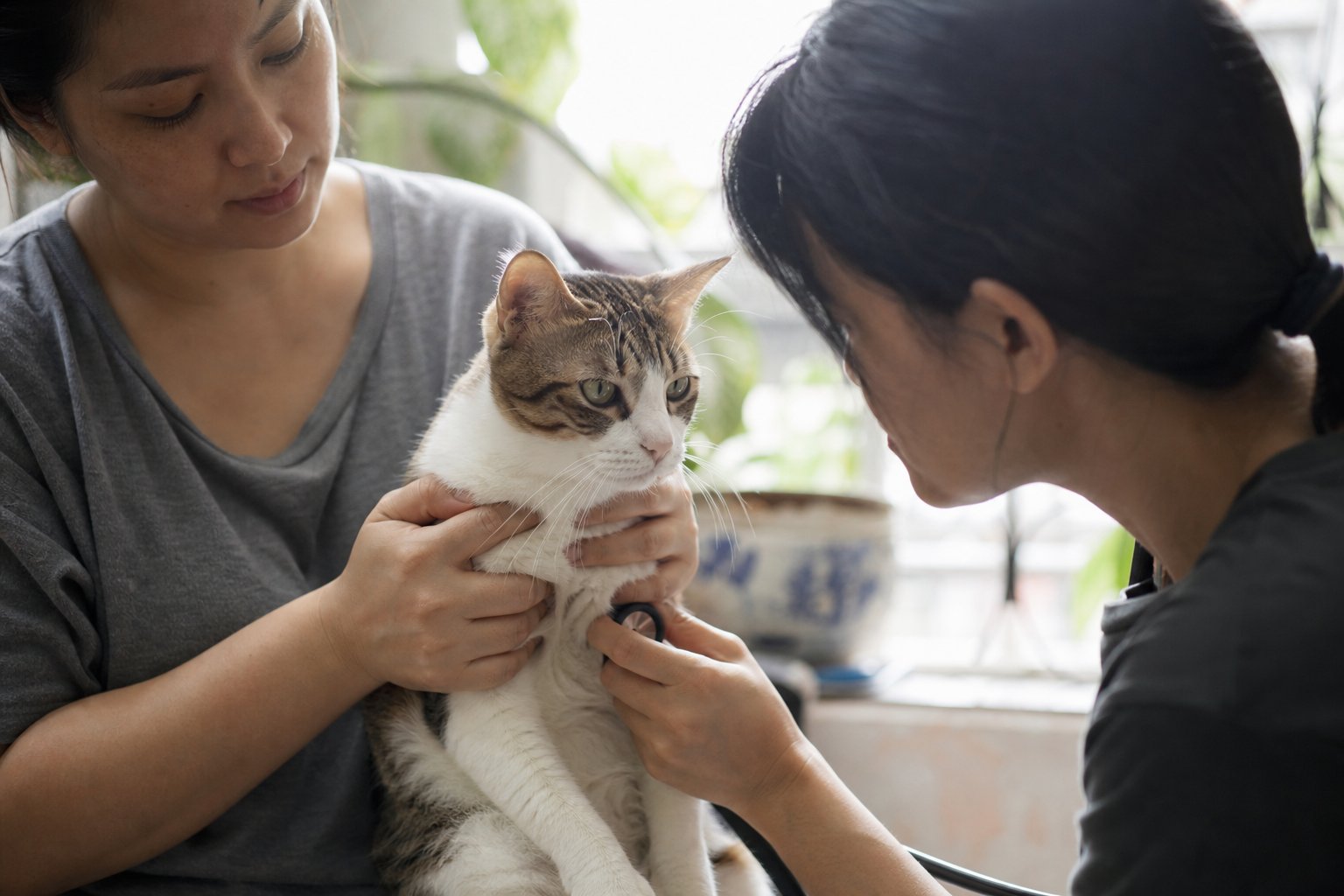
Worms in cats are internal parasites that live in the gut or, less often, in the lungs, heart or bladder. The common ones are roundworm, hookworm, tapeworm and, in some regions, lungworm. Care means confirming which worm is present, treating with a vet-recommended dewormer at the correct weight-based dose, then repeating treatment on schedule and fixing the source, usually fleas, soil, raw food or an infected mother cat.
What kinds of worms affect cats?
Not all worms behave the same way, and the difference matters because treatment and prevention differ.
| Worm type | Where it lives | Main route into the cat | Typical signs |
|---|---|---|---|
| Roundworm | Small intestine | Swallowing eggs from soil or faeces; kittens from mother's milk | Pot belly, poor growth, vomiting, dull coat |
| Hookworm | Small intestine | Larvae penetrating skin or swallowed from soil | Weight loss, pale gums, dark tarry stool, weakness |
| Tapeworm | Small intestine | Swallowing fleas carrying larvae; eating raw prey | Rice-like segments near tail or in bedding, bottom scooting |
| Lungworm | Airways | Eating infected slugs, snails or paratenic hosts | Cough, breathing effort, sometimes no signs |
| Heartworm | Heart and vessels | Mosquito bites | Often silent early; coughing, tiredness later |
Heartworm is not a gut worm, but it is worth knowing about because mosquito exposure is year-round in Malaysia. A vet can advise whether heartworm prevention suits your cat's lifestyle.
How do cats actually get worms?
Most infections trace back to a handful of everyday situations.
Fleas. This is the big one for tapeworm. A cat grooming itself swallows an infected flea, and the tapeworm larva develops inside the gut. If your cat has fleas, assume tapeworm risk is real until proven otherwise.
Contaminated soil and sand. Roundworm eggs pass in cat faeces and can survive a long time in soil. A cat that digs, sniffs and then grooms can pick them up. Sandpits and garden beds are classic hotspots.
Mother to kittens. Roundworm larvae can reactivate in a pregnant cat and pass to kittens before birth and through milk. This is why kitten deworming starts so early, even when the mother looks healthy.
Raw meat and prey. Hunting rodents, lizards or birds, or eating raw meat diets, exposes cats to tapeworm and other parasites. Free-roaming cats carry the highest risk.
Shared litter and crowded conditions. Multi-cat households, shelters and rescue situations make faecal contamination more likely, so worms spread faster.
Skin penetration. Hookworm larvae can burrow through paw pads or skin, so a cat does not have to eat anything to become infected.
Signs your cat may have worms
Some cats carry worms with no obvious signs, which is why routine deworming matters. When signs do appear, they often include:
- A rounded, pot-bellied look, especially in kittens
- Weight loss or poor growth despite a good appetite
- Vomiting, sometimes with visible worms
- Diarrhoea, soft stool or mucus in stool
- A dull, rough coat
- Scooting the bottom along the floor
- Small white segments that look like rice grains near the tail or in bedding
- Pale gums, weakness or tiredness with hookworm
- Coughing or laboured breathing with lungworm
Kittens, senior cats and cats with other illnesses can become unwell quickly, so do not wait for signs to get worse.
How does a vet confirm worms?
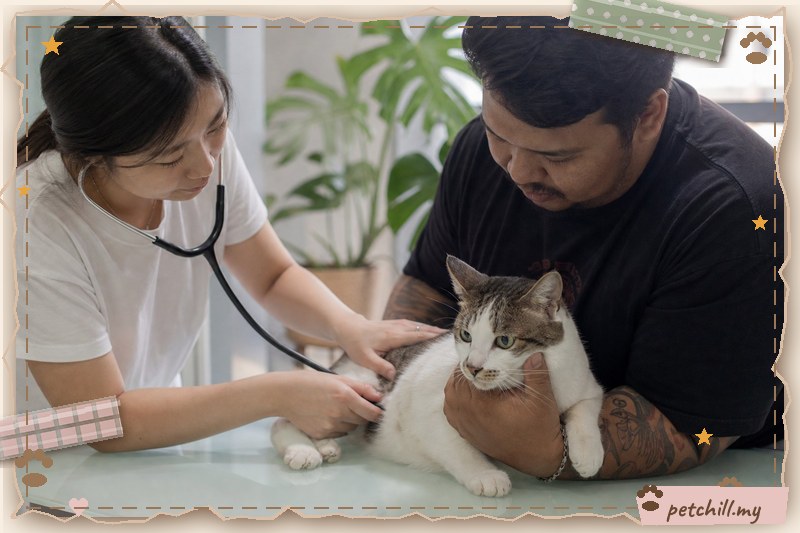
A vet usually combines history, a physical exam and a faecal test. A fresh stool sample is the most useful thing you can bring. Faecal flotation or similar tests look for eggs, and tapeworm segments may be seen directly around the tail. In some cases the vet may recommend blood work, especially if anaemia or another illness is suspected.
Bringing a sample in a clean container, collected the same day, saves time. If your cat has been treated recently, tell the vet, because some products affect test results.
Deworming: what care actually looks like
Care is not just one tablet. It is a short plan and a long routine.
Step 1: Identify the worm. Different products cover different worms. A tapeworm needs a product containing praziquantel or an equivalent; roundworm and hookworm need products such as pyrantel, fenbendazole or milbemycin, depending on the vet's choice. Some spot-on products cover several worms at once.
Step 2: Dose by weight. Weigh the cat or kitten. Guessing a dose is a common cause of treatment failure and, in small kittens, of side effects. Never split adult tablets for a kitten without veterinary advice.
Step 3: Repeat on schedule. Dewormers kill adult worms, not all developing stages. That is why repeat doses are needed. A typical kitten schedule starts at two to three weeks of age and repeats every two weeks until about 12 weeks, then monthly until six months. Adult cats are usually treated every one to three months depending on lifestyle and risk. Your vet will tailor this.
Step 4: Treat the household. If one cat has fleas or tapeworm, check every pet. Treat all cats and dogs in the home, and use flea control on schedule.
Step 5: Clean the environment. Remove faeces from the litter tray daily, wash trays with hot water and detergent, and wash bedding. In the garden, dispose of faeces properly and cover sandpits when not in use.
Step 6: Review. If signs persist after treatment, go back to the vet. Reinfection, wrong product, underdosing or another disease are all possible.
A practical prevention routine
Prevention is mostly about breaking the routes of infection.
- Keep flea control consistent, year-round, for every pet in the home
- Scoop litter at least once a day and do a full tray clean weekly
- Feed cooked or commercial food rather than raw meat if you want to lower parasite risk
- Discourage hunting where possible; keep cats indoors or in a secure enclosure
- Wash hands after handling cats, soil or litter, especially before eating
- Cover children's sandpits and wear gloves when gardening
- Deworm on a vet-agreed schedule, not only when signs appear
- Quarantine and vet-check new cats or rescue kittens before mixing them with resident pets
Malaysia-specific considerations
Malaysia's warm, humid climate supports flea and parasite survival for much of the year, so there is no true off-season for flea control. Rainy periods can wash parasite eggs into soil and create damp areas where larvae survive, which is why cats that go outside after heavy rain may pick up more exposure.
In city living, a Kuala Lumpur apartment cat with no outdoor access still faces risk from fleas carried in on clothing or by visiting pets, and from any raw food in the diet. In a Johor terrace house, a cat that slips into the garden or car porch may hunt lizards and rodents, which raises tapeworm risk. In Penang, the rainy season can leave damp ground and standing water around drains and plants, so outdoor cats may encounter more contaminated soil and more mosquitoes.
Local prices for dewormers and faecal tests vary by clinic and product, so ask your Malaysian vet or retailer for current costs rather than relying on online figures.
Common mistakes owners make
- Treating once and assuming the problem is gone
- Using a dog product on a cat, which can be dangerous
- Guessing weight and underdosing
- Forgetting flea control, so tapeworm returns
- Deworming only when worms are visible
- Skipping other pets in the household
- Ignoring a persistent cough or weight loss because the cat seems otherwise fine
When to see a vet
Contact a vet promptly if your cat has repeated vomiting or diarrhoea, blood or dark tarry stool, pale gums, marked weight loss, a swollen abdomen, coughing or difficulty breathing, or if a kitten is failing to grow or is lethargic. Also see a vet if you see worms or tapeworm segments, if deworming has not worked, or if you are unsure which product is safe for a pregnant, nursing or very young cat. Kittens can deteriorate quickly, so do not delay.
Quick checklist
- Fresh stool sample collected for the vet
- Current weight recorded
- All pets in the home treated together
- Flea control restarted and scheduled
- Litter trays cleaned daily
- Repeat deworming date marked on the calendar
- Hands washed after handling pets and soil
Bottom line
Worms in cats are common, treatable and largely preventable. The key is to treat the right worm with the right dose, repeat on schedule, and close the routes of reinfection, especially fleas and contaminated soil. A vet-led plan, combined with simple hygiene and year-round flea control, keeps most Malaysian cats comfortable and worm-free.
This article is general information only and is not a substitute for veterinary advice. Always consult a licensed veterinarian for diagnosis and treatment of your cat.
Related reading
- Deworming Schedule for Cats: A Step-by-Step Plan for Malaysian Owners
- Deworming Schedule for Cats: What to Expect (Malaysia Guide)
- How to Treat Diarrhea in Cats at Home: A Practical Malaysian Guide
- How to Treat Hair Loss in Cats at Home: A Practical Malaysian Guide
- How to Treat Itching in Cats at Home: A Practical Guide for Malaysian Owners
- How to Treat Worms in Cats at Home: A Practical, Safe Guide for Malaysian Owners
- Pet Health in Malaysia: A Practical Prevention Guide for Cats and Dogs
- Signs of Worms in Cats in Malaysia: What Owners Should Look For
- Arthritis in Cats: Causes and Care (Malaysia Guide)
- Bad Breath in Cats: Causes and Care (Malaysian Owner's Guide)
- Blood Test for Cats Step by Step: What Happens at the Clinic

