
American Curl
American Curl · Cat · Malaysia
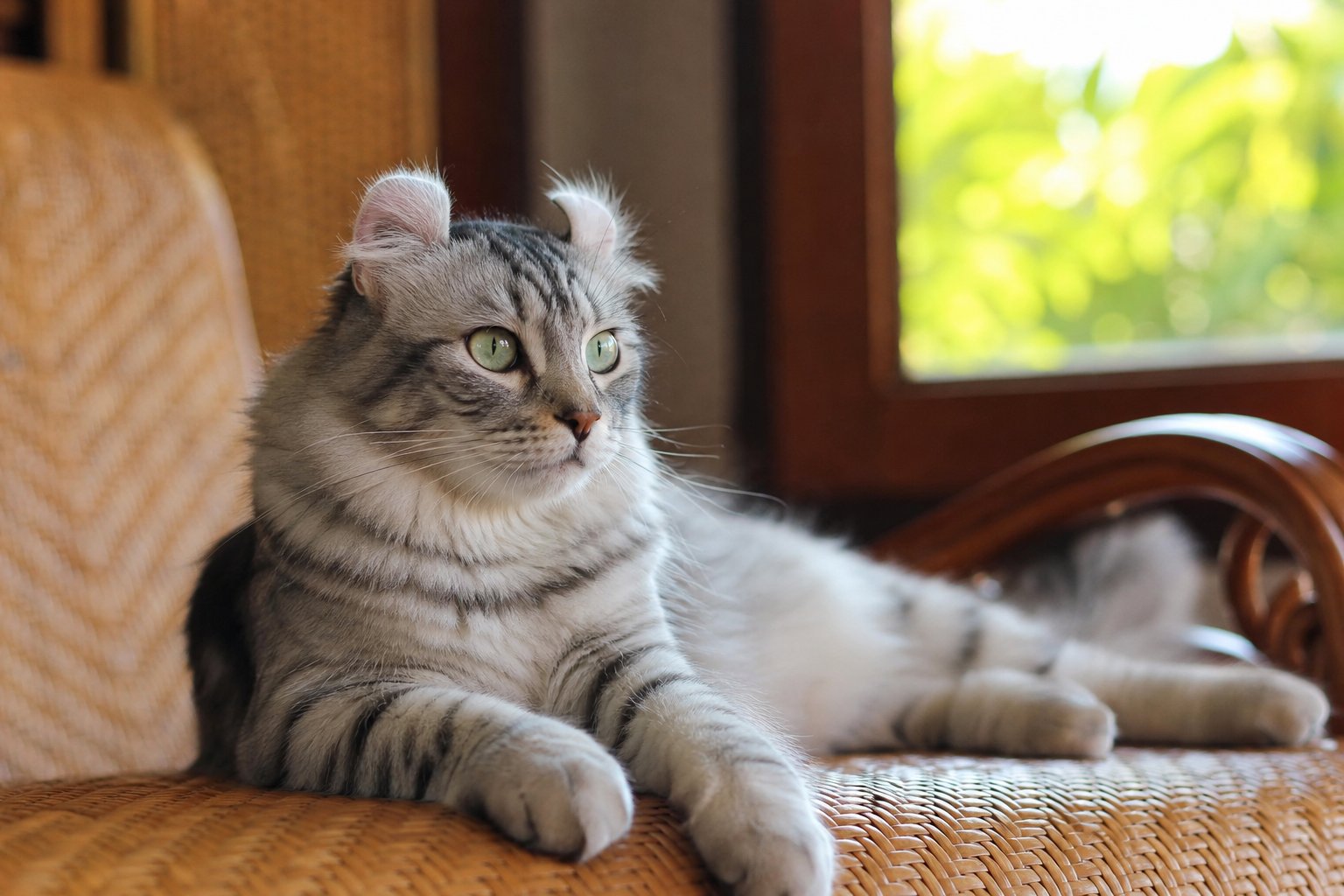
Quick answer
The American Curl is a small to medium, affectionate cat with distinctive curled ears. In Malaysia it thrives indoors in apartments with daily play, weekly grooming, gentle ear checks and a cool, well-ventilated home.
Quick facts
- Origin
- United States
- Size
- Small to medium
- Lifespan
- 12-16 years
- Weight
- Small to medium; roughly 2.5 to 4.5 kg
- Coat
- Short to semi-long, soft and low-maintenance with weekly brushing
Personality
- Affectionate
- Sociable
- Playful
- Intelligent
- Gentle
The American Curl is known for its gently curled ears and sweet, people-focused nature. In Malaysia's hot, humid climate, this active breed does best as an indoor cat in a condo or apartment with vertical space and daily interaction. This guide covers temperament, grooming, health and choosing a kitten locally.
Temperament: A Friendly Indoor Companion
The American Curl is affectionate, sociable and playful without being demanding. It tends to bond closely with its family and often follows people from room to room, joining quiet moments as readily as play sessions. Curls are generally good with children and other pets when introduced gently, and they dislike long periods alone. In Malaysian apartments, this sociability is an advantage because the cat stays engaged with household life rather than seeking escape. They are intelligent and curious, so open windows and balconies need secure mesh. Expect a gentle, adaptable cat that settles well into condo living but still wants daily attention and interactive play from its owners.
Daily Life in a Malaysian Home
An indoor apartment suits the American Curl well, provided the home offers vertical space and daily interactive play. Malaysia's heat and humidity mean the cat should live in a cool, ventilated area with shade and constant access to fresh water. Set up cat trees, wall shelves and window perches so the cat can climb and watch the outdoors safely. Keep balconies and windows meshed, since curiosity plus height is a real risk in high-rise living. Establish a predictable routine of play, feeding and rest. Because the breed is social, short but frequent interactions spread through the day work better than one long session, especially when owners are out at work.
Grooming for Humidity and Curled Ears
Tropical humidity makes weekly brushing important, especially behind the ears and under the chin where moisture and loose fur collect. The American Curl's coat is relatively low-maintenance, but regular brushing removes dead hair and helps prevent matting in damp conditions. Check the curled ears gently each week: clean only the visible outer ear with a soft cloth and never probe the ear canal, as the curl makes the canal harder to see and easy to irritate. Wipe the coat after humid outdoor exposure if the cat sits near open windows. Trim nails regularly, check paw pads, and keep bedding dry and washable to discourage skin issues in the wet season.
Exercise for Condo Living
The American Curl is an active, agile cat that needs daily interactive play to stay fit and content in a Malaysian apartment. Wand toys, feather teasers and puzzle feeders work well, and short sessions of ten to fifteen minutes several times a day suit the breed's playful but moderate energy. Vertical space matters: cat trees, shelves and perches let the cat climb and burn energy without needing outdoor access. Rotate toys to keep interest high, and use food puzzles to slow eating and add mental stimulation. Avoid intense play during the hottest part of the day, and offer cool, shaded resting spots afterwards. Consistent daily exercise also reduces boredom and destructive behaviour indoors.
Training a Curl at Home
American Curls are intelligent and respond well to positive, reward-based training. Start with simple cues such as coming when called, sitting, and using a scratching post, and reward immediately with treats or praise. Keep sessions short and frequent, since the breed loses interest in long repetitions, especially in warm weather. Clicker training can work well for this sociable cat. Use food puzzles and target training to build confidence and mental activity indoors. Never punish; redirect unwanted behaviour to an appropriate outlet instead. Early handling makes nail trims, ear checks and carrier trips easier. Because Curls are curious, secure cabinets and balconies and train the cat away from unsafe areas rather than relying on correction.
Feeding in a Hot Climate
Feed the American Curl a complete, balanced cat diet suited to its age and activity level, and measure portions to prevent weight gain in a mostly indoor lifestyle. In Malaysia's heat, appetite can dip during the hottest hours, so offer smaller meals at cooler times and keep water fresh and available at all times. Wet food can support hydration, which matters in a humid climate. Avoid sudden diet changes; introduce new food gradually. Treats should be limited and counted within daily intake. Discuss portion sizes and any special needs with your local veterinarian, particularly if the cat is less active or has a health condition. Clean bowls daily to prevent spoilage in warm conditions.
Health and Local Vet Care
The American Curl is generally a hardy breed, but its curled ears require attention because the cartilage fold can make the ear canal harder to inspect and clean. Watch for head shaking, scratching or discharge and have ears checked by a veterinarian rather than probing at home. Keep up routine vaccinations, parasite prevention and wellness checks with a local vet, and ask about risks relevant to Malaysia's climate, such as heat stress and skin issues in humid conditions. Because the breed is social, stress from isolation can affect wellbeing, so maintain routine and company. Report any change in appetite, weight, grooming or behaviour promptly, and keep the cat indoors to reduce accident and infection risk.
Ear canal concerns
Watch for: Head shaking, scratching at ears, discharge, redness or unusual odour.
Care: Check the visible outer ear weekly, clean gently without probing the canal, and see a veterinarian if signs persist.
Obesity risk
Watch for: Weight gain, reduced activity, difficulty grooming or a rounded belly.
Care: Measure portions, limit treats, encourage daily interactive play and ask the vet about an ideal weight.
Dental disease
Watch for: Bad breath, drooling, reluctance to eat or visible tartar.
Care: Arrange regular dental checks with a local vet and follow their advice on home dental care.
Choosing an American Curl in Malaysia
When choosing an American Curl in Malaysia, prioritise health, temperament and transparency over appearance. Ask to see the kitten with its mother and littermates, and request records of vaccinations, deworming and veterinary checks. A responsible breeder or rehoming source will let you observe the ears and ask about any past ear issues. Confirm the cat has been raised indoors and handled regularly, since early socialisation shapes adult temperament. Meet the cat in person where possible and watch for alertness, clear eyes, clean ears and a friendly response. Plan for the costs of routine vet care, food and indoor setup, and be ready for a long commitment, as this breed can live well into its teens.
Caring in Malaysia
- Curled ears need a gentle weekly check: clean only the visible outer ear and never probe the canal.
- Tropical humidity makes weekly brushing important, especially behind the ears and under the chin.
- An indoor apartment suits this active cat, but it needs vertical space and daily interactive play.
Frequently asked questions
Are American Curls suitable for Malaysian apartments?
Yes, American Curls adapt well to apartment living when kept indoors with vertical space and daily play. They are social and active, so cat trees, shelves and secure mesh on windows and balconies are essential. A cool, ventilated home and regular interaction keep them content in a condo.
How often should I groom my American Curl in Malaysia?
Weekly brushing is a good routine in Malaysia's humid climate, especially behind the ears and under the chin. Check the curled ears gently each week and clean only the visible outer ear. Never probe the ear canal. Regular grooming helps prevent matting and lets you spot skin or ear changes early.
Do American Curls need special ear care?
Yes, the curled ear shape can make the canal harder to inspect, so gentle weekly checks are wise. Clean only the visible outer ear and never insert anything into the canal. If you notice scratching, discharge or head shaking, have a local veterinarian examine the ears promptly.
How much exercise does an American Curl need?
American Curls need daily interactive play, typically several short sessions of ten to fifteen minutes. Wand toys, puzzle feeders and climbing structures suit them well. Avoid vigorous play during the hottest part of the day and provide cool, shaded rest areas afterwards to prevent overheating.
Are American Curls good with children and other pets?
Generally yes, American Curls are sociable and gentle, and they often do well with children and other pets when introductions are gradual and respectful. Supervise young children, teach gentle handling, and give the cat quiet retreat spaces so it can choose when to interact.
What should I check before getting an American Curl in Malaysia?
Check health records, vaccination and deworming history, and ask about ear health specifically. Meet the kitten with its mother where possible and observe clear eyes, clean ears and a friendly temperament. Confirm it was raised indoors and handled regularly, and plan for routine local vet care.
Related breeds
Cat breed guides →
Related articles
- Bengal Cat Guide Malaysia: Personality, Energy Needs and Health Care
Bengal cats are striking, muscular and famously energetic. This guide explains what they need in a Malaysian home, from wall shelves in a Kuala Lumpur apartment to daily play routines and health checks.
- Bengal Cat Personality in Malaysia: What to Expect From This High-Energy Breed
Bengal cats are curious, confident, high-energy and highly interactive. This guide explains what that means for Malaysian homes, from apartment living to training and vet care.
- Birman Cat Disadvantages in Malaysia: 8 Real Costs Before You Adopt
Birman cats are gentle and sociable, but they are not low-maintenance. Here are the eight real costs Malaysian owners should know before bringing one home.
- Abyssinian Cat Disadvantages in Malaysia: 7 Honest Truths Before You Adopt
Abyssinians are brilliant, busy cats that demand daily play, cat-proofed homes and a long-term health budget. This guide lists the seven genuine drawbacks and how Malaysian owners can manage each one.
- Abyssinian Lifespan in Malaysia: How Long They Live and What Actually Extends It
Abyssinians usually live 12–15 years, and well-managed cats often pass 15. The lifespan gap comes down to three things: PK deficiency screening, kidney checks from age eight, and daily dental care. Here is how Malaysian owners can work all three.
- Abyssinian Personality in Malaysia: The 'Cat That Works With You' Explained
The Abyssinian is not a lap cat that sleeps beside you — it is a colleague cat that follows you around the house and wants to be involved in everything. This guide explains the breed's five core traits, its lock-picking intelligence, its social needs, and the honest weakness: poor tolerance of long alone time.
- American Shorthair Colours in Malaysia: Tabby, Bicolour and What Actually Matters
American Shorthairs come in dozens of accepted colour and pattern combinations, but in Malaysia the ones you will actually see are silver tabby, brown tabby and various bicolour 'add-white' cats. This guide explains what those labels mean, how colour affects grooming and photography rather than health or personality, and how to check a kitten's paperwork instead of paying for symmetry.
- American Shorthair Disadvantages in Malaysia: 7 Honest Trade-Offs Before You Adopt
The American Shorthair is hardy and low-maintenance, but it is not problem-free. Here are seven real trade-offs Malaysian owners should budget time and money for, plus how to manage each one.
Related products at PetChill


Sources
Last reviewed: 2026-11-16
For health concerns, consult a licensed veterinarian in Malaysia.