
Chinchilla Persian
Chinchilla Persian · Cat · Malaysia
Quick answer
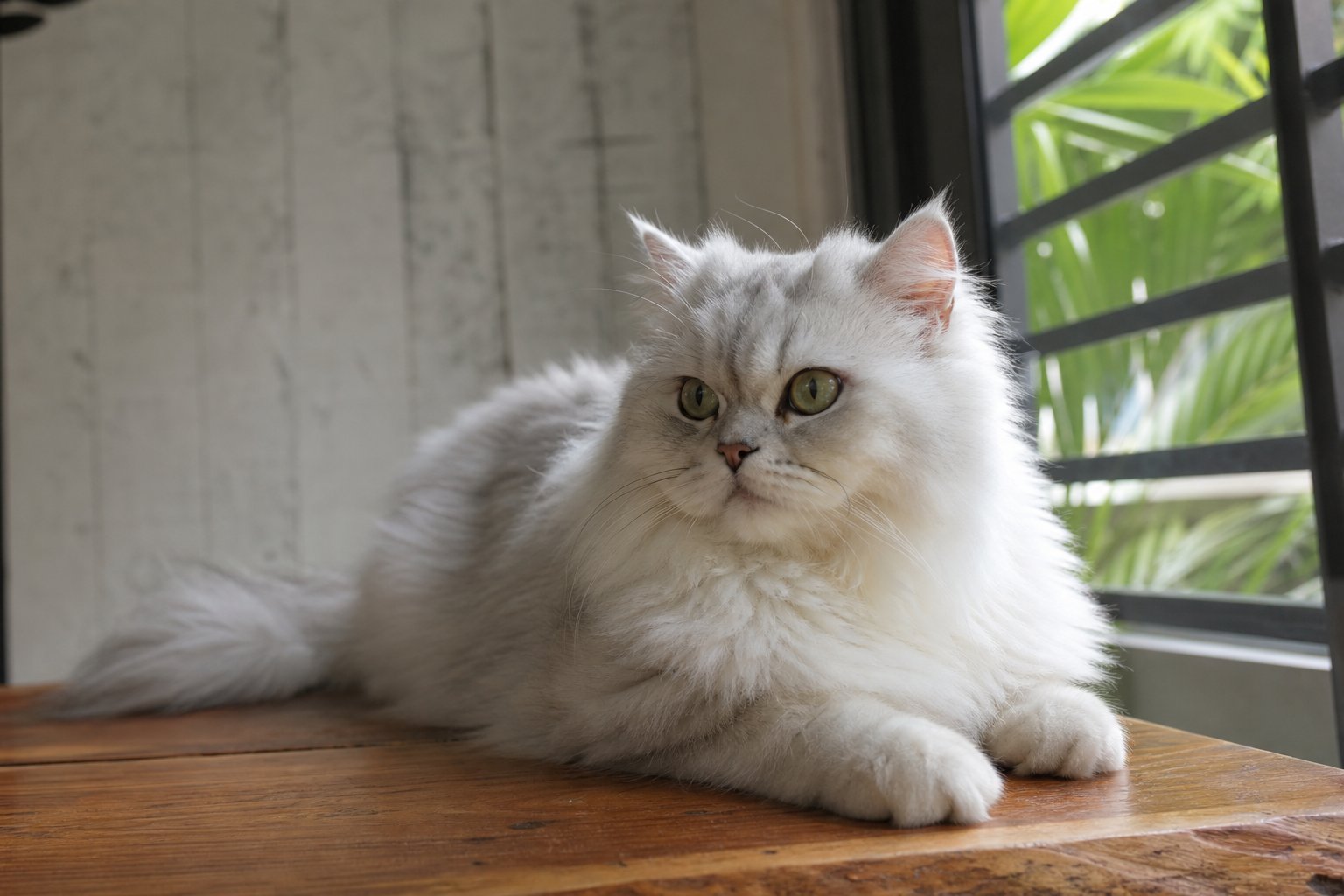
The Chinchilla Persian is a gentle, long-haired indoor cat suited to Malaysian apartments. Keep her in cool, air-conditioned spaces, brush daily, wipe tear stains, and watch for heat stress and breathing changes.
Quick facts
- Origin
- United Kingdom
- Size
- Medium
- Lifespan
- 12-15 years
- Weight
- Medium build, typically around 3 to 6 kg
- Coat
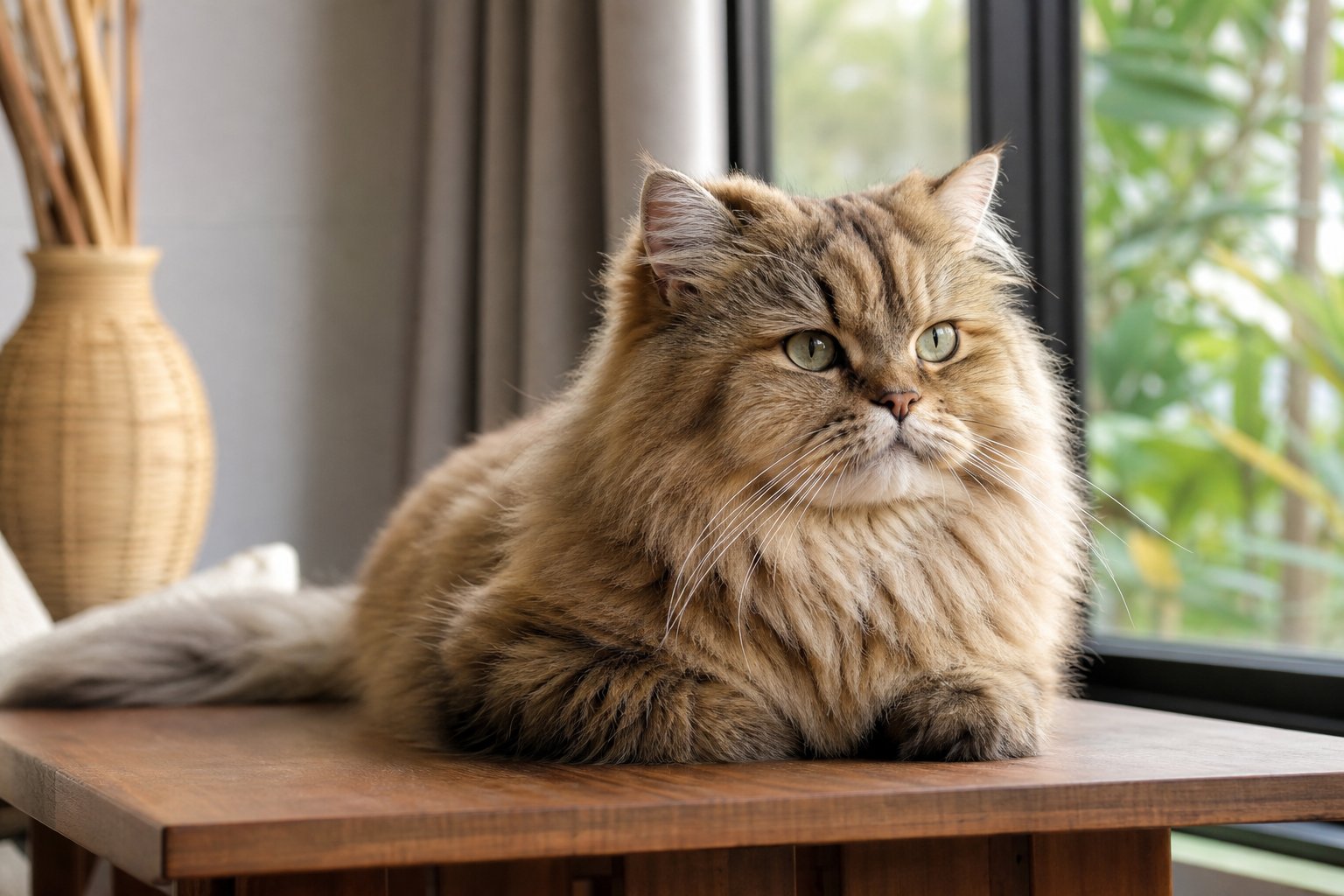
- Long, dense and silky with silver-tipped shading
- Price guidance
- Ask local breeders for a current quote; prices vary with papers, colour, size and availability.
Personality
- Gentle
- Affectionate
- Calm
- Quiet
- Sociable
The Chinchilla Persian is a medium-sized, soft-voiced cat known for her silver-tipped coat and calm, affectionate nature. In Malaysia's hot, humid climate, she does best as an indoor companion in a cool, well-ventilated home. This guide covers temperament, daily care, grooming, health and choosing a kitten in a local context.
Temperament in a Malaysian Home
The Chinchilla Persian is typically placid, gentle and affectionate, preferring quiet company over boisterous play. She often follows her owner from room to room and enjoys lap time, which suits condo living where space is limited. She is usually tolerant and patient, making her a good fit for calm households and older children who handle her gently. Loud noise and sudden activity can unsettle her, so a peaceful corner helps her settle. Because she is sociable, long stretches alone may leave her bored or needy. In Malaysia's warm climate, her calm nature means she may seek cool tiled floors to rest on. Provide gentle interaction and a predictable routine to keep her content and secure.
Daily Life in a Hot, Humid Climate
Daily life with a Chinchilla Persian in Malaysia revolves around keeping her cool and comfortable. Her dense coat traps heat, so keep her indoors in an air-conditioned or well-ventilated room during the hottest hours. Watch for panting, lethargy or open-mouth breathing, which signal heat stress and need prompt attention. Set up a quiet resting spot away from direct sun and humid laundry areas. Condo living suits her calm temperament, but secure windows and balconies to prevent escapes. Fresh water should be available at all times. A predictable routine of feeding, gentle play and grooming helps her feel secure, and daily handling keeps her used to the brushing and face cleaning her coat requires.
Grooming the Long Silver Coat
Grooming is the biggest commitment with a Chinchilla Persian. Her long, dense coat mats easily, especially in Malaysia's humidity, so brush her daily with a soft slicker or metal comb, working gently through the chest, belly and behind the legs. A daily routine prevents painful tangles and reduces shedding around the home. Wipe tear stains around the eyes each day with a soft, damp cloth to keep the face clean and dry. Check ears and paws regularly. Bathe only as needed using a cat-safe shampoo, and dry her thoroughly afterward so damp fur does not sit against the skin in humid weather. Start grooming early so she accepts handling calmly.
Exercise for a Calm Indoor Cat
The Chinchilla Persian is not a highly active breed, but she still needs daily movement to stay healthy and avoid weight gain. Short, gentle play sessions with wand toys, soft balls or feather teasers suit her calm style better than intense activity. In a Malaysian condo, clear floor space and a few vertical resting spots give her room to stretch and climb at her own pace. Avoid vigorous play during the hottest part of the day and encourage activity in cooler mornings or evenings. Because she tires easily in heat, keep sessions brief and let her rest. Puzzle feeders and gentle interactive play also keep her mind engaged without overexertion, supporting both fitness and wellbeing.
Training and Gentle Routines
Chinchilla Persians respond best to calm, patient training with positive reinforcement. They are generally gentle and willing, but they are not driven to perform, so short sessions of a few minutes work better than long ones. Use soft treats or praise to reward coming when called, using the litter box reliably and accepting grooming. Keep training indoors in a cool room, since heat makes her uncomfortable and distracted. Establish consistent feeding, play and grooming times so she knows what to expect. Never use harsh corrections, which can make a sensitive cat withdrawn. Handle her paws, face and ears gently from a young age so grooming and vet checks stay stress-free. Consistency matters more than intensity.
Feeding in a Humid Climate
Feed your Chinchilla Persian a balanced, high-quality cat diet suited to her age and activity level, and measure portions to prevent weight gain, since her calm nature means she burns less energy. In Malaysia's humidity, store dry food in airtight containers to keep it fresh and avoid spoilage, and change wet food promptly so it does not sit out in the heat. Fresh, clean water should always be available, and offering wet food helps support hydration. Avoid sudden diet changes; introduce any new food gradually. Because this breed can be prone to kidney concerns, discuss diet and water intake with your vet during routine checks. Treats should stay occasional so they do not unbalance her nutrition.
Health Watch in Malaysia
The Chinchilla Persian is generally a hardy breed with a lifespan of around twelve to fifteen years, but she has some documented tendencies worth watching. Polycystic kidney disease is recognised in Persians, so ask your vet about screening during routine visits. Her flat face can make breathing noisy, and open-mouth panting or laboured breathing needs prompt veterinary attention, especially in Malaysia's heat. Heat stress is a real risk given her dense coat, so keep her cool and watch for panting or lethargy. Daily grooming helps prevent skin problems under mats, and regular eye cleaning reduces staining and irritation. Routine vet checks, parasite prevention and keeping her indoors support long-term health.
Polycystic kidney disease
Watch for: Increased thirst and urination, weight loss, reduced appetite or lethargy over time.
Care: Ask your vet about screening and monitor drinking and urination; follow veterinary advice for diet and check-ups.
Brachycephalic breathing issues
Watch for: Noisy breathing, snoring, open-mouth panting or laboured breathing, especially in heat.
Care: Keep her cool and calm, avoid exertion in hot weather, and seek prompt veterinary attention for breathing changes.
Heat stress
Watch for: Panting, drooling, restlessness, lethargy or seeking cool surfaces during hot days.
Care: Maintain air-conditioning or good ventilation, provide fresh water and cool resting spots, and act quickly if symptoms appear.
Coat matting and skin irritation
Watch for: Tangled fur, lumps under the coat, redness, scratching or discomfort when touched.
Care: Brush daily, keep the coat dry in humid weather, and gently clean tear stains around the eyes each day.
Choosing a Chinchilla Persian in Malaysia
When choosing a Chinchilla Persian in Malaysia, look for a healthy, alert kitten or cat with clear eyes, clean ears and a coat free of mats or bald patches. Ask the breeder or seller about the parents' health, including any kidney screening, and request veterinary records where available. Meet the cat in person to observe breathing, activity and temperament, and avoid any cat showing noisy breathing or lethargy. Confirm the cat has been kept indoors and in cool conditions. Reputable sources welcome questions and let you handle the cat calmly. Before bringing her home, prepare a cool, quiet room, secure windows and balconies, and arrange a vet check soon after arrival to establish a health baseline.
Caring in Malaysia
- The long, dense silver coat traps heat, so keep her indoors in a cool, well-ventilated or air-conditioned room and watch for panting or heat stress.
- Brush the long hair daily to prevent mats, and gently wipe tear stains around the eyes each day to keep the face clean.
- PKD can affect the kidneys — ask the vet for screening; also watch for noisy breathing or open-mouth panting, which needs prompt veterinary attention.
Frequently asked questions
Can a Chinchilla Persian live comfortably in a Malaysian condo?
Yes, she can adapt well to condo living because she is calm and quiet. Provide a cool, air-conditioned room, secure windows and balconies, and vertical resting spots. Her low activity level suits smaller spaces, but she still needs daily gentle play and grooming to stay healthy and content.
How do I stop my Chinchilla Persian from overheating in Malaysia?
Keep her indoors in an air-conditioned or well-ventilated room during hot hours. Provide fresh water, cool tiled resting spots and shade, and avoid play during peak heat. Watch for panting, drooling or lethargy, and seek veterinary attention promptly if breathing becomes laboured or open-mouthed.
How often should I groom a Chinchilla Persian in Malaysia's humidity?
Brush her daily to prevent mats, especially in humid weather when tangles form quickly. Wipe tear stains around the eyes each day with a soft damp cloth. Bathe only as needed with cat-safe shampoo and dry her thoroughly afterward so damp fur does not irritate the skin.
What health issues should Chinchilla Persian owners watch for?
Watch for polycystic kidney disease, breathing difficulties linked to the flat face, heat stress and coat matting. Ask your vet about kidney screening, monitor drinking and urination, and seek prompt care for noisy breathing or open-mouth panting, particularly during hot Malaysian weather.
How much exercise does a Chinchilla Persian need indoors?
She needs only short, gentle daily play sessions rather than intense activity. Use wand toys or soft balls in cooler mornings or evenings, and let her rest when she tires. Puzzle feeders and brief interactive play keep her engaged without overexertion, helping prevent weight gain in a calm indoor lifestyle.
What should I check before choosing a Chinchilla Persian kitten?
Check for clear eyes, clean ears and a mat-free coat, and observe breathing and activity. Ask about the parents' health and any kidney screening, request veterinary records, and avoid cats showing noisy breathing or lethargy. Arrange a vet check soon after bringing her home.
Related breeds
Cat breed guides →
Related articles
- Bengal Cat Guide Malaysia: Personality, Energy Needs and Health Care
Bengal cats are striking, muscular and famously energetic. This guide explains what they need in a Malaysian home, from wall shelves in a Kuala Lumpur apartment to daily play routines and health checks.
- Bengal Cat Personality in Malaysia: What to Expect From This High-Energy Breed
Bengal cats are curious, confident, high-energy and highly interactive. This guide explains what that means for Malaysian homes, from apartment living to training and vet care.
- Birman Cat Disadvantages in Malaysia: 8 Real Costs Before You Adopt
Birman cats are gentle and sociable, but they are not low-maintenance. Here are the eight real costs Malaysian owners should know before bringing one home.
- Abyssinian Cat Disadvantages in Malaysia: 7 Honest Truths Before You Adopt
Abyssinians are brilliant, busy cats that demand daily play, cat-proofed homes and a long-term health budget. This guide lists the seven genuine drawbacks and how Malaysian owners can manage each one.
- Abyssinian Lifespan in Malaysia: How Long They Live and What Actually Extends It
Abyssinians usually live 12–15 years, and well-managed cats often pass 15. The lifespan gap comes down to three things: PK deficiency screening, kidney checks from age eight, and daily dental care. Here is how Malaysian owners can work all three.
- Abyssinian Personality in Malaysia: The 'Cat That Works With You' Explained
The Abyssinian is not a lap cat that sleeps beside you — it is a colleague cat that follows you around the house and wants to be involved in everything. This guide explains the breed's five core traits, its lock-picking intelligence, its social needs, and the honest weakness: poor tolerance of long alone time.
- American Shorthair Colours in Malaysia: Tabby, Bicolour and What Actually Matters
American Shorthairs come in dozens of accepted colour and pattern combinations, but in Malaysia the ones you will actually see are silver tabby, brown tabby and various bicolour 'add-white' cats. This guide explains what those labels mean, how colour affects grooming and photography rather than health or personality, and how to check a kitten's paperwork instead of paying for symmetry.
- American Shorthair Disadvantages in Malaysia: 7 Honest Trade-Offs Before You Adopt
The American Shorthair is hardy and low-maintenance, but it is not problem-free. Here are seven real trade-offs Malaysian owners should budget time and money for, plus how to manage each one.
Related products at PetChill


Sources
Last reviewed: 2026-11-16
For health concerns, consult a licensed veterinarian in Malaysia.