
Domestic Cat
Domestic Cat · Cat · Malaysia
Quick answer
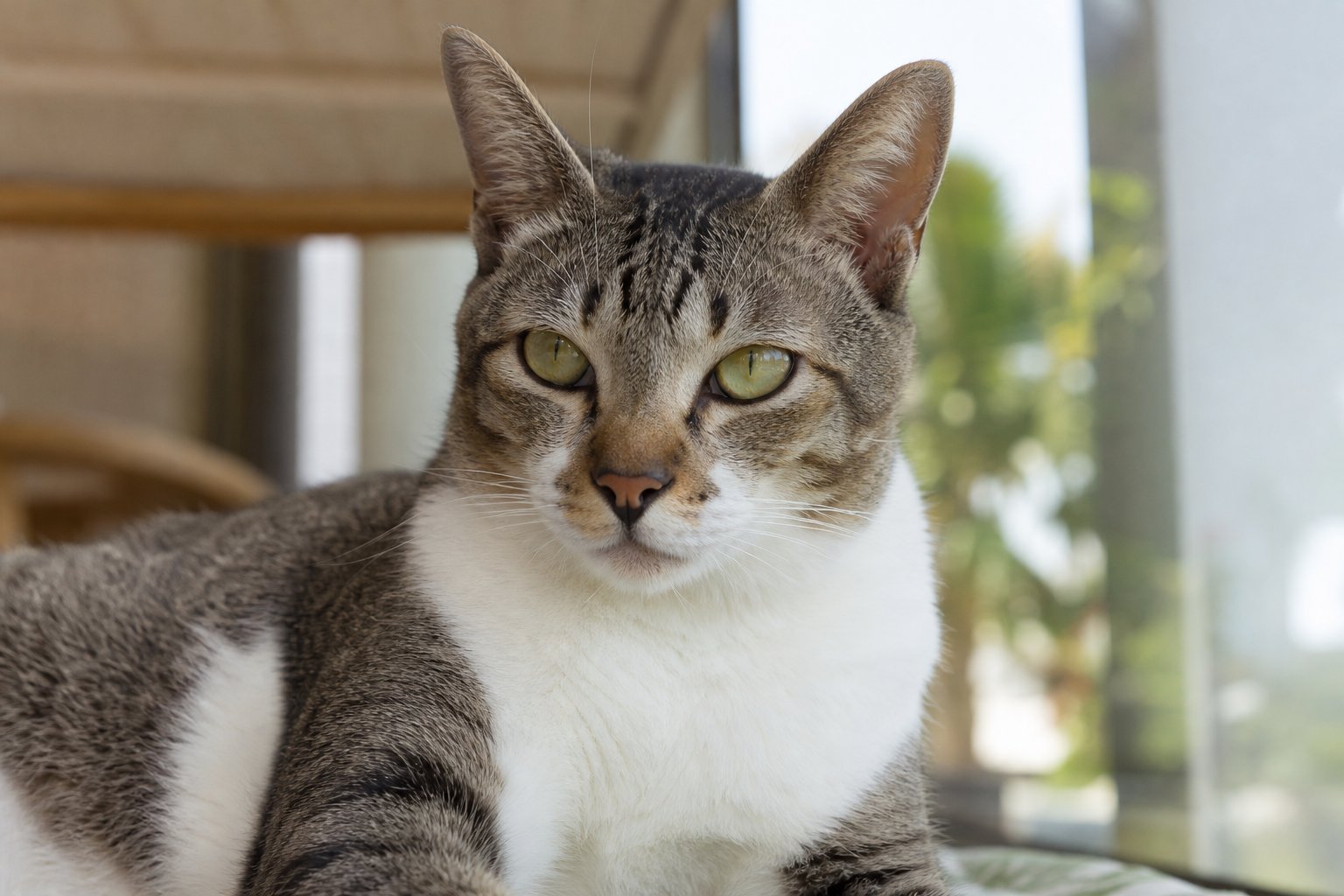
The Domestic Cat, or kucing kampung, is Malaysia's adaptable native cat: small to medium, hardy in hot humid weather, low-maintenance, and widely available for adoption. It suits apartments and condos, needs shade, fresh water, parasite control, and neutering.
Quick facts
- Origin
- Malaysia and Southeast Asia
- Size
- Small to medium
- Lifespan
- 12–18 years
- Weight
- Small to medium, typically around 2.5 to 5 kg
- Coat
- Short, varied colours and patterns, low maintenance
- Price guidance
- Adoption is usually free or low-cost; avoid paying for “rare” kampung cats.
Personality
- Adaptable
- Curious
- Friendly
- Independent
- Hardy
The Domestic Cat in Malaysia is the familiar kucing kampung, a naturally adapted local cat rather than a pedigree breed. These cats are hardy, sociable and easy to care for in Malaysian homes, from high-rise condos to landed houses. This guide covers temperament, daily care, grooming, health and adoption so owners can give a local cat a good life.
Temperament of the Malaysian Domestic Cat
Kucing kampung are typically friendly, curious and adaptable, with personalities that vary widely from bold and chatty to shy and independent. Because they are not bred for a single look or mood, each cat is an individual, and many bond closely with their owners while still enjoying solo time. They usually cope well with apartment living and busy households, though sudden changes can unsettle them. Early handling and gentle play help build confidence. Expect active evening energy, a strong urge to explore windows and balconies, and a vocal streak when they want attention or food. Their adaptable nature makes them good first cats for families and singles alike.
Daily Life in a Malaysian Home
In Malaysia's hot, humid climate, a Domestic Cat needs reliable shade, airflow and constant access to fresh water. Apartments and condos work well if windows and balconies are securely meshed to prevent falls, a real risk in high-rise living. Set up a quiet resting spot away from direct afternoon sun, plus a litter tray in a ventilated area kept clean daily. Keep routines steady for feeding, play and rest. Indoor life protects cats from traffic, fights and disease, and gives parasite control a better chance. During rainy season, watch for damp bedding and keep food sealed against ants and moisture.
Grooming Your Local Cat
Most kucing kampung have short coats that are simple to maintain: brush once or twice a week to remove loose hair and reduce shedding around the home. During heavy shedding periods, more frequent brushing helps. Bathe only when needed, as frequent washing can dry the skin; use a cat-safe shampoo and dry thoroughly afterwards. Check ears weekly for wax or dirt, trim nails every few weeks, and brush teeth regularly if your cat tolerates it. In Malaysia's humidity, watch skin folds and under the chin for irritation, and keep bedding dry. Grooming sessions are also a good time to check for ticks, fleas and lumps.
Exercise and Play
Domestic Cats are agile and active, so daily play matters, especially in apartments with limited space. Two short sessions with wand toys, balls or puzzle feeders can satisfy hunting instincts and reduce boredom. Vertical space helps: cat trees, shelves and window perches let cats climb and watch the neighbourhood safely. Rotate toys to keep interest high. Avoid letting cats roam outdoors unsupervised, as traffic, fights and disease are real risks in Malaysian neighbourhoods. If you use a harness, train slowly and choose cool times of day. Senior cats still benefit from gentle play and stretching to keep joints and mind active.
Training and Behaviour
Domestic Cats respond well to positive reinforcement: reward desired behaviour with treats, praise or play, and never punish. Litter training is usually quick; keep the tray clean and placed away from food. Scratch posts save furniture, so place them near sleeping spots and redirect scratching gently. Clicker training can teach simple cues like sit or come, and carrier training makes vet visits calmer. Start early and keep sessions short. Neutering helps reduce roaming, spraying and unwanted litters, and can soften some territorial behaviour. Provide safe hiding places and consistent routines to reduce stress in busy Malaysian households.
Feeding a Domestic Cat in Malaysia
Feed a complete cat food suited to your cat's age and activity, and measure portions to avoid obesity, a common problem in indoor cats. Fresh water must be available at all times, and in Malaysia's heat it is worth refreshing bowls often and using wide ceramic or steel bowls. Wet food can add moisture, which supports urinary health. Avoid giving table scraps, bones, chocolate, onions and other toxic foods. Store dry food sealed in a cool, dry place, as humidity makes it stale and attracts pests. Treats should be occasional. Ask your vet for guidance on portion size and any diet changes.
Health and Preventive Care
Kucing kampung are generally hardy, but they still need routine veterinary care. Establish a relationship with a local vet for vaccinations, deworming and flea and tick control, which matter in Malaysia's warm, humid climate. Watch for weight changes, appetite loss, vomiting, diarrhoea, coughing, sneezing, wounds or lethargy, and seek advice early. Keep cats indoors to lower exposure to fights and disease. Neutering is recommended for health and population control. Regular check-ups help catch dental issues, parasites and age-related problems. Senior cats benefit from more frequent visits and gentle monitoring at home.
Obesity
Watch for: Weight gain, reduced activity, difficulty grooming or breathing
Care: Measure portions, limit treats, encourage daily play and ask your vet about a healthy weight target.
Dental disease
Watch for: Bad breath, drooling, difficulty eating, pawing at the mouth
Care: Brush teeth where possible, offer dental-friendly food and arrange regular vet dental checks.
Parasites
Watch for: Scratching, fleas, ticks, worms in stool or a pot-bellied look
Care: Follow a vet-guided flea, tick and deworming schedule suited to Malaysia's climate.
Urinary tract issues
Watch for: Frequent straining in the litter tray, blood in urine, crying while urinating
Care: Ensure fresh water, include wet food, keep litter clean and see a vet promptly for urinary signs.
Choosing a Domestic Cat
Adopting a kucing kampung is a practical and rewarding choice in Malaysia, as local cats are widely available through shelters, rescuers and community rehoming. Meet the cat first and ask about temperament, health history and vaccination status. Choose a cat that suits your home: a calm adult may suit a small condo, while a playful youngster needs more engagement. Prepare before bringing the cat home: litter tray, food, water bowls, carrier, scratching post and secure window mesh. Budget for routine vet care and neutering. Give the cat a quiet room to settle in, and introduce other pets gradually over days.
Caring in Malaysia
- Kucing kampung are adapted to Malaysia’s climate and are widely available for adoption.
- Provide shade, fresh water and parasite control in hot, humid conditions.
- Neutering helps reduce roaming and unwanted litters.
Frequently asked questions
What is a kucing kampung?
A kucing kampung is Malaysia's local Domestic Cat, a naturally adapted cat rather than a pedigree breed. These cats are hardy, varied in appearance and temperament, and widely available for adoption. They suit Malaysian homes well because they tolerate the hot, humid climate and adapt to apartment or landed living with basic care.
Are Domestic Cats good for apartments and condos in Malaysia?
Yes, Domestic Cats generally adapt well to apartments and condos if their space is safe and enriched. Secure window and balcony mesh to prevent falls, provide vertical climbing space and daily play, and keep the litter tray clean. Indoor living also protects cats from traffic, fights and disease in Malaysian neighbourhoods.
How much grooming does a local cat need?
Most local cats have short coats that need only weekly brushing, plus more during heavy shedding. Bathe only when necessary with cat-safe shampoo, check ears and nails regularly, and keep bedding dry in humid weather. Grooming is also a good chance to check for ticks, fleas and skin irritation.
What should I feed my Domestic Cat?
Feed a complete cat food suited to your cat's age and activity, with portions measured to prevent obesity. Always provide fresh water, and consider wet food for moisture. Avoid table scraps and toxic foods, store dry food sealed against humidity, and ask your vet about portion sizes and diet changes.
Should I neuter my cat?
Yes, neutering is recommended for Domestic Cats in Malaysia. It helps reduce roaming, spraying and unwanted litters, and supports better health and behaviour. Discuss timing with your local vet, and combine neutering with routine vaccinations, parasite control and a general health check.
How do I adopt a Domestic Cat in Malaysia?
Adopt through local shelters, rescuers or community rehoming groups, and meet the cat before deciding. Ask about temperament, health history and vaccination status, then prepare a litter tray, food, carrier, scratching post and secure window mesh. Give the cat a quiet settling room and introduce other pets gradually.
Related breeds
Cat breed guides →
Related articles
- Bengal Cat Guide Malaysia: Personality, Energy Needs and Health Care
Bengal cats are striking, muscular and famously energetic. This guide explains what they need in a Malaysian home, from wall shelves in a Kuala Lumpur apartment to daily play routines and health checks.
- Bengal Cat Personality in Malaysia: What to Expect From This High-Energy Breed
Bengal cats are curious, confident, high-energy and highly interactive. This guide explains what that means for Malaysian homes, from apartment living to training and vet care.
- Birman Cat Disadvantages in Malaysia: 8 Real Costs Before You Adopt
Birman cats are gentle and sociable, but they are not low-maintenance. Here are the eight real costs Malaysian owners should know before bringing one home.
- Abyssinian Cat Disadvantages in Malaysia: 7 Honest Truths Before You Adopt
Abyssinians are brilliant, busy cats that demand daily play, cat-proofed homes and a long-term health budget. This guide lists the seven genuine drawbacks and how Malaysian owners can manage each one.
- Abyssinian Lifespan in Malaysia: How Long They Live and What Actually Extends It
Abyssinians usually live 12–15 years, and well-managed cats often pass 15. The lifespan gap comes down to three things: PK deficiency screening, kidney checks from age eight, and daily dental care. Here is how Malaysian owners can work all three.
- Abyssinian Personality in Malaysia: The 'Cat That Works With You' Explained
The Abyssinian is not a lap cat that sleeps beside you — it is a colleague cat that follows you around the house and wants to be involved in everything. This guide explains the breed's five core traits, its lock-picking intelligence, its social needs, and the honest weakness: poor tolerance of long alone time.
- American Shorthair Colours in Malaysia: Tabby, Bicolour and What Actually Matters
American Shorthairs come in dozens of accepted colour and pattern combinations, but in Malaysia the ones you will actually see are silver tabby, brown tabby and various bicolour 'add-white' cats. This guide explains what those labels mean, how colour affects grooming and photography rather than health or personality, and how to check a kitten's paperwork instead of paying for symmetry.
- American Shorthair Disadvantages in Malaysia: 7 Honest Trade-Offs Before You Adopt
The American Shorthair is hardy and low-maintenance, but it is not problem-free. Here are seven real trade-offs Malaysian owners should budget time and money for, plus how to manage each one.
Related products at PetChill


Sources
Last reviewed: 2026-11-16
For health concerns, consult a licensed veterinarian in Malaysia.