
Himalayan
Himalayan · Cat · Malaysia
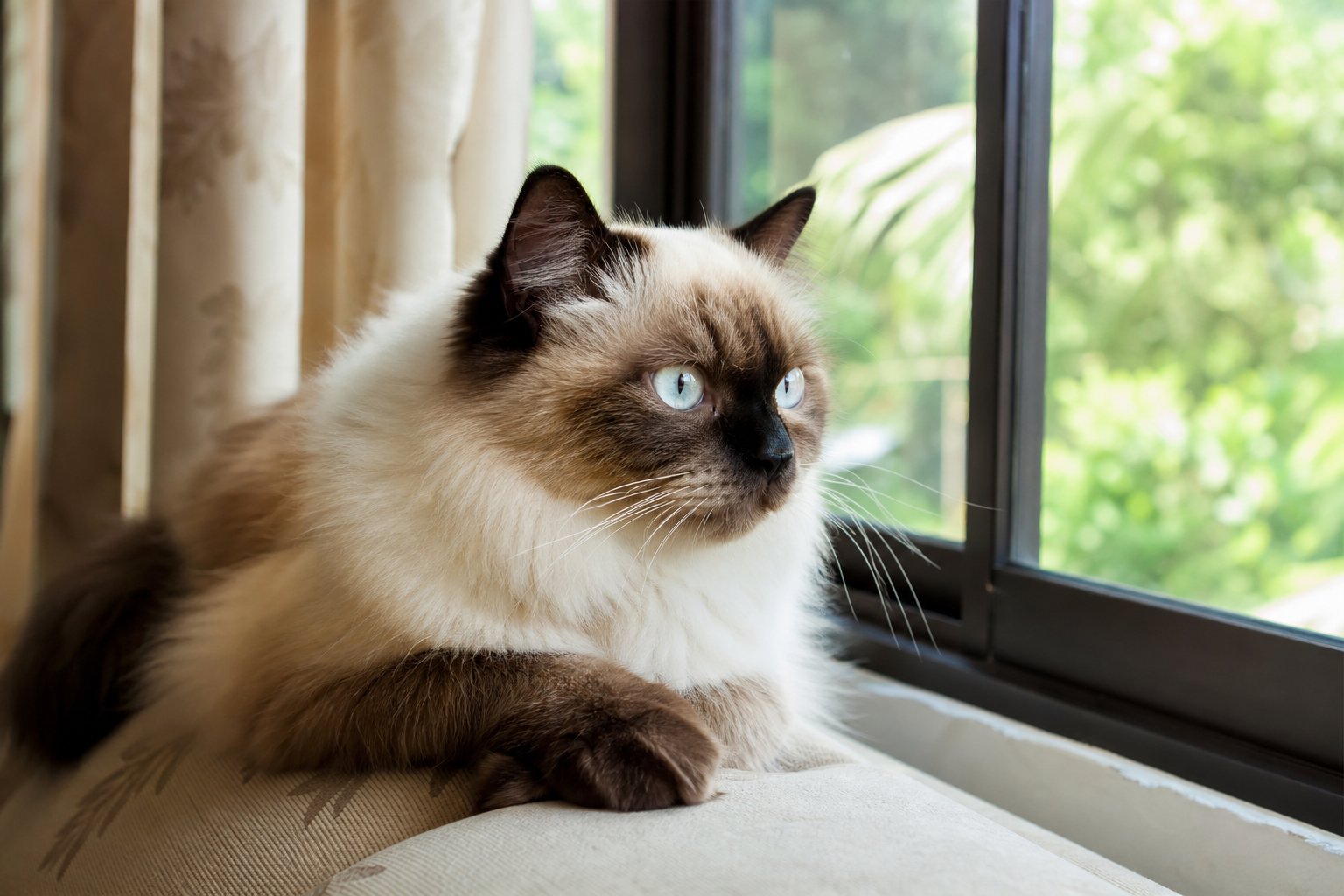
Quick answer
Himalayan cats need daily brushing, cool air-conditioned spaces, and close watching of their flat faces in Malaysia's humid heat. Wipe eyes and face daily, keep water fresh, and see a vet early for breathing or kidney concerns.
Quick facts
- Origin
- United States
- Size
- Medium
- Lifespan
- 12-15 years
- Weight
- Not documented
- Coat
- Long, dense coat needing daily brushing in humid weather
- Price guidance
- Ask local breeders for a current quote; prices vary with papers, colour, size and availability.
Personality
- Gentle
- Affectionate
- Calm
- Quiet
- Sociable
The Himalayan is a long-haired, flat-faced cat that suits calm indoor living, but Malaysia's hot, humid climate asks more of owners. This guide covers temperament, daily care, grooming, health watch-points and choosing a kitten in local conditions.
Temperament: A Gentle Indoor Companion
Himalayans are typically gentle, affectionate and quietly sociable cats. They tend to bond closely with their people and often follow owners from room to room rather than demanding loud attention. Many are calm enough for apartment and condo living, and they usually tolerate gentle handling, which helps with daily grooming and face wiping. Their flat faces mean they are not built for rough, exhausting play, so short interactive sessions suit them better than long chase games. Because they are social, long stretches alone can leave them bored or clingy, so consider a companion cat or scheduled play. In Malaysian homes, give them a quiet, cool retreat away from noisy visitors and hot afternoon sun. Early gentle handling helps them stay relaxed as adults.
Daily Life in a Malaysian Home
In Malaysia's heat and humidity, a Himalayan's daily routine should centre on staying cool and comfortable. Keep the cat indoors with air-conditioning or fans in the main living area, and provide shaded, ventilated resting spots away from direct sun. Flat-faced cats struggle to cool themselves, so avoid midday outdoor time and never leave the cat in a car or balcony heat. Set up a quiet room for rest, a scratching post, and a litter box away from food and water. Fresh water should be available in several places to encourage drinking. Because the thick coat traps heat, check the cat's breathing during play and let it rest when it pants. Regular, predictable feeding and grooming times help settle the routine.
Grooming the Thick Himalayan Coat
The Himalayan's long, dense coat mats easily in Malaysia's humid weather, so daily brushing is essential. Use a wide-tooth comb and work gently through the coat, paying special attention to the armpits, behind the ears, the belly and the hind legs where tangles form fastest. Short sessions are better than one long tugging session. Wipe the flat face after meals to prevent food staining and tear staining, and gently clean around the eyes daily with a soft, damp cloth. Check ears weekly and keep nails trimmed. Bathe only when needed, using a cat-safe shampoo, and dry the coat thoroughly afterwards so damp fur does not sit against the skin. If mats form, do not cut them blindly; ask a groomer or vet for help.
Exercise for a Flat-Faced Cat
Himalayans are not high-energy cats, but they still need daily movement to stay healthy and avoid weight gain. Short, frequent play sessions with wand toys, soft balls or puzzle feeders suit their flat faces better than long, intense exercise. Aim for several brief sessions spread through the day, and stop when the cat pants, breathes heavily or loses interest. In Malaysia's heat, play in the cooler morning or evening, indoors with air-conditioning or fans. Vertical space such as a cat tree gives gentle climbing and watching without overheating. Rotate toys to keep interest. Because these cats can be sedentary, encourage a little activity after meals, and watch body condition rather than relying on appetite alone.
Training a Gentle Himalayan
Himalayans usually respond well to calm, reward-based training because they are gentle and people-focused. Start with simple cues such as coming when called, sitting, and accepting grooming and face wiping without fuss. Keep sessions short and use food treats or gentle praise, and never punish or raise your voice, as this can make a sensitive cat wary. Handling practice matters: touch paws, ears and mouth briefly so vet checks and grooming are easier. Litter training is usually straightforward if the box is clean and placed quietly. Because flat-faced cats tire easily, train in a cool room and end on a positive note. Consistency matters more than long sessions, so a few minutes daily works well in busy Malaysian households.
Feeding a Himalayan in the Tropics
A Himalayan needs a balanced, complete cat diet suited to its age and activity level, with fresh water always available. Because these cats can be calm and prone to weight gain, measure portions rather than free-feeding, and adjust with your vet if body condition changes. The flat face can make eating awkward, so choose shallow bowls or plates that let the cat reach food without pressing its nose. In Malaysia's warmth, store dry food sealed and cool, and do not leave wet food out for long. Several small meals may suit better than one large one. Monitor water intake, especially if your vet has mentioned kidney concerns, and encourage drinking with fountains or multiple bowls. Avoid sudden diet changes.
Health Watch-Points for Himalayan Cats
Himalayans carry breed tendencies that Malaysian owners should watch closely. Their flat faces make breathing harder in humid heat, so heavy panting, open-mouth breathing or blue gums need urgent vet attention. Watery eyes and tear staining are common and should be cleaned daily, with vet review if discharge changes. The thick coat can hide skin problems and mats, so check the body regularly. Kidney issues are a documented concern over time, so keep water available and attend routine vet checks. Local vet access is generally good in Malaysian towns and cities, but confirm your clinic handles flat-faced breeds. Keep the cat indoors and cool, and raise any breathing, appetite or litter box change early.
Brachycephalic breathing difficulty
Watch for: Heavy panting, open-mouth breathing, noisy breathing or blue gums, especially in humid heat or after play.
Care: Keep the cat in cool, air-conditioned or fan-ventilated rooms, avoid midday heat and strenuous play, and seek vet advice promptly if breathing changes.
Watery eyes and tear staining
Watch for: Excess tears, brown staining below the eyes, discharge or squinting.
Care: Gently wipe around the eyes daily with a soft damp cloth, keep the face clean after meals, and ask a vet if discharge or redness persists.
Kidney concerns
Watch for: Increased drinking, more frequent urination, weight loss or reduced appetite over time.
Care: Provide fresh water in several places, attend routine vet checks, and discuss diet and monitoring with your vet if changes appear.
Coat matting and skin irritation
Watch for: Tangled fur, lumps under the coat, redness or scratching, especially under the armpits and behind the ears.
Care: Brush daily with a wide-tooth comb, keep the coat dry, and ask a groomer or vet for help with stubborn mats rather than cutting blindly.
Choosing a Himalayan in Malaysia
When choosing a Himalayan in Malaysia, prioritise health and temperament over appearance. Ask to see the kitten or cat in person, observe its breathing at rest and during gentle play, and check eyes, nose and coat for discharge or mats. A responsible breeder or rehoming owner should let you meet the mother and ask questions about health and care. Confirm the cat has been vet-checked and vaccinated, and ask about any known breathing or kidney concerns. Because the flat face and thick coat need daily care, be honest about your household's time and air-conditioning. Apartments and condos can suit these calm cats well. Avoid impulse purchases and choose a cat that seems alert, social and comfortable being handled.
Caring in Malaysia
- Long, dense fur makes overheating easy in Malaysia's heat and humidity. Keep your Himalayan indoors in cool, shaded rooms with fresh water, and never leave it in direct sun or a parked car.
- The thick coat mats easily in humid weather, so brush daily with a wide-tooth comb, especially under the armpits and behind the ears. Wipe the flat face after meals to prevent staining.
- Flat faces mean laboured breathing in humid heat, so watch for heavy panting, open-mouth breathing or blue gums and see a vet at once. Also monitor watery eyes and kidney issues over time.
Frequently asked questions
Can a Himalayan live comfortably in a Malaysian apartment?
Yes, a Himalayan can live comfortably in a Malaysian apartment if kept indoors with cool air and daily grooming. These calm cats suit smaller spaces, but they need air-conditioning or fans, shaded resting spots, and short play sessions to avoid overheating in the humid climate.
How often should I brush my Himalayan in Malaysia?
Brush your Himalayan daily in Malaysia because the humid weather makes the thick coat mat easily. Use a wide-tooth comb and focus on the armpits, behind the ears, belly and hind legs. Short daily sessions prevent tangles better than occasional long grooming sessions.
Is heavy panting normal for a flat-faced cat in hot weather?
No, heavy panting is not normal and should be taken seriously in a flat-faced cat. Open-mouth breathing, noisy breathing or blue gums can signal breathing difficulty in humid heat. Move the cat to a cool room and contact a vet promptly if these signs appear.
What should I feed a Himalayan cat?
Feed a complete, balanced cat diet suited to your Himalayan's age and activity, with measured portions to prevent weight gain. Use shallow bowls because the flat face can make eating awkward, keep water fresh in several places, and ask your vet before changing diet.
Do Himalayans need air-conditioning in Malaysia?
Himalayans benefit greatly from air-conditioning or good fan ventilation in Malaysia because their thick coat and flat faces make overheating easy. Keep at least one cool room available, avoid direct sun and midday heat, and never leave the cat in a hot car or balcony.
How do I clean my Himalayan's eyes and face?
Clean your Himalayan's eyes and face gently with a soft, damp cloth once daily, and wipe the face after meals to prevent staining. Use separate clean areas of the cloth for each eye, avoid harsh products, and see a vet if discharge, redness or squinting develops.
Related breeds
Cat breed guides →
Related articles
- Bengal Cat Guide Malaysia: Personality, Energy Needs and Health Care
Bengal cats are striking, muscular and famously energetic. This guide explains what they need in a Malaysian home, from wall shelves in a Kuala Lumpur apartment to daily play routines and health checks.
- Bengal Cat Personality in Malaysia: What to Expect From This High-Energy Breed
Bengal cats are curious, confident, high-energy and highly interactive. This guide explains what that means for Malaysian homes, from apartment living to training and vet care.
- Birman Cat Disadvantages in Malaysia: 8 Real Costs Before You Adopt
Birman cats are gentle and sociable, but they are not low-maintenance. Here are the eight real costs Malaysian owners should know before bringing one home.
- Abyssinian Cat Disadvantages in Malaysia: 7 Honest Truths Before You Adopt
Abyssinians are brilliant, busy cats that demand daily play, cat-proofed homes and a long-term health budget. This guide lists the seven genuine drawbacks and how Malaysian owners can manage each one.
- Abyssinian Lifespan in Malaysia: How Long They Live and What Actually Extends It
Abyssinians usually live 12–15 years, and well-managed cats often pass 15. The lifespan gap comes down to three things: PK deficiency screening, kidney checks from age eight, and daily dental care. Here is how Malaysian owners can work all three.
- Abyssinian Personality in Malaysia: The 'Cat That Works With You' Explained
The Abyssinian is not a lap cat that sleeps beside you — it is a colleague cat that follows you around the house and wants to be involved in everything. This guide explains the breed's five core traits, its lock-picking intelligence, its social needs, and the honest weakness: poor tolerance of long alone time.
- American Shorthair Colours in Malaysia: Tabby, Bicolour and What Actually Matters
American Shorthairs come in dozens of accepted colour and pattern combinations, but in Malaysia the ones you will actually see are silver tabby, brown tabby and various bicolour 'add-white' cats. This guide explains what those labels mean, how colour affects grooming and photography rather than health or personality, and how to check a kitten's paperwork instead of paying for symmetry.
- American Shorthair Disadvantages in Malaysia: 7 Honest Trade-Offs Before You Adopt
The American Shorthair is hardy and low-maintenance, but it is not problem-free. Here are seven real trade-offs Malaysian owners should budget time and money for, plus how to manage each one.
Related products at PetChill


Sources
Last reviewed: 2026-11-16
For health concerns, consult a licensed veterinarian in Malaysia.