
Munchkin
Munchkin · Cat · Malaysia
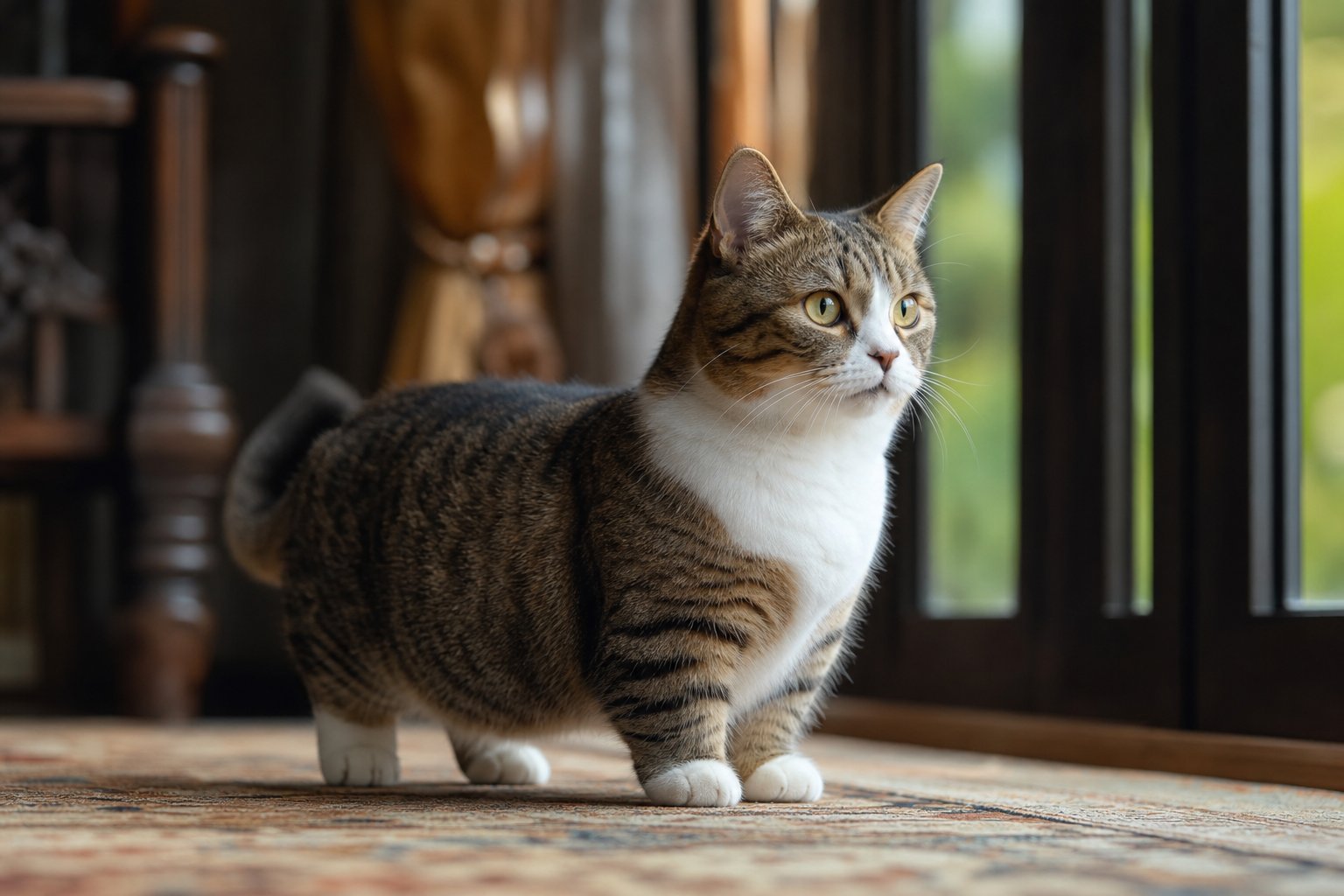
Quick answer
A Munchkin in Malaysia needs a cool, well-ventilated indoor home, daily coat care, gentle exercise and regular vet checks. Their short legs are charming but can strain joints, so keep them lean and avoid high jumps.
Quick facts
- Origin
- Iran
- Size
- Medium
- Lifespan
- 12-17 years
- Weight
- Medium build, generally lighter than standard cats due to short legs
- Coat
- Short or long hair; long coats need daily combing in humid weather
- Price guidance
- Ask local breeders for a current quote; prices vary with papers, colour, size and availability.
Personality
- Affectionate
- Curious
- Playful
- Sociable
- Gentle
Munchkin cats are small, short-legged companions with affectionate, playful personalities that suit Malaysian apartment living well. Because Malaysia is hot and humid year-round, these cats do best strictly indoors with good airflow and consistent grooming. This guide covers temperament, daily care, health watch-points and how to choose a Munchkin responsibly.
Temperament: What Living With a Munchkin Is Like
Munchkins are famously sociable, curious and playful, often described as kitten-like well into adulthood. They tend to bond closely with their people and enjoy following owners from room to room, joining sofa time and investigating every new box or bag. Most get along well with children and other pets when introduced gently. Their short legs do not stop them exploring, though they may climb and jump differently from taller cats. In a Malaysian condo, this affectionate nature means they dislike long stretches alone and appreciate company, interactive play and a window perch with a view. They are generally gentle rather than demanding, but they still need daily attention, mental stimulation and a predictable routine to stay content and relaxed indoors.
Daily Life in a Malaysian Home
Set up your Munchkin in the coolest, best-ventilated part of your home, away from direct afternoon sun. Hot, stuffy rooms are uncomfortable for any cat and can worsen coat matting in long-haired Munchkins. Keep fresh water available in several spots and consider a quiet fan-circulated corner as a resting zone. Apartments and condos suit this breed well because they are compact and generally calm indoors, but screen windows and balconies securely since curiosity plus short legs can still lead to falls. Provide low-sided litter boxes so stepping in is easy, and place food, water and bedding away from noisy areas. A predictable daily rhythm of play, meals, grooming and rest helps them settle quickly into condo life.
Grooming for Humidity and Coat Health
Grooming needs depend on coat length. Long-haired Munchkins require daily combing to prevent tangles and mats, paying extra attention behind the ears, under the legs and around the tail base. Malaysia's humidity makes fur clump and mat faster, so never let your cat rest in hot, stuffy rooms and check the coat with your fingers every day. Short-haired Munchkins do well with a few brushing sessions weekly to remove loose fur. Wipe away eye discharge gently with a damp cloth to prevent staining, and clean the ears when needed. Bathe only occasionally with a cat-safe shampoo, and dry the coat thoroughly afterwards so damp fur does not sit against the skin in humid weather.
Exercise for Short Legs
Munchkins are active and playful, but their short legs mean they tire differently and should not be pushed into repeated high jumps or hard landings. Encourage movement with floor-level wand toys, rolling balls, puzzle feeders and short chase games rather than tall climbing towers with steep drops. Two or three short play sessions daily work better than one long exhausting session. Keep your cat lean, because extra weight stresses short legs and joints. In a Malaysian condo, clear a safe corridor or living room space for daily play and offer low ramps or steps to favourite spots instead of expecting big leaps. Mental exercise matters too, so rotate toys and hide treats to keep their curious minds busy indoors.
Training a Munchkin
Munchkins are intelligent and food-motivated, which makes positive reinforcement training very effective. Use small treats, praise and short sessions of a few minutes to teach name recognition, coming when called, sitting and using a scratching post. Clicker training works well for this breed. Keep sessions fun and end before your cat loses interest. Litter training is usually straightforward, but choose a box with low sides so short legs can step in comfortably. Because they are sociable, Munchkins respond better to gentle encouragement than to being left alone for long periods. Malaysian owners in apartments should also train calm behaviour around doors and balconies, and reward quiet settling so the cat learns household routines quickly.
Feeding a Munchkin in a Hot Climate
Feed a complete, balanced cat diet suited to your Munchkin's age and activity level, and measure portions to keep weight in a healthy range. Extra weight is a real concern for short-legged cats because it adds strain to joints. In Malaysia's warm climate, wet food left out spoils quickly, so serve meals and remove leftovers promptly. Keep water bowls fresh and topped up, and consider a water fountain to encourage drinking. Some cats eat less during hot spells, so offer smaller, more frequent meals if your cat seems off food. Treats should stay occasional, and any change in diet should be gradual. Ask your local vet for portion guidance based on your cat's body condition rather than following packet suggestions blindly.
Health Watch-Points for Munchkin Owners
Munchkins are generally hardy, but their short legs mean joint and mobility issues deserve attention, and long-haired cats need help with coat and eye care in humid weather. Watch for noisy or laboured breathing, watering or discharge from the eyes, and excessive thirst, as these may signal respiratory, tear duct or kidney problems, so see a vet promptly. Check movement daily: reluctance to jump, stiffness or limping should be discussed with your vet. Keep up vaccinations, parasite prevention and routine check-ups with a local clinic you trust. Because Malaysian humidity encourages skin and ear problems, inspect ears and coat regularly. Early vet visits for small changes are far easier than managing advanced problems later.
Joint and mobility concerns
Watch for: Stiffness, reluctance to jump or climb, limping, or slower movement than usual.
Care: Keep weight lean, offer low ramps and soft landing spots, and have a vet assess any ongoing stiffness.
Respiratory sensitivity
Watch for: Noisy or laboured breathing, coughing, or panting in warm rooms.
Care: Keep rooms cool and well ventilated, avoid smoke and strong fumes, and see a vet if breathing changes.
Tear duct and eye discharge
Watch for: Watering eyes, brown staining, discharge or squinting.
Care: Wipe eyes gently with a damp cloth and ask a vet about persistent discharge or staining.
Kidney and urinary health
Watch for: Excessive thirst, more frequent urination, or changes in appetite and litter habits.
Care: Encourage drinking with fresh water and fountains, and book a vet check for any thirst or litter changes.
Choosing a Munchkin in Malaysia
Choose a Munchkin from a responsible breeder or rescue who lets you meet the kitten's parents, see the living conditions and ask about health screening. A healthy kitten should be alert, curious, clean-eyed and moving comfortably on its short legs. Ask about vaccinations, deworming and any known joint concerns, and request a vet check soon after bringing your cat home. Avoid sellers who cannot show the mother or who rush the sale. Consider adopting from local rescues, where short-legged mixes sometimes appear. Before committing, confirm your condo allows cats, budget for routine vet care and grooming, and plan a cool, safe indoor space. A calm, well-socialised kitten settles faster into Malaysian apartment life.
Caring in Malaysia
- Give your long-haired Munchkin a cool, well-ventilated indoor spot; humidity can mat the fur, so avoid letting it rest in hot stuffy rooms.
- Comb the long coat daily to prevent tangles and mats, especially behind the ears and legs; wipe away eye discharge to prevent staining.
- Notice noisy or laboured breathing, watering or discharge from the eyes, and excessive thirst; these may signal respiratory, tear duct or kidney problems, so see a vet.
Frequently asked questions
Are Munchkins suitable for Malaysian apartments?
Yes, Munchkins generally adapt well to apartments and condos because they are compact, calm and sociable indoors. They still need daily play, a cool ventilated space and secure window and balcony screens. Confirm your building allows cats before bringing one home, and set up low climbing options suited to short legs.
How much grooming does a long-haired Munchkin need in Malaysia?
A long-haired Munchkin needs daily combing in Malaysia's humidity to prevent tangles and mats. Focus on behind the ears, under the legs and the tail base, and check the coat with your fingers each day. Keep your cat in cool, ventilated rooms and wipe eye discharge to prevent staining.
Do Munchkins need special exercise because of their short legs?
Munchkins benefit from gentle, frequent play rather than intense jumping or hard landings. Use floor-level wand toys, balls and puzzle feeders, and offer low ramps to favourite spots. Short daily sessions keep them fit without straining short legs, and keeping them lean protects joints over time.
What health issues should Munchkin owners watch for?
Watch for joint stiffness or limping, noisy or laboured breathing, eye discharge and excessive thirst. These can point to mobility, respiratory, tear duct or kidney concerns. See a local vet promptly if you notice changes, and keep vaccinations, parasite prevention and routine check-ups current.
Are Munchkins good with children and other pets?
Munchkins are typically sociable and gentle, and most do well with children and other pets when introductions are gradual and supervised. Teach children to handle the cat gently and avoid rough play near stairs or balconies. Their affectionate nature means they enjoy company and may become unhappy if left alone for long periods.
How do I choose a healthy Munchkin kitten in Malaysia?
Choose a kitten from a responsible breeder or rescue where you can meet the mother and see clean living conditions. The kitten should be alert, clean-eyed and moving comfortably. Ask about vaccinations, deworming and health screening, and arrange a vet check soon after bringing your cat home.
Related breeds
Cat breed guides →
Related articles
- Bengal Cat Guide Malaysia: Personality, Energy Needs and Health Care
Bengal cats are striking, muscular and famously energetic. This guide explains what they need in a Malaysian home, from wall shelves in a Kuala Lumpur apartment to daily play routines and health checks.
- Bengal Cat Personality in Malaysia: What to Expect From This High-Energy Breed
Bengal cats are curious, confident, high-energy and highly interactive. This guide explains what that means for Malaysian homes, from apartment living to training and vet care.
- Birman Cat Disadvantages in Malaysia: 8 Real Costs Before You Adopt
Birman cats are gentle and sociable, but they are not low-maintenance. Here are the eight real costs Malaysian owners should know before bringing one home.
- Abyssinian Cat Disadvantages in Malaysia: 7 Honest Truths Before You Adopt
Abyssinians are brilliant, busy cats that demand daily play, cat-proofed homes and a long-term health budget. This guide lists the seven genuine drawbacks and how Malaysian owners can manage each one.
- Abyssinian Lifespan in Malaysia: How Long They Live and What Actually Extends It
Abyssinians usually live 12–15 years, and well-managed cats often pass 15. The lifespan gap comes down to three things: PK deficiency screening, kidney checks from age eight, and daily dental care. Here is how Malaysian owners can work all three.
- Abyssinian Personality in Malaysia: The 'Cat That Works With You' Explained
The Abyssinian is not a lap cat that sleeps beside you — it is a colleague cat that follows you around the house and wants to be involved in everything. This guide explains the breed's five core traits, its lock-picking intelligence, its social needs, and the honest weakness: poor tolerance of long alone time.
- American Shorthair Colours in Malaysia: Tabby, Bicolour and What Actually Matters
American Shorthairs come in dozens of accepted colour and pattern combinations, but in Malaysia the ones you will actually see are silver tabby, brown tabby and various bicolour 'add-white' cats. This guide explains what those labels mean, how colour affects grooming and photography rather than health or personality, and how to check a kitten's paperwork instead of paying for symmetry.
- American Shorthair Disadvantages in Malaysia: 7 Honest Trade-Offs Before You Adopt
The American Shorthair is hardy and low-maintenance, but it is not problem-free. Here are seven real trade-offs Malaysian owners should budget time and money for, plus how to manage each one.
Related products at PetChill



Sources
Last reviewed: 2026-11-16
For health concerns, consult a licensed veterinarian in Malaysia.