
Persian
Persian · Cat · Malaysia
Quick answer
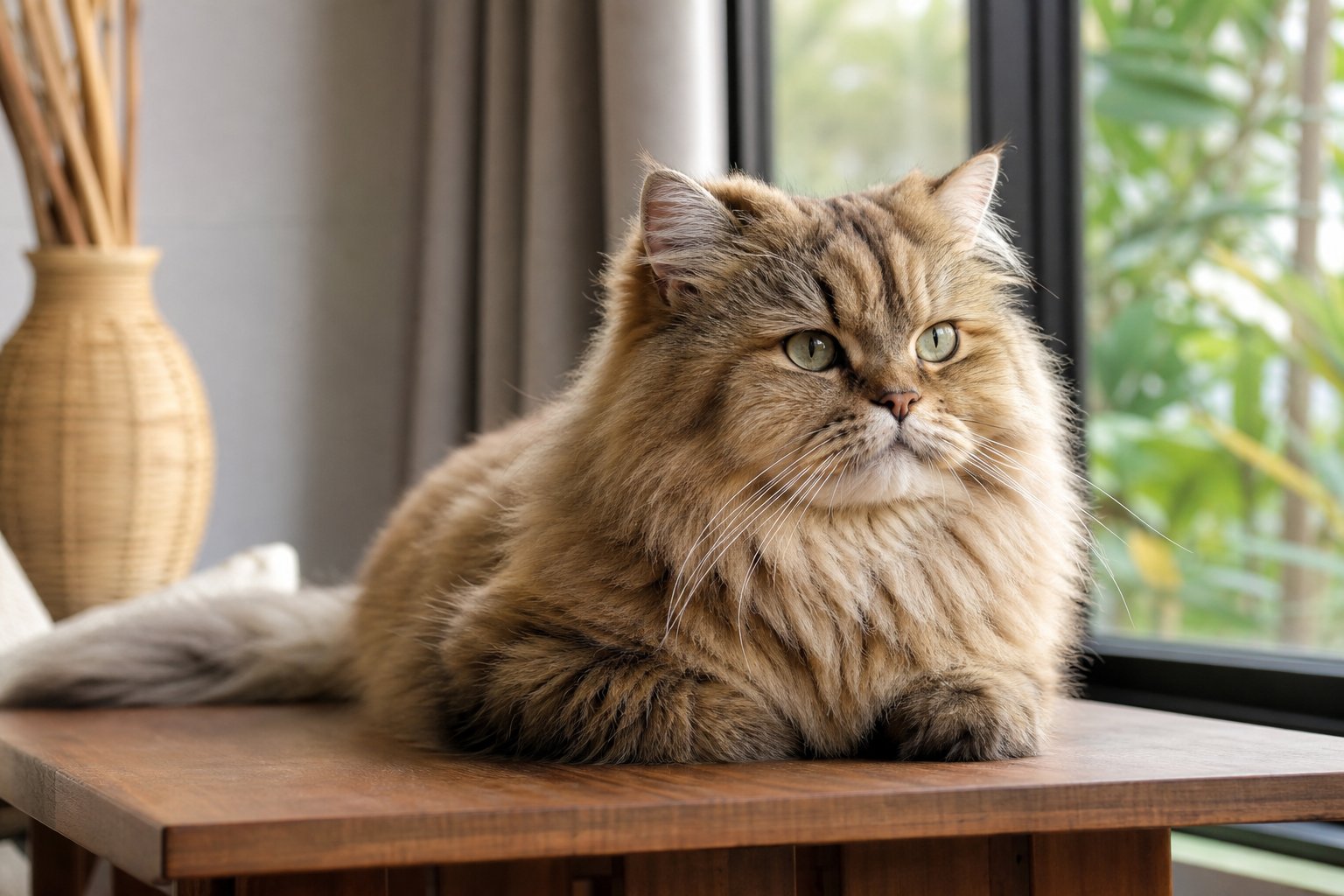
The Persian is a calm, affectionate cat with a long coat and flat face. In Malaysia's heat and humidity, it needs daily grooming, eye cleaning, and a cool, dust-free indoor home.
Quick facts
- Origin
- Iran (historical Persia)
- Size
- Medium
- Lifespan
- 12–15 years
- Weight
- Medium, typically 3-5 kg
- Coat
- Long, dense, and requiring daily grooming
- Price guidance
- Ask local breeders for a current quote; prices vary with papers, colour, size and availability.
Personality
- Calm
- Affectionate
- Quiet
- Gentle
- Docile
The Persian is a gentle, medium-sized cat known for its luxurious coat and sweet expression. Originally from historical Persia (modern Iran), this breed adapts well to apartment living but requires dedicated grooming and careful heat management in Malaysia's tropical climate. This guide helps Malaysian owners understand the Persian's needs, from daily care to local health considerations.
Temperament: A Gentle Companion for Malaysian Homes
Persians are famously placid, affectionate, and quiet. They thrive on routine and gentle interaction, making them excellent companions for singles, families, and seniors in Malaysian apartments or condos. Unlike high-energy breeds, they are content to lounge nearby rather than climb curtains. Their calm nature means they tolerate handling well, which helps with daily grooming and eye care. However, they can be sensitive to loud noises and chaotic environments, so a peaceful household suits them best. They are not demanding but do appreciate consistent attention. In multi-pet homes, their easygoing attitude often blends well, though slow introductions are wise. Overall, the Persian's docile temperament makes it a low-drama addition to most Malaysian households, provided their grooming and health needs are met.
Daily Life: Adapting to Malaysian Apartments
In Malaysia's hot, humid climate, Persians are happiest as indoor cats. Air-conditioning or fans help keep them comfortable, especially during the hottest part of the day. Their flat face means they overheat easily, so avoid direct sun and ensure good ventilation. Apartments and condos suit them well as they are not overly active. Set up a quiet corner with a soft bed away from noise and strong smells. Daily life revolves around grooming: a thorough brush session and eye cleaning are non-negotiable. Keep the environment dust-free and avoid incense or smoke, which can irritate their sensitive respiratory system. Litter box hygiene is crucial; scoop daily. With a predictable routine, Persians settle into Malaysian indoor life beautifully.
Grooming: Managing the Long Coat in Humidity
Malaysia's humidity makes grooming a daily commitment for Persian owners. Their long, dense coat mats easily if neglected, so brush thoroughly every day with a stainless steel comb and slicker brush. Pay extra attention to the belly, armpits, and behind the ears. A daily eye-cleaning routine is essential due to their flat face; use a soft, damp cloth or pet-safe wipe to gently clean around the eyes and prevent staining. Bathe every few weeks with a cat-specific shampoo, ensuring the coat dries completely to avoid skin issues. Keep the environment dust-free and avoid strong incense or smoke, as these can irritate their eyes and respiratory tract. Regular grooming also strengthens your bond and lets you spot skin problems early.
Exercise: Gentle Play for a Calm Breed
Persians are not athletic cats, but they still need daily movement to maintain a healthy weight and mental stimulation. In a Malaysian apartment, short, gentle play sessions with wand toys or soft balls work well. Aim for two to three sessions of five to ten minutes each, ideally during cooler parts of the day. Avoid intense exercise that leaves them panting, as their flat face makes breathing harder. Interactive puzzle feeders can provide low-impact enrichment. Climbing is not their forte, so provide low, stable scratching posts and cozy spots rather than tall cat trees. Keep play sessions calm and let them set the pace. Regular gentle exercise helps prevent obesity, which is common in sedentary breeds, and keeps them engaged without overexertion.
Training: Patience and Positive Reinforcement
Persians are intelligent but not particularly driven, so training requires patience and gentle encouragement. They respond best to positive reinforcement using treats, praise, or gentle petting. Start with simple commands like 'come' or 'sit' in short, quiet sessions. Litter box training is usually straightforward, but keep the box clean and placed in a quiet spot. Grooming training is crucial: accustom your Persian to brushing and eye cleaning from a young age, using treats to create positive associations. They may resist at first, so go slowly. Avoid harsh corrections or loud noises, which can stress them. With consistency, Persians can learn household routines and even a few tricks, though they may never be as eager as more active breeds. Focus on cooperation, not performance.
Diet: Feeding for Health and Coat Condition
A Persian's diet should support their long coat, flat face, and sedentary lifestyle. Choose high-quality cat food formulated for indoor or long-haired breeds, with balanced protein and fat. Due to their flat face, some Persians struggle with large kibble; smaller kibble or wet food may be easier. Portion control is vital because they are prone to weight gain; measure meals and avoid free-feeding. Fresh water should always be available, and a cat fountain can encourage drinking. In Malaysia's heat, wet food should not be left out for long. Treats should be limited. Always consult a local vet for specific dietary advice, especially if your cat has health issues. A consistent feeding schedule helps maintain digestive health and prevents obesity.
Health: Common Concerns in the Malaysian Climate
Persians are prone to several health issues that Malaysian owners should monitor. Their flat face (brachycephalic) can cause breathing difficulties, especially in heat and humidity, so keep them cool and avoid stress. Polycystic kidney disease is a known genetic concern; regular vet check-ups are important. Eye problems like excessive tearing and infections are common due to their facial structure, necessitating daily cleaning. In Malaysia's humid climate, skin fold dermatitis can occur if moisture traps in wrinkles; keep folds clean and dry. Hairballs are also common with long coats; regular grooming helps. Choose a vet experienced with brachycephalic breeds. Never self-diagnose; seek professional advice for any signs of illness. Preventive care and a clean environment are key.
Brachycephalic Syndrome
Watch for: Noisy breathing, panting, exercise intolerance, or open-mouth breathing, especially in heat.
Care: Keep in cool, air-conditioned spaces; avoid strenuous play and stress; use a harness instead of a collar; consult a vet for breathing difficulties.
Polycystic Kidney Disease
Watch for: Increased thirst and urination, weight loss, lethargy, or decreased appetite.
Care: Regular veterinary check-ups with ultrasound screening; ensure fresh water access; follow vet-recommended diet and monitoring.
Eye Conditions (e.g., excessive tearing, infections)
Watch for: Watery or stained eyes, redness, discharge, squinting, or pawing at the face.
Care: Daily gentle cleaning around eyes with a damp cloth; keep face dry; avoid dust and irritants; see a vet if discharge or redness persists.
Hairballs
Watch for: Vomiting, coughing, constipation, or reduced appetite.
Care: Daily brushing to remove loose fur; provide hairball control food or treats; ensure hydration; consult vet if symptoms persist.
Choosing a Persian: What Malaysian Buyers Should Know
Before bringing a Persian into your Malaysian home, consider their specific needs. They require daily grooming and eye care, so ensure you have time for this commitment. Their flat face means they need a cool, dust-free environment; air-conditioning is beneficial. They suit apartment living well due to their calm nature. When choosing a kitten, look for clear eyes, clean ears, and a healthy coat. Ask about health screening of the parents, especially for polycystic kidney disease. Avoid breeders who prioritize extreme flat faces, as this can worsen breathing issues. Reputable breeders will let you see the kitten's living conditions and provide health records. Consider adopting from a rescue. Finally, budget for regular vet visits and grooming supplies, and ensure your home is safe and quiet.
Caring in Malaysia
- Flat face needs daily eye cleaning and careful heat management.
- Long coat needs daily grooming in Malaysia’s humidity.
- Keep the environment dust-free and avoid strong incense or smoke.
Frequently asked questions
Are Persians suitable for apartments in Malaysia?
Yes, Persians are ideal for apartments because they are calm and not very active. They adapt well to indoor living, especially with air-conditioning to manage the heat. Their quiet nature means they won't disturb neighbors, but they still need daily grooming and a clean, dust-free environment to stay healthy.
How often should I groom my Persian in Malaysia's humidity?
You should brush your Persian daily to prevent mats and tangles, as humidity increases matting risk. Daily eye cleaning is also necessary due to their flat face. Bathe every few weeks with cat shampoo, ensuring the coat dries fully. Regular grooming also helps reduce hairballs and keeps their skin healthy.
Can Persians tolerate hot weather?
No, Persians struggle in hot weather due to their flat faces, which makes breathing difficult. In Malaysia, keep them in air-conditioned or well-ventilated rooms, avoid direct sun, and limit play during the hottest hours. Watch for panting or lethargy and cool them down immediately if overheated.
What health issues should I watch for in a Persian?
Watch for breathing difficulties, eye discharge, increased thirst or urination, and hairballs. Persians are prone to brachycephalic syndrome, polycystic kidney disease, and eye conditions. Regular vet check-ups and daily grooming help manage these risks. Seek veterinary advice promptly if you notice any concerning symptoms.
Do Persians need special food?
Persians benefit from high-quality food for long-haired or indoor breeds, with controlled portions to prevent obesity. Their flat face may make eating large kibble difficult, so smaller kibble or wet food can help. Always provide fresh water, and consult your vet for tailored dietary advice based on your cat's health.
Are Persians good with children and other pets?
Yes, Persians are generally gentle and tolerant, making them good with children and other pets. However, their calm nature means they prefer quiet interactions; teach children to handle them gently. Slow introductions to other pets are important. Their docile temperament usually allows them to coexist peacefully with respectful family members.
Related breeds
Cat breed guides →
Related articles
- Bengal Cat Guide Malaysia: Personality, Energy Needs and Health Care
Bengal cats are striking, muscular and famously energetic. This guide explains what they need in a Malaysian home, from wall shelves in a Kuala Lumpur apartment to daily play routines and health checks.
- Bengal Cat Personality in Malaysia: What to Expect From This High-Energy Breed
Bengal cats are curious, confident, high-energy and highly interactive. This guide explains what that means for Malaysian homes, from apartment living to training and vet care.
- Birman Cat Disadvantages in Malaysia: 8 Real Costs Before You Adopt
Birman cats are gentle and sociable, but they are not low-maintenance. Here are the eight real costs Malaysian owners should know before bringing one home.
- Abyssinian Cat Disadvantages in Malaysia: 7 Honest Truths Before You Adopt
Abyssinians are brilliant, busy cats that demand daily play, cat-proofed homes and a long-term health budget. This guide lists the seven genuine drawbacks and how Malaysian owners can manage each one.
- Abyssinian Lifespan in Malaysia: How Long They Live and What Actually Extends It
Abyssinians usually live 12–15 years, and well-managed cats often pass 15. The lifespan gap comes down to three things: PK deficiency screening, kidney checks from age eight, and daily dental care. Here is how Malaysian owners can work all three.
- Abyssinian Personality in Malaysia: The 'Cat That Works With You' Explained
The Abyssinian is not a lap cat that sleeps beside you — it is a colleague cat that follows you around the house and wants to be involved in everything. This guide explains the breed's five core traits, its lock-picking intelligence, its social needs, and the honest weakness: poor tolerance of long alone time.
- American Shorthair Colours in Malaysia: Tabby, Bicolour and What Actually Matters
American Shorthairs come in dozens of accepted colour and pattern combinations, but in Malaysia the ones you will actually see are silver tabby, brown tabby and various bicolour 'add-white' cats. This guide explains what those labels mean, how colour affects grooming and photography rather than health or personality, and how to check a kitten's paperwork instead of paying for symmetry.
- American Shorthair Disadvantages in Malaysia: 7 Honest Trade-Offs Before You Adopt
The American Shorthair is hardy and low-maintenance, but it is not problem-free. Here are seven real trade-offs Malaysian owners should budget time and money for, plus how to manage each one.
Related products at PetChill




Sources
Last reviewed: 2026-11-16
For health concerns, consult a licensed veterinarian in Malaysia.