
Russian Blue
Russian Blue · Cat · Malaysia
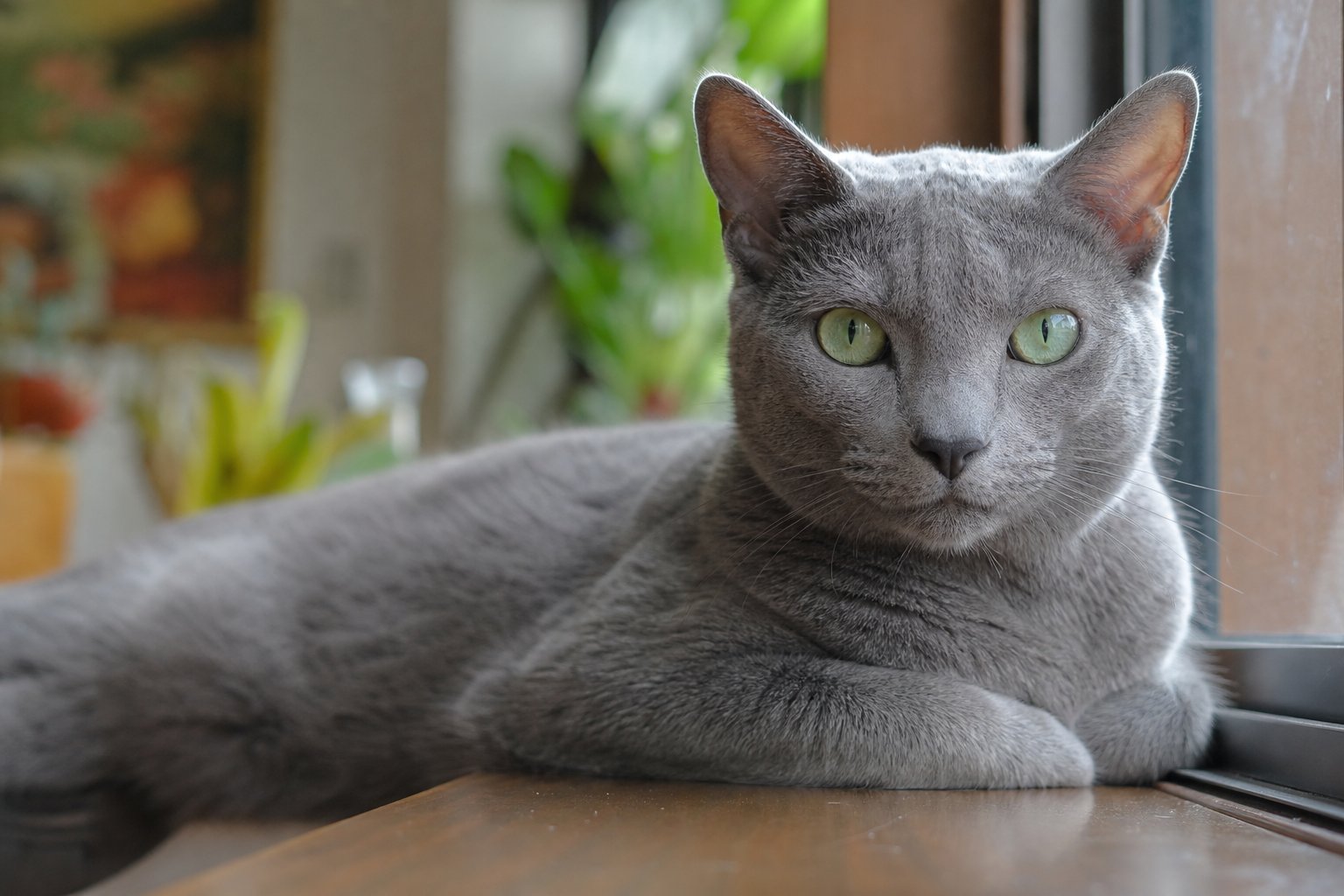
Quick answer
Keep your Russian Blue indoors with good ventilation and fresh water, brush regularly for humid weather, and watch for any changes in appetite, weight, breathing or litter habits.
Quick facts
- Origin
- Russia
- Size
- Medium
- Lifespan
- 15-20 years
- Weight
- Not documented
- Coat
- Dense, plush double coat
- Price guidance
- Ask local breeders for a current quote; prices vary with papers, colour, size and availability.
Personality
- Gentle
- Intelligent
- Reserved
- Affectionate
- Quiet
The Russian Blue is a gentle, intelligent cat that adapts well to Malaysian apartments and condos. This guide covers temperament, daily care, grooming, exercise, training, diet, health and choosing a Russian Blue in Malaysia's hot and humid climate.
Temperament: A Quiet and Gentle Companion
Russian Blues are known for their calm, gentle and reserved nature. They are affectionate with their families but often shy around strangers, preferring quiet corners and predictable routines. In Malaysian apartments and condos, this makes them well suited to indoor living, as they are not overly demanding of space. They are intelligent and observant, often following their owners from room to room without being clingy. They tend to bond closely with one or two people and may hide when guests visit. Their soft voice and undemanding personality make them a good match for busy households or first-time cat owners who want a calm companion. They are playful but not hyperactive, enjoying interactive toys and gentle play sessions.
Daily Life in a Malaysian Home
Living with a Russian Blue in Malaysia means planning for heat and humidity. Keep your cat indoors with good ventilation, fans or aircon, and constant fresh water. Malaysian afternoons can be hot and humid, so provide cool resting spots such as tiled floors or shaded areas. Apartments and condos are fine as long as you offer vertical space like cat trees and window perches for observation. Keep windows screened to prevent escapes. Establish a daily routine with feeding, play and grooming, as Russian Blues thrive on predictability. They are clean cats and appreciate a well-maintained litter box. Because they are sensitive to change, keep household noise and disruptions to a minimum. Regular interaction and quiet companionship will keep your Russian Blue content.
Grooming for Humid Weather
The Russian Blue has a dense, plush double coat that benefits from regular grooming, especially in Malaysia's humid climate. Brush the coat regularly with a soft brush to remove loose hair and keep the skin healthy through humid weather. This helps prevent matting and reduces hair around the home. During shedding seasons, increase brushing frequency. Check ears weekly and clean gently if needed, and trim nails every few weeks. Bathing is rarely necessary unless your cat gets dirty, but if you do bathe, use a cat-safe shampoo and dry thoroughly to avoid skin issues in humid conditions. Pay attention to skin folds and underarms for signs of irritation. Good grooming also gives you a chance to check for lumps, fleas or other skin problems early.
Exercise for Indoor Apartments
Russian Blues are moderately active cats that enjoy play but are not overly demanding. In Malaysian apartments and condos, indoor exercise is essential. Provide interactive toys such as wand toys, puzzle feeders and balls to encourage movement. Short, frequent play sessions of ten to fifteen minutes work well, especially during cooler parts of the day. Cat trees and shelving give vertical space for climbing and jumping, which helps maintain muscle tone. Rotate toys to keep your cat interested. Avoid strenuous play during the hottest part of the afternoon. Since Russian Blues are intelligent, mental exercise matters too; food puzzles and hiding treats can keep them engaged. Regular play also strengthens your bond and helps prevent boredom-related behaviors.
Training and Mental Stimulation
Russian Blues are intelligent and can learn basic cues and household routines with gentle, consistent training. Use positive reinforcement such as treats, praise or play. Keep sessions short and calm, as they are sensitive to harsh tones. Start with simple behaviors like coming when called or using a scratching post. Clicker training can work well for this breed. Because they are creatures of habit, establish regular feeding, play and litter times. In Malaysian homes, train your cat to accept grooming and handling early, especially for brushing and nail trims. Mental stimulation is important; puzzle toys and food-dispensing toys can keep them occupied while you are away. Avoid punishment, which can make them withdrawn. Patience and routine will yield good results.
Feeding Your Russian Blue
Feed your Russian Blue a balanced, high-quality cat diet appropriate for their age and activity level. In Malaysia's hot climate, fresh water is critical; provide multiple water bowls and consider a cat fountain to encourage drinking. Wet food can help with hydration. Portion control matters, as Russian Blues can become overweight if overfed, especially in indoor apartments with limited exercise. Establish a feeding schedule rather than free-feeding, and measure portions. Avoid sudden diet changes; transition gradually over several days. Treats should be limited and not replace balanced meals. If you are unsure about portion sizes or food choices, consult your local veterinarian. Keep food and water away from direct sun and heat, and clean bowls daily to prevent bacterial growth in humid conditions.
Health Watch in Malaysia
Russian Blues are generally robust, but no specific health risks are listed for the breed. Watch for any change in appetite, weight, breathing or litter habits and see a vet early. In Malaysia's humid climate, monitor for skin issues such as fungal infections, especially in skin folds, and keep your cat dry. Regular veterinary check-ups help catch problems early. Keep up with parasite prevention as recommended by your vet, since mosquitoes and fleas are present year-round. Dental care is also important; brush teeth if possible or use dental treats. Because Russian Blues can hide discomfort, observe daily for subtle signs like reduced grooming, hiding or changes in vocalization. Early vet visits are always better than waiting.
Obesity
Watch for: Weight gain, reduced activity, difficulty grooming, and reluctance to jump.
Care: Measure portions, limit treats, encourage daily play, and consult your vet for a weight management plan.
Dental Disease
Watch for: Bad breath, drooling, difficulty eating, pawing at the mouth, or visible tartar.
Care: Brush teeth regularly if tolerated, offer dental treats, and have your vet check teeth at routine visits.
Skin Irritation
Watch for: Scratching, redness, hair loss, or flaky skin, especially in humid weather.
Care: Keep the coat brushed and dry, avoid excessive bathing, and see a vet if irritation persists.
Choosing a Russian Blue in Malaysia
When choosing a Russian Blue in Malaysia, look for a healthy, alert kitten or cat with clear eyes, clean ears and a soft, dense coat. Ask about the cat's background and health history, and request veterinary records where available. Reputable breeders or rehoming sources will let you see the cat's living conditions and meet the parents if possible. Avoid sources that cannot provide basic health information. Consider adopting from a rescue or shelter if a purebred is not essential. Before bringing your cat home, prepare a quiet room with a litter box, food, water and a scratching post. Confirm that your home is cat-safe with screened windows. Since Russian Blues are sensitive, choose a calm, well-socialized cat that suits your household.
Caring in Malaysia
- Keep your Russian Blue indoors with good ventilation, fans or aircon and constant fresh water, as Malaysian afternoons get hot and humid.
- Brush the coat regularly with a soft brush to remove loose hair and keep the skin healthy through humid weather.
- No specific health risks are listed, so watch for any change in appetite, weight, breathing or litter habits and see a vet early.
Frequently asked questions
Are Russian Blues suitable for apartments in Malaysia?
Yes, Russian Blues adapt well to apartments and condos because they are calm and not overly active. They need indoor space with vertical perches, interactive play, and a quiet routine. Keep windows screened and provide cool areas with fans or aircon to manage the hot and humid climate.
How often should I groom my Russian Blue in Malaysia?
Brush your Russian Blue several times a week, and more often during shedding seasons. Regular brushing with a soft brush removes loose hair and helps keep the skin healthy in humid weather. Check ears and nails regularly, and bathe only when necessary, drying thoroughly afterward.
Do Russian Blues need air conditioning in Malaysia?
Air conditioning is not strictly necessary, but good ventilation and fans help. Malaysian afternoons can be hot and humid, so provide constant fresh water, shaded resting spots, and cool surfaces like tiles. If your home gets very hot, aircon can help prevent heat stress, especially for cats with dense coats.
Are Russian Blues prone to any health problems?
Russian Blues are generally healthy, but no specific breed-wide health risks are listed. Watch for obesity, dental disease, and skin irritation in humid weather. Keep up with routine vet check-ups, parasite prevention, and daily observation for changes in appetite, weight, breathing, or litter habits.
How much exercise does a Russian Blue need indoors?
Russian Blues need moderate daily exercise, which can be met with short play sessions and climbing opportunities. Provide interactive toys, puzzle feeders, and cat trees, and play during cooler parts of the day. Ten to fifteen minutes of active play a few times daily is usually enough to keep them fit and engaged.
What should I feed my Russian Blue in Malaysia's climate?
Feed a balanced, high-quality cat diet with measured portions and plenty of fresh water. Wet food can help with hydration, and a cat fountain may encourage drinking. Avoid free-feeding to prevent obesity, limit treats, and keep food and water away from direct heat and sun.
Related breeds
Cat breed guides →
Related articles
- Bengal Cat Guide Malaysia: Personality, Energy Needs and Health Care
Bengal cats are striking, muscular and famously energetic. This guide explains what they need in a Malaysian home, from wall shelves in a Kuala Lumpur apartment to daily play routines and health checks.
- Bengal Cat Personality in Malaysia: What to Expect From This High-Energy Breed
Bengal cats are curious, confident, high-energy and highly interactive. This guide explains what that means for Malaysian homes, from apartment living to training and vet care.
- Birman Cat Disadvantages in Malaysia: 8 Real Costs Before You Adopt
Birman cats are gentle and sociable, but they are not low-maintenance. Here are the eight real costs Malaysian owners should know before bringing one home.
- Abyssinian Cat Disadvantages in Malaysia: 7 Honest Truths Before You Adopt
Abyssinians are brilliant, busy cats that demand daily play, cat-proofed homes and a long-term health budget. This guide lists the seven genuine drawbacks and how Malaysian owners can manage each one.
- Abyssinian Lifespan in Malaysia: How Long They Live and What Actually Extends It
Abyssinians usually live 12–15 years, and well-managed cats often pass 15. The lifespan gap comes down to three things: PK deficiency screening, kidney checks from age eight, and daily dental care. Here is how Malaysian owners can work all three.
- Abyssinian Personality in Malaysia: The 'Cat That Works With You' Explained
The Abyssinian is not a lap cat that sleeps beside you — it is a colleague cat that follows you around the house and wants to be involved in everything. This guide explains the breed's five core traits, its lock-picking intelligence, its social needs, and the honest weakness: poor tolerance of long alone time.
- American Shorthair Colours in Malaysia: Tabby, Bicolour and What Actually Matters
American Shorthairs come in dozens of accepted colour and pattern combinations, but in Malaysia the ones you will actually see are silver tabby, brown tabby and various bicolour 'add-white' cats. This guide explains what those labels mean, how colour affects grooming and photography rather than health or personality, and how to check a kitten's paperwork instead of paying for symmetry.
- American Shorthair Disadvantages in Malaysia: 7 Honest Trade-Offs Before You Adopt
The American Shorthair is hardy and low-maintenance, but it is not problem-free. Here are seven real trade-offs Malaysian owners should budget time and money for, plus how to manage each one.
Related products at PetChill


Sources
Last reviewed: 2026-11-16
For health concerns, consult a licensed veterinarian in Malaysia.