
Tortoiseshell (Coat Pattern)
Tortoiseshell (Coat Pattern) · Cat · Malaysia
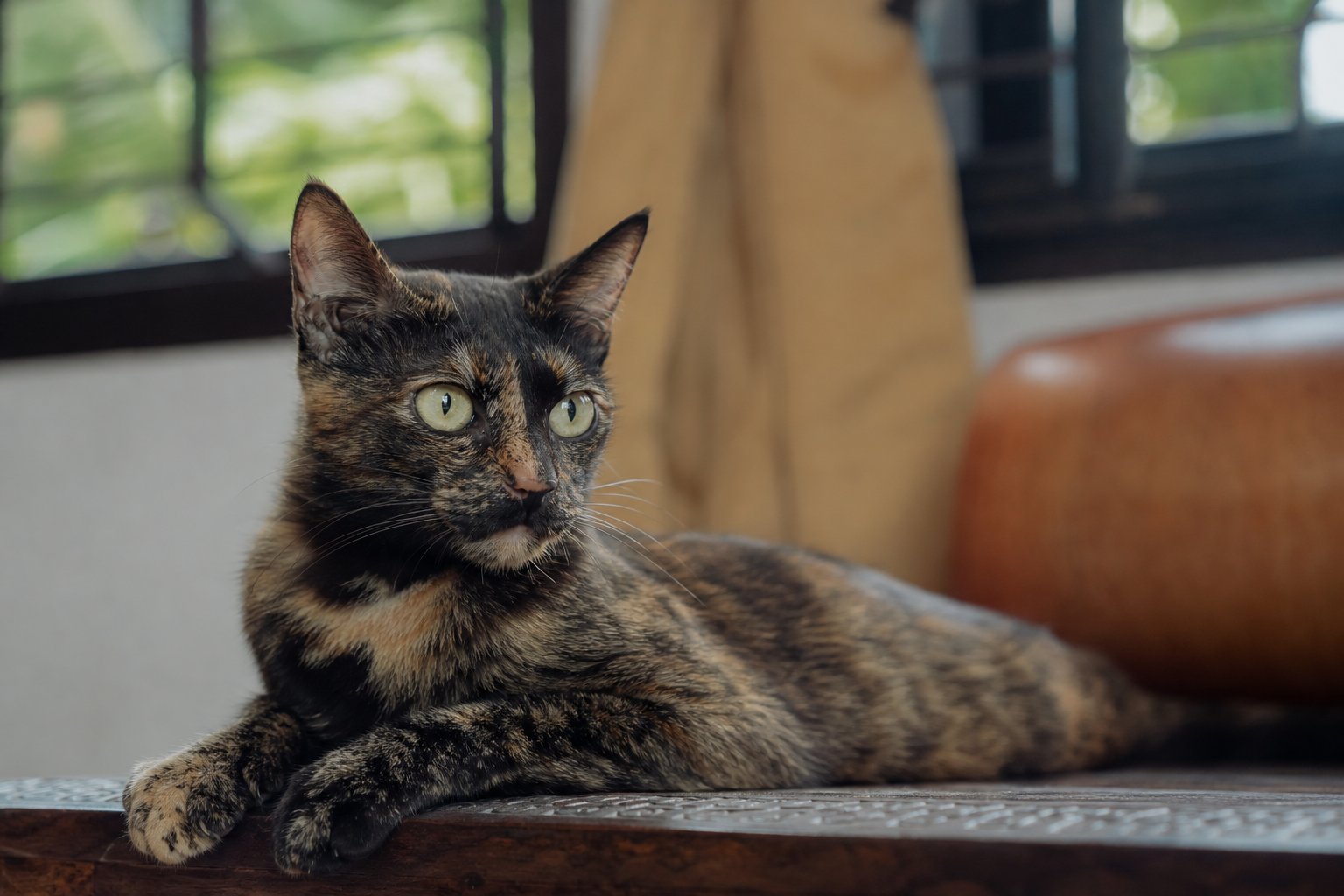
Quick answer
A tortoiseshell is a coat pattern, not a breed, so temperament and health follow the underlying cat. Keep her indoors in a cool room during hot Malaysian afternoons, groom according to coat length, and confirm her lineage with your vet.
Quick facts
- Origin
- Worldwide (can occur in many breeds)
- Size
- Medium
- Lifespan
- 12-16 years (depending on underlying breed)
- Weight
- Medium; varies with underlying breed
- Coat
- Patchwork of black, orange and cream; short or long depending on breed
- Price guidance
- Ask local breeders for a current quote; prices vary with papers, colour, size and availability.
Personality
- Expressive
- Affectionate on her own terms
- Curious
- Confident
- Playful
Tortoiseshell describes a striking mix of black, orange and cream patches rather than a single breed, so every tortie is a little different depending on her parentage. In Malaysia's hot, humid climate, these cats do best as indoor companions in apartments and condos with a cool, quiet retreat. This guide covers temperament, daily care, grooming, health and choosing a tortoiseshell, whether short or long haired.
Temperament: The Famous Tortie Attitude
Tortoiseshell cats are famous for a strong, expressive personality often called tortitude, though it varies with the underlying breed. Many are affectionate on their own terms, chatty, curious and quick to claim a favourite person or sunny spot. Some are bold and playful, others prefer quiet observation from a high shelf. Because the coat pattern appears across many breeds, from local mixed breeds to purebreds, temperament is best judged by meeting the individual cat and asking about her background. In Malaysian homes, torties often adapt well to condo life when given vertical space, scratching posts and predictable routines. Early socialisation and gentle handling help bring out the confident, loving side of this pattern.
Daily Life in a Malaysian Home
Daily life with a tortoiseshell centres on routine, comfort and climate control. Malaysia's heat and humidity mean she needs constant access to fresh water, shade and a cool room, especially during hot afternoons. Keep her indoors to protect her from traffic, fights and disease, and to reduce tick and flea exposure. Provide a litter tray away from food, a scratching post and a quiet hiding spot. Condo living suits her if you add vertical space such as cat trees and window perches with secure screens. Set regular times for meals, play and grooming so she feels secure. Watch for changes in appetite or litter habits, since these are often the first signs something is wrong.
Grooming by Coat Length
Grooming a tortoiseshell depends entirely on her underlying coat. Short-haired torties usually need brushing once or twice weekly with a soft rubber brush or fine comb to remove loose fur and spread natural oils. Long-haired torties need combing several times a week, and daily during shedding season, to prevent tangles, matting and hairballs. In Malaysia's humid climate, damp fur can encourage skin irritation, so dry her thoroughly if she gets wet. Check ears, eyes and paws weekly, and trim nails every few weeks. Start grooming early and keep sessions short and calm. If matting is severe, ask your vet or a professional groomer for help rather than cutting the coat yourself.
Exercise and Play for Indoor Torties
Tortoiseshells benefit from daily active play, even in small apartments. Two or three short sessions of ten to fifteen minutes with wand toys, feather teasers or rolling balls mimic hunting and burn energy. Rotate toys to keep her interested, and finish with a small treat or meal to complete the hunt-catch-eat sequence. Vertical space matters: cat trees, shelves and window perches let her climb and watch the world safely. Puzzle feeders slow eating and provide mental exercise. Avoid strenuous play during the hottest part of the day and offer cool, shaded rest areas afterwards. Senior torties or those with joint issues may prefer gentler, shorter sessions, so adjust to her energy and comfort.
Training and Enrichment
Tortoiseshell cats can learn quickly when training is positive and reward-based. Use small food treats, praise or a favourite toy to reward desired behaviour, and keep sessions short, around five minutes, to match her attention span. Start with simple cues such as coming when called, sitting, or using a scratching post instead of furniture. Clicker training works well for many cats and builds confidence. Never punish; it damages trust and rarely changes behaviour. Enrichment matters as much as cues: food puzzles, cardboard boxes, paper bags and supervised window time keep her mind busy. Because tortitude can include stubbornness, be patient and consistent. If she dislikes handling, train calm cooperation with short, gentle sessions and stop before she becomes stressed.
Feeding a Tortoiseshell
Diet should match her age, size, activity level and any underlying breed tendencies, not her coat colour. Choose a complete commercial cat food, wet, dry or a mix, and follow the feeding guide adjusted to her body condition. Wet food adds moisture, which helps in Malaysia's warm climate and supports urinary health. Feed measured portions at set times rather than free-feeding, and limit treats. Fresh, clean water should always be available, with a fountain if she prefers running water. Kittens, pregnant cats and seniors have different needs, so ask your vet for guidance. Avoid giving milk, raw fish, bones, chocolate, onions or salty human food. Weigh her regularly and adjust portions if she gains or loses weight.
Health Care and Vet Access
Health risks in tortoiseshells follow the underlying breed, so knowing her lineage helps your vet plan care. Keep vaccinations, parasite prevention and annual check-ups up to date, and ask about screening for common conditions in her breed mix. Male tortoiseshells are rare and often have an extra X chromosome, which can carry related health risks, so discuss this with your vet. In Malaysia, watch for heat stress, dehydration and skin issues in humid weather, and keep her indoors to reduce exposure to infectious disease and road accidents. Establish a relationship with a local vet before problems arise, and keep a record of weight, appetite and behaviour so changes are easy to spot early.
Obesity
Watch for: Weight gain, a sagging belly, reluctance to play or jump, and difficulty grooming hard-to-reach areas.
Care: Feed measured portions, limit treats, encourage daily play and weigh her regularly; ask your vet for a safe weight plan.
Dental disease
Watch for: Bad breath, drooling, red gums, chewing on one side, dropping food or reduced appetite.
Care: Brush teeth if she tolerates it, offer dental-friendly food or chews, and book regular vet dental checks.
Hairballs
Watch for: Vomiting hair, coughing, constipation or reduced appetite, especially in long-haired torties.
Care: Comb regularly to remove loose fur, offer hairball-control food or malt paste if advised, and keep her hydrated.
Heat stress
Watch for: Heavy panting, drooling, weakness, fast breathing or seeking cool floors during hot Malaysian afternoons.
Care: Keep her indoors in a cool room, provide shade and fresh water, and contact your vet promptly if signs are severe.
Choosing a Tortoiseshell Cat
Choosing a tortoiseshell means choosing an individual cat, since the pattern appears in many breeds and mixed breeds. Meet her first and ask about her background, health history and temperament rather than relying on coat colour. A confident, curious cat who approaches calmly is often a good fit for family homes, while a shy cat may suit a quiet household. Check eyes, ears, coat and body condition, and ask whether she has been vaccinated, dewormed and vet-checked. For long-haired torties, consider the extra grooming commitment. In Malaysia, plan for indoor life, cool spaces and secure window screens. Adopting from a shelter or rescue gives a cat a home and often includes initial health checks.
Caring in Malaysia
- Tortoiseshell is a coat pattern, not a breed; whether short or long haired, keep her indoors in a cool room on hot, humid afternoons.
- Grooming depends on the underlying coat: short hair brushed once or twice weekly, long hair combed more often to prevent tangles and hairballs.
- Health risks follow the underlying breed, so know her lineage; male tortoiseshells are rare (XXY) and may carry related risks — discuss with your vet.
Frequently asked questions
Is tortoiseshell a breed?
No, tortoiseshell is a coat pattern, not a breed. It can appear in many breeds and mixed breeds, so her size, temperament and health risks depend on her lineage rather than the pattern itself.
Are male tortoiseshell cats rare?
Yes, male tortoiseshells are rare because the pattern usually requires two X chromosomes. Males that are tortoiseshell often have an extra X chromosome, which can carry related health risks, so discuss screening with your vet.
How often should I groom my tortoiseshell?
It depends on her coat length. Short-haired torties need brushing once or twice weekly, while long-haired torties need combing several times a week, and daily during shedding, to prevent tangles and hairballs.
Can a tortoiseshell live in a Malaysian condo?
Yes, tortoiseshells can thrive in condos when given vertical space, scratching posts, daily play and a quiet hiding spot. Keep her indoors with secure window screens and a cool room for hot afternoons.
What should I feed my tortoiseshell cat?
Feed a complete commercial cat food suited to her age and activity level, with measured portions and fresh water. Wet food adds moisture in the hot climate, and treats should stay limited to keep her weight healthy.
How long do tortoiseshell cats live?
Tortoiseshell cats typically live around twelve to sixteen years, depending on the underlying breed and care. Regular vet checks, indoor living, good nutrition and weight management support a longer, healthier life.
Related breeds
Cat breed guides →
Related articles
- Bengal Cat Guide Malaysia: Personality, Energy Needs and Health Care
Bengal cats are striking, muscular and famously energetic. This guide explains what they need in a Malaysian home, from wall shelves in a Kuala Lumpur apartment to daily play routines and health checks.
- Bengal Cat Personality in Malaysia: What to Expect From This High-Energy Breed
Bengal cats are curious, confident, high-energy and highly interactive. This guide explains what that means for Malaysian homes, from apartment living to training and vet care.
- Birman Cat Disadvantages in Malaysia: 8 Real Costs Before You Adopt
Birman cats are gentle and sociable, but they are not low-maintenance. Here are the eight real costs Malaysian owners should know before bringing one home.
- Abyssinian Cat Disadvantages in Malaysia: 7 Honest Truths Before You Adopt
Abyssinians are brilliant, busy cats that demand daily play, cat-proofed homes and a long-term health budget. This guide lists the seven genuine drawbacks and how Malaysian owners can manage each one.
- Abyssinian Lifespan in Malaysia: How Long They Live and What Actually Extends It
Abyssinians usually live 12–15 years, and well-managed cats often pass 15. The lifespan gap comes down to three things: PK deficiency screening, kidney checks from age eight, and daily dental care. Here is how Malaysian owners can work all three.
- Abyssinian Personality in Malaysia: The 'Cat That Works With You' Explained
The Abyssinian is not a lap cat that sleeps beside you — it is a colleague cat that follows you around the house and wants to be involved in everything. This guide explains the breed's five core traits, its lock-picking intelligence, its social needs, and the honest weakness: poor tolerance of long alone time.
- American Shorthair Colours in Malaysia: Tabby, Bicolour and What Actually Matters
American Shorthairs come in dozens of accepted colour and pattern combinations, but in Malaysia the ones you will actually see are silver tabby, brown tabby and various bicolour 'add-white' cats. This guide explains what those labels mean, how colour affects grooming and photography rather than health or personality, and how to check a kitten's paperwork instead of paying for symmetry.
- American Shorthair Disadvantages in Malaysia: 7 Honest Trade-Offs Before You Adopt
The American Shorthair is hardy and low-maintenance, but it is not problem-free. Here are seven real trade-offs Malaysian owners should budget time and money for, plus how to manage each one.
Related products at PetChill




Sources
Last reviewed: 2026-11-16
For health concerns, consult a licensed veterinarian in Malaysia.