
Turkish Angora
Turkish Angora · Cat · Malaysia
Quick answer
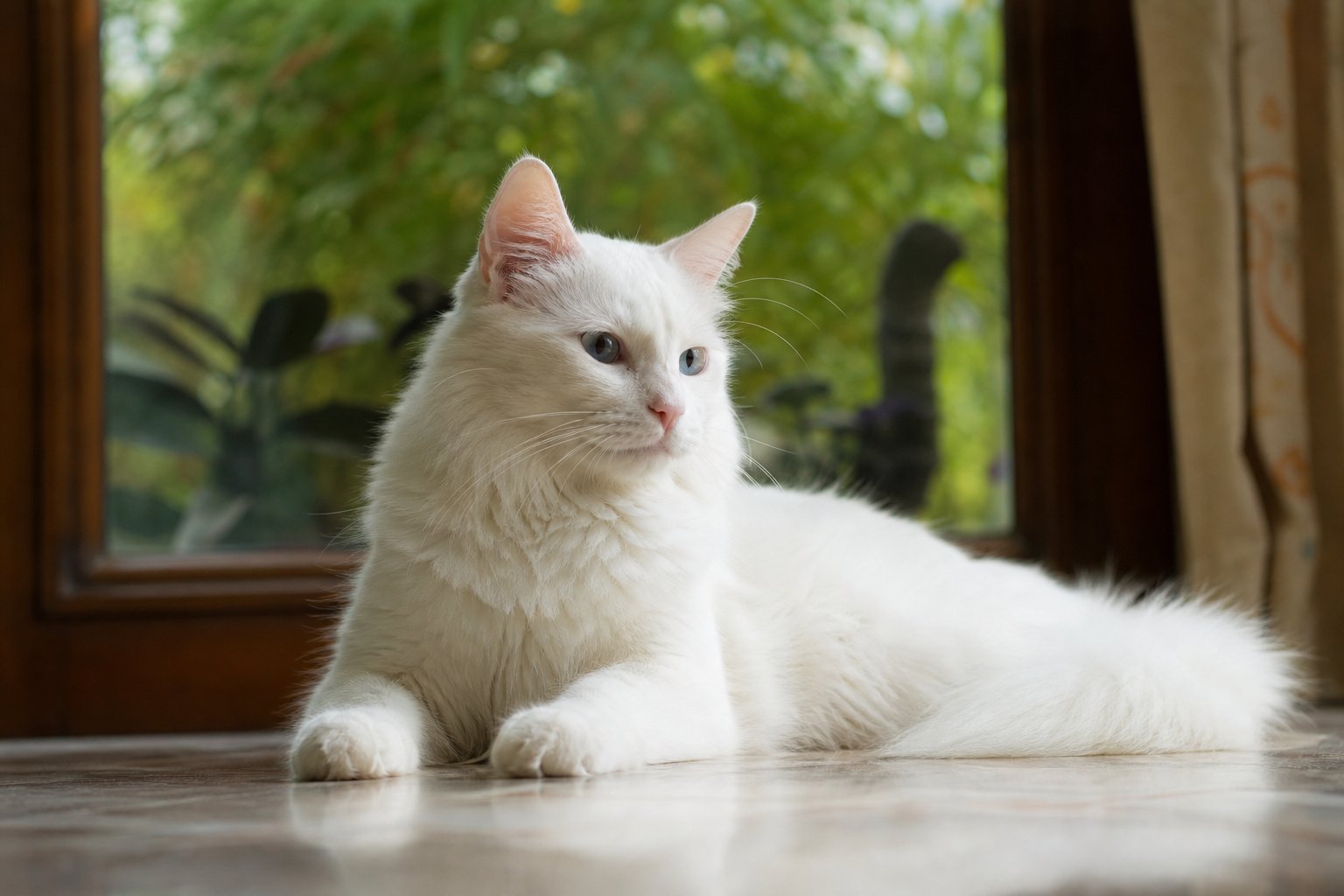
The Turkish Angora is a silky-coated, sociable cat that thrives indoors in Malaysia's heat. Keep the home cool, comb the fine coat several times weekly, and watch for heart and hearing issues, especially in white cats with blue eyes.
Quick facts
- Origin
- Turkey
- Size
- Medium
- Lifespan
- 12-18 years
- Weight
- Not documented
- Coat
- Silky, semi-long, fine
- Price guidance
- Ask local breeders for a current quote; prices vary with papers, colour, size and availability.
Personality
- Sociable
- Playful
- Intelligent
- Curious
- Vocal
The Turkish Angora is an elegant, fine-boned cat known for its silky semi-long coat and lively, people-focused nature. In Malaysia's hot, humid climate, this breed does best as an indoor companion in a cool, well-ventilated condo or apartment. This guide covers temperament, daily care, grooming, health watch-points, and how to choose one locally.
Temperament: A Sociable, Lively Companion
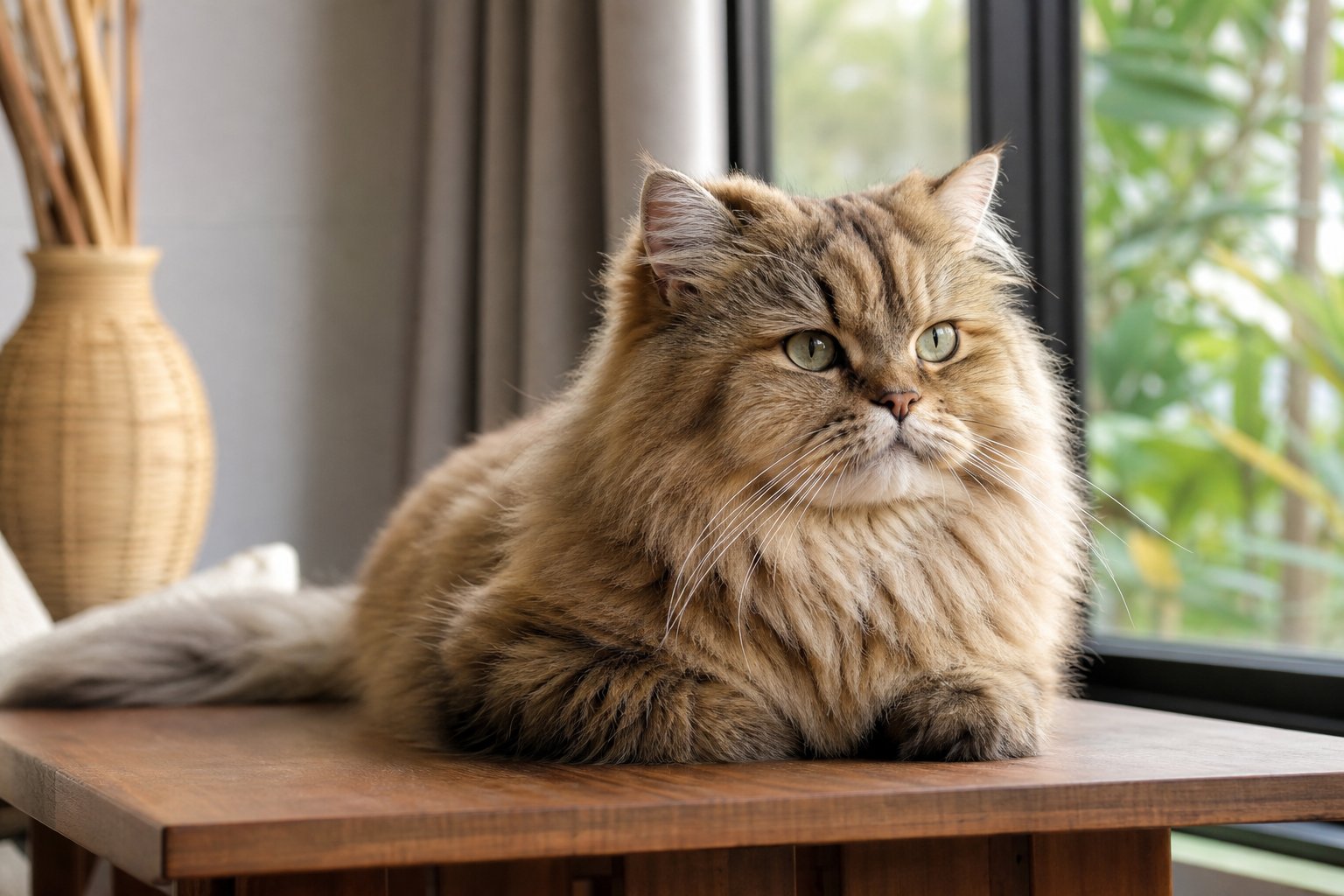
Turkish Angoras are typically outgoing, playful and strongly people-oriented. They often follow their owners from room to room, join in household activity and enjoy being the centre of attention. Many are intelligent and curious, so they like to explore shelves, windows and high perches. They can be vocal and will often chat with their people. While affectionate, they are not usually lap cats for long stretches; they prefer interactive play and companionship on their own terms. In a Malaysian condo, this sociability means they appreciate regular human contact rather than long stretches alone. Early, gentle handling helps them stay confident with visitors, and their playful streak makes them good candidates for interactive toys and simple puzzle feeders.
Daily Life in a Malaysian Home
In Malaysia's hot, humid climate, the Turkish Angora is best kept as an indoor cat. Its long, fine coat suits air-conditioned or well-ventilated indoor living far better than outdoor heat, and staying inside also reduces exposure to traffic, stray cats and tropical parasites. Set up a quiet room with a litter box, fresh water, scratching posts and a soft bed away from direct sun. Keep windows screened and balconies secured. Because the breed is sociable, plan daily interaction around your routine, especially if you work long hours. A cool, shaded spot and good airflow help prevent overheating and coat matting during humid spells, and indoor living makes coat and health checks easier to manage.
Grooming the Silky Coat
The Turkish Angora's silky, semi-long coat needs regular grooming, especially in Malaysia's humidity. Comb the coat several times a week with a wide-toothed comb, paying attention behind the ears, under the front legs and around the hindquarters where tangles start. Work gently through small sections rather than pulling through mats. A fine-toothed comb can help with loose undercoat, but avoid over-brushing the delicate top coat. Check ears weekly and wipe them clean if needed, and trim nails regularly. Bathing is usually occasional rather than frequent; use a cat-safe shampoo and dry the coat thoroughly afterwards so damp fur does not sit against the skin in humid weather. Regular combing also gives you a chance to spot skin changes early.
Exercise and Play
Turkish Angoras are active, agile cats that enjoy climbing and interactive play. In a Malaysian apartment or condo, provide vertical space such as cat trees, wall shelves or secured window perches so they can climb and watch the world outside. Short, frequent play sessions with wand toys, feather teasers or rolling balls suit their lively nature better than one long session. Rotate toys to keep interest high. Because this breed can inherit heart issues, watch how your cat handles exertion; if play leaves it unusually tired, breathless or faint, stop and arrange a vet check. Keep play indoors during the hot part of the day, and offer cool, shaded resting spots and fresh water afterwards so your cat recovers comfortably.
Training and Enrichment
Turkish Angoras are intelligent and often respond well to positive, reward-based training. Keep sessions short and frequent, and use treats, praise or a favourite toy as rewards. Many learn to come when called, sit, use a scratching post and accept handling for grooming and nail trims. Start early and stay consistent, and never punish; gentle redirection works better with this sensitive, sociable breed. Enrichment matters as much as formal training. Puzzle feeders, food-dispensing toys, cardboard boxes and supervised exploration of safe rooms keep the mind busy. In a Malaysian condo, scent games and window-watching perches add interest without needing outdoor access. Mental activity helps prevent boredom, which can otherwise show up as vocal demanding or nighttime restlessness.
Feeding and Hydration
Feed a complete, balanced cat food suited to your cat's age and activity level, and follow the feeding guide on the pack as a starting point rather than a fixed rule. Turkish Angoras are generally slender, so adjust portions to keep a lean body shape without overfeeding. In Malaysia's warm climate, fresh water matters; offer clean water in several spots and consider a water fountain to encourage drinking. Wet food can add moisture, which supports urinary and kidney health. Avoid sudden diet changes; transition gradually over several days. Treats should stay small so they do not unbalance the diet. If your cat has a diagnosed heart condition, your vet may recommend a specific diet, so always follow professional advice rather than guessing.
Health Watch-Points
The Turkish Angora can inherit heart and hearing issues, so attentive owners are valuable. Watch for exercise intolerance, fainting, unusual breathing or disorientation, and book a vet check if these appear, especially in a white-coated cat with blue eyes, where hearing concerns are more often noted. Keep up routine veterinary visits, vaccinations and parasite prevention as advised locally. Because the coat is long and fine, check skin and ears regularly in Malaysia's humidity. Dental care and weight monitoring are also worth building into your routine. No breed is guaranteed healthy, so choose a breeder or rescue that is open about health and let a local vet assess your cat rather than relying on assumptions.
Hypertrophic cardiomyopathy
Watch for: Unusual tiredness during play, breathlessness, fainting or reduced appetite.
Care: Arrange a vet check if these signs appear; follow veterinary advice on monitoring and activity.
Hearing loss
Watch for: Not responding to sounds, disorientation, or difficulty waking; more often noted in white cats with blue eyes.
Care: Have hearing assessed by a vet and keep the cat indoors with predictable routines and gentle handling.
Dental disease
Watch for: Bad breath, drooling, reluctance to eat or pawing at the mouth.
Care: Ask your vet about dental checks and home brushing with cat-safe products.
Choosing a Turkish Angora in Malaysia
When choosing a Turkish Angora in Malaysia, prioritise temperament, health and transparency over appearance alone. Ask about the cat's background, parents and any known health concerns, and request veterinary records where available. Meet the cat in person if possible and observe how it interacts, moves and responds to handling. A confident, curious cat with clear eyes, clean ears and a well-kept coat is a good sign. Consider rehoming or rescue options too. Before bringing a cat home, prepare a cool, safe indoor space, screens on windows, a litter box and a local vet contact. Avoid impulse purchases and be wary of anyone unwilling to answer questions about the cat's care and health.
Caring in Malaysia
- Its long, fine coat suits indoor living in Malaysia better than outdoor heat; keep the home cool and well-ventilated to prevent matting and overheating in the humidity.
- Comb the silky coat several times a week with a wide-toothed comb, paying attention behind the ears and legs, to prevent tangles in our humid weather.
- This breed can inherit heart and hearing issues; notice exercise intolerance, fainting, or disorientation, and book a vet check, especially if it is white-coated with blue eyes.
- notesMs
Frequently asked questions
Is the Turkish Angora suitable for Malaysian apartments?
Yes, it generally adapts well to apartment living when kept indoors with climbing space and daily play. Its sociable nature means it needs regular human interaction, and a cool, well-ventilated home helps it cope with Malaysia's humidity.
How often should I groom a Turkish Angora in Malaysia?
Comb the silky coat several times a week, paying attention behind the ears and legs. Malaysia's humidity makes tangles more likely, so regular wide-toothed combing is more effective than occasional long sessions, and it helps you spot skin or ear changes early.
Can a Turkish Angora live outdoors in Malaysia?
It is better kept indoors. The long, fine coat suits indoor living far better than outdoor tropical heat, and indoor life reduces risks from traffic, stray cats and parasites. Keep windows screened and balconies secured for safety.
What health issues should I watch for?
Watch for heart and hearing issues, plus routine dental problems. Notice exercise intolerance, fainting or disorientation and book a vet check, especially in white-coated cats with blue eyes. Regular veterinary visits help catch changes early.
Are Turkish Angoras good with children?
Many are sociable and playful, but interactions should be gentle and supervised. Teach children to handle the cat calmly and respect its resting space. Early positive handling helps the cat stay confident, and its lively nature often suits families who enjoy interactive play.
How do I choose a healthy Turkish Angora in Malaysia?
Prioritise transparency about health and temperament over looks. Ask about the cat's background and any known concerns, request veterinary records where available, meet the cat in person, and have a local vet assess it. Consider rescue or rehoming options as well.
Related breeds
Cat breed guides →
Related articles
- Bengal Cat Guide Malaysia: Personality, Energy Needs and Health Care
Bengal cats are striking, muscular and famously energetic. This guide explains what they need in a Malaysian home, from wall shelves in a Kuala Lumpur apartment to daily play routines and health checks.
- Bengal Cat Personality in Malaysia: What to Expect From This High-Energy Breed
Bengal cats are curious, confident, high-energy and highly interactive. This guide explains what that means for Malaysian homes, from apartment living to training and vet care.
- Birman Cat Disadvantages in Malaysia: 8 Real Costs Before You Adopt
Birman cats are gentle and sociable, but they are not low-maintenance. Here are the eight real costs Malaysian owners should know before bringing one home.
- Abyssinian Cat Disadvantages in Malaysia: 7 Honest Truths Before You Adopt
Abyssinians are brilliant, busy cats that demand daily play, cat-proofed homes and a long-term health budget. This guide lists the seven genuine drawbacks and how Malaysian owners can manage each one.
- Abyssinian Lifespan in Malaysia: How Long They Live and What Actually Extends It
Abyssinians usually live 12–15 years, and well-managed cats often pass 15. The lifespan gap comes down to three things: PK deficiency screening, kidney checks from age eight, and daily dental care. Here is how Malaysian owners can work all three.
- Abyssinian Personality in Malaysia: The 'Cat That Works With You' Explained
The Abyssinian is not a lap cat that sleeps beside you — it is a colleague cat that follows you around the house and wants to be involved in everything. This guide explains the breed's five core traits, its lock-picking intelligence, its social needs, and the honest weakness: poor tolerance of long alone time.
- American Shorthair Colours in Malaysia: Tabby, Bicolour and What Actually Matters
American Shorthairs come in dozens of accepted colour and pattern combinations, but in Malaysia the ones you will actually see are silver tabby, brown tabby and various bicolour 'add-white' cats. This guide explains what those labels mean, how colour affects grooming and photography rather than health or personality, and how to check a kitten's paperwork instead of paying for symmetry.
- American Shorthair Disadvantages in Malaysia: 7 Honest Trade-Offs Before You Adopt
The American Shorthair is hardy and low-maintenance, but it is not problem-free. Here are seven real trade-offs Malaysian owners should budget time and money for, plus how to manage each one.
Related products at PetChill
Sources
Last reviewed: 2026-11-16
For health concerns, consult a licensed veterinarian in Malaysia.