
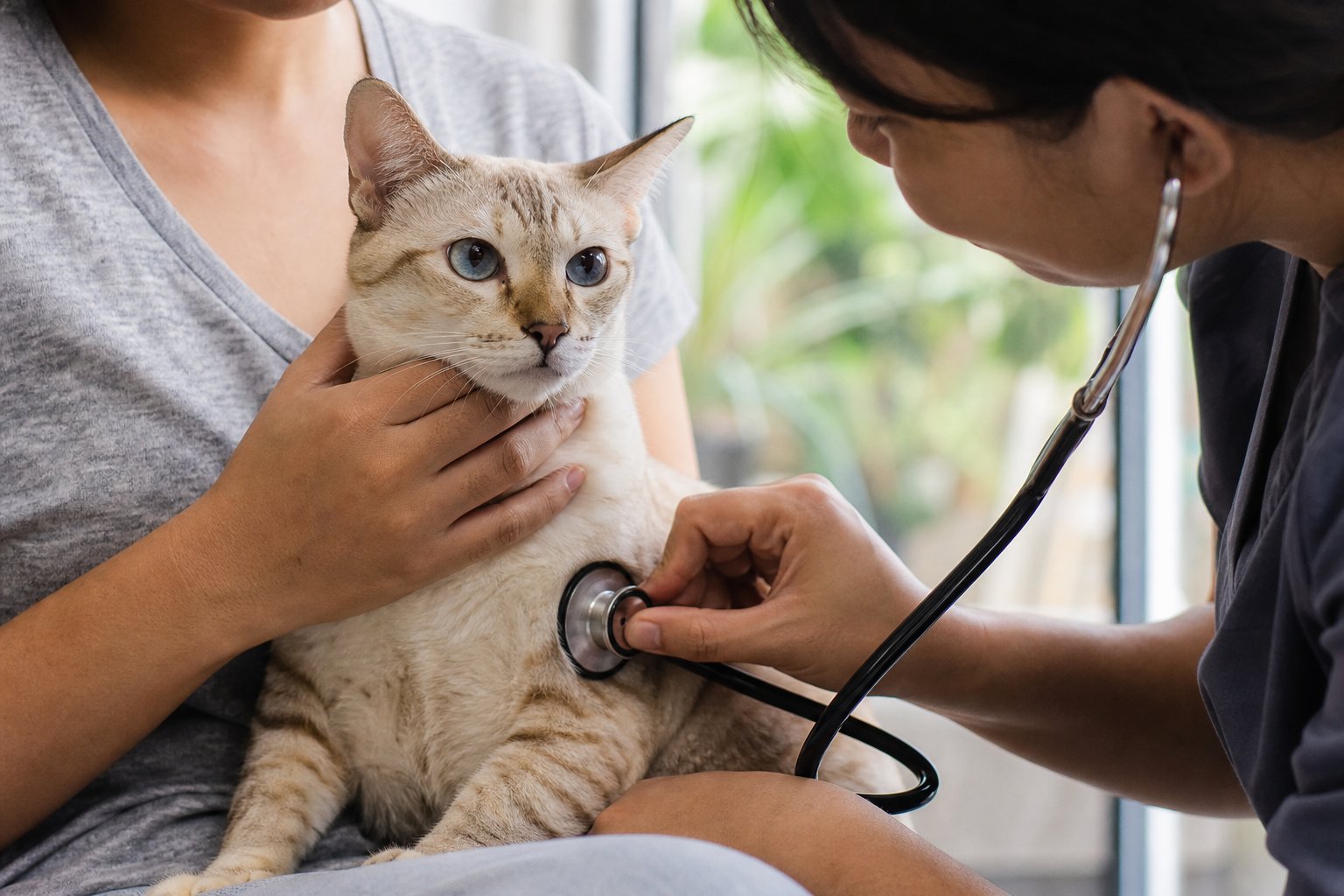
Your cat is officially a senior at around seven years old, and geriatric from ten. From that point, plan a full health check every six months, watch food and water intake daily, and make the home easier on stiff joints. Most age-related illnesses — kidney trouble, an overactive thyroid, arthritis, dental disease — are far more manageable when they are caught early. Here is a complete, practical guide to ageing cats.
How old is your cat, really?
Cats age on their own timetable, not ours. Many owners assume a seven-year-old is already ancient, but seven is really middle age. A useful working rule is that three months of a young cat's life roughly equals a year of human life, and the pace then slows. A common conversion looks like this:
| Cat age | Approximate human age | Life stage |
|---|---|---|
| 1 year | 24 years | Fully grown adult |
| 3 years | 42 years | Settled, stable adult |
| 7 years | 54 years | Middle age |
| 10 years | 63 years | Senior |
| 15 years | 78 years | Geriatric |
| 20 years | 93 years | Exceptionally long-lived |
Veterinary guidelines treat cats over ten years old as geriatric and recommend a comprehensive examination twice a year. With better nutrition and improved veterinary care, plenty of cats now reach fourteen or fifteen, and some go well beyond twenty. In practical terms, this means a seven-year-old cat still has many good years ahead — but only if you start the habit of regular monitoring now rather than waiting for something obvious to go wrong.
A simple mental shift helps: think of every change in your cat as information. A senior cat's body compensates quietly for a long time, and by the time signs are unmistakable, a condition may already be advanced.
Six physical signs of ageing you should spot
Cats are experts at hiding discomfort, so these are the changes worth checking for on a weekly basis.
1. Drinking noticeably more. If your cat visits the water bowl far more often than before, or empties the bowl faster, take it seriously. Ageing kidneys lose the ability to concentrate urine, so the cat drinks more to flush waste from the body. Increased drinking is also a hallmark of diabetes and liver disease.
2. Producing more urine. More drinking usually arrives with more frequent, larger clumps in the litter box. Change to a plain, unscented litter for a week or two so the clumps are easy to see, and count how many your cat passes in a day. Written notes are far more useful at an appointment than memory.
3. Eating less, or eating more slowly. Inflamed gums and a build-up of tartar are extremely common in older cats and make chewing painful. A cat that suddenly stops eating, or hovers over the bowl and walks away, may have mouth pain — or something more serious. Never assume a reduced appetite is simply fussy eating.
4. Weight going up or down. Sudden thinning can signal chronic infection, gut inflammation or an overactive thyroid. Sudden weight gain strains already-tired joints and raises the risk of diabetes and heart problems. Weigh your cat monthly at home if you have a pet scale, or ask the clinic to weigh at every visit, and keep a running record.
5. Moving differently. A cat that no longer leaps onto a favourite shelf, hesitates before jumping down, or lands with a stiff, awkward posture is likely experiencing arthritis. Watch for a shortened stride, matted fur along the back because grooming has become too effortful, and reluctance to use stairs or jump into a high-sided litter tray.
6. A dull, untidy coat. Healthy cats keep a glossy coat through regular grooming. When the fur looks flat, greasy, spiky or tangled — especially along the spine and over the hindquarters — it usually means your cat has stopped grooming as thoroughly, often because of joint pain or weight gain.
Four behaviour changes that matter just as much
Physical signs get the attention, but shifts in personality are equally informative.
Suddenly grumpy or withdrawn. A cat that was tolerant and now swipes when handled, or one that hides under the bed all day, may be in pain, losing sight or hearing, or experiencing cognitive decline. Rule out physical causes before assuming it is simply a bad mood.
Yowling at night. Repeated loud calling after dark is one of the most common complaints about senior cats. It is often linked to cognitive dysfunction — the feline equivalent of dementia — but disorientation, anxiety, discomfort and an overactive thyroid are all possible. Note the timing and frequency before the appointment.
Toileting outside the box. This is never naughtiness. Arthritis can make climbing into a high-sided tray painful, cognitive decline can make a cat forget where the tray is, and urinary conditions can create urgency. Never scold; instead, lower the entrance, add another tray and put it closer to your cat's favourite resting spot.
Sleeping much more than usual. Cats normally snooze twelve to sixteen hours a day, so a small increase is unremarkable. What should concern you is a senior that sleeps almost constantly, does not rouse easily, or responds slowly when called — that points to an underlying health problem rather than normal ageing.
The conditions most likely in later life
Many of these conditions cannot be cured, but early detection genuinely slows them down. This is why small changes deserve attention.
| Condition | Why older cats are vulnerable | Early clues |
|---|---|---|
| Periodontal disease | Years of plaque build-up combined with a weaker immune response | Bad breath, drooling, chewing on one side, dropping food |
| Overactive thyroid | One of the most common hormonal disorders in seniors | Ravenous appetite yet weight loss, restlessness, night-time yelling |
| Chronic kidney disease | Kidney tissue gradually wears out with age | Drinking and urinating more, later appetite loss, weight loss |
| Cancer | Tumour risk climbs steadily after seven years | Unexplained thinning; lumps you can feel under the skin |
| Arthritis | Joint cushioning cartilage thins over time | Not jumping, not grooming, stiffness after rest |
| Cognitive dysfunction | Brain function declines, as it does in people | Forgetting routines, staring at walls, house-soiling, confusion |
Add dental disease to the list as a quiet starter: it causes chronic pain that many owners never recognise because cats simply stop complaining and start eating more slowly.
Your health-check schedule
Build the routine around these benchmarks and adjust with your vet's advice:
- Seven to ten years: a full examination every six months, including weight, body condition score, blood pressure, a blood panel and a urine test.
- Ten years and over: every three to six months, plus thyroid function testing and a dental assessment.
- Any cat with a known chronic condition: more frequent visits, as directed by your vet.
At each check-up, ask which values are your cat's personal baseline. A creatinine reading that is 'within normal range' but rising year on year is far more informative than a single number in isolation. Keep a one-page health file: date, weight, key blood results, notes on appetite and drinking. It takes minutes a year and pays for itself in early detection.
Between visits, do a quick hands-on check weekly: run your palms over the body to feel for new lumps, look at the gums for redness, sniff the mouth for odour, and watch how the cat rises from rest. Small observations build a picture.
Food, water and weight
Nutrition does not reverse ageing, but it supports it. Practical principles:
- Choose a food formulated for older cats. Senior recipes are typically easier to digest and balanced for age-related changes. Ask your vet or a Malaysian pet retailer which options suit your cat's kidney values, dental condition and weight — prices and availability vary, so check locally rather than assuming a particular brand or pack size.
- Watch protein and phosphorus. If kidney values are already creeping up, your vet may recommend a controlled protein and phosphorus diet. Do not switch to a restrictive diet without testing first, since under-nutrition is its own risk in old age.
- Add moisture. Wet food and a pet water fountain both encourage drinking. Place several water bowls around the house, away from the food bowl and litter area, and refresh them daily.
- Keep a fountain and bowls clean. Older cats are fussy about staleness; a slimy bowl can quietly reduce intake.
- Control portions. Use a kitchen scale rather than a scoop. Obesity is defined as more than 15% above ideal body weight and significantly increases the risk of diabetes, arthritis and cardiovascular problems.
A simple body-condition check: you should be able to feel the ribs with light pressure and see a waist when viewing the cat from above. If the ribs are buried and the silhouette is a straight tube, it is time to adjust.
Adapting the home and daily handling
Small environmental changes make a bigger difference than most owners expect, especially for a cat with stiff joints or failing eyesight.
Litter box: cut a lower entry or buy a shallow tray; keep at least one tray on every level of the home; scoop daily so the surface stays comfortable for sore paws.
Resting spots: provide a soft, supportive bed in a warm, draft-free spot, ideally on the floor rather than elevated. Keep one bed near the family's usual gathering place so your cat can stay involved without climbing.
Stability: do not rearrange furniture unnecessarily. An ageing cat with vision loss relies on a remembered layout, and sudden changes increase confusion and anxiety.
Access: place food, water and trays along a familiar route your cat already uses. Avoid steep jumps; add a low step or stool if your cat insists on a particular perch.
Daily care checklist:
- Brush the coat gently every day, focusing on the back and behind the ears
- Check teeth and gums weekly for redness, swelling or bad breath
- Trim nails regularly — older nails thicken and can curl into the paw pads
- Feel over the body for new bumps or tender spots
- Note water intake, appetite, urination and stool quality
- Keep the interaction short and gentle; stop the moment your cat signals enough
Enrichment: a senior cat still needs mental stimulation, just less intensity. Offer toys that can be batted from a lying-down position, short play sessions twice a day, and gentle grooming that doubles as bonding. If your cat enjoys being stroked, slow, light massage over the shoulders and hips can ease joint stiffness — but skip it if the cat flinches or if pain looks acute. Some cats also benefit from clicker-style training or simple puzzle feeders that do not require standing.
In a Kuala Lumpur apartment, high-rise living means the litter box, water and bed often share one compact space; spread them to opposite corners so your cat gets gentle movement between them, and keep a window perch at a height that needs no jumping.
During the Penang rainy season, damp air can make old joints ache and encourage mould in damp corners; dry bedding thoroughly, keep the litter area well ventilated and consider a slightly warmer resting spot for arthritic cats.
When to see a vet
Book an appointment promptly — do not wait for the next scheduled check — if you notice any of the following:
- Your cat stops eating for more than a day, or eats only a fraction of normal for two consecutive days
- Repeated vomiting, diarrhoea lasting more than a day, or straining in the litter box
- Sudden weight loss, or a pot-bellied appearance
- Laboured breathing, open-mouth breathing, or gums that look pale, grey or yellow
- Sudden blindness, disorientation, stumbling or a head tilt
- Collapse, extreme lethargy, or a cat that cannot be roused
- Any new lump that grows, bleeds or changes shape
- A dramatic, sustained increase in drinking and urinating
- Crying when touched, or a sudden bite when being handled
When in doubt, go. Senior cats deteriorate faster than young ones, and a day's delay can matter.
Vet disclaimer: This article is general information for cat owners and is not a substitute for professional veterinary advice, diagnosis or treatment. If your senior cat shows any change in appetite, drinking, urination, movement or behaviour, please consult a qualified veterinarian.
Related reading
- Senior Cat Care Guide Malaysia: 7+ Health Checks, Kidneys, Joints & Daily Care
- Senior Cat Care in Malaysia: Age Signs, Check-ups and Daily Home Adjustments
- Senior Cat Care in Malaysia: Daily Routine and Home Checklist from Age 7
- Senior Cat Not Eating in Malaysia: 8 Causes, Warning Signs & Practical Appetite Tips
- Senior Cat Arthritis in Malaysia: Signs, Home Fixes and What Supplements Can Really Do
- Senior Cat Care Hub Malaysia: Kidney, Joints, Cognition, Diet and Check-Up Timetable for Cats Aged 7 and Above
- Senior Cat Quality of Life in Malaysia: A Practical Guide to Comfort Care and Hard Decisions