
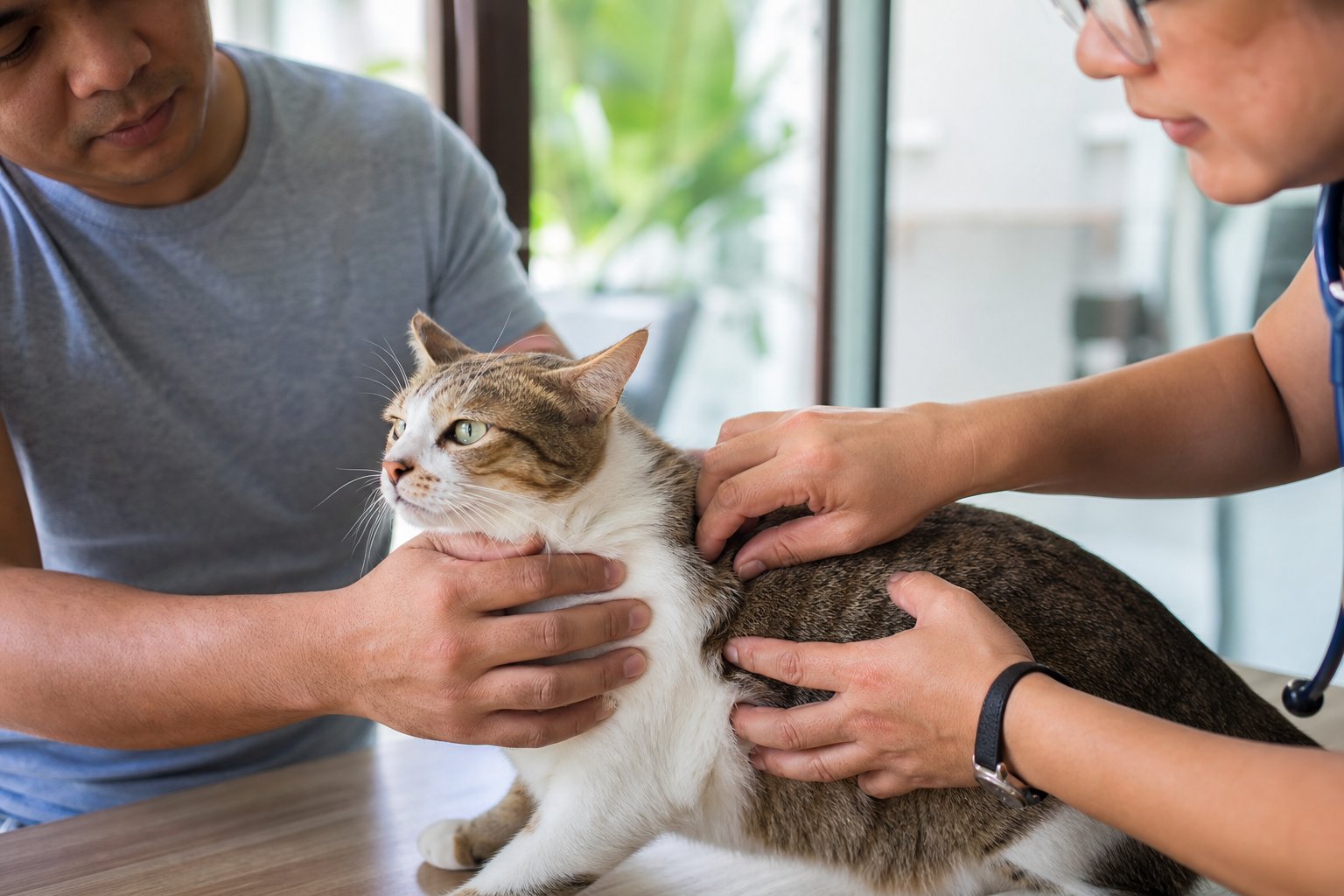
Quick answer: From seven years old, shift from "only visit the vet when something looks wrong" to monitoring on a schedule. The five silent problems are chronic kidney disease, arthritis, dental disease, overactive thyroid and cognitive decline — all detectable early with blood, urine and blood pressure checks. The three habits with the biggest payoff: six-monthly testing from age ten, a weekly weight log, and early pain and dental care.
What changes after seven years old
Many owners ask whether an old cat is worth treating. It is, and the real difficulty of senior care is not a lack of options — it is that changes arrive quietly. A 12-year-old cat can keep eating and jumping normally while its bloodwork already shows clear abnormalities.
Veterinary guidance divides feline life into stages: around seven years a cat is mature, and from about ten years it is senior. Those cut-offs are not a magic switch; they are a signal to change mode. From seven, the default becomes "test and watch" rather than "wait for symptoms."
The central principle is that ageing happens in parallel, not organ by organ. Falling kidney function makes a cat drink and urinate more, which strains the heart. Joint pain makes a cat walk less to the water bowl and litter tray, which in turn worsens kidney and urinary problems. Dental pain reduces eating, so muscle and weight drop, and immunity falls with them. A senior cat's care plan therefore has to be read as one connected picture, never as five separate complaints.
| System | Typical onset | Early signs an owner can notice | First step |
|---|---|---|---|
| Kidneys and urinary tract | 7 to 10 years | More drinking and urinating, dilute urine smell, slow weight loss | Blood creatinine and SDMA, urine specific gravity |
| Joints and muscle | From 8 years | Can't reach old heights, stiff gait, less grooming | Vet palpation and gait check, X-rays, home changes |
| Mouth and teeth | Any age, common in seniors | Bad breath, drooling, food dropping, chewing one side | Oral exam under anaesthesia, cleaning assessment |
| Thyroid | From 8 years | Eating more yet losing weight, scruffy coat, night yowling, fast heart | Blood T4 test |
| Diabetes | From 7 years | Drinking and urinating more, walking on hocks, weight loss | Blood glucose, fructosamine, urine test |
| Cognitive function | From 10 years | Night yowling, staring at walls, getting stuck, soiling outside the tray | Rule out physical causes first, then behaviour and environment work |
| Heart and blood pressure | From 8 years | Fast breathing at rest, reluctance to move, sudden hind-leg weakness | Auscultation, blood pressure, cardiac ultrasound |
| Vision and hearing | From 10 years | Bumping into furniture, no response to being called, easily startled | Eye exam, lighting and sound cues at home |
| Digestion and weight | From 7 years | Appetite swings, intermittent soft stools, muscle loss | Build a weight curve, diet and gut assessment |
Use the table as a checklist: if your cat already shows any sign in the third column, raise it at the next visit even if it still eats and plays. Cats conceal illness extremely well, so what an owner eventually notices is often already the second or third stage.
The five conditions to watch for
Chronic kidney disease. One of the most common chronic illnesses in older cats, and one of the quietest. Measurable changes in blood chemistry often appear only after roughly two-thirds of kidney function is already gone, which is why creatinine alone screens late — SDMA and urine specific gravity pick things up earlier. Daily management centres on three things: plenty of moisture (wet food, a water fountain, several bowls placed around the house), controlled phosphorus intake, and keeping kidney-damaging substances away — lilies, human painkillers such as ibuprofen or paracetamol, and strong disinfectants. If a diagnosis is confirmed, diet and recheck frequency follow the stage; do not buy a "kidney formula" off a shelf and start feeding it unilaterally.
Arthritis and muscle loss. Osteoarthritis is not a dog-only problem. The proportion of senior cats with joint changes visible on X-rays far exceeds the number of owners who suspect anything, because feline pain does not present as whimpering. It shows up as not jumping, not playing, hesitating before a jump, or sleeping much longer afterwards. If a cat that once landed on the table in one motion now needs two goes, or lands front-feet-first with a thud, treat it as joint pain until proven otherwise. Weight control is the single most effective intervention, followed by environmental changes (steps, ramps, non-slip mats), then vet-assessed supplements or pain relief.
Mouth and teeth. Dental disease damages nutrition and kidneys at the same time. Chronic inflammation and bacteria from diseased gums travel through the bloodstream and affect the kidneys and heart; oral pain stops a cat from chewing, so intake falls and muscle follows. A frequently missed feline problem is tooth resorption — a cat licks, chews on one side, drools, suddenly prefers soft food, or paws at its face. A dental procedure under anaesthesia in a senior cat requires pre-anaesthetic bloods, heart assessment and blood pressure, yet leaving painful inflammation untreated usually carries the higher risk.
Cognitive dysfunction. After ten, some cats show changes resembling human cognitive decline: yowling at night, staring at a wall or corner, getting stuck behind furniture and unable to reverse, soiling outside the litter tray, or altered interaction with the family. These are not naughtiness or spite, and they are not automatically cognitive — pain, overactive thyroid, hypertension and declining vision all produce similar pictures, so blood work must rule out physical causes first. Once cognitive change is confirmed, the approach is a fixed routine, a dim night light, furniture left in place, gentle low-intensity enrichment, and medication if a vet recommends it.
Thyroid and diabetes. Hyperthyroidism classically presents as eating plenty while losing weight, with a messy or greasy coat, night yowling, a fast heart and sometimes vomiting or diarrhoea; untreated, it loads the heart and raises blood pressure. Diabetes adds drinking and urinating more, plus a distinctive sign owners often dismiss as "walking oddly" — walking with the hocks touching the ground, a nerve complication. Both are found through routine blood screening and both need repeated rechecks and dose adjustment.
Also worth tracking: heart disease can be silent apart from a murmur or rhythm change found on listening; sudden hind-leg weakness can be a circulatory emergency; failing hearing is often mistaken for ignoring you; and steady weight loss is never normal ageing. Check claws monthly — thick, brittle nails in older cats can curl into the pads and cause infection. A weekly brush-over doubles as a full-body check for new lumps, painful spots or ear odour.
Check-up schedule: 7, 10 and 14 years
Six-monthly checks exist because things move fast: in half a year, kidney values can go from normal to clearly abnormal. Suggested rhythm:
| Age group | Frequency | Core tests each visit | Add when indicated |
|---|---|---|---|
| 7 to 9 years (mature) | Once a year | History and weight, body condition score, auscultation, mouth exam, biochemistry plus full blood count, urinalysis | Thyroid T4, blood pressure, SDMA |
| 10 to 13 years (senior) | Every 6 months | All of the above plus blood pressure, T4, urine specific gravity, weight trend review | X-rays, cardiac ultrasound, eye exam |
| 14 years and older | Every 4 to 6 months | All of the above plus quality-of-life and pain scoring | Electrolytes, phosphorus, systolic pressure, cardiac ultrasound |
| Already diagnosed with a chronic condition | Every 1 to 3 months, per the vet's plan | Disease-specific markers | Drug levels, electrolytes, blood pressure |
Prepare before you go — it makes the visit far more useful. For one week beforehand, note food intake (not just whether it eats, but how much is left), water intake, urine and stool frequency. Collect a fresh urine sample in a clean container and deliver it promptly. Weigh the cat and write down your three most important questions. Because senior cats stress easily, use a secure carrier with a cloth carrying your scent inside.
The senior care checklist
You do not need to remember medical terminology. Following this schedule avoids most "found too late" situations:
- Daily: watch food left behind, drinking and urination frequency, stool quality, energy and movement. Spend a few minutes of structured interaction at the same time each day and note the response.
- Weekly: weigh once — same scale, same time of day, ideally before feeding — brush once or twice, check gum colour and breath, feel over the body for new lumps.
- Monthly: trim claws, inspect ears and eyes, transfer the weight into a chart so you see trends rather than impressions, and walk the house checking that mats have not shifted and pathways are clear.
- Every six months: blood and urine tests, blood pressure, review of weight and diet changes with the vet, and a review of any supplements.
- Annually: update the overall care plan together with your vet, including which clinic you would use in an after-hours emergency and the route there.
- Ongoing: photograph the cat in full body once a month. Coat and body-condition changes are easier to see in photos than to remember.
Feeding: protein, phosphorus and calories
The most common diet mistake for old cats is cutting protein. The opposite is true: muscle is lost quickly, so adequate high-quality animal protein is needed to keep it. What generally needs controlling is phosphorus — when kidney function falls, phosphorus cannot be cleared and accelerates further decline. The third key is calorie intake: older cats lose smell and taste, and sore teeth reduce chewing, so a drop in calories quickly drags down weight and immunity.
Practical steps that work:
- Add wet food or mix water into dry food to raise moisture and aroma; this helps most with reduced smell.
- Serve food at room temperature rather than straight from the fridge, and discard anything left out beyond half an hour.
- Transition over seven to ten days, changing only about a fifth at a time — senior guts adapt slowly.
- Offer three to five small meals a day instead of one large bowl.
- If a prescription diet is indicated, feed the exact amount for the stage and keep rechecks; do not mix it long-term with ordinary food without follow-up.
- Treats such as small pieces of fruit are optional, never a substitute for a meal, and should be skipped entirely in cats with diabetes, obesity or kidney disease.
Prescription diets are therapeutic tools — your vet decides which one, for how long, based on the diagnosis. Ask a Malaysian vet or pet retailer about current local pricing rather than relying on online figures from elsewhere.
Budgeting and home modifications
Senior medical costs rise with age, so budget early — the goal is that money never becomes the reason a cat is not examined. Fees vary widely between clinics, areas and the complexity of the case, so request a written price list from your own clinic and ask which items are recommended versus essential.
Cost-smart habits: do the necessary tests in a single visit instead of paying consultation fees twice; ask for the rationale behind optional items such as X-rays or ultrasound; buy supplements only on veterinary advice rather than stocking up because a packet says "senior"; and deal with dental problems promptly, which usually costs far less than the surgery and complications that follow neglect. Keep a sinking fund for the older years, and confirm in advance which clinics handle after-hours emergencies.
At home, the principle is simple: turn anything requiring a jump into something achievable in two steps.
- Litter trays: low-entry or cut-front design, at least two trays, placed where no jumping is needed and out of busy through-traffic.
- Access: a stool or low step beside the sofa and bed creates a staircase the cat can choose to use.
- Floors: non-slip mats where the cat lands after a jump, along corridors and in front of the tray — in a Kuala Lumpur apartment with tiled floors, this matters more than most owners realise.
- Bedding: supportive and fully washable; add a heat pad in cooler months with an escape route the cat can move away from on its own.
- Food and water: raised five to ten centimetres to spare the neck, but not so high the cat must stretch.
- Lighting: a dim night light helps cats with reduced vision or cognitive change enormously.
- Cleaning: follow dilution instructions, let surfaces dry fully, and avoid strongly scented disinfectants near bowls; ask your vet if unsure. During the Penang rainy season, dry wet food promptly and check bowls and mats for damp and mould.
- Stability: avoid rearranging furniture or moving trays — older cats rebuild their mental map of the home much more slowly.
Medication safety and quality of life
Three rules must never bend. First, dosing is the vet's decision. Feline drug metabolism differs from dogs, and human or canine painkillers containing ibuprofen or paracetamol are toxic to cats — never give them. Second, understand long-term steroids. Prednisolone is commonly used for inflammatory bowel disease, asthma and some tumours and works well, but prolonged use raises blood sugar and blood pressure, increases drinking and urination (burdening kidneys and heart), can raise liver enzymes and liver fat, causes muscle loss — especially in the hind limbs — and lowers immune defence. Monitor with blood and urine tests, and taper rather than stop abruptly, which can trigger an adrenal crisis. Third, supplements are not medicines. Fish oil, glucosamine and antioxidants may help some cats, but dose, quality and safety vary widely, so have them reviewed alongside blood results and current medication.
In the final stage, the focus moves from cure to comfort. The useful tool is a quality-of-life score: not "is there more treatment?" but "was today a good day or a bad day?"
| Area | Ideal | Needs attention | Call the vet now |
|---|---|---|---|
| Appetite | Eats willingly, steady amount | Needs coaxing, picky, losing weight | Refuses all food for over 24 hours |
| Drinking and urination | Normal frequency and volume | Clearly increased or reduced | Cannot pass urine, straining, with vomiting |
| Movement and interaction | Greets you, willing to play | Sleeps most of the time, unresponsive | Won't rise, cries in pain, laboured breathing |
| Coat and body | Clean coat, intact skin | Scruffy, no longer grooming | Open wounds, unusual lumps, persistent bleeding |
| Breathing and comfort | Calm, steady at rest | Slightly fast at rest | Mouth breathing, effortful breathing, sudden hind-leg collapse |
Score it the same way each day for a fortnight and review the trend with your vet. Palliative priorities: pain control first, no force-feeding, warmth and cleanliness, allowing reduced interaction without forcing it, and keeping final days in familiar surroundings. If euthanasia is discussed, understand it as a decision to prevent pointless suffering, not a failure — you may ask for a second opinion and you are entitled to hear the assessment criteria used.
When to see a vet
Do not wait for the next scheduled visit if your cat shows any of these: cannot pass urine or repeatedly enters the tray with no output; no food at all for over 24 hours; repeated vomiting or diarrhoea with low energy; open-mouth or effortful breathing; sudden hind-leg weakness or paralysis; a fit; abnormal body temperature; heavy bleeding; or ingestion of medication or a toxic plant.
If you are unsure whether something is an emergency, the safest move is to phone your clinic and describe the symptoms so a professional can judge urgency. Identify your nearest after-hours clinic and the route there before you need it.
Veterinary disclaimer: This article is general information for cat owners and does not diagnose, treat or replace an examination by a qualified veterinarian. Never start, stop or change medication without your vet's advice. In an emergency, contact your veterinarian immediately.
Related reading
- Senior Cat Care Guide Malaysia: 7+ Health Checks, Kidneys, Joints & Daily Care
- Senior Cat Care in Malaysia: Age Signs, Check-ups and Daily Home Adjustments
- Senior Cat Care in Malaysia: 10 Ageing Warning Signs and a Practical Daily Care Checklist
- Senior Cat Arthritis in Malaysia: Signs, Home Fixes and What Supplements Can Really Do
- Senior Cat Care in Malaysia: Daily Routine and Home Checklist from Age 7
- Senior Cats and Pear in Malaysia: Safe Portions, Prep Steps and Cats Who Must Skip It
- Cat Blood Calcium Disorders in Malaysia: High and Low Calcium, Fatigue Signs, Ca/Phosphorus/PTH Tests and Diet
- Caring for a Cat With Neurological Damage in Malaysia: Home Safety, Rehab and Long-Term Support
- Senior Cat Not Eating in Malaysia: 8 Causes, Warning Signs & Practical Appetite Tips
- Senior Cat Checkups in Malaysia: Start at Age 7, Plus What Every Blood Panel Should Cover