
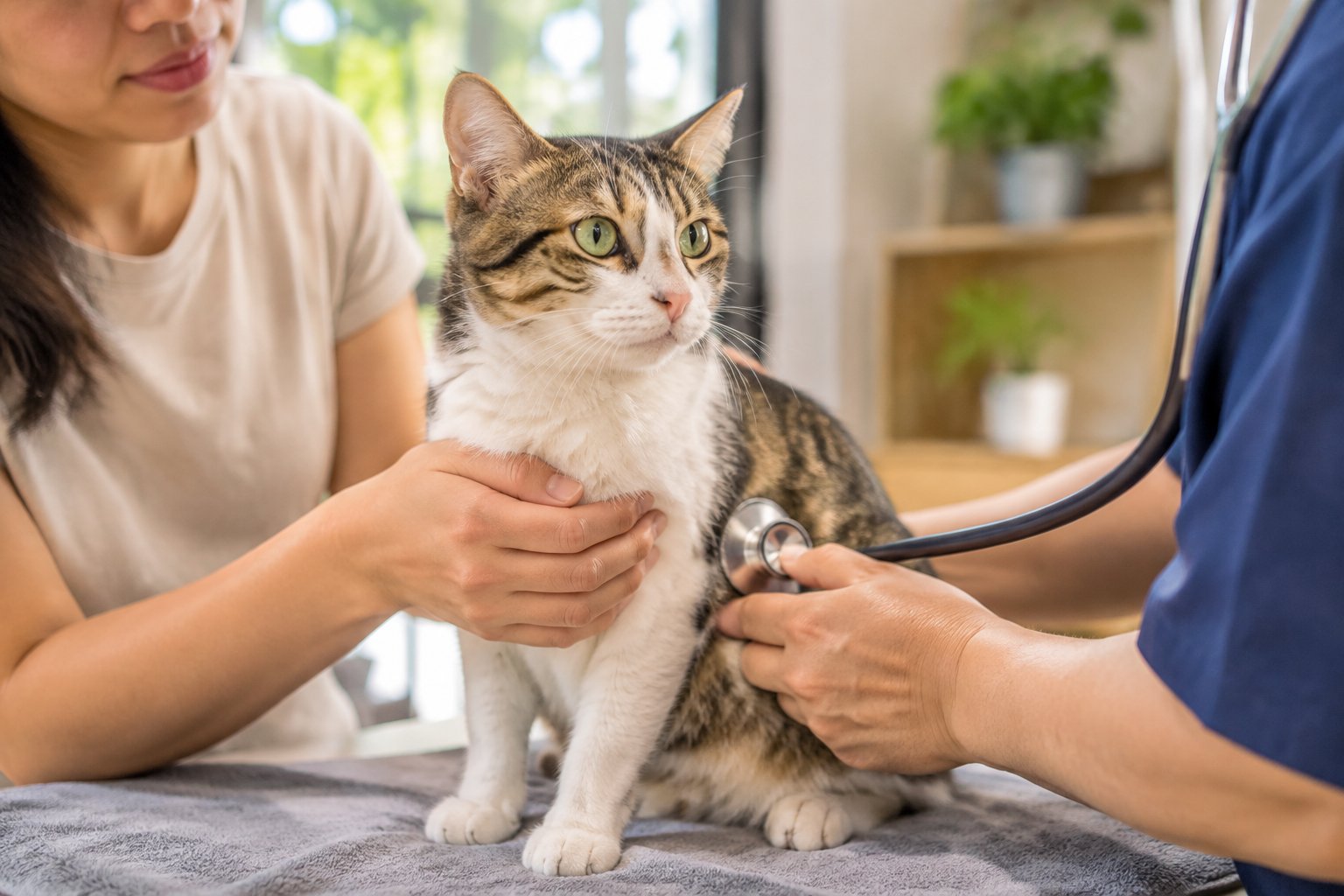
Understanding Kitten Teething
Kitten teething is a natural developmental stage when your young cat's baby teeth are replaced by permanent adult teeth. Just like human babies, kittens experience discomfort during this time. As a responsible pet owner in Malaysia, understanding what to expect and how to help can make this phase easier for both you and your kitten.
This guide covers the teething timeline, signs to watch for, practical relief strategies, dental care tips, and when to consult a veterinarian. We'll also address common concerns and provide a checklist to ensure your kitten stays healthy and comfortable.
The Teething Timeline: What to Expect
Kittens are born without teeth. Their baby teeth (deciduous teeth) begin to emerge around 2 to 4 weeks of age. By 6 to 8 weeks, they typically have a full set of 26 baby teeth. These tiny teeth are sharp and help them transition to solid food.
The teething process—when baby teeth fall out and adult teeth push through—usually starts around 3 to 4 months of age. The first teeth to go are often the incisors (small front teeth), followed by canines and premolars. By 6 to 7 months, most kittens have all 30 of their permanent teeth.
It's important to note that the timing can vary slightly between individual kittens. Some may start teething a bit earlier or later. If you have concerns about your kitten's dental development, consult your veterinarian.

Signs Your Kitten Is Teething
Recognizing the signs of teething can help you provide timely relief. Common indicators include:
- Excessive chewing: Your kitten may gnaw on everything from toys to furniture, fingers, and electrical cords. This is their way of soothing sore gums.
- Drooling: Increased saliva production is common as gums become inflamed.
- Swollen or red gums: You might notice redness or slight swelling around the gum line.
- Irritability: Teething can make kittens cranky and less tolerant of handling.
- Decreased appetite: Sore gums may make eating uncomfortable, so your kitten might eat less or refuse hard food.
- Mild bleeding: Occasionally, you may see a tiny amount of blood on toys or in saliva, which is usually normal.
- Loose teeth: You might find small teeth around the house or notice them hanging by a thread.
If your kitten shows severe signs like persistent bleeding, refusal to eat for more than 24 hours, or lethargy, contact your vet promptly.
How to Soothe a Teething Kitten
You can do several things to ease your kitten's discomfort during teething:
1. Provide Safe Chew Toys
Offer a variety of kitten-safe chew toys. Rubber toys with textured surfaces, soft plastic rings, and dental chews designed for kittens are good options. Avoid hard objects like bones, antlers, or ice cubes, which can fracture teeth. Also, steer clear of toys small enough to be swallowed.
2. Try Cold Therapy
Cold can numb sore gums. Soak a clean cloth in water, wring it out, and freeze it. Let your kitten gnaw on the frozen cloth under supervision. You can also freeze kitten-safe toys or offer a chilled (not frozen) carrot—but remove it once it becomes small enough to swallow.
3. Offer Soft Food
If your kitten seems reluctant to eat hard kibble, try mixing it with warm water or offering wet food. Ensure the food is specifically formulated for kittens to meet their nutritional needs. Always provide fresh drinking water.
4. Gently Massage the Gums
With clean hands, gently rub your kitten's gums in a circular motion. This can provide relief and also helps your kitten get used to having its mouth handled, making future dental care easier.
5. Keep Dangerous Items Out of Reach
Teething kittens explore with their mouths, so kitten-proof your home. Hide electrical cords, toxic plants, small objects, and anything else that could be harmful if chewed or swallowed.

Dental Care During Teething
Good dental hygiene should start early. Even during teething, you can gently brush your kitten's teeth using a soft kitten toothbrush and pet-safe toothpaste. Do not use human toothpaste, as it can be toxic to cats.
Start by letting your kitten lick the toothpaste off your finger, then gradually introduce the brush. Be patient and keep sessions short and positive. Brushing helps remove plaque and reduces the risk of dental disease later in life.
Common Dental Issues to Watch For
While teething is normal, some issues may arise:
- Retained baby teeth: Sometimes a baby tooth doesn't fall out before the adult tooth emerges, leading to a double tooth. This can cause crowding and misalignment. If you notice retained teeth after 6 months, consult your vet; extraction may be necessary.
- Gingivitis: Inflammation of the gums can occur if plaque builds up. Signs include red, swollen gums and bad breath. Regular brushing and vet check-ups help prevent this.
- Malocclusion: Improper alignment of teeth can affect eating and cause discomfort. Your vet can assess and advise.

When to See a Vet
Most teething kittens do fine with home care, but certain situations warrant a veterinary visit:
- Persistent bleeding from the mouth
- Severe swelling or redness of the gums
- Refusal to eat or drink for more than 24 hours
- Lethargy or signs of pain
- Retained baby teeth beyond 6 months of age
- Broken or damaged teeth
- Bad breath that persists
If you're unsure, it's always better to err on the side of caution and consult your veterinarian.
Teething and Behavior
Teething can affect your kitten's behavior. You might notice increased biting and chewing, which is normal. However, it's important to redirect this behavior to appropriate chew toys and discourage biting hands or feet. Use positive reinforcement and never punish your kitten physically.
Provide plenty of playtime and mental stimulation to keep your kitten occupied and reduce boredom-related chewing.

Nutrition for Teething Kittens
A balanced diet is crucial for growing kittens. Choose high-quality kitten food that meets AAFCO standards or equivalent. During teething, you can soften kibble with warm water or mix with wet food. Avoid giving cow's milk, as many cats are lactose intolerant. Fresh water should always be available.
Creating a Kitten-Safe Environment
Kitten-proofing your home is essential during teething. Here's a checklist:
- Secure electrical cords and cables
- Store toxic substances (cleaners, medications) out of reach
- Remove small objects that could be swallowed
- Hide hazardous plants (e.g., lilies, which are toxic to cats)
- Provide safe chew toys in every room
- Use baby gates to restrict access to dangerous areas
Comparison Table: Teething Relief Options
| Method | Pros | Cons |
|---|---|---|
| Chew toys | Safe, durable, provides exercise | May need rotation to keep interest |
| Frozen cloth | Inexpensive, soothing | Requires supervision, can get messy |
| Soft food | Easy to eat, nutritious | May not satisfy chewing urge |
| Gum massage | Bonding, immediate relief | Some kittens may resist |
| Dental chews | Helps clean teeth | Choose kitten-safe brands |
Local Considerations for Malaysian Cat Owners
In Malaysia's hot and humid climate, dental issues can be exacerbated. Ensure your kitten stays hydrated and maintain good oral hygiene. Regular vet check-ups are important. Additionally, many Malaysian homes have tiled floors, which can be slippery for young kittens; provide non-slip mats in play areas. If you live in an apartment, ensure your kitten has safe spaces to chew without disturbing neighbors.
Conclusion
Kitten teething is a temporary phase that requires patience and care. By understanding the timeline, recognizing signs, and providing appropriate relief, you can help your kitten through this discomfort. Remember to maintain good dental hygiene and consult your vet if any concerns arise. With proper care, your kitten will soon have a healthy set of adult teeth.
This article is for informational purposes only and does not replace professional veterinary advice. Always consult a licensed veterinarian for health concerns regarding your pet.
Related reading
- Kitten Care Guide Malaysia: 0–12 Month Feeding, Vaccination, Deworming & Growth Timeline
- Kitten Development for Cats in Malaysia: A Stage-by-Stage Guide
- Kitten Deworming for Kittens: A Complete Malaysian Guide
- Kitten Deworming in Malaysia: A Complete Guide for New Cat Owners
- Kitten Flea Treatment: A Complete Guide for Malaysian Owners
- Kitten Fleas in Malaysia: Safe Treatment for Tiny Cats
- Kitten Vaccination for Cat Owners: A Complete Malaysian Guide
- Nursing Cat Nutrition for Cat Owners: A Complete Malaysian Guide
- Cat Birth for Cat Owners: A Complete Guide to Labour, Delivery and Newborn Kittens
- Kitten Development for Cat Owners: A Complete Malaysian Guide
- Kitten Diarrhea: A Practical Guide for Malaysian Cat Owners



