
Why your kitten needs the right kind of energy
Kittens are not small cats. They are growing fast, building muscle, bone and brain connections, and learning how the world works. Their energy needs are high, but their stamina is short. That is why a kitten can tear around the room for five minutes and then collapse into a deep sleep.
If your kitten seems flat, the first step is not to force activity. It is to check whether something is wrong. A healthy kitten is curious, eats well, gains weight steadily and has active awake periods. A kitten that is unusually quiet, hides, stops eating or seems weak needs veterinary attention before any home energising plan.
This guide covers how to energise a kitten safely through nutrition, play, routine, environment and enrichment, with practical examples for Malaysian homes. It also explains what is normal kitten behaviour and when to see a vet.
First, rule out health problems
Before you try to boost your kitten's energy, make sure there is no medical reason for low activity. Kittens are small and can decline quickly. Common causes of lethargy include:
- Infections such as cat flu or gastrointestinal bugs
- Parasites like fleas, worms or coccidia
- Poor nutrition or feeding an inappropriate diet
- Pain from injury or dental problems
- Stress from a new home, loud noises or overcrowding
- Fever or dehydration
A kitten that is lethargic, not eating, vomiting, has diarrhoea, breathes fast or feels cold should see a vet. Do not wait to see if it improves on its own. Very young kittens can become dangerously weak within hours.
Once your vet confirms your kitten is healthy, you can focus on energising through daily care.
Feed for steady energy
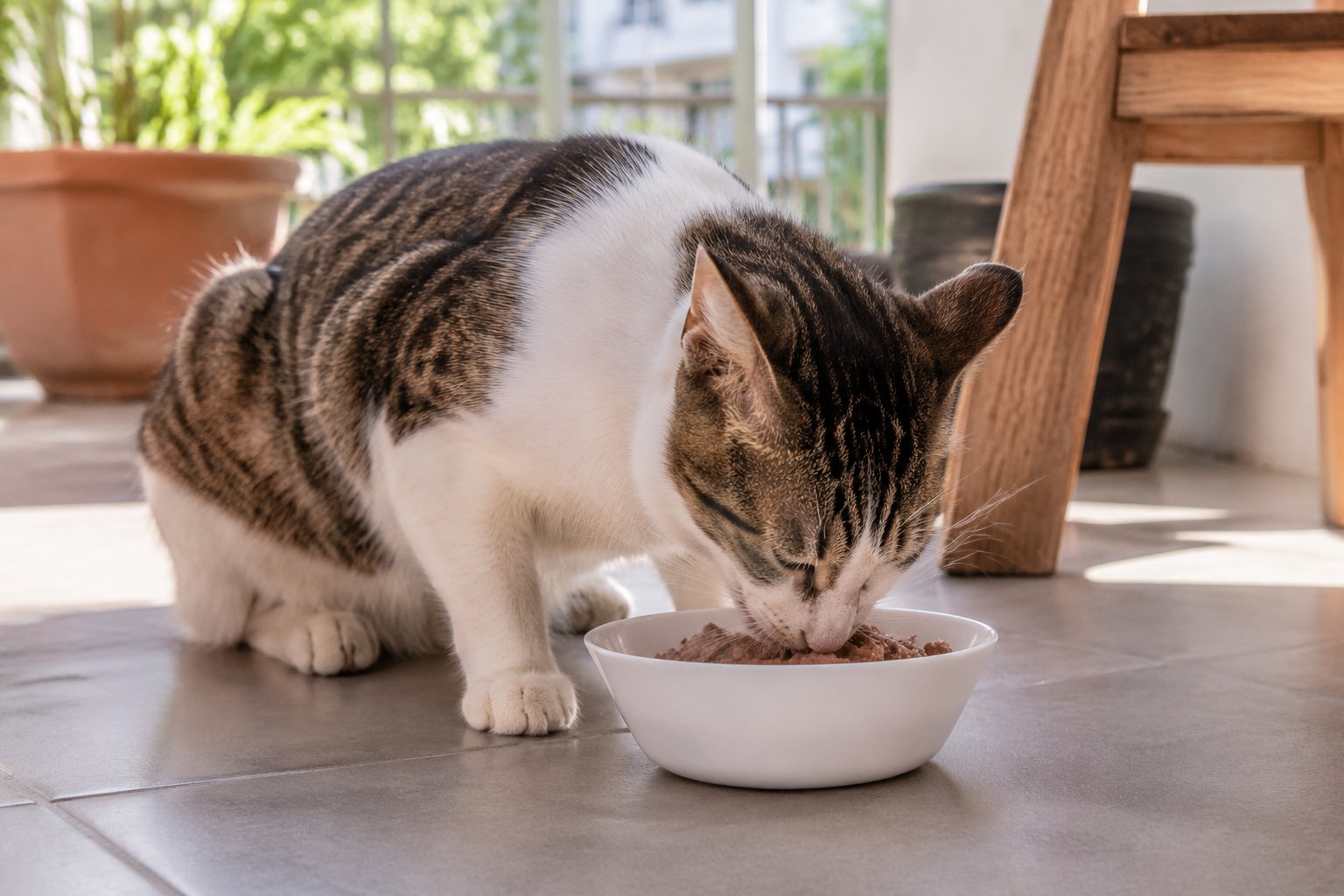
Food is the foundation of kitten energy. Kittens have small stomachs and high energy demands, so they need frequent small meals rather than one or two large ones.
Choose a complete kitten diet
Feed a diet labelled for kittens or for growth. These foods have the right balance of protein, fat, vitamins and minerals. Quality animal protein and fat provide sustained energy. Avoid feeding adult cat food as a staple, and do not rely on human food or treats for nutrition.
Meal frequency by age
| Kitten age | Suggested meals per day | Notes |
|---|---|---|
| 4–8 weeks | 4–6 small meals | Softened food or kitten mousse if weaning |
| 8–12 weeks | 4 meals | Keep portions small and fresh |
| 3–6 months | 3–4 meals | Growth is rapid; appetite is high |
| 6–12 months | 2–3 meals | Transition gradually to adult feeding schedule |
These are general guides. Ask your vet for a feeding plan based on your kitten's body condition and growth.
Water and hydration
Dehydration saps energy. Provide fresh water daily and consider wet food, which adds moisture. Some kittens prefer running water, so a pet water fountain can encourage drinking. In hot Malaysian weather, water bowls should be refreshed more often and placed in shaded areas.
Avoid sudden diet changes
Switching food abruptly can cause stomach upset, which reduces energy. Transition over several days by mixing increasing amounts of the new food with the old.
Build a daily play routine
Play is the most direct way to energise a kitten. It builds coordination, satisfies hunting instincts and strengthens your bond. But kittens play in short bursts, so keep sessions brief and frequent.
How much play?
Aim for several short sessions totalling roughly 30–60 minutes a day. Split this into 5–10 minute bursts. A good pattern is play before meals, then food, then grooming and rest. This mimics a natural hunt-eat-groom-sleep cycle.
Toys that work
- Wand toys with feathers or ribbons for chasing
- Small balls that roll unpredictably
- Crinkle toys for batting and pouncing
- Laser pointers used carefully—always finish with a physical toy so the kitten catches something
- Food puzzles for mental stimulation
Rotate toys every few days to keep them novel. Kittens lose interest in toys that are always available.
Play safely
Avoid string, ribbon or yarn left unsupervised—these can be swallowed and cause dangerous intestinal blockages. Put toys away after play. Never use your hands as toys, as this teaches biting.
Create an enriching environment
A kitten with nothing to do will sleep more and may become bored or stressed. Enrichment gives kittens reasons to move, explore and think.
Vertical space
Cats feel safer when they can climb and observe. Provide a sturdy cat tree, shelves or a window perch. In a Kuala Lumpur apartment, a window perch with a view can keep a kitten entertained for long periods. Ensure windows have secure screens.
Hiding and resting spots
Kittens need places to retreat. Boxes, tunnels and covered beds give them security. A confident kitten explores more and plays more.
Scratching and climbing
Scratching posts and climbing frames encourage stretching and movement. Place them near sleeping areas and furniture your kitten already uses.
Sensory enrichment
- Safe plants such as cat grass (check toxicity first)
- Cardboard boxes with holes cut out
- Paper bags with handles removed
- Food puzzles and treat-dispensing toys
A note on catnip
Many kittens under six months do not react to catnip. It is not a reliable way to energise a young kitten. Use interactive play and puzzles instead.
Keep a consistent routine
Kittens thrive on predictability. A regular routine of meals, play, grooming and rest helps them feel secure, and secure kittens are more active and confident.
A simple daily schedule might look like this:
- Morning: breakfast, brief grooming, short play session
- Midday: quiet rest, access to water and litter
- Afternoon: play session, food puzzle
- Evening: dinner, interactive play, grooming
- Night: quiet rest with access to safe sleeping spots
Adjust to your household. The key is consistency, not perfection.
Manage stress and environment
Stress drains energy. Common stressors for kittens include loud noises, unfamiliar pets, being handled roughly, a dirty litter box or lack of safe retreats.
Litter box basics
Provide at least one litter box per kitten, plus one extra if possible. Scoop daily and clean regularly. A dirty box can cause avoidance and stress.
Introductions
Introduce new pets slowly and supervise interactions. A frightened kitten will hide and sleep rather than play.
Handling
Teach children to handle kittens gently and allow the kitten to approach first. Short, positive handling sessions build confidence.
Heat and humidity
Malaysian weather can be hot and humid. Ensure your kitten has shaded, ventilated areas and fresh water. Avoid leaving a kitten in a hot room or car. Heat stress reduces activity and can be dangerous.
Grooming and gentle stimulation
Gentle grooming can energise a kitten by stimulating circulation and bonding. Use a soft brush and keep sessions short. Many kittens enjoy being brushed around the cheeks and back.
You can also encourage movement with gentle voice encouragement and by scattering kibble or treats in a safe area for the kitten to find. This turns feeding into a game.
Social play with other kittens
If you have more than one kitten, supervised social play is excellent exercise. Kittens learn bite inhibition and social skills from each other. Monitor play and separate them if one is consistently hiding or being pinned.
If you have a single kitten, consider whether a compatible playmate is feasible. Do not add a kitten solely to fix energy levels—consider your time, space and budget first.
Malaysian home examples
Kuala Lumpur apartment
In a high-rise apartment, space may be limited. Use vertical space: a cat tree by a screened window, shelves at different heights and a tunnel in the hallway. Schedule play sessions before you leave for work and after you return. Food puzzles can keep a kitten busy during the day. Keep the air-conditioning at a comfortable level and provide a warm, draft-free sleeping spot.
Johor terrace house
A terrace house may have more rooms and a garden. Ensure windows and doors are screened so the kitten cannot escape. Use a safe, enclosed outdoor area only if it is secure and supervised. Provide shade and water in warmer areas of the house. Rotate toys between rooms to encourage exploration.
Comparison: energising strategies at a glance
| Strategy | What it does | Effort | Best for |
|---|---|---|---|
| Frequent small meals | Provides steady energy | Moderate | All kittens |
| Short interactive play | Builds fitness and excitement | Low | Bored or sluggish kittens |
| Food puzzles | Mental stimulation | Low | Indoor apartments |
| Vertical space | Encourages climbing | Moderate | Limited floor space |
| Routine | Reduces stress | Low | New kittens |
| Social play | Exercise and social skills | Moderate | Multi-kitten homes |
When to see a vet
See a vet if your kitten shows any of these signs:
- Lethargy that lasts more than a day or is worsening
- Refusing food or water
- Vomiting or diarrhoea
- Breathing difficulty or fast breathing
- Pale or white gums
- Fever or feeling cold
- Hiding constantly or crying when handled
- Not gaining weight or losing weight
- Discharge from eyes or nose
- Straining to urinate
Kittens can deteriorate quickly. When in doubt, call your vet. Do not try to energise a sick kitten with play or extra food before getting medical advice.
A simple weekly energising checklist
- Feed kitten-appropriate meals at consistent times
- Refresh water daily and check hydration
- Do at least three short play sessions daily
- Rotate toys and introduce a puzzle feeder
- Check litter box cleanliness
- Provide vertical space and hiding spots
- Groom gently and check for fleas or ticks
- Observe appetite, weight and activity
- Schedule routine vet checks and vaccinations
Final thoughts
Energising a kitten is about meeting its needs, not forcing activity. Good nutrition, frequent short play, a safe enriched environment and a predictable routine will help a healthy kitten thrive. If your kitten is unwell, veterinary care comes first. With patience and consistency, most kittens will show you their natural energy soon enough.
This article is for general information only and is not a substitute for veterinary advice. Always consult a licensed veterinarian for diagnosis and treatment of your kitten.
Related reading
- Kitten Care Guide Malaysia: 0–12 Month Feeding, Vaccination, Deworming & Growth Timeline
- Kitten Feeding Amounts in Malaysia: How Much to Feed a Kitten at Every Stage
- Kitten Development for Cat Owners: A Complete Malaysian Guide
- Kitten Diarrhea: A Practical Guide for Malaysian Cat Owners
- Kitten Feeding Amounts: A Complete Guide for Malaysian Owners
- Kitten First Vet Visit: A Complete Guide for Malaysian Owners
- Kitten Food Transition for Kittens: A Complete Malaysian Guide
- Kitten Food Transition in Kittens Malaysia: A Safe Step-by-Step Guide
- Kitten Play Biting in Kittens Malaysia: Why It Happens and How to Stop It
- Kitten Sleep Needs: A Complete Guide for Malaysian Owners
- Kitten Socialization for Kittens: A Complete Malaysian Guide
- Kitten Socialization in Malaysia: A Practical Guide for Raising a Confident Cat



