
Quick answer
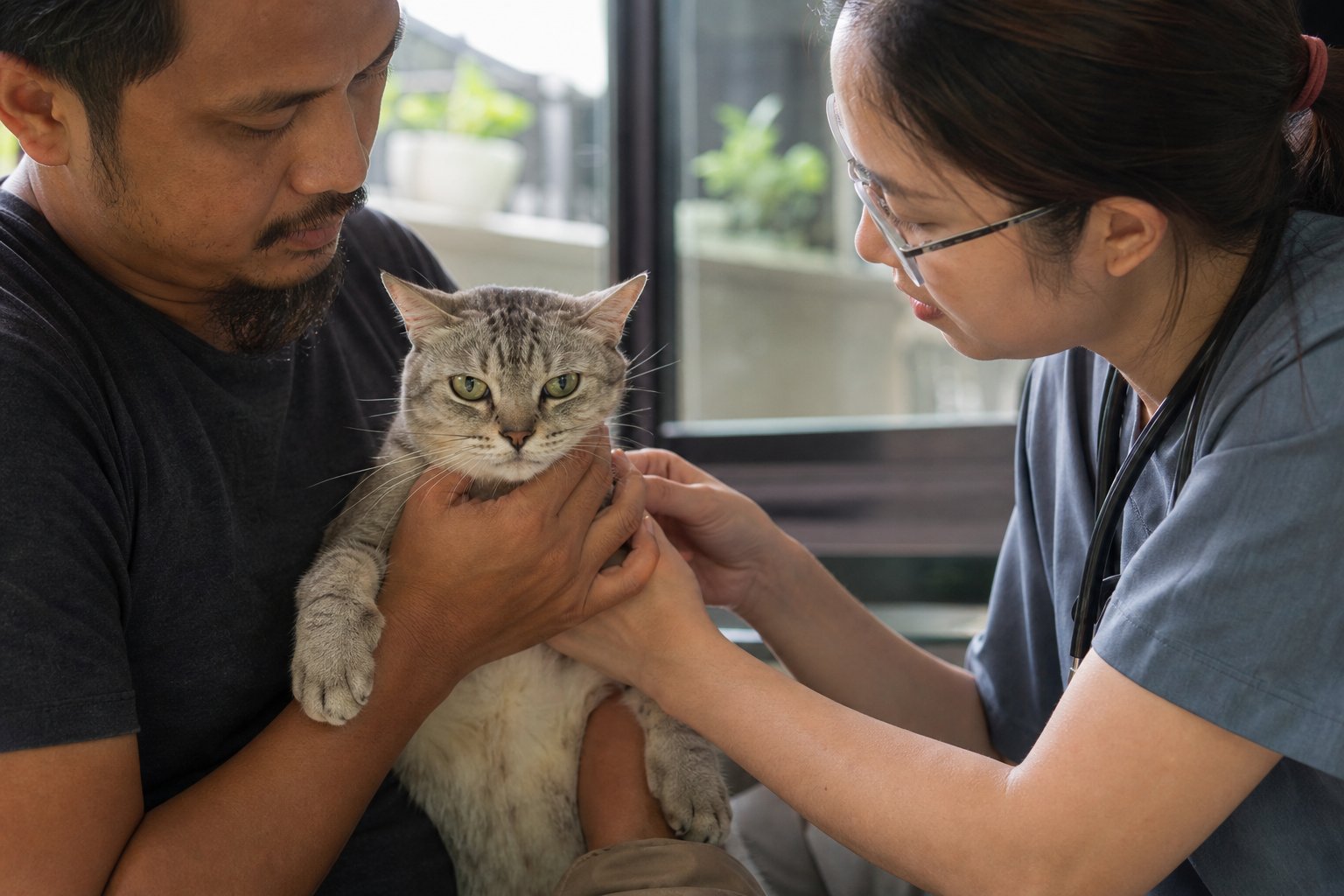
Kitten teething is the normal process where 26 baby teeth are replaced by 30 adult teeth, usually between 3 and 7 months of age. Most kittens show mild signs: chewing, drooling, and tender gums. You can manage it at home with safe chew toys and soft food, but see a vet if bleeding, swelling, or retained baby teeth appear.
What is kitten teething?
Teething is simply the transition from baby (deciduous) teeth to permanent adult teeth. Kittens are born without visible teeth. Their baby teeth start emerging around 2–4 weeks of age, and by about 6–8 weeks they have a full set of 26 baby teeth. These small, sharp teeth are why kitten bites feel so needle-like.
Around 3–4 months, the roots of the baby teeth begin to resorb and the teeth loosen. Adult teeth push through in a set order: incisors first, then canines, premolars, and finally molars. By 6–7 months, most kittens have all 30 adult teeth. The teething window is therefore roughly 3 to 7 months, though individual kittens vary.
This is a normal developmental stage, not an illness. However, it can be uncomfortable, and it overlaps with other milestones such as vaccination boosters and the start of sexual maturity, so it is a busy time for both kitten and owner.
When does teething happen? A timeline
| Age | Dental stage | What you may notice |
|---|---|---|
| Birth–2 weeks | No visible teeth | Gums only |
| 2–4 weeks | Baby incisors emerge | Tiny front teeth |
| 3–4 weeks | Baby canines emerge | Sharp little fangs |
| 4–6 weeks | Baby premolars emerge | Full set of 26 baby teeth by ~8 weeks |
| 3–4 months | Baby teeth start loosening | Chewing, drooling begins |
| 4–5 months | Adult incisors and canines erupt | Most active teething signs |
| 5–6 months | Adult premolars and molars erupt | Continued chewing, possible appetite changes |
| 6–7 months | All 30 adult teeth present | Teething usually complete |
This timeline is a general guide. Some kittens start a little earlier or finish a little later. If your kitten is significantly outside this range, or if you are unsure, ask your vet during a routine visit.
Signs your kitten is teething
Teething signs are usually mild and easy to recognise once you know what to look for. Common signs include:
- Excessive chewing: Your kitten may gnaw on fingers, furniture, cables, shoes, or toys more than usual.
- Drooling: A little drool is normal, especially when adult teeth are pushing through.
- Sore or red gums: Gums may look slightly swollen or pinker than usual.
- Reduced appetite or fussy eating: Hard kibble may be uncomfortable, so some kittens prefer softer food for a few days.
- Mild fussiness or irritability: Your kitten may seem more restless or vocal than usual.
- Tiny blood spots: You might see a small amount of blood on a chew toy or in the water bowl. A few spots are usually not concerning, but persistent bleeding warrants a vet check.
- Bad breath: Mild bad breath can occur as teeth loosen and gums change.
- Pawing at the mouth: Some kittens paw at their mouth or rub their face more often.
Not every kitten shows all these signs. Some breeze through teething with barely a symptom, while others are noticeably uncomfortable.
How to soothe a teething kitten
You cannot stop teething, but you can make it more comfortable. Here are practical steps:
- Offer safe chew toys. Choose cat-specific toys that are soft enough to give but firm enough to satisfy chewing. Rubber or silicone teething toys designed for kittens work well. Avoid hard plastic, cooked bones, and small objects that can break off and be swallowed.
- Try chilled toys. Place a safe chew toy in the fridge (not the freezer) for about 20–30 minutes. Cold can numb sore gums. Never freeze a toy rock-hard, as it can damage teeth or gums.
- Use a damp cloth. A clean, damp cloth twisted into a rope and chilled can be a satisfying chew. Supervise your kitten so it does not swallow the cloth.
- Soften food if needed. If your kitten seems reluctant to eat hard kibble, offer wet food or slightly softened kibble for a few days. Make sure fresh water is always available.
- Protect your home. Cover cables, put away shoes and small objects, and provide acceptable alternatives to furniture legs. Redirect chewing to toys rather than punishing your kitten.
- Keep up gentle dental care. If your kitten is comfortable, continue gentle gum massage or tooth brushing with a cat-safe toothbrush and toothpaste. This builds good habits for later life.
- Avoid human teething gels. Never use human teething gels or painkillers on a kitten unless your vet specifically prescribes them. Some ingredients are toxic to cats.
What to avoid during kitten teething
Some common household items are dangerous for teething kittens:
- Cooked bones: They can splinter and cause serious internal injury.
- Hard plastic or antlers: These can fracture teeth.
- String, ribbon, and yarn: These can cause linear foreign bodies if swallowed.
- Small toys or parts: These are choking hazards.
- Human painkillers: Paracetamol and ibuprofen are toxic to cats.
- Human teething gels: These may contain ingredients unsafe for cats.
- Pulling loose teeth: Let baby teeth fall out naturally.

Teething and your kitten's diet
Most kittens can continue eating their normal diet during teething. However, if you notice your kitten chewing on one side, dropping food, or eating less, a temporary switch to softer food can help. Wet food or kibble softened with warm water is easier on sore gums.
Make sure your kitten is still eating and drinking enough. A kitten that refuses food for more than 24 hours should be seen by a vet, as young kittens can become weak quickly. Fresh water should always be available, and you can offer it in a shallow bowl to make drinking easier.
Once teething is over, you can transition back to your kitten's regular diet. If you are unsure about the right diet for your kitten's age, ask your vet for guidance.
Dental care during and after teething
Teething is a good time to start gentle dental care. Once your kitten is comfortable, you can introduce a soft cat toothbrush and cat-specific toothpaste. Never use human toothpaste, as it contains fluoride and other ingredients that are not safe for cats.
After teething is complete, regular dental checks become part of routine care. Your vet can check for retained baby teeth, misaligned teeth, and early signs of dental disease during annual health checks. Some cats are prone to dental problems later in life, so building good habits early is worthwhile.
When to see a vet
Most teething is mild, but some situations need professional attention. See a vet if you notice:
- Persistent bleeding from the mouth or gums.
- Swollen, very red, or painful gums.
- Retained baby teeth: If a baby tooth remains next to an adult tooth beyond about 7 months, it may need to be removed to prevent crowding and dental problems.
- Refusal to eat for more than 24 hours.
- Signs of pain: Crying while eating, pawing at the mouth, or reluctance to be touched around the face.
- Bad breath that is severe or worsening.
- Loose teeth that do not fall out or that seem to cause discomfort.
- Any swelling on the face or jaw.
If you are unsure, it is always better to ask your vet. Early checks can catch problems before they become serious.
Teething in the Malaysian context
Malaysia's warm, humid climate can affect your kitten's comfort and hygiene during teething. Here are a few local considerations:
- Humidity and drool: In humid weather, drool can accumulate around the mouth and chin. Gently wipe your kitten's chin with a clean, damp cloth to prevent skin irritation.
- Indoor vs outdoor: Kittens in apartments, such as a Kuala Lumpur apartment, may have less access to natural chewing materials. Provide plenty of safe indoor chew toys. In a Johor terrace house, ensure your kitten does not chew on garden plants, which may be toxic.
- Rainy season: During Penang's rainy season, indoor play and chew toys become even more important if your kitten spends more time indoors. Keep toys clean and dry to prevent mould.
- Vet access: Veterinary clinics are available in most Malaysian towns and cities. If you are unsure about your kitten's teething, call ahead to ask whether the clinic handles kitten dental checks.
- Local products: Pet shops in Malaysia stock a range of kitten toys and dental products. Prices vary, so ask your local retailer or vet for recommendations suitable for your kitten's size and age.
How teething fits into your kitten's overall care
Teething overlaps with other important kitten milestones. By the time teething starts, your kitten should be up to date with vaccinations and deworming according to your vet's schedule. Teething is also a good time to continue socialisation and gentle handling, including touching the mouth and gums, so your kitten learns that mouth handling is normal.
If your kitten is due for a vaccination booster during teething, mention any mouth discomfort to your vet. They can check the teeth and gums during the same visit. In Malaysia, your vet can also advise on parasite prevention and general kitten care appropriate for the local environment.
Comparison: normal teething vs. something more serious
| Sign | Usually normal teething | Worth a vet visit |
|---|---|---|
| Chewing | Increased chewing on toys | Chewing walls or self-harm |
| Drooling | Mild drool | Heavy drooling or inability to swallow |
| Appetite | Slightly reduced for a day or two | Refusing food over 24 hours |
| Gums | Mildly red or swollen | Very red, bleeding, or painful |
| Teeth | Baby teeth loosen and fall out | Retained baby teeth beyond 7 months |
| Behaviour | Mild fussiness | Crying, pawing at mouth, lethargy |
| Breath | Mild bad breath | Severe or worsening bad breath |
Practical checklist for Malaysian kitten owners
- Note your kitten's age and expected teething window.
- Stock safe chew toys, including a chilled option.
- Check toys regularly for damage and replace them.
- Keep cables and small objects out of reach.
- Offer soft food if your kitten seems uncomfortable.
- Wipe drool from the chin in humid weather.
- Continue gentle mouth handling and dental care.
- Book a vet check if you notice any warning signs.
- Ask your vet about retained baby teeth at the 6–7 month mark.
Conclusion
Kitten teething is a normal, temporary phase that usually passes without problems. By understanding the timeline, recognising the signs, and providing safe chew toys and gentle care, you can help your kitten through it comfortably. In Malaysia's climate, a little extra attention to hygiene and indoor enrichment goes a long way. When in doubt, your vet is the best source of advice for your individual kitten.
This article is for general information only and is not a substitute for veterinary advice. Always consult a licensed veterinarian for diagnosis and treatment of your kitten.
Related reading
- Kitten Care Guide Malaysia: 0–12 Month Feeding, Vaccination, Deworming & Growth Timeline
- Kitten Development for Cat Owners: A Complete Malaysian Guide
- Kitten Development for Cats in Malaysia: A Stage-by-Stage Guide
- Kitten Flea Treatment in Kittens Malaysia: Safe Options by Age
- Cat Birth for Cat Owners: A Complete Guide to Labour, Delivery and Newborn Kittens
- Kitten Deworming for Kittens: A Complete Malaysian Guide
- Kitten Deworming in Malaysia: A Complete Guide for New Cat Owners
- Kitten Diarrhea: A Practical Guide for Malaysian Cat Owners
- Kitten Feeding Amounts: A Complete Guide for Malaysian Owners
- Kitten First Year Checklist in Malaysia: Supplies, Vet Schedule and Monthly Milestones



