
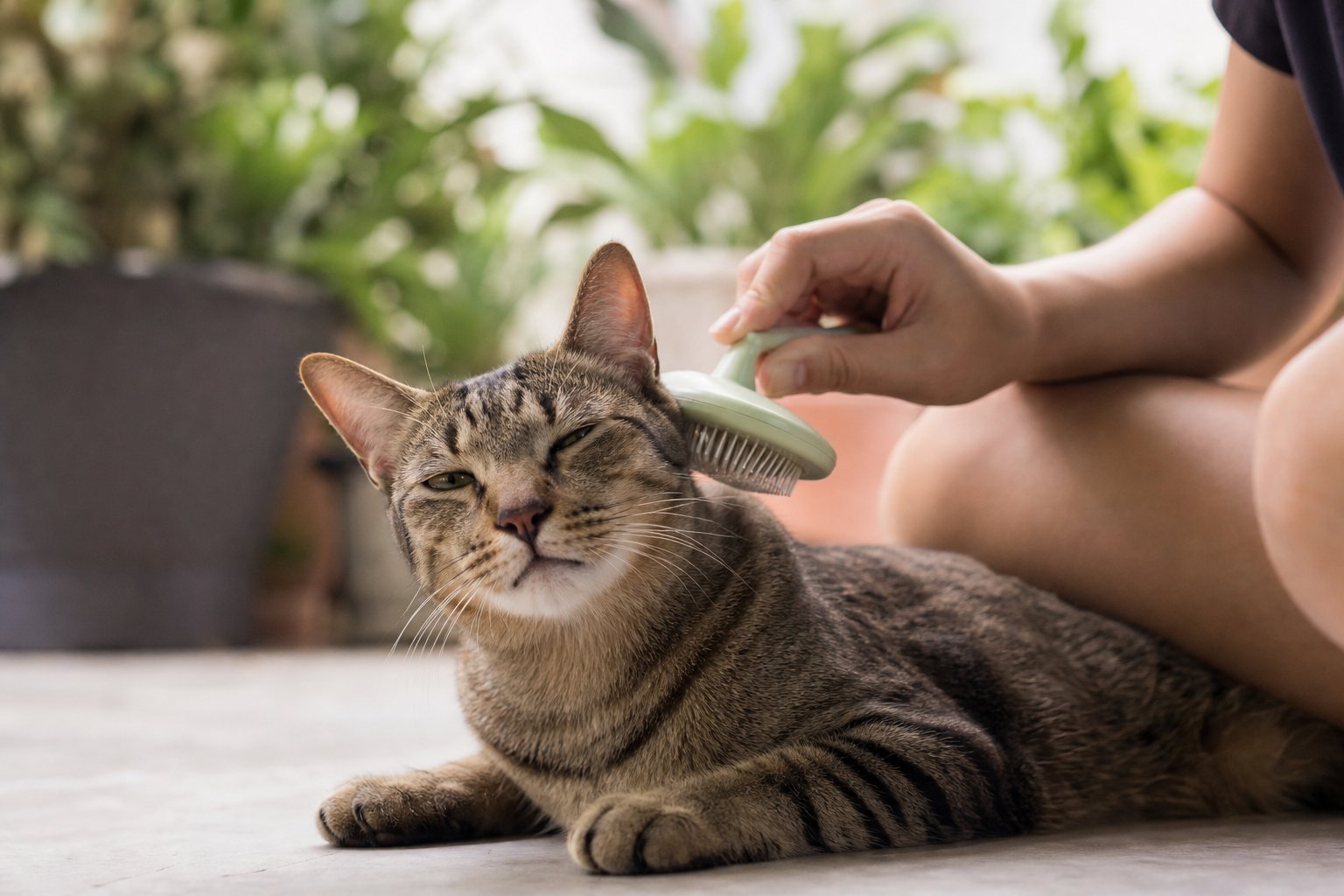
The short answer
Kittens are naturally clean animals, but they still need your help—especially in Malaysia's warm, humid climate, where shedding, matting and skin issues can build up quickly. A simple routine of brushing, nail checks, ear checks and occasional bathing, started gently in the first weeks, sets your kitten up for a lifetime of stress-free grooming.
This guide covers what to do, how often, and when grooming becomes a health matter rather than a cosmetic one.
Why kitten grooming matters in Malaysia
Malaysia's climate is a double-edged sword for cat coats. High humidity and warm temperatures mean many cats shed continuously rather than in one seasonal moult. That loose fur ends up on furniture, in the litter box and, if swallowed during self-grooming, in the stomach as hairballs.
Indoor living adds another factor. Air-conditioned apartments can dry out a kitten's skin, while humid, poorly ventilated spaces encourage fungal skin problems and ear issues. Regular grooming lets you notice these early—a small patch of scaly skin or a bit of dark earwax is far easier to manage when caught in week one rather than month three.
Grooming is also a bonding activity. A kitten that learns to tolerate brushing and paw handling becomes an adult cat that is easier to examine at the vet, easier to medicate, and far less likely to scratch during a nail trim.
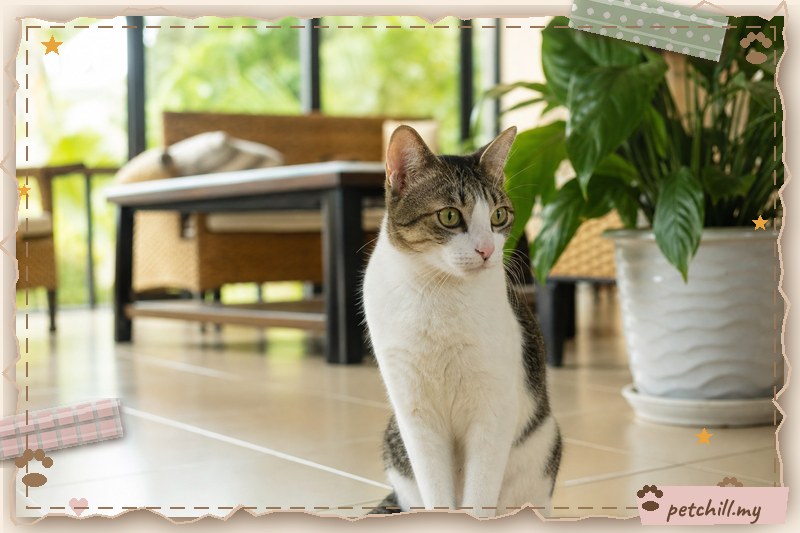
When to start grooming a kitten
Start as soon as your kitten is comfortable with you—often around eight to ten weeks, once they have settled into the home. You do not need to do everything at once. The goal in the first month is familiarity, not perfection.
A sensible progression looks like this:
- Week 1–2: Gentle stroking, touching paws, lifting the tail briefly, looking inside ears without cleaning.
- Week 3–4: Introduce a soft brush for 30–60 seconds, then a treat.
- Week 5–6: Add nail handling—press a paw pad gently to extend a claw, then reward.
- Week 7–8: First nail trim (just the tips), first ear wipe with a damp cloth.
- Later: Full brushing routine, bath only if needed.
Keep every session under five minutes at first. Kittens have short attention spans, and a session that ends on a good note is worth more than a thorough one that ends in a struggle.
Brushing: the core of kitten grooming
Brushing is the single most useful grooming habit. It removes loose fur before your kitten swallows it, distributes natural oils, and gives you a chance to check for lumps, fleas and skin changes.
Choosing a brush
| Coat type | Recommended tool | Frequency | Notes |
|---|---|---|---|
| Short, smooth coat | Rubber curry brush or soft bristle brush | 2–3 times weekly | Gentle; most kittens accept it quickly |
| Short, dense coat | Fine-toothed metal comb plus bristle brush | 2–3 times weekly | Comb first to lift loose undercoat |
| Semi-long coat | Wide-toothed comb plus slicker brush | Every 1–2 days | Focus on armpits, belly and behind ears |
| Long coat | Wide-toothed comb, slicker brush, detangling comb | Daily | Matting forms fast in humid weather |
Avoid harsh wire slickers on very young kittens; their skin is thin and easily scratched. A soft rubber brush is a good first tool for almost any coat.
How to brush a kitten
- Let your kitten sniff the brush and reward calm curiosity.
- Start at the shoulders and back, brushing in the direction the fur grows.
- Move to the flanks, then the belly if your kitten allows it.
- Check the armpits, behind the ears and the base of the tail—common mat spots.
- Finish with a treat and praise.
If you hit a tangle, do not pull. Hold the fur above the knot and tease it apart with your fingers or a comb, or snip it carefully with blunt-nosed scissors well away from the skin. Severe matting is best handled by a vet or professional groomer rather than a struggle at home.
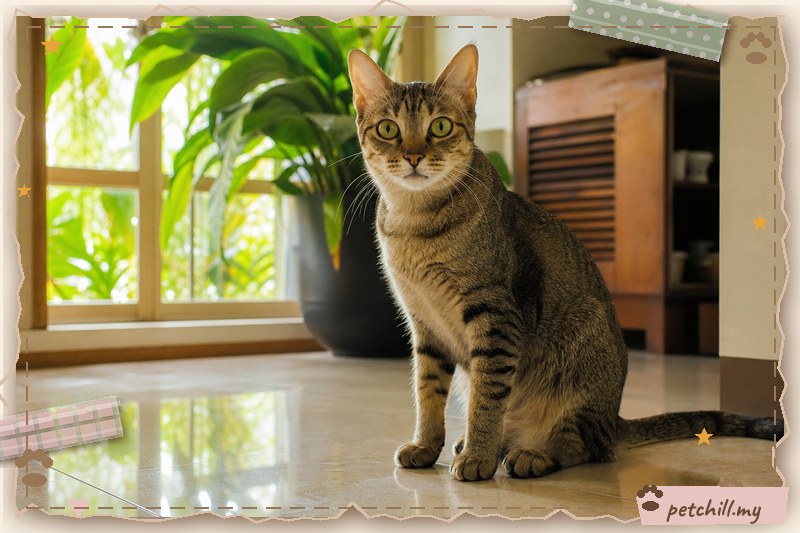
Nail trimming for kittens
Kitten nails grow quickly and are needle-sharp. Trimming every two to three weeks protects your furniture, your skin and—importantly—your kitten's own eyes during play.
Step by step
- Choose a quiet moment when your kitten is sleepy or relaxed.
- Hold a paw gently and press the pad to extend a claw.
- Look for the pink quick inside the nail. On clear nails it is visible; on dark nails, trim only the very tip.
- Use small kitten nail clippers and take off just the curved tip.
- Reward after each paw, not just at the end.
If you are unsure, ask your vet or a vet nurse to show you once. Cutting into the quick is painful and causes bleeding, and a bad first experience can make nail trims difficult for years.
Never use human nail clippers—they crush the nail rather than cut it cleanly.
Ear cleaning and checking
Healthy kitten ears are pale pink inside, clean and odourless. A weekly check is enough for most kittens.
- Wipe the visible outer ear flap with a soft cloth dampened with warm water or a vet-recommended ear cleaner.
- Never insert cotton buds into the ear canal; you risk pushing debris deeper or damaging the eardrum.
- Do not use home remedies such as oil, vinegar or alcohol unless your vet has advised them.
Dark, coffee-ground-like discharge, redness, swelling, head shaking or a yeasty smell can indicate ear mites or infection. These need veterinary treatment, not more cleaning.
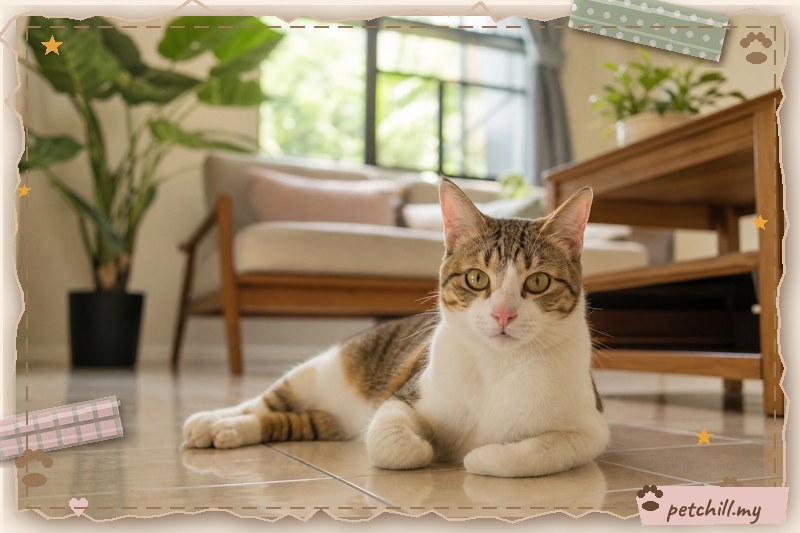
Bathing a kitten: how often and how
Most kittens do not need frequent baths. Cats groom themselves effectively, and over-bathing strips natural oils and can dry the skin—particularly in air-conditioned homes.
Bathe only when there is a reason: a messy accident, fleas (using a vet-approved flea shampoo), or a coat that has become greasy or soiled. For most indoor kittens, that means every few months at most.
Safe bathing steps
- Wait until your kitten is at least eight weeks old and in good health.
- Brush out tangles first; water tightens mats.
- Use a shallow basin with lukewarm water—never hot.
- Use a kitten-safe or cat-specific shampoo. Human shampoo is too harsh.
- Wet the body, avoiding the eyes, nose and ear canals.
- Lather gently, rinse thoroughly—residue causes itching.
- Wrap in a towel and pat dry, then keep your kitten in a warm room until fully dry.
Avoid bathing a kitten that is unwell, very young, or recently vaccinated without your vet's advice. In Malaysia's humidity, a damp coat left wet can chill a small kitten, so thorough drying matters.
Eyes, teeth and paws
Grooming is a good moment to check the whole kitten.
- Eyes: A little sleep in the corner is normal. Wipe gently outward with a damp cotton pad. Persistent discharge, squinting or redness needs a vet.
- Teeth: Start brushing early with a soft kitten toothbrush and pet-safe toothpaste. Even a few seconds a day helps. Never use human toothpaste.
- Paws: Check paw pads for cuts, foreign objects or dried litter. Trim tufts of fur between the pads on long-haired kittens if they collect litter.
Fleas, ticks and grooming in a tropical climate
Malaysia's warmth means fleas and ticks can be active year-round. Grooming is your early-warning system: you may spot flea dirt (small dark specks that turn reddish when wet) or a tick attached near the ears or neck.
Use only flea products labelled for kittens and check the age and weight limits on the packet. Many adult flea treatments are toxic to young kittens. If you find fleas, ask your vet for a kitten-safe plan rather than guessing.
Common grooming mistakes
- Doing too much at once. A full brush, nail trim and bath in one session overwhelms a kitten.
- Punishing resistance. Hissing or swatting during grooming should be met with a pause, not discipline.
- Using human products. Shampoo, toothpaste and ear drops made for people can harm kittens.
- Ignoring matting. Mats trap moisture and can hide skin infections.
- Bathing too often. It dries the coat and skin, especially in air-conditioned rooms.
- Skipping the vet check. Sudden coat changes, bald patches or excessive scratching are medical signs, not grooming problems.
A sample weekly grooming routine
| Day | Task | Time |
|---|---|---|
| Monday | Brush and skin check | 3–5 min |
| Tuesday | Paw handling and treat practice | 1–2 min |
| Wednesday | Brush and ear check | 3–5 min |
| Thursday | Nail trim (every 2–3 weeks) | 2–3 min |
| Friday | Brush and eye wipe | 3–5 min |
| Saturday | Teeth brushing practice | 1 min |
| Sunday | Rest or gentle stroke-down | 1 min |
Adjust to your kitten's coat and tolerance. The table is a guide, not a rule.
When to see a vet
Grooming is not a substitute for veterinary care. See a vet if you notice:
- Bald patches, crusting, redness or a spreading rash
- Dark ear discharge, head shaking or ear odour
- Fleas that persist despite kitten-safe treatment
- A kitten that stops grooming itself, or grooms obsessively to the point of baldness
- Matted fur that cannot be gently combed out
- Bleeding or pain during nail trimming
- Discharge from the eyes or nose, or a kitten that seems unwell
- Any lump, wound or swelling found during grooming
A kitten that suddenly resists being touched may be in pain. Grooming checks are a good way to catch that early.
Building a grooming kit
You do not need much. A basic kit includes:
- Soft bristle or rubber brush
- Fine-toothed metal comb
- Kitten nail clippers
- Soft cloth or cotton pads for ears and eyes
- Kitten-safe shampoo
- Kitten toothbrush and pet toothpaste
- Treats for rewards
Store everything together so grooming is quick and calm. Local prices vary, so compare pet retailers and ask your vet what they recommend for your kitten's coat type.
Final thoughts
Kitten grooming in Malaysia is less about perfection and more about consistency. Short, positive sessions several times a week will keep your kitten's coat healthy, reduce hairballs, and make vet visits easier. Watch for changes, use kitten-safe products, and treat grooming as a health check as much as a beauty routine.
This article provides general information only and is not a substitute for veterinary advice. Always consult a licensed veterinarian about your kitten's health, skin, ears or grooming products.
Related reading
- Kitten Care Guide Malaysia: 0–12 Month Feeding, Vaccination, Deworming & Growth Timeline
- Kitten Development for Cats in Malaysia: A Stage-by-Stage Guide
- Kitten Deworming for Kittens: A Complete Malaysian Guide
- Kitten Deworming in Malaysia: A Complete Guide for New Cat Owners
- Kitten Flea Treatment: A Complete Guide for Malaysian Owners
- Kitten Fleas in Malaysia: Safe Treatment for Tiny Cats
- Kitten Month-by-Month Guide for Malaysian Owners: Growth Milestones, Weight Checks and Care Checklist
- Kitten Sleep Needs in Kittens Malaysia: How Much Sleep Do Kittens Need?
- Kitten Teething for Kittens: A Complete Guide for Malaysian Owners
- Kitten Vaccination for Cat Owners: A Complete Malaysian Guide



