
The short answer
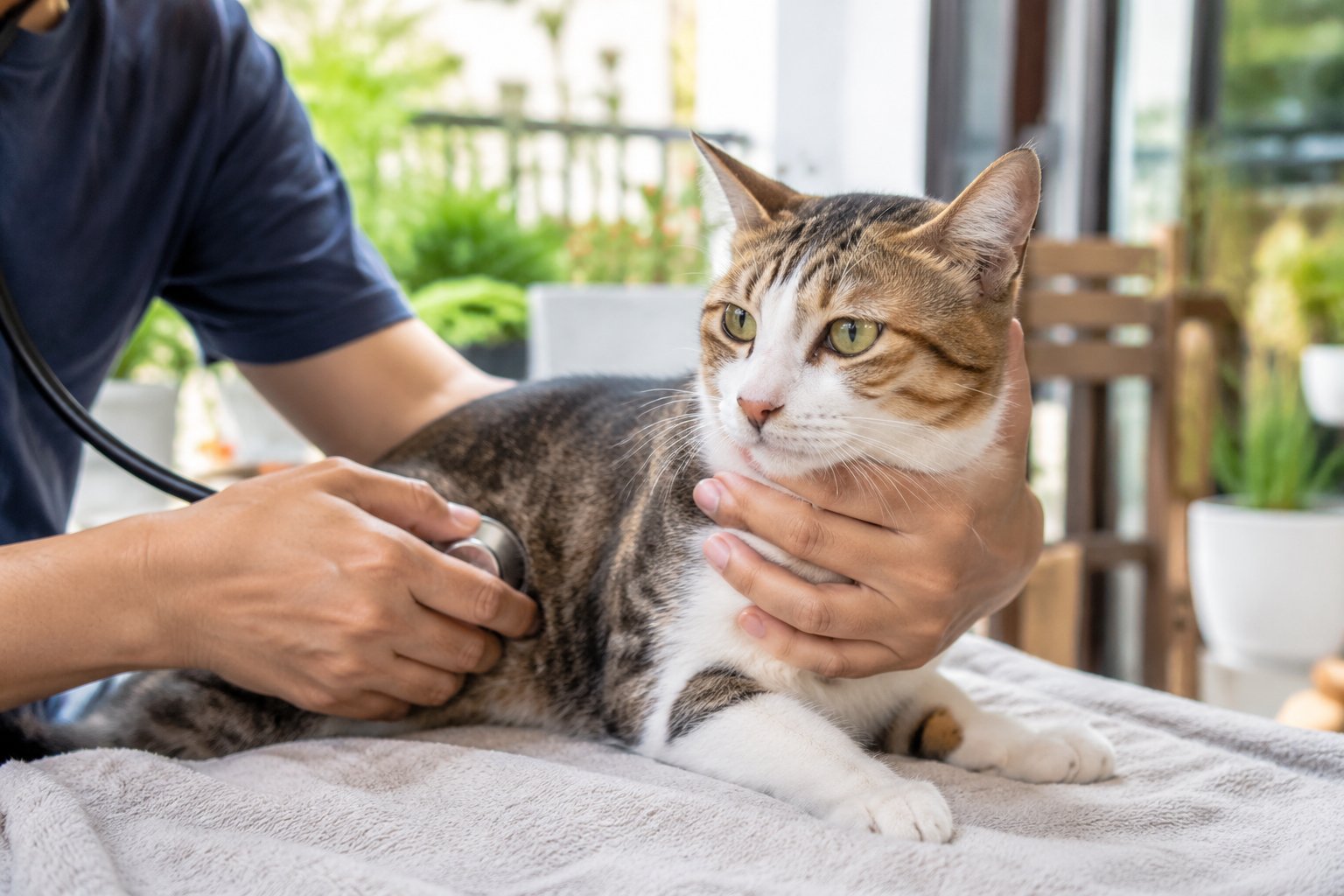
Kitten vaccination is the single most effective health step you can take for a new cat. In Malaysia, the standard core course begins at 6–8 weeks of age, repeats every 3–4 weeks until the kitten is at least 16 weeks old, and is followed by a booster at 12 months. Core vaccines cover feline panleukopenia (feline parvovirus), feline herpesvirus and feline calicivirus. Rabies vaccination is added where required or recommended. Until the course is finished, keep your kitten indoors and away from unknown cats.
This guide explains what each vaccine does, how to plan the schedule around real Malaysian homes, what side effects to watch for, and the questions worth asking your vet before you pay for anything.
Why kittens need a series, not a single shot
A newborn kitten gets temporary protection from antibodies in the mother's colostrum. That protection is valuable, but it is also unpredictable. If the mother's antibody level is high, it can block the vaccine from working; if it is low, the kitten is vulnerable earlier. Because no one can measure this reliably in a routine clinic visit, vets give a series of doses spaced a few weeks apart. The idea is simple: at least one dose should land in the window after maternal antibodies fade and before the kitten meets the real virus.
That is why a single injection is not enough. A kitten vaccinated once at 8 weeks may still be unprotected at 14 weeks. Finishing the course at 16 weeks or later closes that gap.
The core vaccines and what they protect against
| Vaccine | Protects against | Notes |
|---|---|---|
| Feline panleukopenia (FPV) | A severe parvovirus-like illness causing vomiting, diarrhoea and low white cells | Often the most life-threatening of the core diseases; survives in the environment for months |
| Feline herpesvirus (FHV-1) | Upper respiratory disease, eye ulcers | Does not prevent infection but reduces severity |
| Feline calicivirus (FCV) | Upper respiratory disease, mouth ulcers, lameness | Reduces severity; some strains are more severe |
| Rabies | Rabies virus | Required for travel and some boarding or licensing situations; advice varies by location |
| Feline leukaemia (FeLV) | A retrovirus affecting immunity and causing cancers | Recommended for kittens in multi-cat homes or with outdoor access; discuss with your vet |
| Chlamydia felis | Conjunctivitis and respiratory signs | Sometimes included in combination vaccines; not universally core |
Most clinics use a combined "3-in-1" or "4-in-1" product that covers panleukopenia, herpesvirus, calicivirus and sometimes chlamydia. FeLV is usually a separate decision. Ask your vet exactly which antigens are in the product they plan to use, and write it down in your kitten's record.
A realistic vaccination schedule
| Age | What happens |
|---|---|
| 6–8 weeks | First core vaccine; general health check; deworming plan started |
| 10–12 weeks | Second core vaccine |
| 14–16 weeks | Third core vaccine; rabies can be added here if advised |
| 12 months | First adult booster |
| Yearly or as advised | Adult booster, depending on lifestyle and vaccine type |
Some vets start at 6 weeks and give four doses; others start at 8 weeks and give three. Both approaches are reasonable. What matters is that the final dose is given at 16 weeks or older and that the intervals are not stretched far beyond four weeks.
If your kitten is ill, has diarrhoea, is sneezing or has a fever, the vet may postpone vaccination. A vaccine given to a sick kitten is less likely to work well. Treat the illness first, then resume the schedule.
Planning around a Malaysian home
Vaccination advice is universal, but the practical details differ by household. Two common situations:
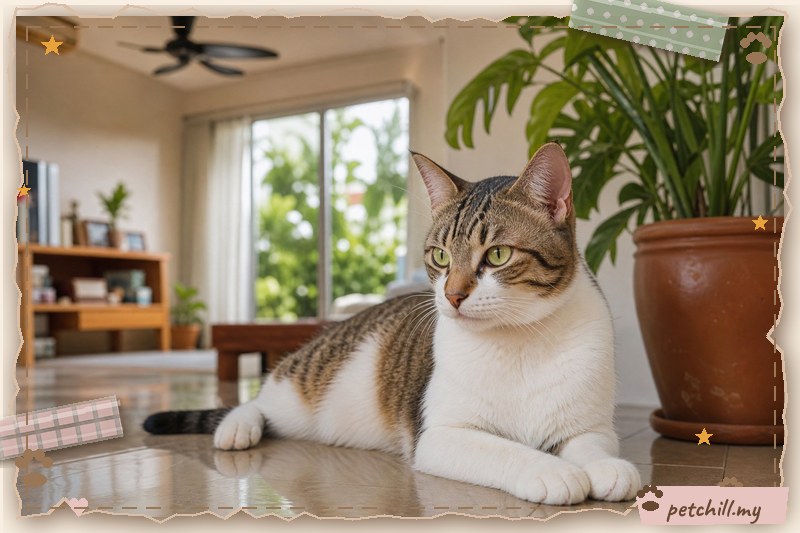
- A Kuala Lumpur apartment kitten. Space is limited, so many owners carry kittens between floors or to the lobby. Until the course is complete, use a carrier and avoid letting the kitten walk on shared corridors or meet neighbours' cats. Balcony screens matter too: an unvaccinated kitten that slips out is at risk from both traffic and other cats.
- A Johor terrace house with a garden. Gardens, drains and stray cats passing through the gate raise the risk of panleukopenia, which can survive in soil and on surfaces for a long time. Keep the kitten indoors, change shoes before handling it, and do not let it explore the car porch until two weeks after the final dose.
In both cases, the principle is the same: the kitten's environment should be controlled until immunity is established. Rainy-season humidity in many parts of Malaysia also encourages respiratory infections, so avoid crowded pet areas and keep bedding dry.
What happens at the vet visit
A vaccination appointment is more than an injection. Expect the vet to:
- Ask about appetite, stool, sneezing, vomiting and contact with other cats.
- Take the kitten's temperature and weight.
- Listen to the heart and lungs and check the eyes, ears, mouth and skin.
- Check for fleas, ear mites and signs of ringworm.
- Discuss deworming, which is usually started around the same age.
- Give the vaccine, often under the skin between the shoulder blades.
- Record the product name, batch number and date in a vaccination card or passport.
Keep that record safe. You will need it for boarding, travel and future vet visits. If you plan to move the cat between states or abroad, ask early about documentation; Malaysia has an official animal passport system for pets, and requirements depend on destination.
Side effects: what is normal and what is not
Most kittens tolerate vaccines well. Mild reactions in the first 24–48 hours include:
- Sleepiness and reduced play.
- A slightly reduced appetite.
- Tenderness or a small soft swelling at the injection site.
- A mild sneeze or slight eye discharge after intranasal products.
These usually settle without treatment. Contact your vet if the swelling grows, is painful, or persists beyond a few weeks.
Seek urgent care if you see:
- Facial swelling, hives or puffiness around the eyes.
- Vomiting or diarrhoea shortly after vaccination.
- Difficulty breathing, noisy breathing or pale gums.
- Collapse, weakness or seizures.
- Persistent crying or inability to settle.
Serious reactions are uncommon but real. Your vet can note the reaction in the record and adjust future vaccines.
Cost: how to budget without surprises
Vaccine prices in Malaysia vary by clinic, city, vaccine brand and whether a consultation fee is included. Rather than quoting a figure, ask for a written estimate that covers:
- Consultation and health check.
- The vaccine itself, per dose.
- Deworming, if given at the same visit.
- The 12-month booster.
- Any FeLV or rabies add-on.
Compare the total course cost, not the price of a single injection. A cheap first dose at a clinic that charges separately for every consultation may cost more overall than a package. Also ask whether the clinic sends reminders; missed boosters are the most common reason kittens end up under-vaccinated.
Common myths and mistakes
- "My kitten never goes outside, so it doesn't need vaccines." Viruses can arrive on shoes, hands, carriers and visiting cats. Indoor cats still need core protection.
- "One shot is enough." A single dose may be blocked by maternal antibodies. The series is what builds reliable immunity.
- "Vaccines cause the illness." Modified-live vaccines can cause mild transient signs, but the diseases they prevent are far more serious.
- "I'll finish the course next year." Gaps leave the kitten unprotected during the highest-risk period of its life.
- "The kitten is too young to vaccinate." Starting at 6–8 weeks is standard; very young or unwell kittens are managed case by case.
When to see a vet
Contact a veterinarian promptly if your kitten:
- Has not started its vaccination course by 8–9 weeks of age.
- Misses a scheduled dose by more than a week or two.
- Shows vomiting, diarrhoea, lethargy, sneezing or eye discharge before a planned vaccine.
- Has a reaction after vaccination, especially swelling, breathing difficulty or collapse.
- Is due for a booster and you are unsure whether it is needed.
For a healthy kitten, book the first visit as soon as you bring it home. Early visits also give you a chance to ask about diet, litter, parasite control and microchipping.
A simple checklist for new owners
- Book the first vaccination at 6–8 weeks.
- Keep the kitten indoors until two weeks after the final dose.
- Record every vaccine date, product and batch.
- Start deworming as advised.
- Ask about FeLV and rabies based on lifestyle.
- Set a phone reminder for the 12-month booster.
- Save your vet's emergency contact number.
Vaccination is a small investment of time and money compared with treating a preventable disease. With a clear schedule and a good relationship with your vet, your kitten can start adult life with solid protection.
This article is general information, not veterinary advice. Always consult a licensed veterinarian in Malaysia about your kitten's individual vaccination plan.
Related reading
- Kitten Care Guide Malaysia: 0–12 Month Feeding, Vaccination, Deworming & Growth Timeline
- Kitten Development for Cat Owners: A Complete Malaysian Guide
- Kitten Vaccine Schedule for Kittens: A Complete Guide for Malaysian Owners
- Cat Birth for Cat Owners: A Complete Guide to Labour, Delivery and Newborn Kittens
- Kitten Development for Cats in Malaysia: A Stage-by-Stage Guide
- Kitten Deworming for Kittens: A Complete Malaysian Guide
- Kitten Deworming in Malaysia: A Complete Guide for New Cat Owners
- Kitten Diarrhea: A Practical Guide for Malaysian Cat Owners
- Kitten First Vet Visit: A Complete Guide for Malaysian Owners
- Kitten First Year Checklist in Malaysia: Supplies, Vet Schedule and Monthly Milestones
- Kitten Flea Treatment: A Complete Guide for Malaysian Owners



