
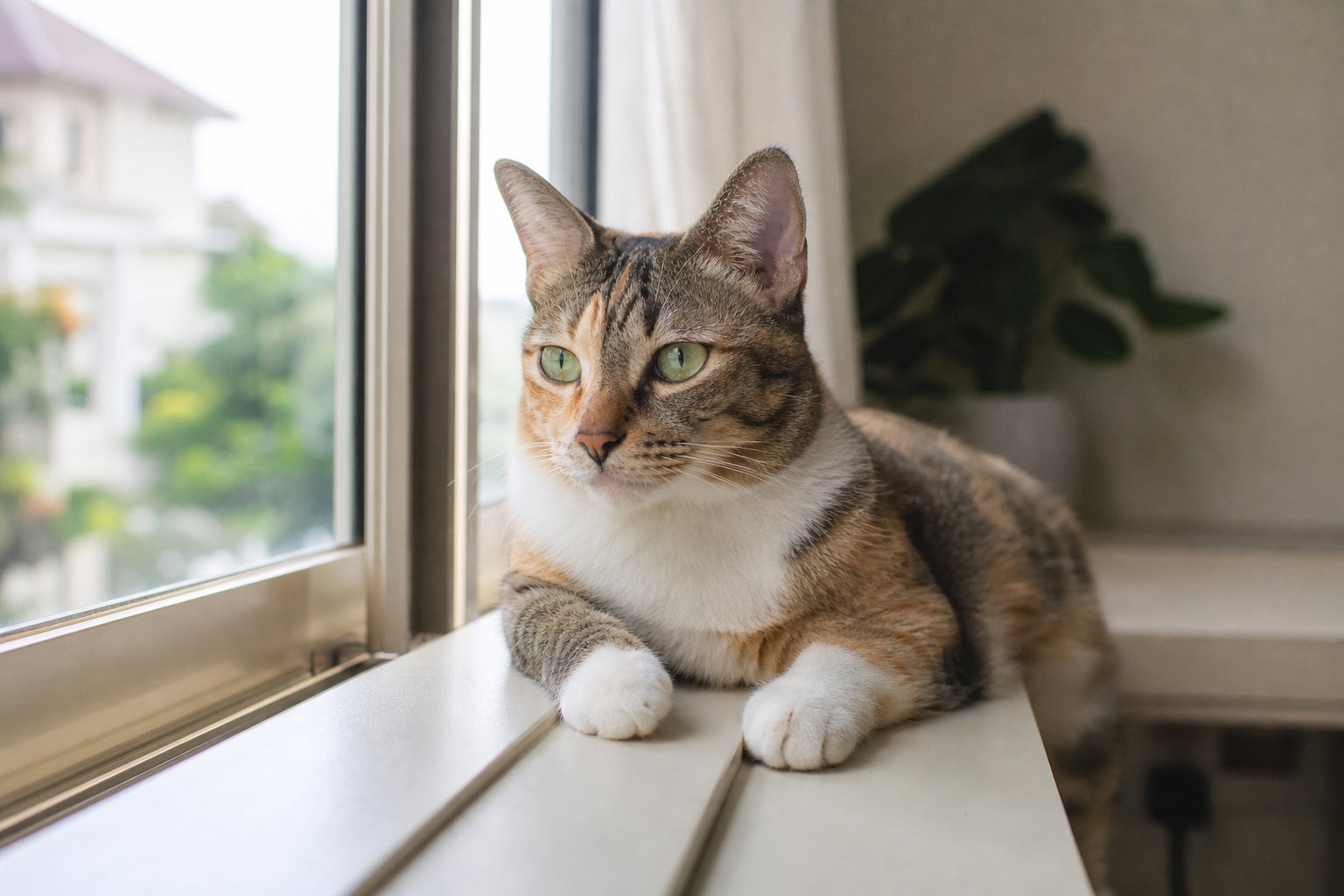
Why socialization matters for kittens
Socialization is the process of gently exposing your kitten to new experiences, people, animals, and environments so they grow into a confident, friendly cat. Kittens that are well socialized are less likely to develop fear-based behaviors like hiding, aggression, or stress-related illness. They also adapt more easily to changes such as moving house, new family members, or visits to the vet.
The foundation for social behavior is laid very early. During the sensitive period—roughly 2 to 9 weeks of age—kittens are most receptive to new sights, sounds, and handling. Positive experiences during this window can shape their temperament for life. However, socialization doesn't stop at 9 weeks; it should continue gradually throughout the first year and beyond.
In Malaysia, many kittens are born in homes, shelters, or on the streets. Whether you've adopted a pedigree kitten or a rescued stray, the principles of socialization are the same. This guide will walk you through the process step by step, with practical tips for Malaysian living situations.
The critical window: 2 to 9 weeks
Between 2 and 9 weeks, a kitten's brain is like a sponge. They learn what is safe and what is threatening. Positive, gentle exposure to a variety of stimuli during this time helps prevent fear and aggression later.
If you have a kitten in this age range, aim for short, daily sessions. Keep them positive and never force anything. For example:
- Handling: Gently pick up and hold the kitten for a few seconds, then put them down. Gradually increase the time.
- People: Invite different people to sit quietly near the kitten and offer treats. Let the kitten approach them.
- Sounds: Play recordings of household noises (vacuum cleaner, doorbell, thunder) at low volume while the kitten eats or plays.
- Environments: Allow supervised exploration of different rooms and safe objects.
If your kitten is older than 9 weeks, don't worry. You can still socialize them, but you'll need to go at their pace and be patient. The same principles apply: go slowly, reward calm behavior, and avoid overwhelming them.
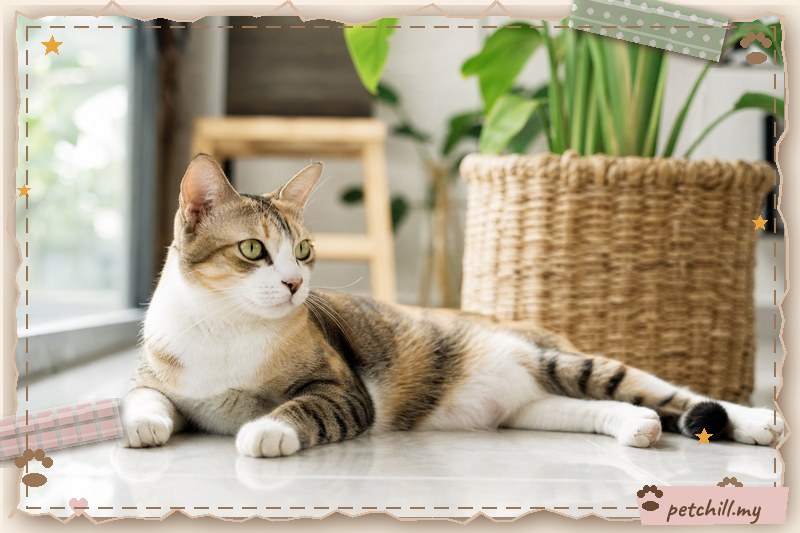
Step-by-step socialization plan
Here is a practical plan you can follow, regardless of your kitten's age. Adjust the pace to your kitten's comfort level.
1. Create a safe base
Set up a quiet room with food, water, litter box, scratching post, and hiding spots. This is your kitten's safe zone. Start socialization sessions here, then gradually expand to other areas.
2. Handle gently and frequently
Pick up your kitten for short periods, supporting their chest and hindquarters. Touch their paws, ears, and mouth gently. Pair handling with treats or a meal so they associate touch with good things. Do this several times a day for a few minutes.
3. Introduce different people
Invite friends, family, and neighbors to interact with your kitten. Ask them to sit on the floor, avoid direct eye contact, and let the kitten come to them. They can offer treats or play with a wand toy. The goal is to teach the kitten that people are safe and fun.
4. Expose to household sounds and objects
Play recordings of common sounds at low volume while your kitten is relaxed. Gradually increase the volume. Also, let them investigate safe objects like cardboard boxes, paper bags, and cat carriers. Leave the carrier out with a blanket inside so it becomes a familiar bed.
5. Introduce other animals carefully
If you have other pets, introduce them slowly. Start with scent swapping: rub a cloth on one animal and let the other smell it. Then do supervised introductions through a baby gate or cracked door. Reward calm behavior with treats. Never force them together.
6. Take car rides and vet visits
Get your kitten used to the carrier and car. Start with short trips around the block, then gradually increase. Visit the vet for a happy visit (just treats and pets) if your clinic allows. This helps prevent fear of the vet.
7. Continue throughout the first year
Socialization is not a one-time event. Keep exposing your kitten to new people, places, and situations as they grow. Enroll in a kitten class if available, or arrange playdates with friendly, vaccinated cats.
Socializing kittens in Malaysian homes
Malaysian homes vary widely—from high-rise apartments in Kuala Lumpur to terrace houses in Johor and Penang. Here's how to adapt socialization to your living situation.
Apartments and condos
Space may be limited, so use vertical space. Cat trees, wall shelves, and window perches give kittens a sense of territory and exercise. Create a quiet room for introductions. If you have a balcony, ensure it's securely netted before letting your kitten out. Take advantage of windows for bird-watching, which provides mental stimulation.
Terrace houses and landed properties
You may have more space, but also more potential hazards. Ensure your kitten is microchipped and wears a collar with ID. If you plan to let your kitten outside, supervise them and consider building a catio. Socialize them to the sounds of the neighborhood—traffic, children playing, dogs barking—by playing recordings at low volume.
Multi-pet households
Many Malaysian homes have multiple cats or dogs. Introduce new kittens slowly. Use separate rooms and gradual introductions. Feed them on opposite sides of a door so they associate each other's scent with good things. Supervise all interactions until you're confident they are safe together.
Weather considerations
Malaysia's hot and rainy climate means your kitten may spend more time indoors. Use this to your advantage: create a rich indoor environment with toys, scratching posts, and climbing structures. During rainy season, ensure your kitten has dry, warm spots to rest.
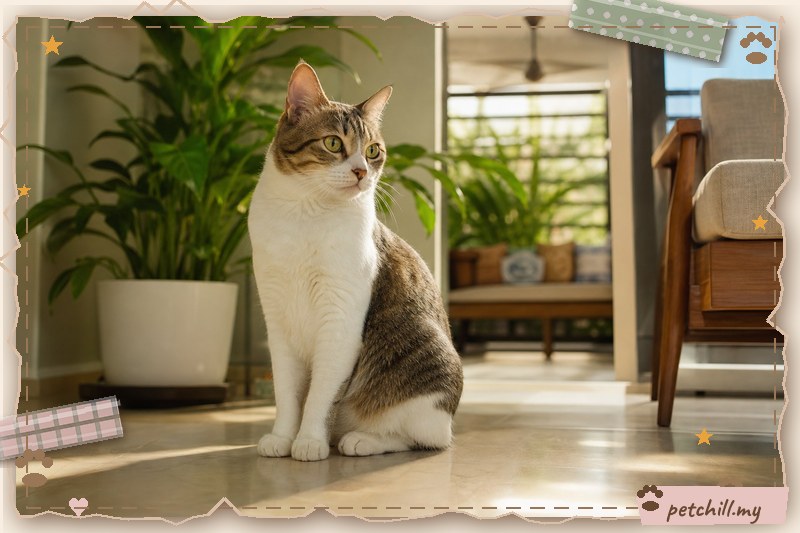
Common socialization challenges and solutions
Even with the best efforts, you may encounter hurdles. Here are some common issues and how to address them.
| Challenge | Possible cause | Solution |
|---|---|---|
| Kitten hides when guests arrive | Fear of unfamiliar people | Ask guests to ignore the kitten; let the kitten approach at their own pace. Use treats and toys. |
| Kitten bites during handling | Overstimulation or fear | Keep sessions short; watch for signs of stress (tail twitching, ears back). Stop before they react. |
| Kitten avoids other pets | Lack of positive association | Use gradual desensitization: scent swapping, feeding on opposite sides of a door, supervised meetings. |
| Kitten scared of carrier | Negative association | Leave carrier out as a bed; feed meals inside; take short car trips to fun places. |
| Kitten fearful of loud noises | Sensitive temperament | Play recordings at low volume while distracting with play or food; gradually increase volume. |
When to see a vet
Socialization challenges can sometimes stem from underlying medical issues. Consult a veterinarian if you notice:
- Sudden change in behavior, such as hiding or aggression
- Loss of appetite or lethargy
- Diarrhea, vomiting, or other gastrointestinal signs
- Signs of pain when handled
- Excessive fear that doesn't improve with gradual socialization
A vet can rule out medical causes and refer you to a behavior specialist if needed. In Malaysia, you can find a list of veterinary clinics through the Department of Veterinary Services (DVS) website.
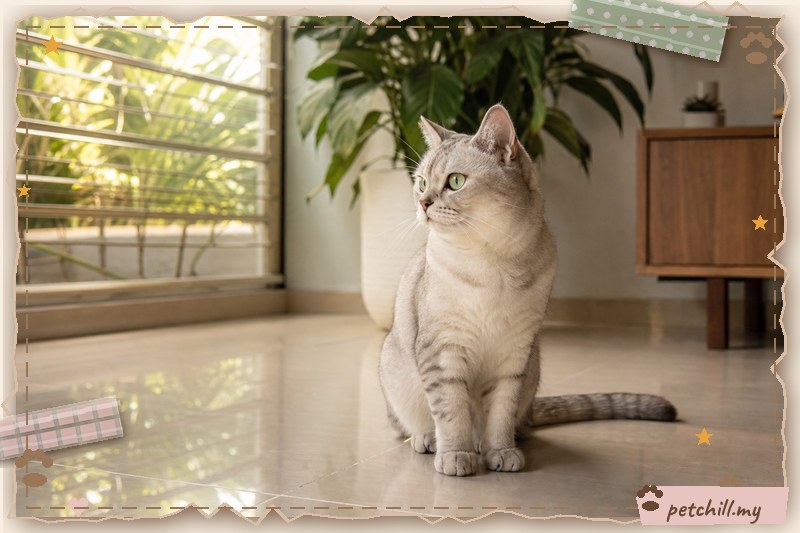
Tools and aids for socialization
Having the right tools can make socialization easier and safer.
- Treats: Small, soft treats are ideal for rewarding calm behavior. Use them liberally during sessions.
- Wand toys: Great for interactive play, which builds confidence and strengthens your bond.
- Cat carrier: Choose a sturdy carrier that opens from the top and front. Leave it out as a familiar bed.
- Pheromone sprays: Synthetic feline pheromones can help reduce stress in new environments.
- Recordings: Download sounds of household noises, traffic, and other animals to use for desensitization.
- Baby gates: Useful for gradual introductions to other pets.
Socialization checklist
Use this checklist to track your kitten's progress. Aim to tick off each item gradually, at your kitten's pace.
- Happily approaches family members
- Allows gentle handling of paws, ears, and mouth
- Comfortable being picked up for short periods
- Eats calmly with people nearby
- Explores new rooms with confidence
- Ignores or investigates household noises without fear
- Rests comfortably in the cat carrier
- Travels in the car without excessive stress
- Meets unfamiliar people without hiding
- Interacts calmly with other friendly pets
- Allows nail trimming and grooming
- Visits the vet without extreme fear
The role of play in socialization
Play is one of the most powerful socialization tools. Through play, kittens learn social skills, build confidence, and bond with their humans. Set aside time each day for interactive play with wand toys, balls, or puzzle feeders. Rotate toys to keep things interesting. Play also helps redirect biting and scratching behavior.
Socializing single kittens
If you have a single kitten, you'll need to take on the role of playmate and teacher. Kittens learn bite inhibition and social cues from their littermates, so a single kitten may need extra guidance. Never use your hands as toys—always use toys for play. Consider adopting a second kitten if possible, as they can entertain and teach each other. If not, arrange playdates with friendly, vaccinated cats.
Socializing rescued or feral kittens
Rescued kittens may have had limited human contact and can be more fearful. Start in a small, quiet room and spend time sitting quietly, reading aloud, or offering food by hand. Let the kitten approach you. Use a long-handled toy to interact from a distance initially. Gradually decrease distance as the kitten becomes more confident. Be patient—it may take weeks or months.
Conclusion
Socializing your kitten is an investment that pays off in a lifetime of companionship. By understanding the critical window, following a step-by-step plan, and adapting to your Malaysian home environment, you can help your kitten become a confident, friendly cat. Remember to go at your kitten's pace, keep sessions positive, and consult your vet if you have concerns.
Disclaimer: This article is for informational purposes only and does not replace professional veterinary advice. Always consult a licensed veterinarian for health and behavior concerns specific to your kitten.
Related reading
- Kitten Care Guide Malaysia: 0–12 Month Feeding, Vaccination, Deworming & Growth Timeline
- Kitten Socialization in Malaysia: A Practical Guide for Raising a Confident Cat
- Kitten Development for Cat Owners: A Complete Malaysian Guide
- Kitten Diarrhea: A Practical Guide for Malaysian Cat Owners
- Kitten Feeding Amounts in Malaysia: How Much to Feed a Kitten at Every Stage
- Kitten First Vet Visit: A Complete Guide for Malaysian Owners
- Kitten Play Biting in Kittens Malaysia: Why It Happens and How to Stop It
- Kitten Sleep Needs: A Complete Guide for Malaysian Owners
- Kitten Socialisation in Malaysia: The 3-Week to 3-Month Golden Period, Week by Week
- Kitten Vaccine Schedule for Kittens: A Complete Guide for Malaysian Owners
- Kitten Vomiting: A Complete Guide for Malaysian Cat Owners
- Kitten Weaning for Cat Owners: A Complete Guide (Malaysia)



